
Best Climbing Shoes for Big Feet: What Actually Matters Before You Buy for 2026
Disclosure: We may earn a commission when you buy through links on this page, at no extra cost to you. As an Amazon Associate I earn from qualifying purchases. Learn more

Use this checklist to find the best climbing shoes for big feet, covering extended sizes, volume, closure, and rubber so large feet climb in comfort.
If you wear a large street shoe size, you already know the frustration: many climbing shoes stop a size or two below your feet, and the pairs that do come in your size often fit narrow and short. This guide uses a clear checklist to judge the best climbing shoes for big feet, covering extended size ranges, internal volume, closure reach, and rubber support. Work through the criteria in order and you will know exactly what to try on, what to measure, and which compromises are safe to accept.
Big feet change the physics of climbing shoes. A longer foot flexes a sole more, spreads load over a larger area, and needs closures that actually reach across a taller instep. Use the comparison table below to spot models offered in extended sizes, then apply the checklist that follows before you spend anything.

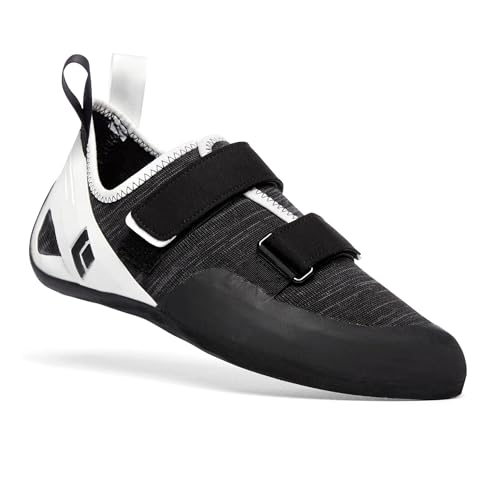


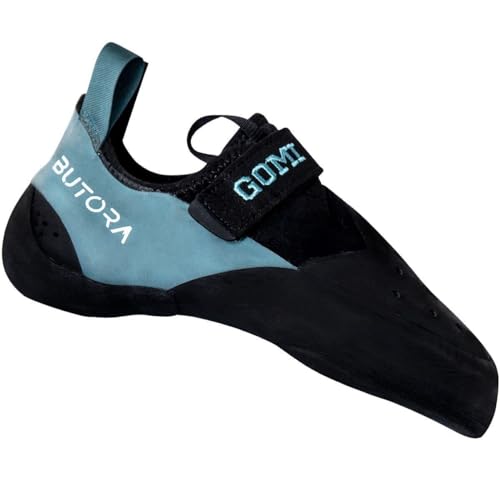

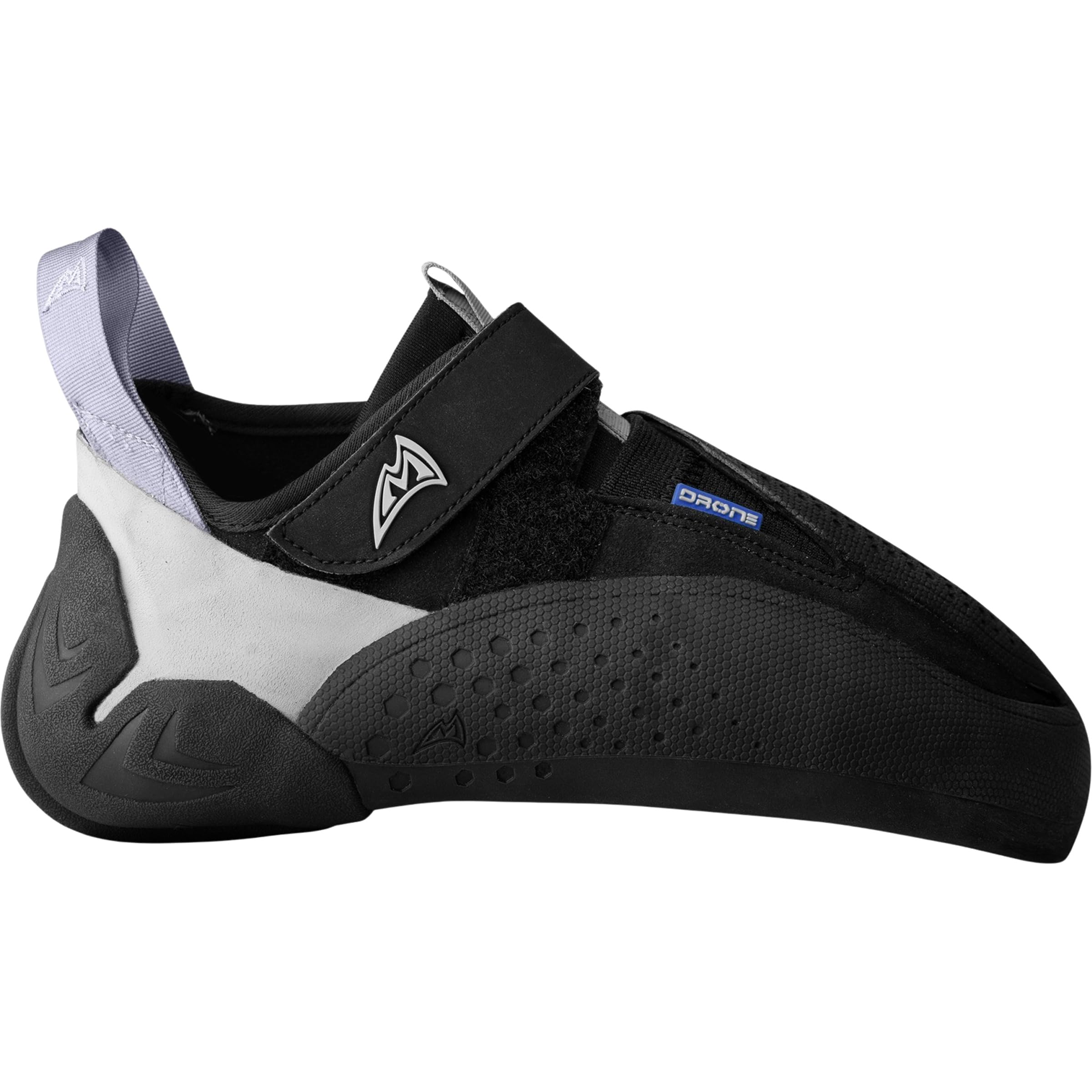

How We Evaluate the Best Climbing Shoes for Big Feet
Each criterion below includes a simple good versus poor threshold, so you can score any shoe in a store or from a detailed size chart. A shoe does not need to win every criterion, but it must never fail the first one: it has to exist in your true size.
Features That Matter for Big Feet
Large feet need three things most shoes skimp on: real length, enough vertical volume for tall toes, and a sole stiff enough to support a long lever. A good sign is a size range extending to about US 14 or 15 with half sizes near the top of the range, because half sizes matter more as feet lengthen. A poor sign is a range that technically lists your size but runs short, which you detect when your toes jam hard before the heel seats. Prioritize brands whose size charts give internal length in centimeters, since that number cannot hide behind sizing quirks.
Measuring for Size and Portability
Measure both feet in the evening, standing, and record length and width in centimeters for your larger foot. Compare those numbers with the maker internal length rather than the printed size, and allow only a small margin, since climbing shoes should fit close without crushing. Large shoes also take more pack room, but do not chase compactness at the cost of a floppy sole, because very soft shoes give up the edging support long feet need most.
Skill Level and Intended Use
Beginners with big feet should start with a flat, supportive shoe that tolerates long sessions, because a larger foot already generates strong leverage on holds. Intermediate climbers can move toward a mild downturn for steeper routes, while advanced climbers may accept an aggressive shape for short boulder problems only. The key point is that downturn multiplies toe pressure, and longer toes feel that pressure more, so progress one step in shape at a time. Match the shoe to the climbing you do weekly, not the grade you hope to reach next year.
Value and Included Accessories
Value at large sizes means availability as much as price, because a discounted shoe that skips your size is worth nothing to you. Check what the purchase includes: some brands bundle a shoe bag or offer free size exchanges, which matters when you may need to try two sizes. Also weigh resoling value, since a resole at around $40 to $60 protects a hard to replace size. Paying slightly more for a brand with a reliable extended size program usually beats hunting clearance pairs that vanish next season.
Materials and Construction
Construction choices hit big feet harder than small ones. Leather uppers stretch and can rescue a slightly tight fit, sometimes by up to a full size over time, while synthetic uppers hold the fit you try on. A stiffer midsole and thicker rubber, around 4 mm or more, resist the extra flex a long foot applies. Split soles can feel sensitive but may twist under heavier loads, so most large footed climbers do better with a full length sole.
Indoor vs Outdoor Use
Gym climbing rewards comfort, because big shoes come off and on between problems and long sessions swell your feet. Look for closures that open wide and uppers that breathe. Outdoor climbing rewards support and protection: a sturdier rand guards longer toes during crack climbing, and a supportive sole handles standing on small edges during long pitches. If you split your time, one supportive all around pair serves both settings, and many of the fit lessons here also appear in our guide to the best shoes for big feet for everyday footwear.
Size, Weight, and Fit
Judge fit by three checks you can do in any store. First, your toes should touch the end and lie nearly flat in an all around shoe, with gentle pressure rather than a hard curl. Second, the heel must stay seated when you stand on a small edge and pull. Third, there should be no gaping at the sides when the closure is snug, which signals a volume mismatch that sizing up would only worsen. Weight differences between models are trivial at this scale, so never trade fit for a few grams. If one foot is noticeably larger, fit the larger foot and pad the smaller shoe with a thicker sock for easy sessions.
Three Shoe Profiles That Pass Our Checklist
Rather than naming specific models, this section describes three profiles worth hunting for in current extended size ranges. Match your climbing to a profile, then try every shoe in your size that fits that description.
Profile One: Balanced Support for Most Climbers
The balanced profile pairs a flat to gently downturned shape with a supportive full length sole, a leather or mixed upper, and straps or laces that reach a tall instep. It suits gym regulars and outdoor climbers on vertical to slightly steep ground. Its strengths are all day comfort and edging support that does not collapse under a long foot. Its limitation is steep cave climbing, where a softer and more downturned shoe would pull harder on pockets. If you buy one pair only, buy this profile, and size it for the larger foot with toes just touching the end.
Profile Two: The Value Profile for New Climbers
The value profile is a flat, durable beginner shoe offered in a wide extended range at around $60 to $90. Thick rubber survives the toe dragging that new climbers do while learning, and simple closures keep the price down. Its strengths are cost, durability, and a forgiving fit. Its limitation is feel: thick rubber and a relaxed shape blunt sensitivity on small holds. That is an acceptable trade while you build footwork, and the money saved buys the gym time that actually drives early progress.
Profile Three: The Low Volume Alternative to Avoid Confusion
Some large footed climbers actually have long but narrow feet, and they need the opposite of volume: a slim shoe in a long size. This profile uses a narrow last, low instep, and precise heel, and it can be hard to find because many extended sizes assume width grows with length. Its strength is a locked in fit with no side gaping. Its limitation is availability, so these climbers should compare fit notes with our guide to the best climbing shoes for narrow feet, where long and narrow sizing problems overlap with theirs.
Quick Buyer Checklist
- Does the size range truly reach your measured length in centimeters, including half sizes?
- Do your toes touch the end without a hard curl or sharp pain?
- Does the heel stay seated when you edge and pull on a small hold?
- Does the closure reach comfortably across your instep without running out of strap or lace?
- Is the sole stiff enough that it does not fold when you press the toe down by hand?
- Is there a return or exchange window in case the first size misses?
- Can the shoe be resoled, and does the brand keep your size in regular production?
Red Flags to Watch For
- Size charts that list only letter ranges or vague conversions, with no internal length in centimeters.
- Extended sizes that exist on paper but show as permanently out of stock season after season.
- Reviews that repeat the same phrases about fit, which can signal unreliable feedback rather than real wear reports.
- Very short warranties or no resole path, which raise your long term cost on a hard to replace size.
- Sellers who advise sizing down two full sizes, advice that may suit small feet but often injures longer toes.
One more red flag deserves a sentence: pressure that causes numbness or tingling during a short try on. That sensation rarely improves with wear, and persistent numbness after climbing means the fit is wrong for your foot, whatever the size chart claims.
Choosing Climbing Shoes for Your Situation
Best Climbing Shoes for Big Feet and Heavy Person: What to Check
For best climbing shoes for big feet and heavy person needs, support matters even more, because greater body weight loads the sole and rubber harder on every edge. Choose a stiffer full length sole, thicker rubber of about 4 to 5 mm, and a secure lace closure that spreads pressure across the whole instep. Avoid very soft bouldering shoes as your only pair, since they can roll off edges under load. Heavier climbers should also inspect soles more often, because wear arrives sooner, and should talk with a clinician if foot or ankle pain persists beyond normal break in soreness.
Foot shape adds one more situation worth naming. A long second toe changes which toe box shapes feel right, and climbers with that shape can use the fit discussion in our guide to the best climbing shoes for greek feet to understand why some long shoes still pinch. Runners face similar stock problems, and our guide to the best running shoes for big feet hints at which brands take large feet seriously.
Setup and Care Tips
Store your shoes out of direct sun and extreme heat, because heat softens glue and warps rubber, a real risk in a parked car after a session. Check wear before each use, especially the toe rubber and the rand seam, and retire or resole the pair before the inner material shows through. Clean and dry them after outdoor use, loosening the closures so air reaches the inside, and never machine dry them. A quick brush of the soles before a session restores surprising amounts of grip.
Frequently Asked Questions
What features matter most in climbing shoes for big feet?
True extended sizing, a supportive sole, and a closure that fits a tall instep matter most. A longer foot bends a flexible sole too much, so stiffness protects both comfort and edging power. Internal length listed in centimeters is the single most useful spec, because labeled sizes vary so much between brands. After those three, look at rubber thickness, since thicker rubber survives the extra load and the learning phase toe wear that big new climbers generate.
What size should I get?
Get the size that matches your measured foot length with toes touching the end and lying nearly flat. Do not copy the aggressive downsizing advice aimed at advanced climbers with small feet, because longer toes bruise and curl painfully under that approach. If you are between sizes, choose based on your main use: the snugger size for short steep sessions, the roomier one for long gym or outdoor days. Always fit the larger foot first, since most people have a clear difference between feet.
How long does it last?
Expect about six months to a year of regular climbing before the toe area needs a resole, with heavier climbers and frequent gym use landing at the shorter end. The uppers on a good pair usually outlast two or three resoles, which is why buying a resoleable shoe in your size pays off. Inspect the toe monthly, and book the resole once the rubber thins to a smooth shiny patch, before the rand wears through and raises the repair cost.
Is it worth buying premium as a beginner?
Usually not, because premium shoes concentrate their value in aggressive shapes and soft rubber that beginners cannot yet exploit. A supportive midrange pair teaches footwork, survives early toe dragging, and fits the budget of someone still deciding how often they will climb. Premium money works better as a second pair once your routes steepen and your feet have settled into climbing shape. The exception is a beginner whose only local option in size is a premium model, where fit and availability rightly outrank tier logic.
Indoor vs outdoor: does it matter?
It matters for wear speed and for closure choice. Gym holds abrade rubber steadily and sessions run long, so breathable uppers and fast closures help big feet that swell as they warm up. Outdoor climbing adds crack jamming and long approaches, favoring sturdier rands and supportive soles. One practical system is a comfortable pair for the gym and a more supportive pair for rock, bought in that order as your climbing settles into a routine.
The Bottom Line
Measure in centimeters, demand a sole stiff enough for a long foot, and confirm the closure truly fits your instep. Those three checks filter out nearly every bad option before price even enters the discussion. Compare the pairs in the product table above against this checklist, order with a return window when you can, and choose the best climbing shoes for big feet that your larger foot approves after a full try on, not just a hopeful first squeeze.


