Best Cogs for Mountain Bike: Cassettes and Sprockets Compared
Disclosure: We may earn a commission when you buy through links on this page, at no extra cost to you. As an Amazon Associate I earn from qualifying purchases. Learn more

Best cogs for mountain bike riders usually come as a cassette. Compare speed count, tooth range and hub compatibility before you buy.
The cogs on the back wheel of a mountain bike decide how easy it is to climb and how fast you can go downhill. Most riders buy them together as a cassette, a stack of cogs of different sizes that slides onto the hub. The best cogs for mountain bike riding match your drivetrain, your terrain and your fitness, and they shift smoothly without wearing your chain.
The product table above lists mountain bike cassettes in several speed counts and tooth ranges. This guide explains how to choose the right one, how to check compatibility and how to read the numbers on the listing.

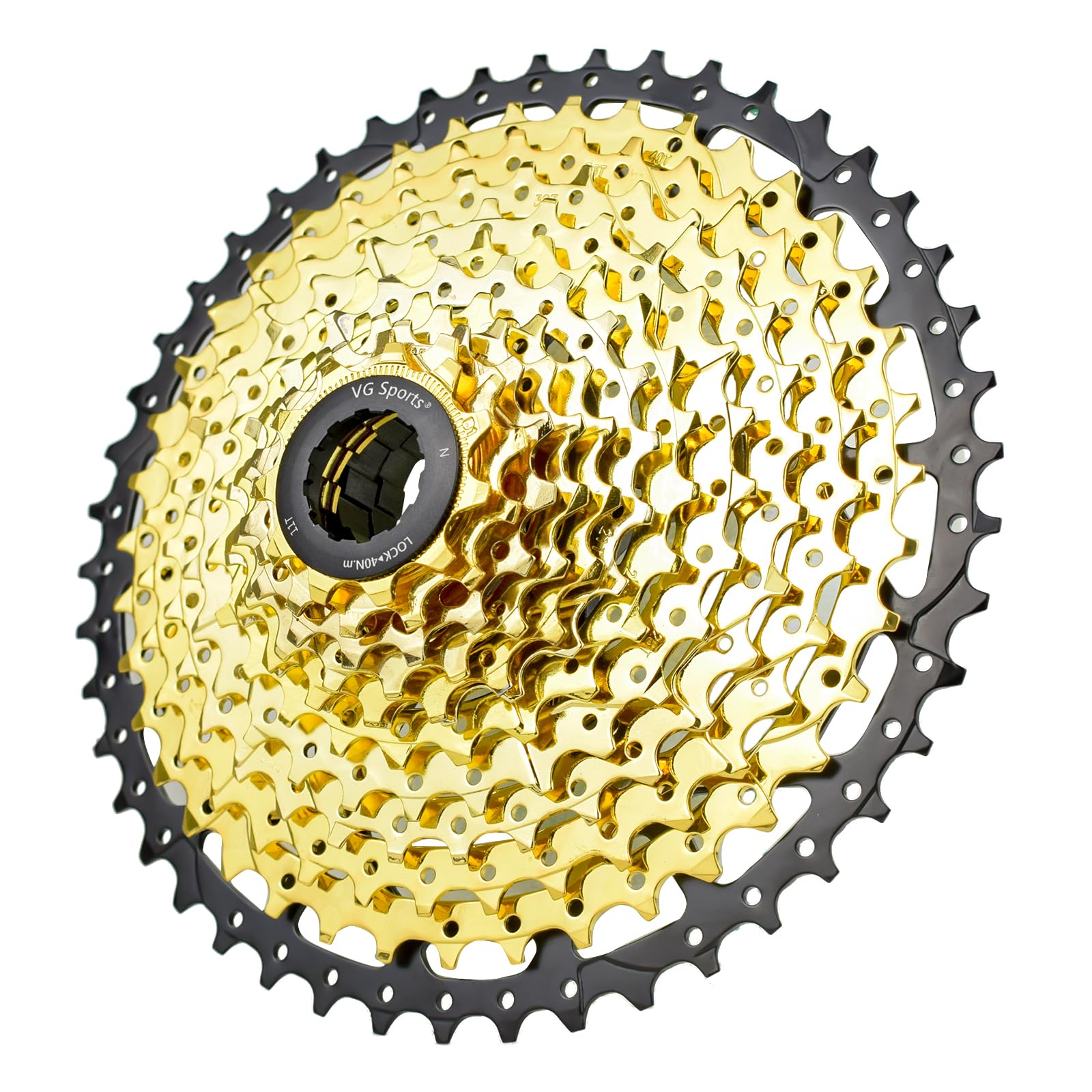


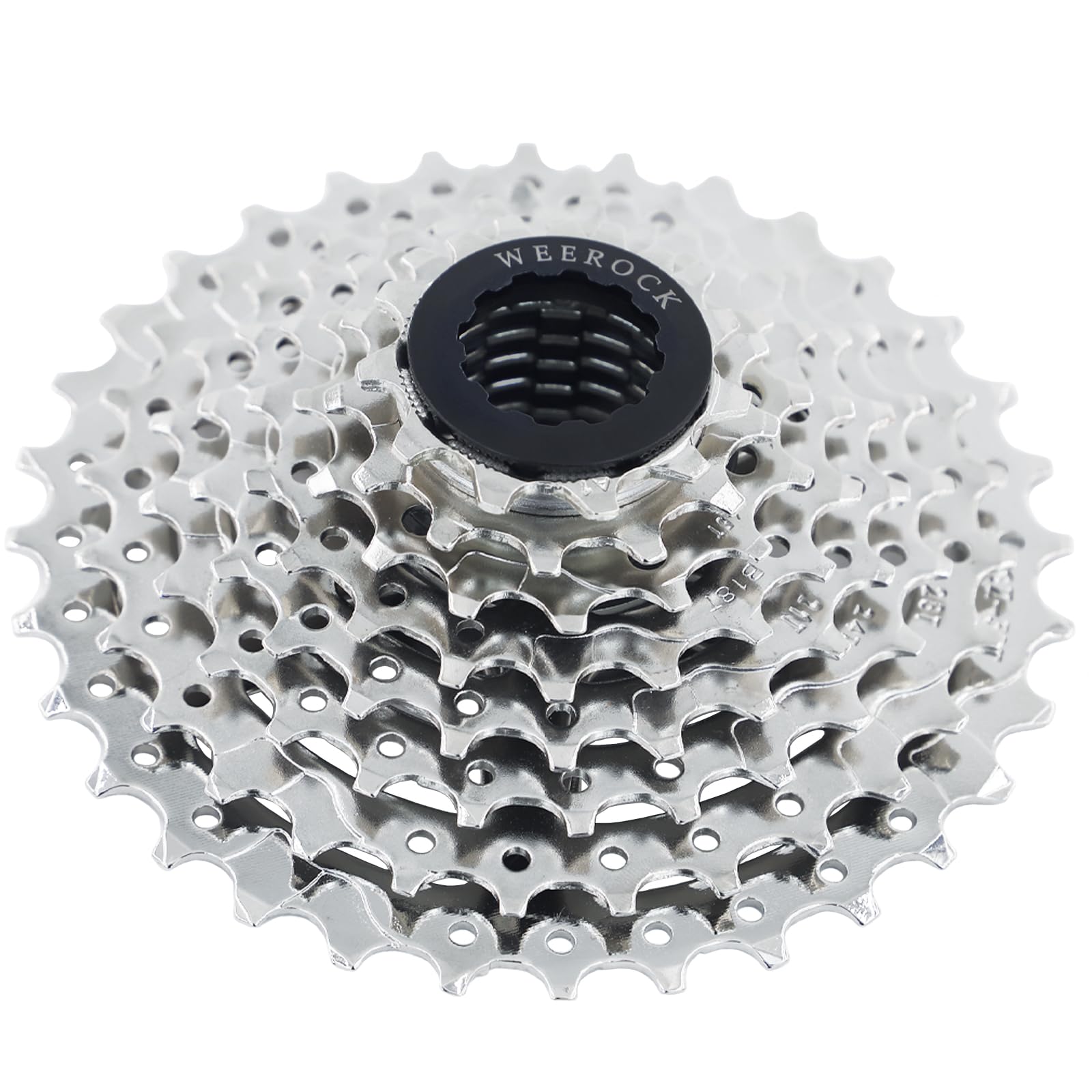
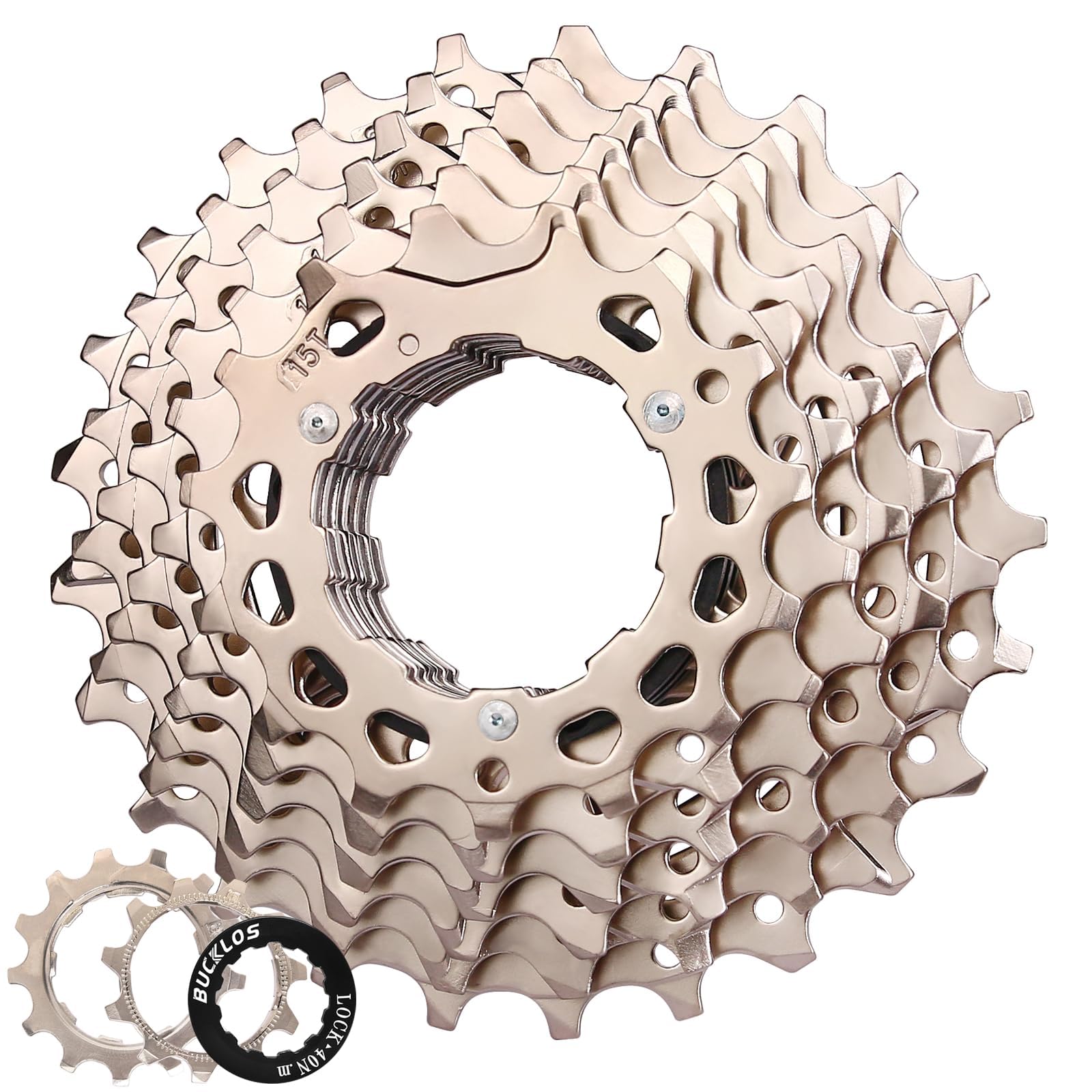

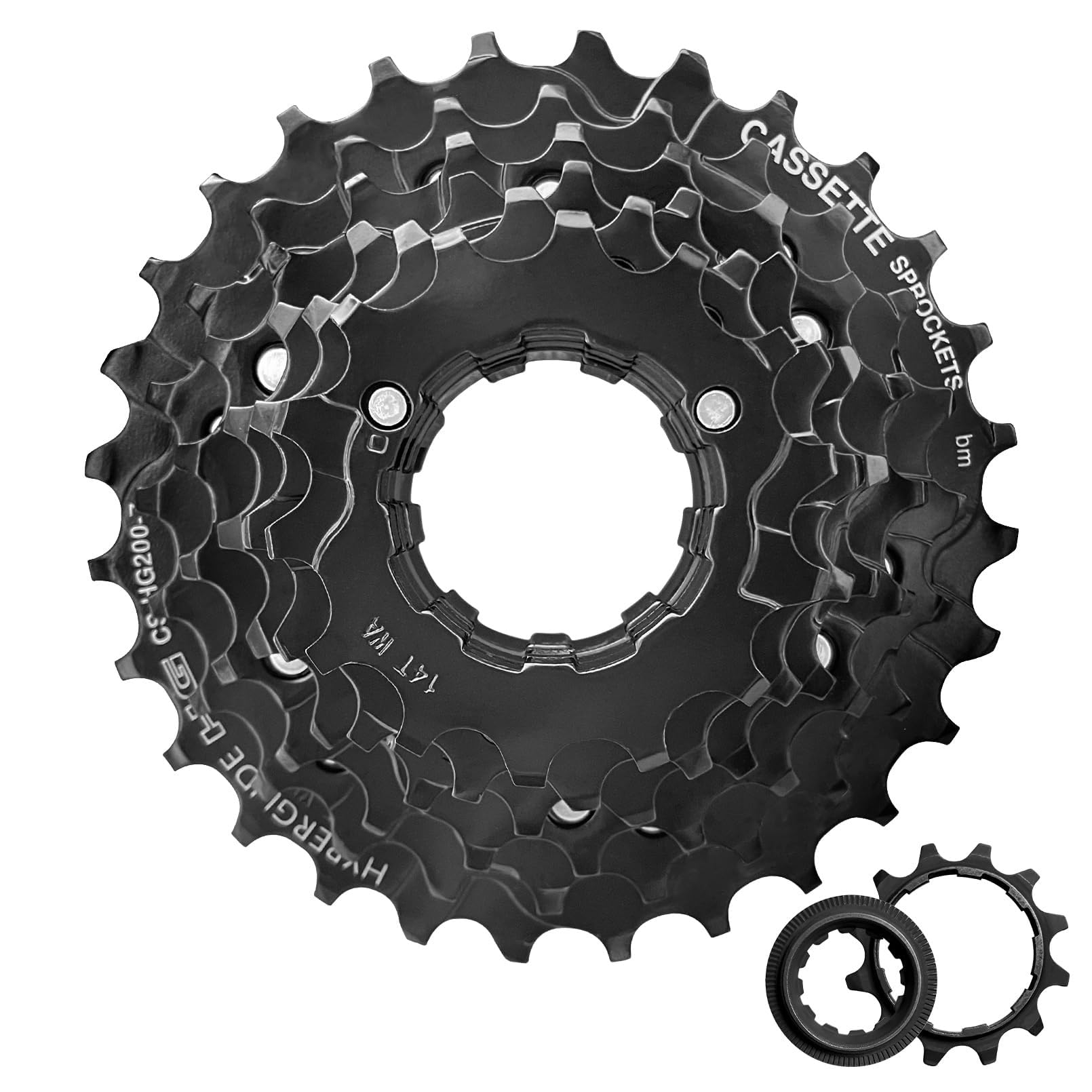
Choosing the best cogs for mountain bike riding: cogs, sprockets and cassettes
A cog is a single toothed wheel, and a cassette is a set of cogs held together. The best cogs for mountain bike use today are cassettes on a freehub body. Older or simple bikes may use a threaded freewheel. Check which system your bike has before you buy, because they are not interchangeable.
Speed count
The speed count is the number of cogs on the cassette, such as seven, eight, nine, ten, eleven or twelve. It must match your shifter, derailleur and chain. A nine speed bike needs a nine speed cassette.
More cogs give closer steps between gears, which makes shifting smoother. Fewer cogs are simpler and cheaper.
Tooth range
The tooth range, such as 11 to 36 or 11 to 42, shows the smallest and largest cog. A large cog gives an easier climbing gear, and a small cog gives a harder gear for speed. If you ride steep climbs, choose a larger biggest cog. If you ride flat terrain, a smaller range keeps steps closer together.
Derailleur capacity
Your rear derailleur has a maximum cog size it can handle. A cassette with a larger cog than that limit may not shift well. Check the derailleur specifications or the model number before choosing a wide range cassette. If your derailleur cannot cope, you may need to replace it too.
Freehub compatibility
Most cassettes fit a standard freehub body used on many mountain bikes. Some newer systems use different freehubs for wide range cassettes. Check the listing to see which hub it fits, and compare with your wheel. If you are not sure, take a photo of your hub or check the brand and model.
Materials and weight
Steel cogs are durable and affordable. Lighter cassettes use aluminum or alloy parts to reduce weight but cost more. For most riders, a steel cassette lasts longest, while racers may prefer lighter parts. Plated finishes help resist rust.
Chain and wear
A cassette wears together with the chain. A worn chain chews up cogs, so replace the chain regularly and measure it with a chain checker. Fitting a new cassette to an old chain often causes skipping. Replace both if the chain is stretched.
Installing a cassette
You need a lockring tool and a chain whip to remove and fit a cassette. Clean the freehub, slide the cogs on in order and tighten the lockring with a torque wrench to the recommended value. If you are unsure, a local bike shop can fit it quickly.
Price and value
The cassettes in the table range from about $15 to $60. Cheap cassettes work fine on casual bikes. Better ones shift more crisply and last longer. Match the quality to the rest of your drivetrain.
Matching cogs to your riding style
Trail riders who climb steep hills benefit from a wide range cassette with a large biggest cog. Cross-country riders who value speed often choose closer steps and a smaller largest cog. Casual riders on mixed paths do well with a mid-range cassette. Think about where you ride most, and favor the gears you will use daily.
If you often find yourself spinning out on descents or running out of easy gears on climbs, your cassette range may be the problem.
Single cogs and single speed conversions
Some riders convert a geared bike to single speed, using individual cogs and spacers in place of a cassette. This reduces maintenance and weight. It requires a chain tensioner or a suitable dropout.
Make sure the cog tooth count suits your terrain, and use a chain with the right width. A conversion kit contains everything you need.
Keeping the drivetrain healthy
Clean the chain and cogs regularly with a brush and degreaser, then lube the chain. Dirt wears cogs quickly, especially in wet or muddy conditions. Check for shark-fin teeth and skipping under load, which signal wear. Replace the chain at the first sign of stretch, and the cassette will last much longer.
Rinse the bike gently after muddy rides, and avoid high-pressure sprays that push dirt into bearings.
Getting a smooth shift after fitting
After installing a cassette, adjust the rear derailleur limit screws and the cable tension. Shift through all gears while pedaling in a work stand or on a quiet road, and fine tune using the barrel adjuster. If the chain hesitates on a particular gear, add or remove a quarter turn of tension. A properly adjusted drivetrain shifts quietly and precisely.
If you are unsure, a bike shop can adjust it quickly for a modest fee.
Buying tips for first time shoppers
Take a photo of your current cassette and write down the speed count, the tooth range and the freehub type before you shop. Compare these with the listing, and ask the seller if you are unsure. Buy from a seller with clear return terms, since cassettes are easy to fit but expensive to return if the fit is wrong. A basic chain whip and lockring tool are inexpensive and pay for themselves after one job.
Frequently asked questions
How do I know my speed count?
Count the cogs on your cassette or the clicks on your shifter.
Can I fit a larger cog?
Only if your derailleur supports it.
Do I need a new chain?
Often yes, when you replace the cassette.
Can I fit a cassette myself?
Yes, with the right tools.
Final thoughts
The best cogs for mountain bike riding match your speed count, terrain and derailleur. Compare the options in the table above, check compatibility carefully and replace the chain with the cassette.