
Best Cleaner for Couch Cushions: Every Type Explained Side by Side for 2026
Disclosure: We may earn a commission when you buy through links on this page, at no extra cost to you. As an Amazon Associate I earn from qualifying purchases. Learn more

Compare the best cleaner for couch cushions by type, fabric code, scent, and format, so everyday spills and set stains both get the right formula.
Choosing the best cleaner for couch cushions feels confusing because bottles promise very different results while your cushions face crumbs, body oils, pet hair, and spills all at once. Some formulas lift daily grime gently, while others target set stains that plain soap leaves behind. This guide compares each type side by side so you can match strength, scent, and format to your fabric.
You will learn how everyday cleaners, natural options, heavy duty formulas, and concentrates differ, plus how to judge fabric safety before you spray anything. Use the comparison table below as a quick reference, then read the sections that match your mess and your household.
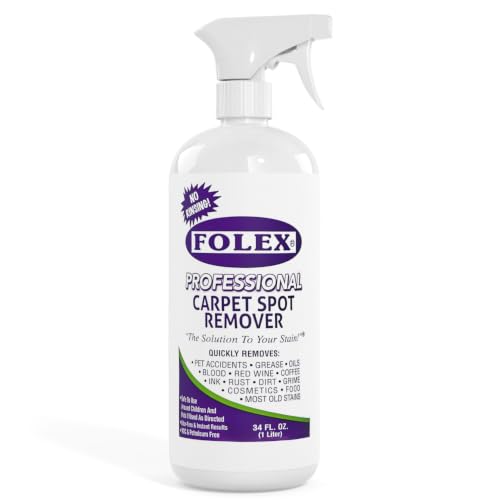

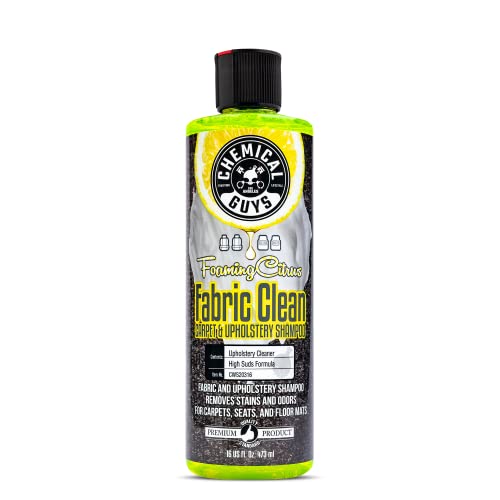
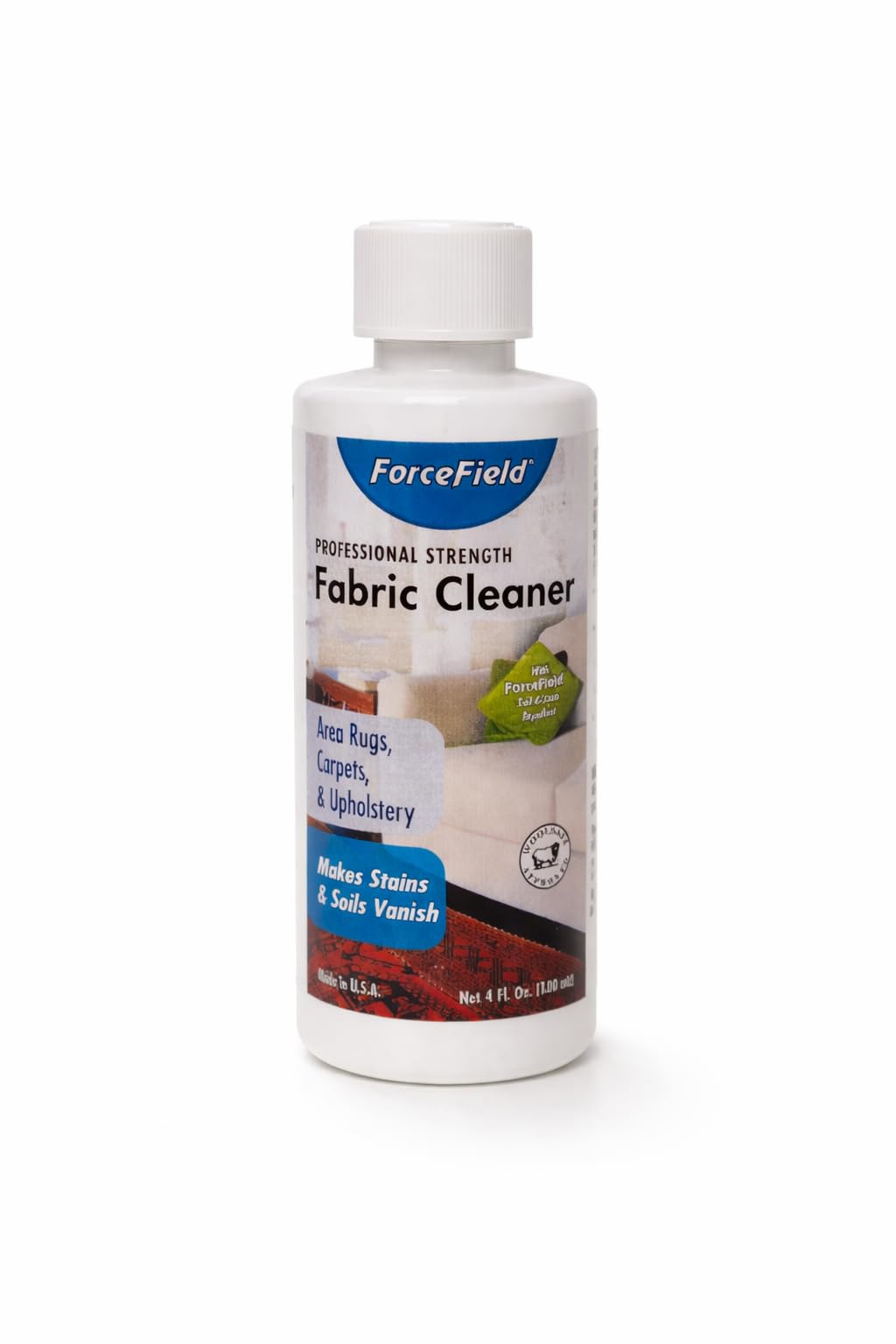


Types of Cleaners Compared
The product table above gives you a fast overview, but the real differences show up in how each type handles soil, residue, and delicate fabric. Everyday options suit routine upkeep, natural options reduce strong scents and harsh ingredients, heavy duty formulas attack stubborn spots, and concentrates stretch your budget across many cleanings.
Keep indoor and outdoor products separate in your mind, because patio fabric faces mildew and weather that living room fabric rarely sees. If you also maintain patio seating, see our guide to the best cleaner for outdoor cushions for formulas built for that harsher setting. For cushions that live indoors, the four types below cover nearly every situation.
Everyday Cleaners
Everyday cleaners are mild liquid sprays made for frequent use on common soils like dust, light food marks, and fresh spills. They contain gentle surfactants that lift dirt so you can blot it away without soaking the foam inside. Because they are mild, you can use them weekly on busy seats without worrying much about fading.
The trade off is limited power on old stains and strong odors, which may survive several passes. Everyday cleaners suit busy households that clean little and often rather than waiting for a big mess.
Natural and Eco Friendly Options
Natural and eco friendly options rely on plant based surfactants, enzymes, or simple ingredients like diluted vinegar for removable covers. Many carry the EPA Safer Choice label, which signals strict safety standards for people and the environment. Most are biodegradable, and many leave little scent once the cushion dries.
These options work best on fresh messes and light soil, and they may need a longer wait time before blotting. They appeal to households with babies, sensitive skin, or a preference for fewer synthetic chemicals indoors. Check the label closely, because natural does not always mean safe for wool, silk, or dyed fabric.
Heavy Duty Formulas
Heavy duty formulas use stronger surfactants, oxygen based stain lifters, or solvents to break down set stains, grease, and ground in soil. Some also disinfect treated surfaces, which can matter after illness or a pet accident. They are the type you reach for when a mild spray has already failed twice.
That extra strength carries risk, since strong formulas can fade dye, stiffen fibers, or leave residue that attracts new dirt. Use them only on the stain itself, follow the wait time on the label, and blot with plain water afterward.
Concentrates and Refills
A concentrate is a compact bottle that you dilute with water in your own spray bottle, often making many full bottles from one purchase. Refill pouches work the same way and cut plastic waste and cost per cleaning. This type suits large sectionals and homes that clean cushions often.
The catch is measuring, because a mix that is too strong can leave sticky residue and a mix that is too weak will disappoint. Label your spray bottle with the ratio and the date you mixed it. If you prefer grab and go convenience over savings, a ready to use spray fits you better.
Everyday Cleaners vs Natural and Eco Friendly Options: Which Should You Choose?
These two types overlap for light cleaning, so choose by the details that matter to you. Everyday cleaners usually win on speed and stain lifting for fresh spills. Natural options win on ingredient transparency, low odor, and comfort for households avoiding strong fragrance or disinfectant chemicals.
Cost per bottle is often similar at around $10 to $20, though natural formulas can cost a little more for certified ingredients. Fabric range is similar too, since both types still require a spot test on delicate weaves. Pick everyday cleaners for a family room that sees snacks and game nights, and pick natural options for a nursery couch or anyone sensitive to scent.
Many homes keep both, using the natural option for weekly freshening and the everyday spray for surprise spills. Whichever you choose, the product table above can help you compare scent, size, and intended use at a glance.
How to Choose the Right Cleaner
Start with your fabric, your most common mess, and who sits on the couch every day. What counts as the best cleaner for couch cushions in one home may be far too strong or too mild in another. The five factors below turn that judgment into a simple checklist.
Features That Matter for Couch Cushions
Look first for clear fabric guidance on the label, including which materials the formula can treat and which it warns against. A streak free finish matters on dark fabric, where dried residue shows as pale rings after the cushion dries. Rinse free formulas save effort, but a low residue claim matters more, because leftover film pulls dust back onto the seat.
Also check the stated wait time and whether the cleaner needs extraction with a machine or simple blotting by hand. Cushion foam absorbs liquid fast, so a product that works within a few minutes protects the padding.
Scent and Fragrance Free Options
Scent is more than a preference on cushions, because fabric holds fragrance far longer than hard surfaces do. Lightly scented cleaners can mask odors for a day, yet they do not remove the source of the smell. Fragrance free options suit people with asthma, migraines, or scent sensitivity.
If odor is your main problem, look for enzyme action or odor neutralizing claims rather than a stronger perfume. Ventilation speeds drying and clears lingering scent at the same time. When in doubt, choose the milder scent, since you can always refresh the room another way.
Effectiveness on the Specific Mess
Match the chemistry to the mess in front of you. Enzyme formulas digest protein based stains from food, sweat, and pet accidents, while oxygen based lifters suit colored spills like coffee and juice. Grease from lotion or cooking oil responds better to a surfactant rich spray used while the mark is still fresh.
Water marks and dull film usually come from earlier cleanings that left soap behind, so a plain water blot may fix what another product cannot. Bathroom style cleaners built for limescale have no place here, because cushion soil is organic rather than mineral.
Format: Spray, Gel, Wipes, and Concentrate
Sprays cover large cushion panels evenly and work well for routine freshening of a whole seat. Gels cling to vertical back cushions and give stain lifters more contact time without dripping onto the floor. Wipes handle tiny fresh marks fast, although they cost more per use and create more waste.
Pods belong to removable covers that go in the washing machine, where a measured dose prevents excess suds in the wash. Concentrate refills reward planning with the lowest cost per bottle, at about $15 to $30 for months of supply.
Fabric and Surface Compatibility
Find the cleaning code tag sewn under a cushion or along the frame before you buy anything. Code W allows water based cleaners, code S means solvent only, code WS allows either, and code X means vacuum only with no liquid at all. Leather, velvet, linen, and wool each narrow your choices further, so match the label promise to your exact fabric.
If you are also shopping for new seating, see our guide to the best couch cushions to compare fill and fabric choices that clean more easily. Microfiber and tight weave polyester forgive most mild cleaners, while loose linen shows water rings quickly.
How to Use Cleaner and Care for Couch Cushions
Begin by vacuuming loose crumbs and pet hair, because cleaning over grit just spreads it into the weave. Always read the label and try the cleaner on a small hidden area, then wait for that spot to dry before judging color change. Never mix bleach with ammonia or acids, and ventilate the room while cleaning so fumes and moisture clear quickly.
Work from the outside of a stain toward its center to keep it from spreading, and blot instead of rubbing so fibers stay smooth. Use small amounts of liquid at a time, since soaked foam takes days to dry and can develop a sour smell. While cushions dry, households concerned about dust and lingering odor can see our guide to the best air cleaners for ways to freshen the room air.
Rotate and fluff cushions weekly so wear and sunlight fade them evenly, and keep your chosen cleaner nearby for fast spill response. If a cushion stays flat and lumpy after cleaning, the problem is lost fill rather than dirt, and our guide to the best stuffing for couch cushions explains how to restore its shape.
When stains, tears, or sagging go beyond what cleaning and restuffing can fix, replacement becomes the honest answer. In that case, see our guide to the best replacement couch cushions to match size and firmness to your frame.
Cleaners for Couch Cushions: Your Questions Answered
What features matter most in cleaners for couch cushions?
Fabric safety matters most in cleaners for couch cushions, followed by low residue and a wait time short enough to protect the foam. One useful extra check is dye transfer, so press a white cloth on the dampened spot and look for color. A cleaner that passes that check and lists your fabric by name deserves your trust.
Is cleaner for couch cushions safe to use around kids and pets?
Most cleaner for couch cushions is safe around kids and pets once the fabric has dried fully and the room has aired out. Keep children and animals off the cushion during cleaning and drying, because paws and small hands spread wet product. Store bottles closed and out of reach.
How often should you use cleaner for couch cushions?
You should use cleaner for couch cushions lightly every one to two weeks on busy seats and do a deeper clean every few months. Entryway and TV room cushions collect oils faster than guest room seating, so let traffic set your schedule rather than the calendar alone. A quick blot after each spill matters more than any set routine.
What cleaners for couch cushions should never be mixed together?
You should never mix bleach with ammonia or vinegar, and you should never layer two different cleaners on the same cushion stain. Mixing can release harmful gases and can also set a stain permanently by reacting with its pigments. Rinse your cloth with plain water between products, and let one product dry fully before trying another.
Are natural cleaners for couch cushions as effective as everyday cleaners?
Natural cleaners for couch cushions are just as effective on fresh spills and light soil when you give them enough contact time. Their advantage grows in homes that clean often, because small messes never build into the set stains where stronger formulas pull ahead. For a single old stain, plan on two patient applications instead of one rushed pass.
The Bottom Line
Match the cleaner type to your fabric code, your usual mess, and your comfort with scent and stronger ingredients. Everyday cleaners handle routine life, natural options suit sensitive households, heavy duty formulas rescue set stains, and concentrates reward frequent cleaning. Scan the product table above once more with those priorities in mind before you order.
When you choose the best cleaner for couch cushions for your own fabric and habits, small messes stay small and your couch keeps its color and comfort for years. Start with the mildest option that fits your stain, try it out of sight, and let the cushion dry fully before judging the result.


