Best Classic Looking Watches in 2026: Which Type Is Right for You?
Disclosure: We may earn a commission when you buy through links on this page, at no extra cost to you. As an Amazon Associate I earn from qualifying purchases. Learn more

Compare watch types side by side to find the best classic looking watches for your wrist, routine, and budget, from automatic to solar to smart.
Walk into any watch shop and the classic styles blur together: round cases, simple dials, leather straps, and prices from under $50 to several thousand dollars. The best classic looking watches all borrow the same mid century design language, but underneath they work in very different ways. Movement type, power source, and durability decide which one actually fits your life.
This guide compares the main types clearly, with honest strengths, limits, and typical prices for each. Start with the comparison table below for a snapshot, then read the type breakdowns to find the match for your wrist, your routine, and your budget.




Types of Classic Watches Compared
Four types cover nearly the whole market for the best classic looking watches. As a quick orientation: smartwatches with classic styling suit connected daily wear at around $150 to $400, dive and field watches suit active and outdoor use at around $100 to $600, solar watches suit low upkeep ownership at around $100 to $500, and automatic watches suit traditional craft lovers at around $150 to $1,000 and beyond.
Smartwatches
A classic styled smartwatch hides a full computer behind a traditional round dial, sometimes with real physical hands over a screen. You gain notifications, GPS, heart rate tracking, and contactless payment in a case that pairs with a blazer.
The costs are nightly or weekly charging, software that ages, and a screen that can still betray the disguise in bright light. Choose this type if you want modern function but dislike the sporty look of most wearables. Shoppers set on this route can compare dedicated options in the best classic smart watches guide.
Dive and Field Watches
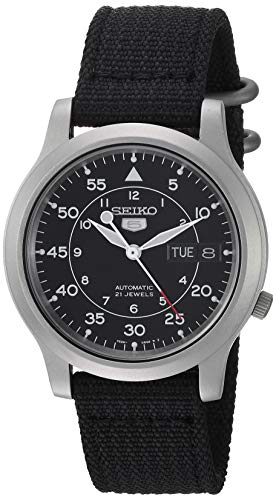
Dive and field watches are the rugged branch of the classic family. Divers bring a rotating bezel, strong lume, and 100 meter to 200 meter water resistance; field watches bring small tough cases, bold Arabic numerals, and military heritage.
Both shrug off knocks, rain, and weekend work that would scar a dress watch. The trade off is thickness and a more casual character that may fight a formal suit. Choose this type if one watch must handle the office, the trail, and the pool without complaint.
Solar Watches
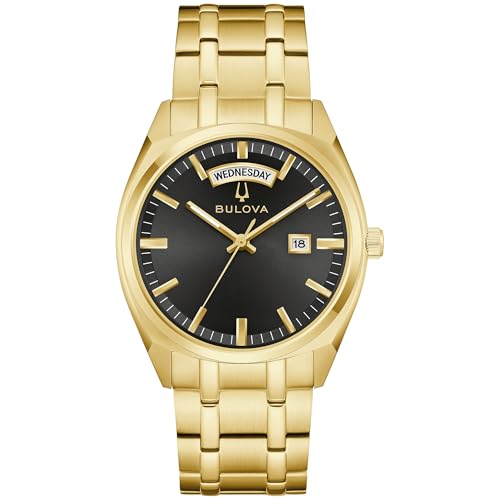
A solar watch runs a quartz movement on light, storing energy in a rechargeable cell that can last a decade or more. It looks completely classic, since the dial itself often serves as the solar panel, and it asks almost nothing of you: wear it, leave it near a window now and then, and it keeps near perfect time. Accuracy beats any mechanical watch, and there are no battery swaps for years. Choose this type if you want classic looks with the least upkeep of any option here.
Automatic Watches
An automatic watch winds itself from your wrist motion and stores power in a mainspring, typically for about 38 to 80 hours depending on the movement. No battery, no charging, just gears, springs, and a smoothly sweeping seconds hand. The costs are real: accuracy drifts by seconds per day, the watch stops if left unworn, and servicing every five to seven years is part of ownership. Choose this type if the mechanical ritual itself gives you pleasure, because that pleasure is most of what the extra money buys.
Smartwatches vs Dive and Field Watches: Which Should You Choose?
These two types pull in opposite directions. On battery life, the dive or field watch wins by years against days. On information, the smartwatch wins easily, adding GPS routes, messages, and health data no classic watch can match.
On durability in water, a true dive watch with a screw down crown beats most smartwatches, whose ratings assume gentle use. On style longevity, the classic wins again, since its design predates software cycles. On daily convenience, the smartwatch answers calls from your wrist but demands a charger on every trip.
The verdict follows your routine. Pick the smartwatch if connected features shape your day and you accept replacing it within several years. Pick the dive or field watch if you want one durable object that works everywhere for a decade. Many owners end up with both, wearing the smartwatch for training days and the classic for everything else, which is a sensible split rather than a compromise.
How to Choose the Right Classic Watch
Movement Type: Quartz, Automatic, Solar, and Smart
Movement decides accuracy, upkeep, and price more than any other factor. Quartz is cheapest and most accurate, automatic is the traditional craft choice with periodic service costs, solar removes battery changes while keeping quartz precision, and smart movements add computing at the cost of charging and obsolescence. Match the movement to your habits: a watch worn daily suits automatic, a watch worn weekly suits quartz or solar, and a watch expected to inform you all day suits smart.
Strap and Bracelet Options
Straps transform a classic watch more cheaply than any other change. Leather reads formal, steel reads professional, nylon reads casual and outdoorsy, and silicone reads sporty. A quick release strap system uses small levers on the spring bars, so you can swap looks without tools or scratches.
Check lug width before buying spares, with 18 mm, 20 mm, and 22 mm being the common sizes. If you are building a wardrobe around classic styling, the best classic style watches page shows how strap and dial choices shift an outfit.
Crystal and Case Materials
Sapphire crystal is the upgrade worth paying for, because it resists the scratches that slowly cloud a watch you wear daily. Mineral crystal costs less and tolerates impacts slightly better, while acrylic scratches easily but polishes back and suits true vintage reissues. For cases, 316L stainless steel is the durable standard, titanium cuts weight noticeably for larger watches, and resin belongs on beaters you can afford to destroy. A brushed finish hides wear better than a fully polished case, which matters for a daily watch.
Smart and Fitness Features
Only smart models offer GPS, heart rate sensing, sleep tracking, and notifications, and those sensors are helpful for training but are not medical devices. If you want the data without the look, hybrid designs hide step tracking inside a normal dial. For everyone else, the absence of features is itself a feature: no buzzing in meetings, no charging cable on trips, and no app demanding updates. Be honest about which camp you live in, because paying for sensors you ignore is the most common waste in this category.
Setup and Care Tips
Care follows type. Service automatic watches every five to seven years so the lubricants and seals stay healthy. Rinse any watch in fresh water after saltwater exposure, including solar and quartz models, and dry the strap fully.
Store watches away from strong magnets, which can disturb mechanical movements, and keep solar models out of dark drawers for long stretches so their cells stay charged. Set the date on mechanical watches away from the late evening hours, when the date change gears are engaged and forcing them can cause damage.
Fit and budget finish the decision. Men comparing traditional sizing and dial layouts can browse the best watches for men classic selection, and women looking for smaller cases and finer straps will find focused picks in the best classic women's watches guide. If price is the tightest constraint, the best affordable classic watches roundup proves the classic look survives at low prices when you prioritize case shape and dial simplicity.
Frequently Asked Questions
What case size fits my wrist?
Most wrists look balanced with a case between 36 mm and 42 mm. Measure across the top of your wrist: if the watch lugs extend past both edges, the watch is too big regardless of fashion. Classic designs historically ran small, so a 38 mm case reads authentic on average wrists and suits both dress and casual wear. When between sizes, choose the smaller one; classic style rewards restraint.
How water resistant should a classic watch be?
A 30 meter rating handles rain and hand washing, 50 meters adds safe showering and shallow swimming for most designs, and 100 meters or more covers confident swimming and snorkeling. The number assumes fresh seals, so an older watch should be pressure checked before you trust it in water. Leather straps should stay dry at any rating, because leather degrades fast when soaked, even when the case itself is well sealed.
Is a smartwatch worth it over a classic watch?
It is worth it when notifications, GPS, and health tracking genuinely change your day, and when you accept charging and eventual software aging. A classic analog watch wins on permanence, simplicity, and style that never needs an update. If you mostly glance at your wrist for the time, the classic does that job better and cheaper. If your wrist is a second phone screen by necessity, the smartwatch earns its place.
How long does a watch battery last?
Standard quartz batteries last about two to three years, solar cells often run a decade before the rechargeable cell fades, and smartwatch batteries need charging every one to seven days depending on the model. Automatic watches have no battery at all. When a quartz seconds hand begins jumping every few seconds, that is a low battery warning, and you should replace the cell soon to avoid leakage damage inside the movement.
Quartz or automatic: which is better for a classic watch?
Quartz is better for accuracy, thin cases, and low cost, and it suits a watch you wear only on some days. Automatic is better for mechanical charm, a sweeping seconds hand, and the feeling of owning a small machine. Neither tells time in a way that will make you late if maintained, so choose with your heart and your service budget. Many collectors own both and rotate by mood.
The Bottom Line
Choose by type first and brand second. Decide how the watch is powered, quartz, automatic, solar, or smart, then set your water resistance and case size, then let style break the tie. That order keeps you from overpaying for looks on a watch whose upkeep annoys you daily.
The best classic looking watches share timeless faces, but the right one is the type you will still enjoy maintaining in five years. Check the product table above to compare types and prices side by side.