
Best Classic Women's Watches: How to Choose for 2026
Disclosure: We may earn a commission when you buy through links on this page, at no extra cost to you. As an Amazon Associate I earn from qualifying purchases. Learn more

The best classic women's watches explained by size, strap, movement, and price, with the checks that keep a small watch comfortable all day.
A classic women's watch is the one piece of jewelry that also has a job to do, so it has to read clearly, sit comfortably through a nine hour day, and still look right with a blouse, a sweater, or an evening dress. The best classic women's watches manage all three with a small set of design choices: a case between about 26 and 36 mm, a clean dial, slim hands, and a strap that tapers so the watch stays centered on the wrist.
This guide walks through those choices in the order that matters on the wrist: size and shape first, then strap, movement, dial, and price. The comparison table below gathers current options side by side, and the sections that follow explain what to check on each one before you order.


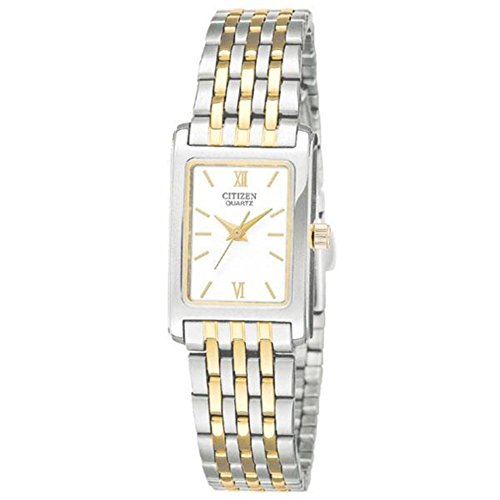
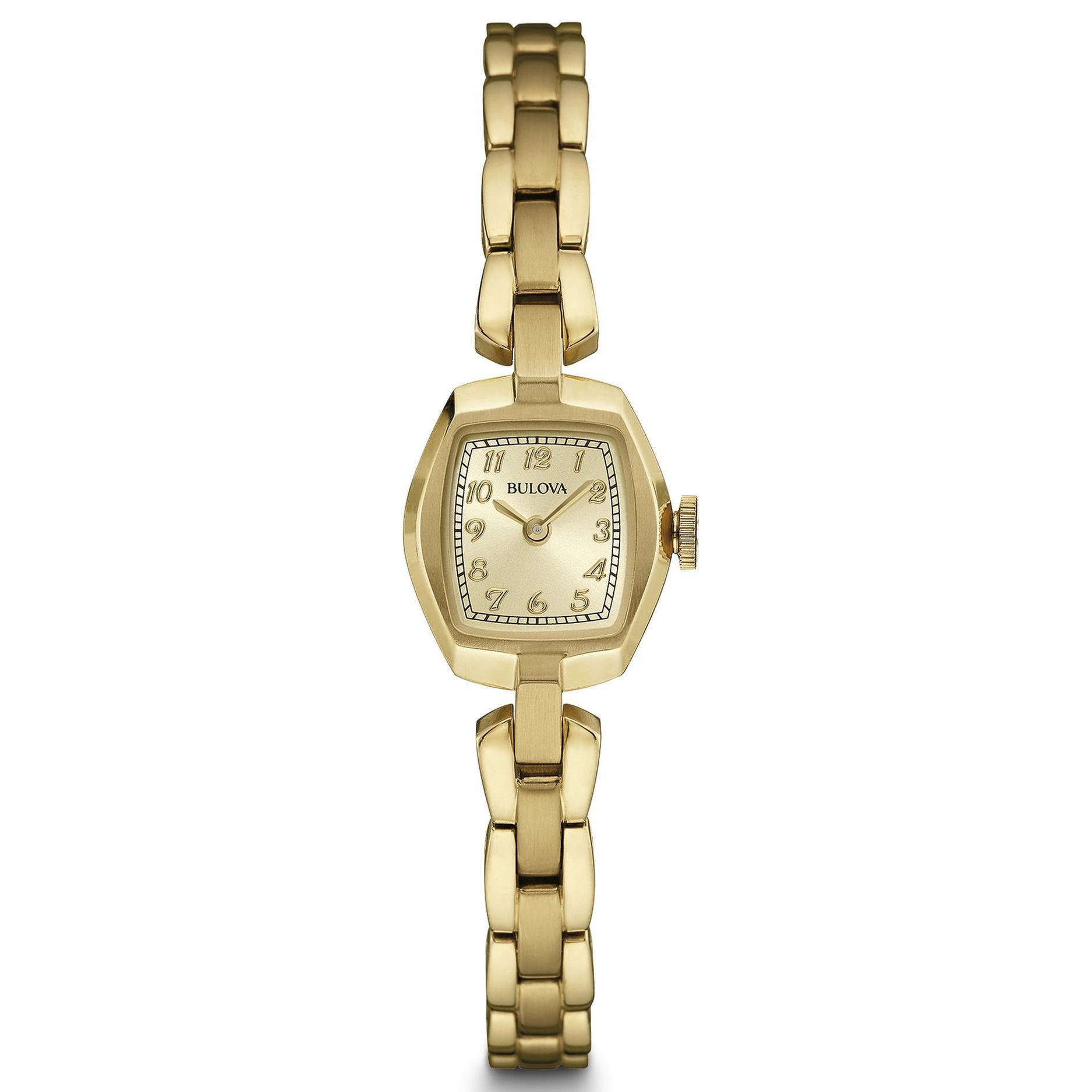


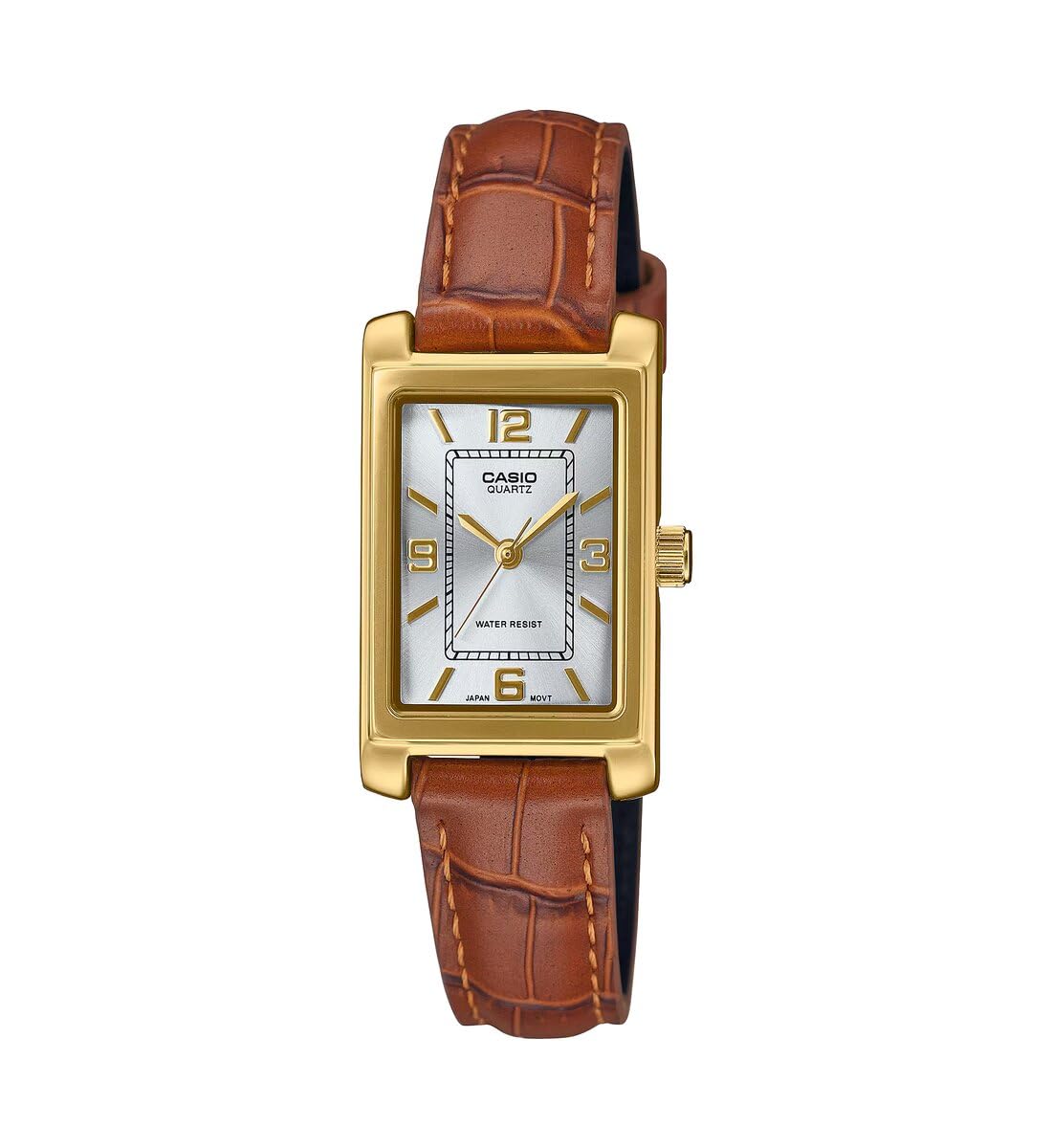

Sizes and Shapes That Read as Classic
Women's cases run smaller than men's, and the range is wider than many shoppers expect. A 26 to 30 mm round or oval case gives the traditional petite look that pairs with fine bracelets and tailored sleeves. A 32 to 36 mm case reads as modern classic and suits a larger wrist or anyone who wants an easier dial to read. Rectangular tank shapes, usually around 22 by 30 mm, sit flat under cuffs and look dressy without any decoration.
Lug to lug length matters as much as diameter. The lugs should stay inside the edges of your wrist when viewed from above, and the case should sit flat rather than rocking on a narrow bone. Thickness under about 8 mm slides under a fitted sleeve, while 9 to 10 mm still works with most knitwear. If a listing gives only the diameter, write to the seller or look for a photo on a wrist with a known size before you decide.
How to Choose Classic Women's Watches by Strap and Movement
Strap Width, Material, and Taper
Women's straps run narrow, often 12 to 16 mm at the lugs, and a strap that tapers toward the buckle keeps the watch from twisting around a small wrist. Leather in black, tan, or burgundy is the dress choice and feels light, but it dislikes water and hand lotion and usually needs replacing within one to two years of daily wear. A fine steel mesh or a link bracelet lasts for years and handles sinks and rain, at the cost of extra weight by late afternoon.
Check that the strap has enough holes or links to fit a wrist under six inches if yours is small, since a strap that only reaches the last hole will never feel secure. A quick release strap system lets you move between leather and steel in seconds, which turns one watch into a work piece and an evening piece without a second purchase.
Quartz, Solar, or Automatic
Quartz dominates classic women's watches because it keeps time within seconds a month, allows very slim cases, and needs only a new battery every two to three years. Solar quartz charges from daylight and removes battery changes entirely, which suits a single watch worn most days. Automatic movements wind from wrist motion and add a smooth sweeping seconds hand, but they make the case thicker and stop after a day or two off the wrist, so they suit daily wearers who enjoy mechanical craft rather than someone who wears a watch twice a week.
Dial Clarity and Finish
A small dial has little room, so every element must earn its place. Look for hands that reach the markers, a minute track you can actually see, and a date window only if you will use it. Mother of pearl dials are a classic choice and catch light beautifully, but the pale shimmer can hide silver hands in dim rooms, so favor dark or blued hands on a pearl dial. Roman numerals and slim batons both read as timeless; large printed Arabic numerals lean casual.
Diamond or crystal markers add sparkle and price. They suit an evening watch and a milestone gift, but they can snag knitwear and make a daily watch feel too formal for a desk. Sapphire crystal over the dial is worth paying for on any watch worn daily, since bags, desks, and bracelets scratch mineral glass faster than most people expect.
Three Classic Styles for Women
Most of the best classic women's watches fall into one of three looks, and knowing which one you want shortens the search.
The slim leather dress watch is the purest classic: a round or oval case near 28 to 32 mm, a white or cream dial, and a narrow leather strap. It is the right choice for office wear, interviews, and events, and it should be kept away from water.
The bracelet watch pairs a steel, gold tone, or two tone case with a matching link or mesh bracelet, often with a small date and sometimes crystal markers. It is the most practical daily option because it survives hand washing and never needs a strap change, and the metal tone can match your usual jewelry.
The tank or rectangular watch borrows its lines from early twentieth century designs, with Roman numerals and a flat profile that slides under any cuff. It looks dressy without stones and suits women who prefer a quiet, architectural style. Readers who want to see how these shapes compare across the whole category can see our guide to the best classic watches.
What Each Price Level Buys
Under about $100, you can get a reliable quartz movement, a slim alloy or steel case, mineral glass, and a leather look or basic steel strap. The look can be fully classic if the dial stays plain and the size suits your wrist, and the strap is the first thing to upgrade.
From about $100 to $400, expect solid steel cases with better polishing, sapphire crystal on many models, bracelets with solid links and a secure clasp, and solar or better quartz movements from established Japanese and Swiss makers. Most women buying one classic watch for years of daily wear will find the strongest balance here, and brand service in the United States becomes dependable.
Above about $400, the money goes to finer dials, applied markers, small automatic movements, precious metal accents, and long service support. Those who want the top of the range can read our guide to the best classic women's luxury watches for what that step adds. For a style led view that focuses on how a watch looks against different outfits, see our guide to the best looking women's watches.
Common Mistakes to Avoid
- Buying a case size from a photo on a hand model, since those wrists are often smaller than yours and the watch will wear larger than it looks.
- Choosing a leather strap for a job with constant hand washing, where steel or mesh would have lasted for years.
- Picking a mother of pearl dial with silver hands, then struggling to read the time in a restaurant.
- Paying for an automatic movement in a watch you wear once a week, so it is stopped every time you reach for it.
- Ignoring the strap length, so the smallest hole still leaves the watch sliding around a narrow wrist.
Care for a Classic Women's Watch
Wipe the case and bracelet with a soft dry cloth after a long day, and keep perfume and hand cream away from leather straps, since both stain and stiffen the leather. Rinse a steel bracelet in fresh water after a day at the beach if the water rating allows it, then dry every link. Store the watch in a soft pouch or its box rather than loose in a jewelry dish, where rings and chains scratch the crystal.
Replace a quartz battery as soon as the watch loses time or stops, and ask for the seals to be checked at the same visit so the water rating stays honest. Automatics need a service about every five to seven years. Keep the box, papers, and any spare links together for sizing changes and for resale later.
Frequently Asked Questions
What size classic watch suits a small wrist?
A wrist under six inches usually looks balanced with a 26 to 30 mm case and a lug to lug span under 36 mm. Wrists around six to six and a half inches carry 30 to 34 mm well, and larger wrists can wear 36 mm while still looking classic. Keep the lugs inside the edges of your wrist and favor the smaller size when torn between two.
Is a steel bracelet or a leather strap better for daily wear?
Steel is better for daily wear because it handles water, soap, and sweat and never needs replacing. Leather is lighter and dressier but should be rested between wears and replaced every one to two years of daily use. Many women keep a bracelet watch for weekdays and swap to leather for evenings, which quick release spring bars make simple.
Can I wear a classic women's watch every day?
Yes, as long as the water rating and strap suit your routine. A 50 meter rating covers hand washing and rain, and a steel or mesh bracelet survives daily knocks better than a slim leather strap. Choose sapphire crystal if the watch will share a wrist with bracelets or sit on a desk all day.
Quartz or automatic for a women's classic watch?
Quartz is the practical answer for most women because it allows the slimmest case, the lightest weight, and almost no upkeep. An automatic suits someone who wears the watch most days and enjoys the mechanical side, and accepts a thicker case and a service every five to seven years. Both can look equally classic.
What makes a women's watch classic rather than trendy?
A classic watch uses modest size, a clean dial, slim hands, and a strap or bracelet in a neutral tone, with no oversized logo or seasonal color. Trend pieces rely on bold cases, bright straps, and heavy decoration that date within a few years. If the design would have looked right decades ago and still looks right today, it passes.
Final Thoughts
Choose the case size and shape that fits your wrist and your sleeves first, then pick a strap material that matches how you spend your days, and let the movement follow your wearing habits. A clear dial and sapphire crystal matter more than stones or a famous logo. Compare the best classic women's watches in the product table above with those checks in mind, and the right one will be the watch you reach for without thinking.


