
Best Classic Style Watches in 2026: Which Type Is Right for You?
Disclosure: We may earn a commission when you buy through links on this page, at no extra cost to you. As an Amazon Associate I earn from qualifying purchases. Learn more

Compare the best classic style watches by type, movement, case size, and price tier with a clear buying guide to help you choose with confidence.
Classic styling sounds simple until you start shopping and find dive watches, field watches, dress watches, and smart models all using the same word. The cases, movements, and daily demands behind those labels are very different. This guide compares the best classic style watches by type so you can match the watch to your wardrobe, your routine, and your budget.
Use the comparison table below to see the main types side by side, then read the sections that follow for the trade offs that a short spec list cannot show. A watch you enjoy wearing every day beats a watch that only looks right in photos.


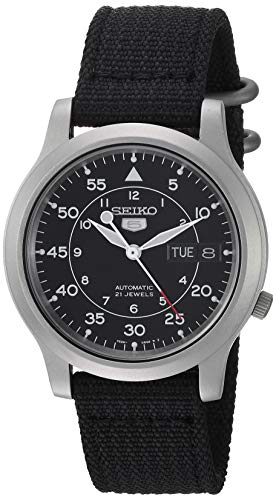


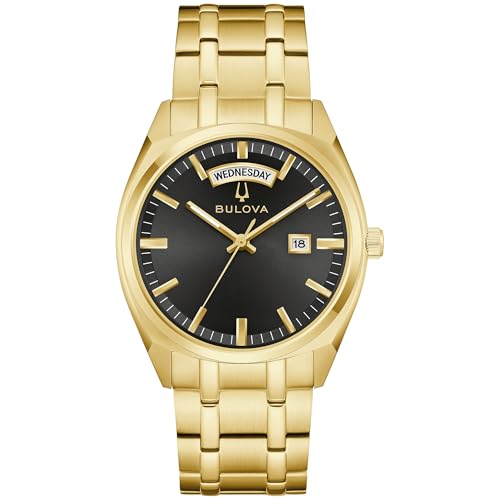

Types of Classic Style Watches Compared
Four broad types cover most of the best classic style watches. Dive and field watches bring toughness and clear dials. Automatic watches bring mechanical craft and a smooth sweeping second hand. Smartwatches bring notifications and health tracking behind a classic looking face.
Quartz watches bring accuracy and low upkeep at the lowest prices. Price tiers overlap a lot, so type and movement matter more than price alone when you compare options in the product table above.
Dive and Field Watches
Dive watches use rotating bezels, strong lume, and water resistance of 100 meters or more so you can swim and time short intervals with confidence. Field watches use simple Arabic numerals, matte cases, and tough straps built for outdoor wear and easy reading at a glance. Both styles pair well with casual clothes and hold up to knocks, rain, and weekend work.
The trade off is thickness and weight. Many dive models sit tall on the wrist and slide poorly under a dress shirt cuff. Choose this type if durability and legibility matter more to you than a slim profile, and check the case diameter and lug to lug length before you buy.
Automatic Watches
An automatic movement winds itself from the motion of your wrist and stores power for roughly one to two days off the wrist. You get no battery changes and a second hand that moves in small steps rather than one tick per second. Owners often value the craft, the weight, and the way the watch feels alive during daily wear.
The costs are accuracy and service. Expect drift of several seconds per day and a professional service about every five to seven years. If you rotate several watches, you will reset the time often. Choose an automatic if you enjoy mechanical objects and accept that upkeep as part of ownership.
Smartwatches
Smartwatches with classic faces pair round cases and traditional looking dials with phone notifications, GPS, and activity tracking. They suit busy days when you want alerts on your wrist and workout data without wearing a sporty square case. Battery life ranges from one day to about two weeks depending on the screen and features you use.
The limits are lifespan and charging. Software support ends after some years and a dead battery makes the watch useless until you charge it. Health features support general fitness goals and do not replace medical devices or medical advice. Choose this type if digital tools matter more than decades of service.
Quartz Watches
Quartz movements use a battery and a quartz crystal to keep time with excellent accuracy, often within a few seconds per month. They allow thin cases, low prices, and almost no day to day attention beyond a battery change every two to three years. Classic dress and tank shapes most often use quartz because slimness matters more than mechanical craft in those designs.
The main drawback is feel. The ticking second hand and light case can seem plain next to an automatic. Battery changes also need care so the case seals stay clean. If you want a watch that is ready every morning, readers comparing the best classic watches will often find quartz is the practical answer.
Dive and Field Watches vs Automatic Watches: Which Should You Choose?
These two labels overlap because many dive and field watches contain automatic movements, so compare them by use first and movement second. For water, shock, and outdoor wear, a dive or field design with a screw down crown and strong lume wins. For office wear and mechanical charm, a slimmer automatic dress design wins because it fits under cuffs and looks calmer with formal clothes.
On accuracy, quartz versions of dive and field watches beat automatics. On long term value, a well kept automatic from a respected brand often holds interest better. On upkeep, automatics need service while quartz needs batteries.
On size, field watches often wear smaller and lighter. Pick the one that matches your most common day, not your rarest adventure, and see our guide to the best style watches if you want more on matching a watch to outfits.
How to Choose the Right Classic Style Watch
Start with fit, then movement, then water resistance, then materials. A watch that is too large will sit in a drawer no matter how good its specs look. Measure your wrist, note the lug to lug length, and remember that a dark dial and thin bezel make a watch look larger than the numbers suggest.
Water Resistance Rating
A 30 meter rating means splash resistance only, so remove the watch before showering or swimming. A 100 meter rating covers swimming and snorkeling in most cases, while 200 meters adds margin for diving style use and rough water. Ratings assume seals in good condition and crowns pushed in or screwed down as designed.
Heat, soap, and age weaken seals, so have a watch pressure checked after a battery change or case opening. If you swim weekly, treat 100 meters as your floor. If the watch is for dress wear only, 30 meters is fine as long as you keep it dry.
Movement Type (Quartz, Automatic, Solar, Smart)
Quartz gives the best accuracy per dollar and the least effort. Automatic gives craft and a battery free life in exchange for service costs and daily wear to keep it running. Solar charges from light and removes battery changes for many years, which suits a single watch wardrobe. Smart adds apps and tracking but demands regular charging.
Think about your routine honestly. If you sit at a desk and move little, an automatic may stop overnight unless it has a strong power reserve. If you travel often, a quartz or solar watch avoids resetting after it stops. Movement choice shapes ownership more than any other single decision.
Brand Reputation, Warranty, and Value
Established brands offer clearer warranty terms, spare parts, and service networks in the United States, which matters when a crown or crystal needs work years later. A two year warranty is common, and longer coverage signals confidence. Resale value is a bonus, not a plan, so buy the watch you will wear rather than one you hope will gain value.
Check who honors the warranty and where service happens before you buy. A low price from a seller without brand backing can cost more at the first repair. For a closer look at traditional designs for men, see our guide to the best watches for men classic styles and how their sizing differs.
Crystal and Case Materials
Sapphire crystal resists scratches far better than mineral glass and is worth paying for if you wear the watch daily or work with your hands. Mineral glass costs less and resists shattering a bit better, while acrylic scratches easily but can be polished. Most classic cases use 316L stainless steel, which balances strength, weight, and cost well.
Titanium feels much lighter and suits larger cases or sensitive skin, though it shows surface marks more easily. Gold tone and rose tone finishes are coatings on many affordable watches, so ask how the finish is applied. A brushed finish hides small marks better than a fully polished case.
Care and Maintenance Tips
Service an automatic watch about every five to seven years, or sooner if timekeeping changes suddenly. Rinse any watch that has been in salt water with fresh water once you confirm its rating allows that exposure, then dry it with a soft cloth. Store watches away from magnets in phones, speakers, and bag clasps because magnetism can make a mechanical watch run fast.
Wipe leather straps after hot days and rotate straps to reduce wear and odor. Keep quartz watches running rather than storing them with dead batteries inside, since old batteries can leak. A simple watch box away from direct sun protects dials, lume, and straps for years. If you love rectangular dress shapes, our guide to the best tank style watches covers sizing for slimmer wrists in more detail.
Frequently Asked Questions
What case size fits my wrist?
Most wrists between about 6 and 7 inches suit cases from 36 to 40 mm with a lug to lug length under 48 mm. Try to keep the lugs inside the edges of your wrist. Thickness matters too, since a tall 38 mm watch can wear larger than a slim 40 mm one. When in doubt, choose the smaller size for classic styles.
Quartz or automatic: which is better?
Neither is better for everyone. Quartz wins on accuracy, price, and low effort, while automatic wins on craft, feel, and battery free ownership.
Your routine decides the answer. If you will wear one watch daily and enjoy mechanical things, automatic suits you. If you want grab and go ease, quartz is the smarter buy.
Is a smartwatch worth it over a classic watch?
A smartwatch is worth it if notifications, GPS runs, and sleep tracking will change your daily habits. It is not worth it if you only want the time and a classic look, because charging and software limits add friction. Many owners end up with both, using the smart model on busy or active days and a classic watch for evenings and events.
How water resistant should a watch be?
Choose at least 100 meters if you swim, shower, or do dishes while wearing the watch. A 30 meter rating only covers splashes and rain. Ratings are set under calm controlled conditions, so real world movement in water adds pressure. When a watch ages or gets serviced, have its seals checked to keep the rating honest.
How long does a watch battery last?
Most quartz batteries last about two to three years, though models with extra features can run shorter. Solar watches avoid routine changes because light recharges the cell during normal wear. When a second hand starts jumping in long steps, that often signals a low battery. Replace it promptly and ask for a seal check at the same visit.
Wrapping Up
Fit, movement, and water resistance decide almost every good purchase in this category. Pick the type that matches your normal week, confirm the lug to lug length suits your wrist, and choose sapphire if the budget allows it. Readers who want rugged classic looks can also see our guide to the best military style watches for field inspired options.
When you are ready, compare the best classic style watches in the product table above and choose the one you will reach for most mornings. That habit, more than any spec, is what makes a watch a good buy.


