
Best Affordable Classic Watches 2026: A Buying Guide
Disclosure: We may earn a commission when you buy through links on this page, at no extra cost to you. As an Amazon Associate I earn from qualifying purchases. Learn more

The best affordable classic watches pair clean dials and comfortable straps with simple movements that suit work and weekends.
A classic watch earns its place by looking right for decades: a clean round case, a clear dial, simple hands and a strap that suits both a shirt and a sweater. The best affordable classic watches deliver that timeless look at a price that leaves room in the budget for a second strap. This guide explains the details that separate a refined everyday watch from one that only looks good in a photo.
Use the product table below the introduction for a quick view of current choices, then read on for the features, price bands and care habits that matter most when you wear one every day.

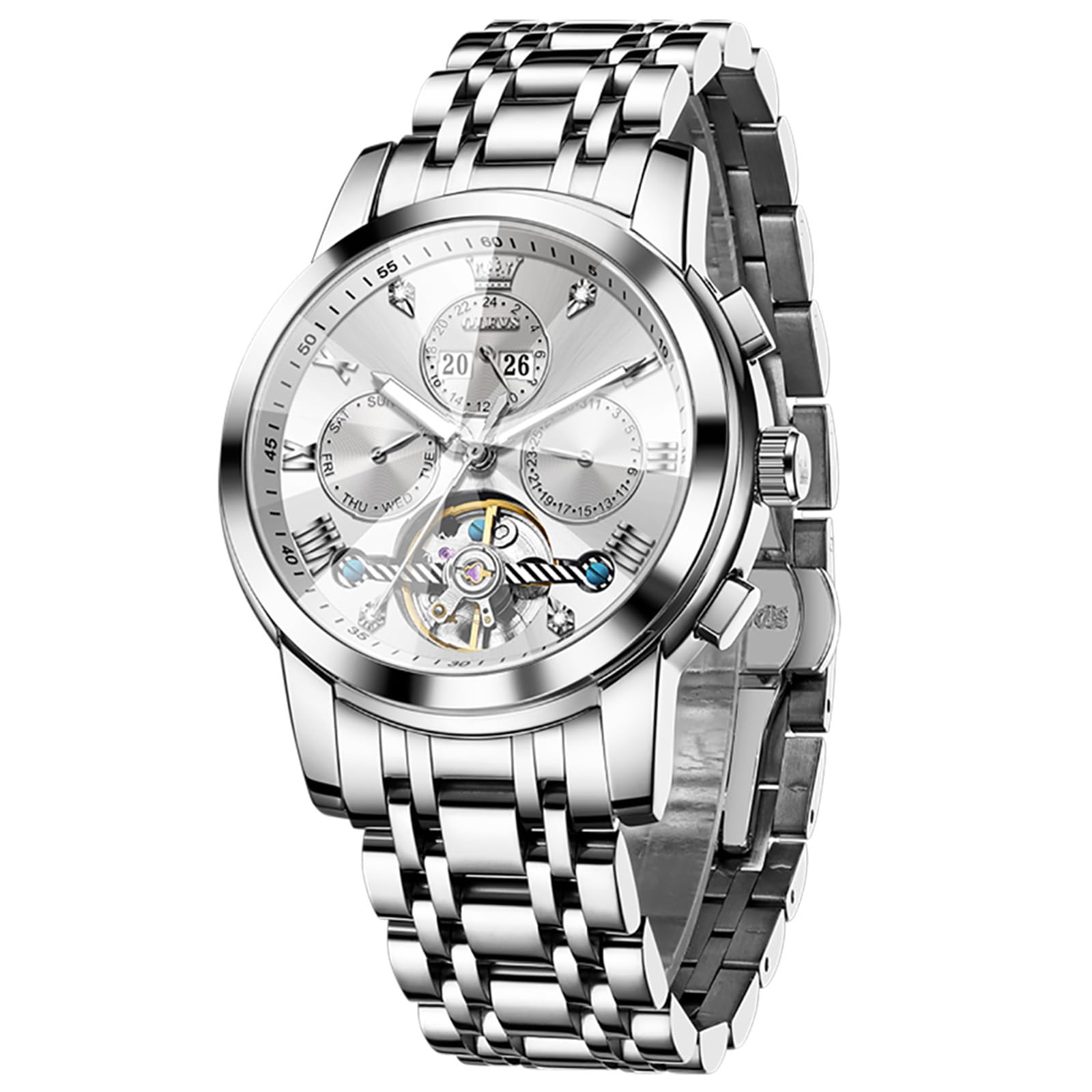


Who Affordable Classic Watches Suit
Classic styling suits first time watch buyers who want one dependable piece, office wearers who need something understated with formal clothes, and gift buyers who want a design that will not date. It also suits anyone who prefers a simple dial to a screen full of notifications.
Think about the longest part of your day. If you sit at a desk, a slim case that slides under a cuff matters. If you are on your feet and outdoors, a sturdier strap and better water resistance matter more. Choose the watch for your hardest day, not your easiest.
Key Features Explained in Plain Language
Case Size and Thickness
Classic watches usually sit between 34 and 40 millimeters across. A smaller case looks refined and suits slim wrists, while 38 to 40 millimeters fits most men's wrists comfortably. Thickness matters as much as width, because a slim case slips under a cuff and feels lighter all day.
Dial Clarity
A classic dial uses simple markers, thin hands and good contrast. Roman numerals look traditional, while baton or Arabic markers read faster. A date window is handy, but a clean dial without one often looks more elegant. Check that the hands do not blend into the dial in low light.
Strap and Bracelet
Leather looks classic and softens with wear, but it needs replacing every year or two. A steel bracelet is more durable and works with all outfits, but it should have solid links and a secure clasp. Quick release spring bars make swapping straps easy, which is a cheap way to refresh a watch.
Movement Type
Quartz movements are accurate, cheap to maintain and ideal for most buyers. Automatic movements add mechanical charm and a visible rotor on some models, but they need winding through wear and occasional servicing. At an affordable price, quartz is usually the safer choice, while automatics suit people who love the craft.
Crystal and Water Resistance
Mineral crystal is common and resists everyday scratches reasonably well. Sapphire is far tougher but costs more. For water resistance, 30 meters handles splashes only, 50 meters suits hand washing and rain, and 100 meters allows swimming. Never press buttons or crowns underwater unless the maker says it is safe.
Spending Smart: Where Your Money Goes Furthest
Simple, well finished watches often look more expensive than busy designs, so spend on finish rather than extra complications.
- Under $60: quartz movements with basic cases and leather or steel straps, fine for casual wear.
- $60 to $150: better case finishing, tougher crystals and more reliable straps.
- $150 to $250: well known movements, refined dials and bracelets with a feel closer to higher priced watches.
When you compare the best affordable classic watches, look closely at the dial, the clasp and the case edges. Those details show care in manufacturing more reliably than a long feature list.
Care and Everyday Use
Wipe the case and strap after wear, keep the watch away from strong magnets, and have seals checked every couple of years if you swim with it. Store leather straps away from damp places, and let a leather strap rest between wears. Replace the battery promptly when the watch slows, because a dead battery can leak and damage the movement.
For an automatic, wear it regularly or use a winder, and plan on a service every five to seven years.
Common Mistakes to Avoid
- Buying a case that is too large for your wrist, which looks heavy and catches on sleeves.
- Choosing a dial that is hard to read because hands and markers blend together.
- Ignoring the strap, even though it carries half of the look and most of the comfort.
- Paying extra for features such as extra subdials that clutter a classic design.
- Skipping the return policy, which protects you if the size or color looks different in person.
Related Guides
For more style options, read our guide to the best looking affordable watches. Shoppers with a higher budget can see the best classic watches, and those comparing wider options can read the best affordable wrist watches and the best affordable watches for men. If you want notifications, compare the best affordable smart watches.
Pairing a Classic Watch With Your Wardrobe
A classic watch works with almost everything, but a few simple choices make it look more deliberate. Match the strap to your belt and shoes for formal outfits: brown leather with brown shoes, black with black. A steel bracelet suits both a suit and jeans, so it is a safe pick if you own only one watch.
Dial color also matters. White and cream dials feel traditional and bright, black dials look sharper in the evening, and blue or green dials add a quiet touch of color. Gold tone cases suit warm, dressy outfits, while steel is the flexible choice for daily wear.
Questions to Ask Before You Choose
Ask yourself whether you want a date window, whether a metal bracelet or a leather strap suits your routine, and whether you need water resistance for more than rain. Then decide your maximum budget and stick to it, because choices multiply quickly once you start browsing.
Frequently Asked Questions
What case size suits a classic watch?
Most wrists suit 36 to 40 millimeters. Smaller wrists look best at 34 to 36 millimeters, and larger wrists can carry 40 to 42 millimeters. Check lug to lug length as well, since long lugs can overhang a small wrist.
Is quartz or automatic better for a classic watch?
Quartz is better for accuracy, low cost and no upkeep. Automatic is better if you enjoy mechanical movements and plan to wear the watch often. At an affordable price, quartz is the simpler choice.
How much should I spend on a classic watch?
A range of about $60 to $200 covers most good everyday options. Spend more where it improves finish, strap quality or crystal, and save where a feature changes little in daily use.
Leather or metal strap?
Leather suits dress outfits and feels light, while metal lasts longer and handles water better. Many people own one watch with both, switching straps by occasion.
How do I look after a classic watch?
Wipe it with a soft cloth, avoid heat and magnets, rinse after salt water, and keep leather dry. Have a professional check the seals if you rely on water resistance.
Final Thoughts
A classic watch should be simple, readable and comfortable enough to forget you are wearing it. Check size, dial clarity and strap quality first, and compare the picks in the product table above against your wrist and your wardrobe. With those checks in hand, the best affordable classic watches become easy to spot, and the right one will look good for many years.


