Best Clog Sandals: A First Time Buyer's Guide for 2026
Disclosure: We may earn a commission when you buy through links on this page, at no extra cost to you. As an Amazon Associate I earn from qualifying purchases. Learn more
New to buying clog sandals? Our simple guide to the best clog sandals explains the basics, key specs, and smart tips so your first purchase is the right one.
A clog sandal looks simple, yet small choices in fit, material, and sole shape decide whether you wear a pair daily or leave it by the door. This guide explains the basics in plain language, then walks through the specs that matter for comfort. If you are hunting for the best clog sandals for your routine, the comparison table below is a handy starting point while you learn how to judge each option on your own terms.
By the end, you will know how a clog sandal should fit, which materials suit wet or dry days, and how long a good pair should last. No jargon, no pressure, just clear steps for a first purchase you can feel good about.





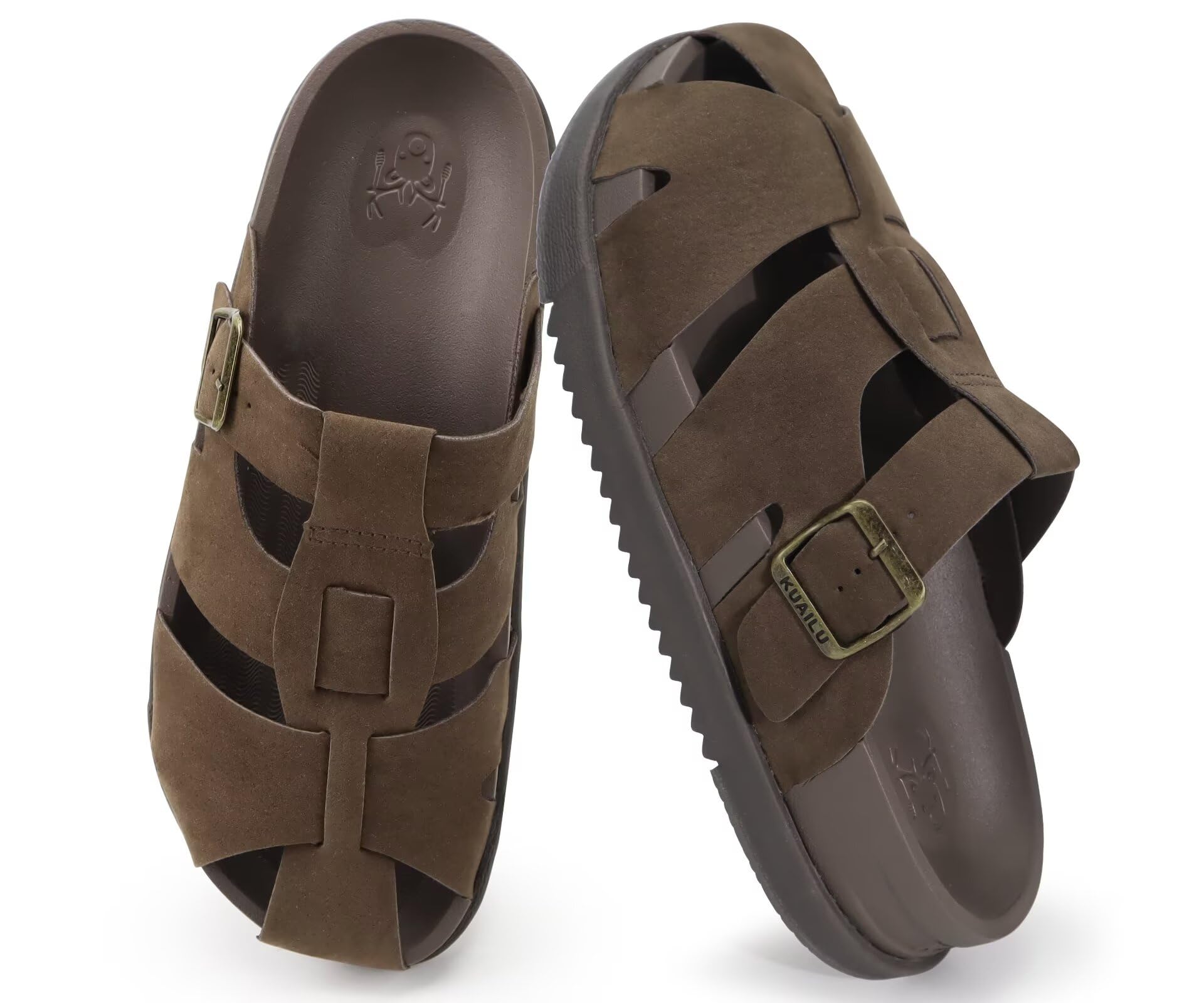

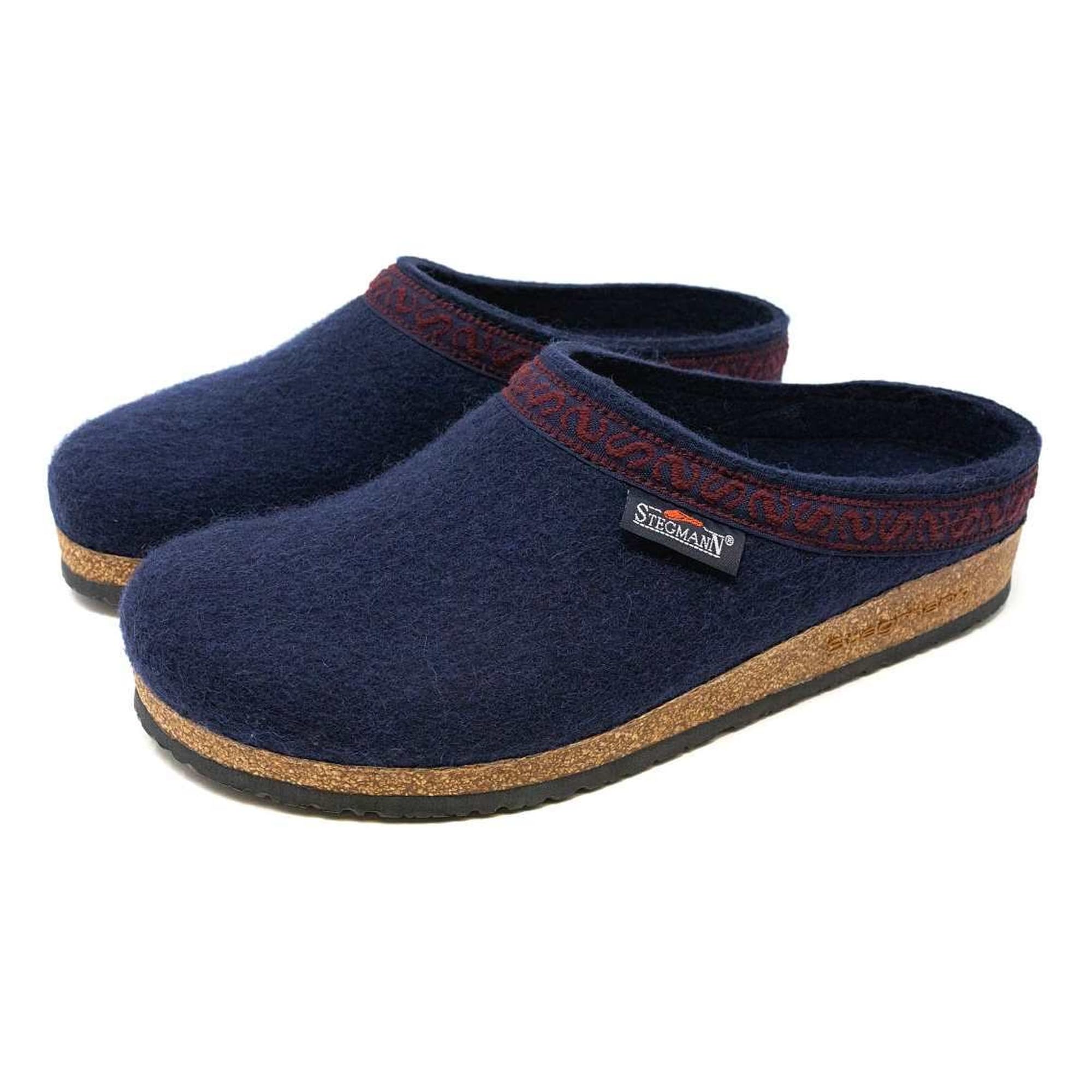
Clog Sandals 101: The Basics
A clog sandal blends two ideas. The front comes from the classic clog, with a closed or partly closed toe area that shields your feet, while the back stays open or uses a strap like a sandal, so air flows and the shoe slips on fast. Most pairs sit on a shaped footbed that cradles the heel and supports the arch, which is why many people reach for them for errands, garden work, and long shifts on hard floors.
A few terms help as you shop. The toe box is the space around your toes, and a roomy one prevents rubbing. The footbed is the molded surface your sole rests on, and the outsole is the bottom layer that grips the ground.
Heel to toe drop describes how much higher the heel sits than the toes, and a modest drop feels natural for most walkers. Stability describes how little the shoe twists, and cushioning describes how softly it absorbs each step.
Key Specs Explained in Plain English
Fit, Sizing, and Toe Box
Measure your feet in the afternoon, when they have spread a little from the day, and match that length to the brand size chart rather than guessing from your trainer size. Your toes should rest flat with a small gap ahead of the longest toe, and they should never press the front or curl to fit. A wide toe box suits most clog styles, because the closed front can feel tight on broad feet. If you fall between sizes, size up when the footbed is molded, since a heel that lands in the heel cup matters more than a little extra length.
Upper Materials and Breathability
Uppers come in leather, molded foam, fabric, and knit styles, and each behaves in its own way. Leather looks polished, molds to your foot over time, and needs basic care to stay supple. Molded foam feels light, rinses clean, and shrugs off water, which suits gardens and pool decks.
Fabric and knit uppers breathe well on hot days but dry slowly after a soaking. Breathability matters most if your feet run warm, so look for vents, perforations, or an open back design when summer heat is your main concern.
Waterproofing (Gore Tex and Membranes)
True waterproof membranes, including Gore Tex style linings, appear far more often in closed shoes than in clog sandals, because the open back lets water in anyway. For this category, water resistance is the more honest goal. Molded foam and treated leather shed splashes and rinse mud away with ease, while fabric uppers soak through and need drying time.
A membrane also traps heat, so skip heavy waterproofing unless you truly walk in steady rain. For beach and garden use, quick drying beats sealed construction every time.
Break In Period and Comfort Out of the Box
Most foam and fabric clog sandals feel comfortable right away, with little more than a few short wears needed. Leather pairs ask for patience, often a week or two of short outings, as the upper softens and the footbed takes the shape of your sole. Mild pressure at first is normal, but sharp pain, blisters, or numb toes signal a poor fit rather than a pair that needs more time. Wear new pairs at home first, where you can swap them out if a hot spot starts to form.
Weight and Flexibility
A light pair reduces leg fatigue on busy days, and foam designs often weigh far less than thick leather and wood styles. Flexibility is the other half of the story. A sole that bends a little at the ball of the foot walks naturally, while a very stiff sole protects against sharp stones and suits long standing more than long walking.
Pick based on your day. Short trips and travel favor light and flexible, while work on concrete favors a firmer, more supportive build even at extra weight.
Durability and Expected Lifespan
A well made pair worn daily often lasts one to two years before the cushioning packs down and the outsole smooths out. Rotating two pairs extends the life of both, because foam recovers between wears. Watch the tread depth, the feel of the footbed, and any cracks where the upper meets the sole, since those signs show up before a pair fully gives out.
The often quoted 300 to 500 mile figure belongs to running shoes, but the same idea applies here. Once support fades, comfort fades with it.
Picking the Right Clog Sandals for Different Uses
Best Clog Sandals for Beach
For the best clog sandals for beach days, choose molded foam or another material that ignores salt water and rinses clean of sand. A textured outsole grips wet boardwalks, and drainage or vent holes stop the footbed from holding water. Skip leather here, since salt and sun dry it out fast. A back strap also helps, because loose pairs can slip off in soft sand or shallow surf.
Best Lady Clog Sandals: Tips for First Time Buyers
Shoppers comparing best lady clog sandals should check width first, because many styles run narrower than unisex designs. A contoured footbed with real arch support suits long days better than a flat fashion sole, and a modest heel height keeps the pair stable for walking. Neutral colors stretch a wardrobe further, while a padded strap prevents the rubbing that slimmer straps can cause on a first full day out.
Rookie Mistakes to Avoid
- Buying by looks alone. A cute pair with a flat footbed can leave your arches aching after one long afternoon.
- Ignoring the back strap fit. A loose strap lets the heel slap, while a tight one pushes your toes into the front.
- Wearing a brand new pair all day. Even soft styles deserve a few short wears first, so small fit issues show up at home.
- Choosing fabric for wet jobs. Garden and kitchen work call for materials that rinse clean, not uppers that stay damp for hours.
- Skipping the size chart. Sizing varies a lot between brands, and your usual number is only a rough guess here.
Getting Started: Setup and First Use
When your pair arrives, wear it indoors on clean floors for an hour, and check for rubbing at the toes, the strap line, and the arch. Walk on both carpet and hard floor, because a footbed that feels fine on carpet can feel far firmer on tile. Adjust any strap so your heel stays in the heel cup without your toes gripping to keep the shoe on.
Care is simple. Rinse foam pairs with mild soap and water, and air dry wet shoes away from direct heat, since heat can warp foam and crack leather. That same air dry rule protects any footwear, and it pairs well with the rotation habit mentioned earlier.
When the tread wears smooth or the footbed stops springing back, plan a replacement rather than pushing through sore feet. For a wider view of the category, our guide to the best rated sandals shows how clog styles compare with open designs.
Clog Sandals: Your Questions Answered
Do I need waterproof shoes?
Most buyers do not need fully waterproof clog sandals. The open back design lets water in regardless of the upper, so water friendly materials matter more than sealed membranes. Choose molded foam for wet settings and leather for dry ones. If you often walk through puddles, a closed shoe serves you better than any sandal style.
How long is the break in period?
Foam and fabric pairs usually need only a day or two of short wears. Leather pairs can take one to two weeks, worn a few hours at a time, before the upper relaxes. One useful trick is to wear thick socks at home for the first few sessions, which eases pressure points without forcing a full day in a new pair.
How should clog sandals fit?
They should fit with your heel seated in the heel cup, your arch resting on the raised support, and a small space ahead of your toes. Your foot should not slide forward when you walk downhill or on a slope. If your toes grip to hold the shoe on, the size or strap setting is wrong, and a change will save you sore feet later.
How often should I replace my clog sandals?
Replace them when the tread looks smooth, the footbed feels flat, or your feet tire faster than they used to in the same pair. For daily wear that often means every one to two years. A simple check helps.
Press a thumb into the footbed. If it stays dented and feels dead rather than springy, the cushioning has given its best miles.
Are expensive clog sandals worth it?
Higher prices can buy better leather, a more carefully shaped footbed, and stronger stitching, and those gains matter for daily wear. Budget pairs still serve well for light use like garden trips. Readers with arch pain may also want to see our guide to the best sandals for plantar concerns, where support features get a closer look. Pay for support and materials, not for a logo.
Can I wear them all day?
Yes, if the pair fits well and the footbed supports your arch, many people wear clog sandals for full workdays and travel days. Start with shorter outings, add time gradually, and sit breaks help during the first week. If you plan long city walks, compare your options with our guide to the best sandals for guys for walking focused features, and note that men can also browse the best men clog sandals page for male specific sizing notes.
Our Verdict
Fit, footbed support, and the right material for your setting are the three checks that matter most. Get those right and nearly any well made pair will serve you well, from quick errands to long shifts. Look back at the product table above, match a pair to your main use, and choose the best clog sandals for your feet with confidence.