Best Clog Shoes 2026: A Practical Buying Guide
Disclosure: We may earn a commission when you buy through links on this page, at no extra cost to you. As an Amazon Associate I earn from qualifying purchases. Learn more
Clog shoes guide: fit, heel security, sole grip and comfort checks for work, home and garden wear every day for confident everyday buying decisions.
Clogs look alike on a shelf and behave very differently on a kitchen floor, a garden path or a twelve hour shift. The best clog shoes hold your heel steady without a strap, support your arch through a long day, and grip the surfaces you actually walk on. This guide explains how to judge fit, heel security, sole grip and materials so you can compare options on facts rather than on photos, and the comparison table below sets the main types side by side.
Start from your routine rather than from a style. A nurse on sealed floors, a gardener in wet soil and someone who wants an easy shoe for errands each need a different clog, and the sections that follow show how the choice changes for each.






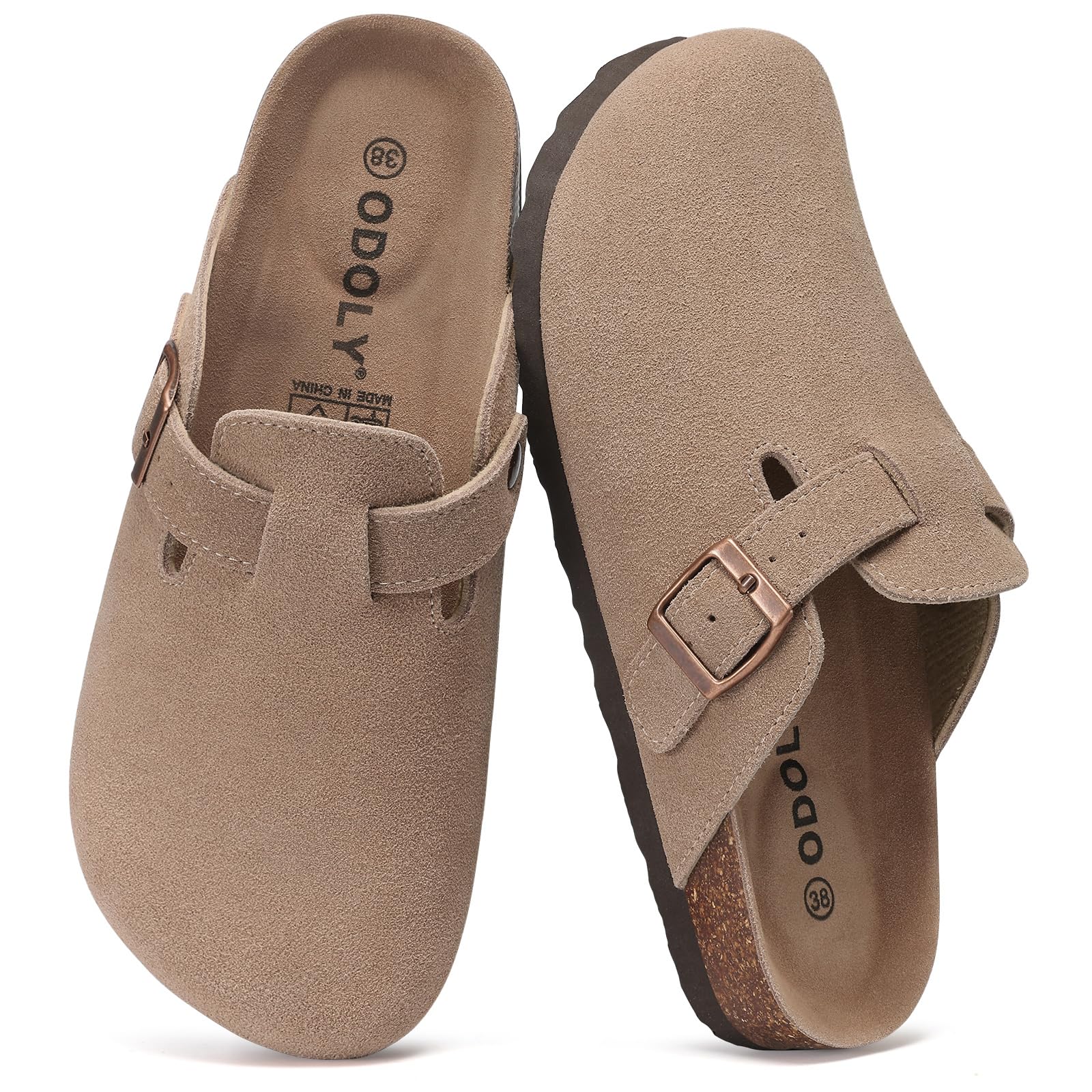
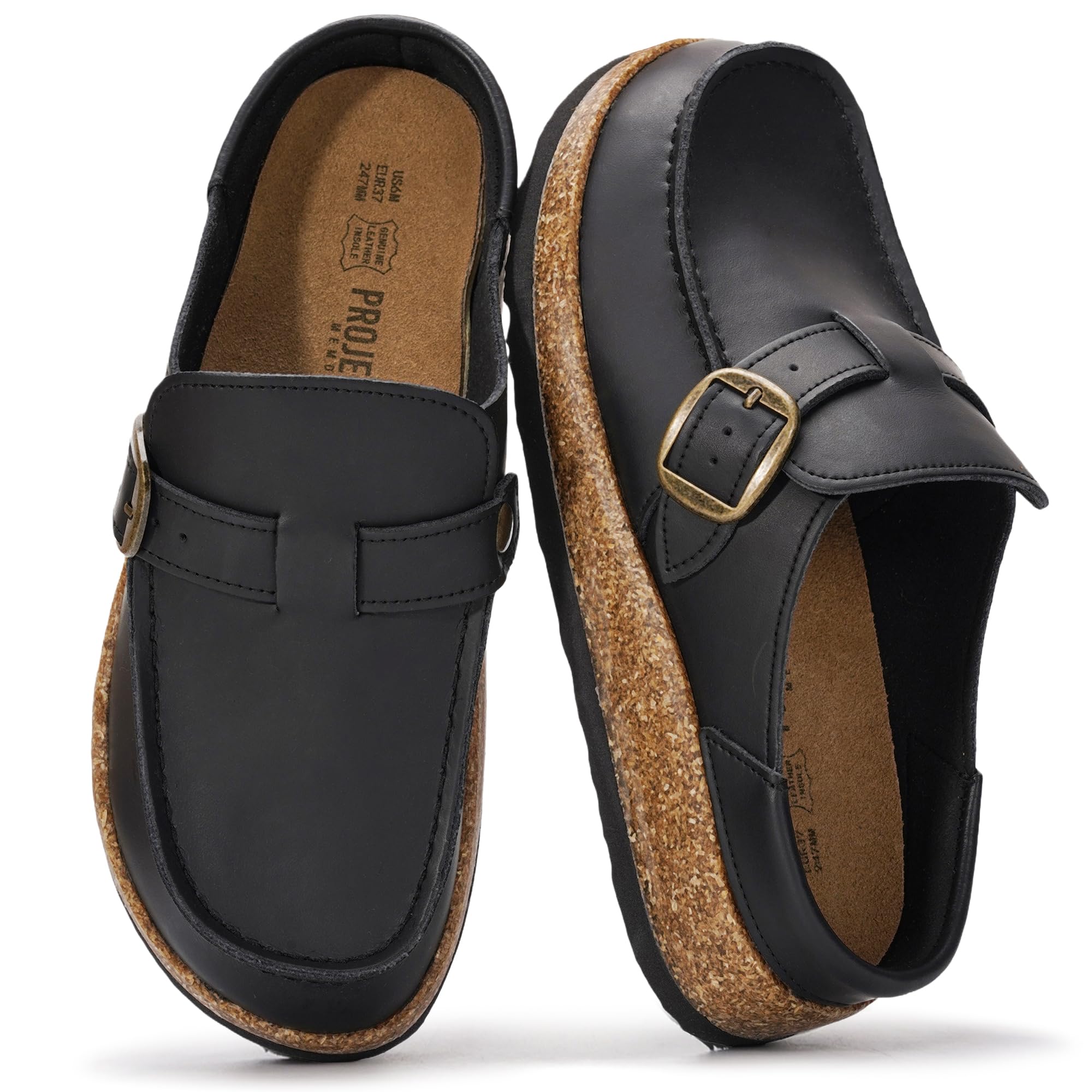
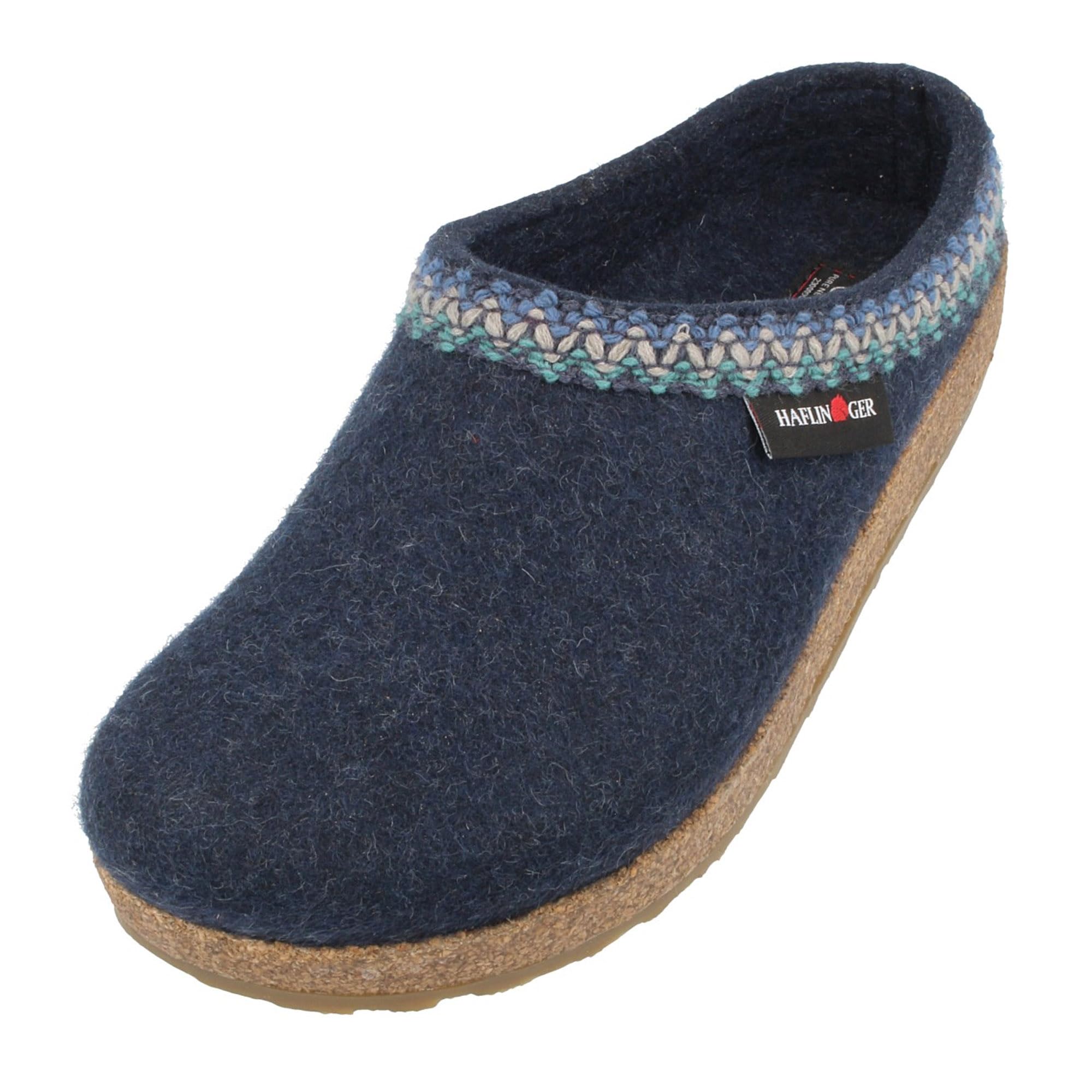
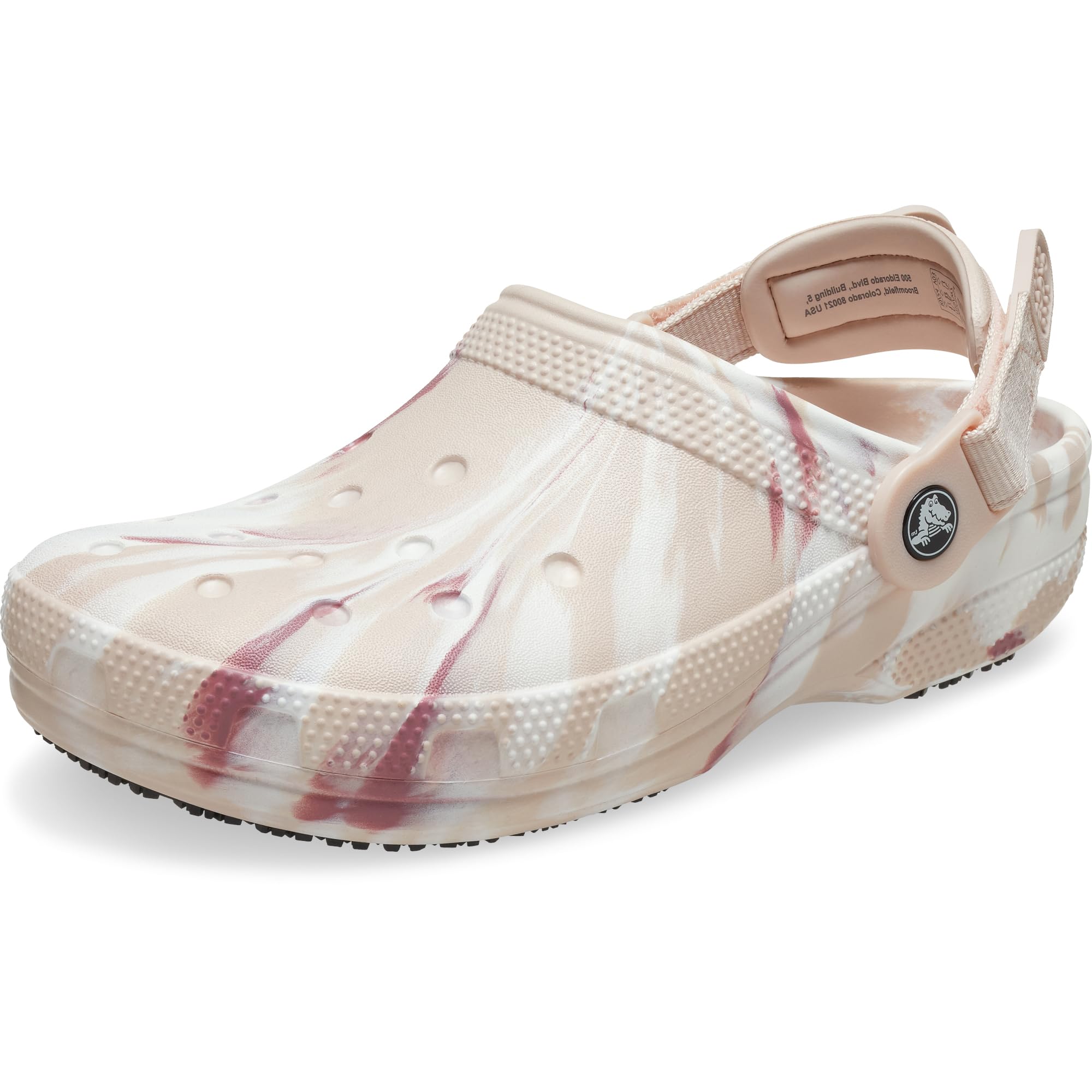
Who Should Buy Clog Shoes
Clogs suit anyone who wants a shoe they can step into without bending down and that stays put while they walk. Health care and food service workers wear them for the closed toe, the easy cleaning and the raised, cushioned footbed that eases long hours on hard floors. Gardeners and dog walkers use molded clogs they can rinse under a tap. People with tired arches or heel pain often prefer a contoured clog over a flat slip on, because the shaped footbed takes some load off the heel.
Clogs suit fewer people for long walks on uneven ground, since an open or low back lets the heel lift and the raised platform can feel unsteady on slopes. If you mainly need warmth indoors, our guide to the best clog slippers covers lined house clogs, and if you want an open, airy style for summer, see our guide to the best clog sandals instead.
Key Features to Compare in Clog Shoes
Heel Security
A clog has no laces, so the shape of the heel area decides whether the shoe stays on. Closed back clogs hold the heel fully and suit work and walking. Open back clogs rely on a snug instep and a shaped footbed, and they slap if the fit is loose.
A pivoting back strap gives you both options. Walk on a hard floor before deciding, and watch for your toes gripping to keep the shoe on, which is the clearest sign the heel hold is wrong.
Footbed and Arch Support
The footbed is the shaped surface under your sole, and it does most of the comfort work in a clog. Contoured footbeds with a defined arch and a cupped heel spread pressure and reduce fatigue over a long day. Cork and leather footbeds mold slowly to your foot, molded foam feels soft at once but packs down sooner, and firm polyurethane keeps its shape longest. A removable footbed lets you swap in your own insole, which matters if you already use one.
Sole Grip and Cushioning
Match the outsole to your floors. Fine, siped tread with broad contact grips tile, sealed concrete and wet kitchen floors, and slip resistant ratings matter for work use. Deeper lugs suit soil, gravel and grass but feel clumsy indoors.
Cushioning comes from the midsole: a thick, slightly rockered sole rolls you forward on long shifts, while a thinner, flatter sole feels more natural for short errands. Rubber grips better than hard plastic on wet surfaces.
Materials and Cleaning
Leather uppers breathe, look smart and shape to the foot, but they need drying time after rain and occasional conditioning. Molded synthetic uppers are waterproof, rinse clean in seconds and shrug off spills, which makes them the default for kitchens, gardens and clinics, though they run warm. Suede and wool felt feel soft and warm indoors but stain easily. Choose by your wettest or dirtiest normal day, because a breathable upper cannot be made waterproof later.
Weight and Platform Height
A tall platform protects your feet from spills and cold floors and adds cushioning, but it changes how your calves and ankles work and feels unsteady on slopes and stairs at first. A low platform feels closer to a normal shoe. Heavy wooden or thick leather clogs protect well but tire your legs on long walks, while light molded clogs feel easy for errands and shifts. Pick the lightest clog that still gives the support and protection your day demands.
Types of Clog Shoes
| Type | Best For | Watch Out For |
|---|---|---|
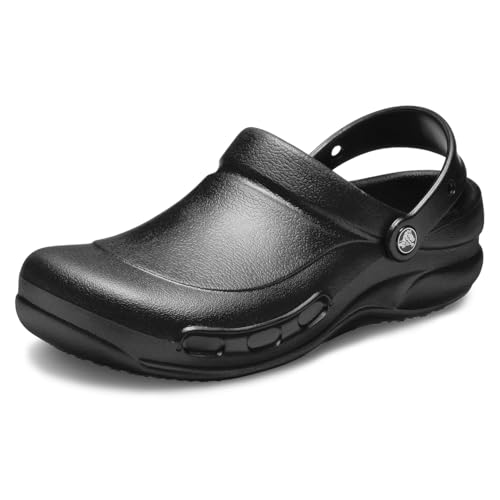
| Molded work clogs | Kitchens, clinics, gardens and wet floors | Run warm, little arch shaping in cheap pairs |
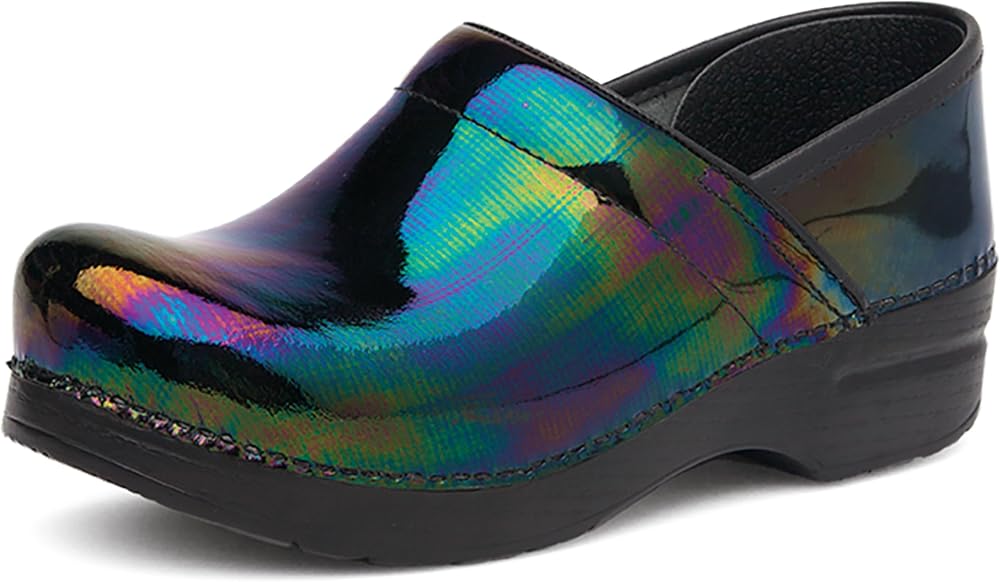
| Leather professional clogs | Long shifts on hard floors, smart casual wear | Heavier, need a break in period |
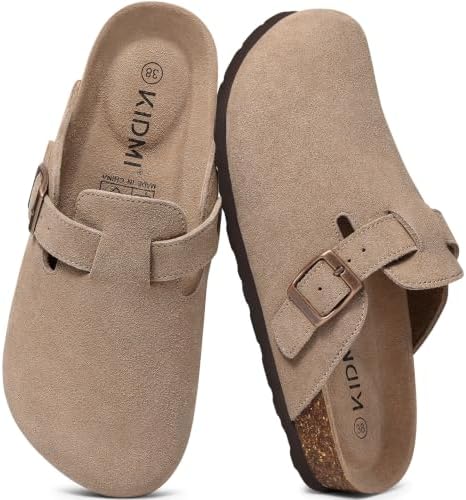
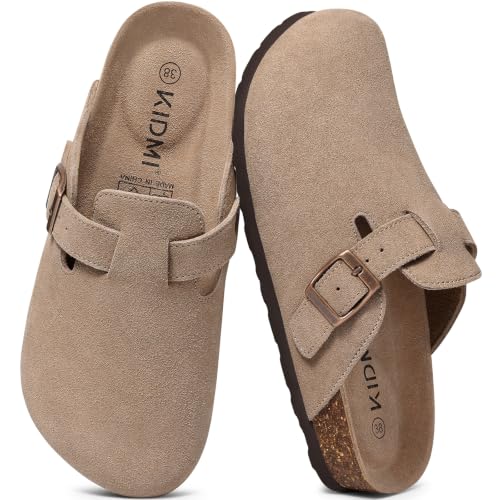
| Suede and wool clogs | Indoor comfort and casual dry weather wear | Stain easily, not for rain |
| Recovery clogs | Tired feet after sport or standing | Soft soles wear quickly outdoors |
Molded work clogs are the easiest to live with: they rinse clean, dry fast and cost the least. Leather professional clogs with a rocker sole are the choice of many nurses and chefs for all day support, and they last for years with care. Suede and wool clogs with a cork footbed give the classic clog look and feel for dry days. Recovery clogs use very soft foam to cushion sore feet after a run or a shift, and they suit short wear rather than a full working day.
How to Check Fit at Home
Measure both feet in the evening, when they are largest, and compare the length against the maker chart rather than your usual size. Stand in the clogs on a hard floor: your toes should lie flat with about a thumb width of room at the front, your arch should meet the raised part of the footbed, and the shoe should stay with your heel as you step without your toes gripping. Walk for several minutes, turn, and go up and down a step. If your heel lifts clear of the footbed or the instep pinches, try another size or width before judging the style.
Clogs run wide or narrow by brand, so a width option matters more than a half size. Expect leather clogs to feel firm at first and soften over one to two weeks of short wears, while molded and foam clogs should feel right from the first day.
Common Mistakes to Avoid
- Buying a loose clog because it slips on easily, then living with heel slap and tired toes.
- Choosing a smooth sole for wet kitchen or bathroom floors, where grip matters most.
- Wearing a tall platform on icy paths or steep ground, which raises the risk of a fall.
- Expecting a soft recovery clog to support a twelve hour shift.
- Ignoring sole wear until the tread is smooth, when a replacement would have cost less than a slip.
Care, Safety and When to Replace
Rinse molded clogs with water and mild soap and let them air dry away from heat. Wipe leather with a damp cloth, condition it every month or two, and brush suede with a soft brush. Clear packed dirt from the tread, and rotate two pairs if you wear clogs daily so each footbed has a day to recover. Replace a clog when the footbed stays flat after a rest day, the heel area no longer holds, or the tread is smooth under the heel and ball of the foot.
If pain, numbness or swelling appears while wearing clog shoes, stop and talk with a clinician or other qualified professional. This guide covers fit and comfort only and does not replace professional advice.
Frequently Asked Questions
Are clog shoes good for standing all day?
Yes, when the clog has a contoured footbed with real arch support, a cushioned midsole and a heel that stays settled as you move. Many nurses and chefs wear leather or molded work clogs for full shifts. Build up wear time over the first week if you are new to a raised platform, because it uses your calves differently from flat shoes.
Should clog shoes fit tight or loose?
Snug at the instep and heel, roomy at the toes. The shoe should stay on without your toes gripping, and a little heel movement is normal in an open back style. A clog that pinches the top of the foot will not stretch enough to fix the fit, so size up or choose a wider last.
Can I wear clog shoes outside?
Molded and leather clogs with a rubber outsole handle paths, gardens and pavements well. Suede, wool and soft recovery clogs are better kept indoors or on dry ground, since they stain and wear quickly. Avoid tall platforms on steep or icy ground.
How do I stop clog shoes slipping at the heel?
Check the size and width first, since most slipping comes from a loose instep. A thicker sock, a heel grip pad or a clog with a pivoting back strap also helps. If the heel still lifts with every step, choose a closed back style.
How long do clog shoes last?
Leather professional clogs often last several years with conditioning and the occasional resole. Molded work clogs last one to three years of daily wear before the footbed packs down. Replace any clog when the footbed stays flat, the tread smooths or the heel hold fails.
Final Thoughts
Judge the heel hold first, then the footbed and arch support, then the sole grip for your floors, and let the upper follow your wettest normal day. Those checks matter far more than color or brand. Compare the product table above with your routine in mind, try your shortlist on a hard floor, and the best clog shoes for your day will be the pair you forget you are wearing by lunchtime.