Best Classic Smart Watches: A First Time Buyer's Guide for 2026
Disclosure: We may earn a commission when you buy through links on this page, at no extra cost to you. As an Amazon Associate I earn from qualifying purchases. Learn more

Shopping for the best classic smart watches for the first time? Learn the terms, compare options, and avoid rookie mistakes with this easy guide.
A classic smart watch gives you modern alerts, step counts, and phone features inside a case that looks like a traditional watch. For a first time buyer, the appeal is clear, yet the specs can confuse: case sizes, crystals, straps, and battery claims all sound technical.
This guide explains best classic smart watches from the ground up, in the order you will actually decide things. Start with the comparison table below to see the main styles, then use the plain English spec sections to match a watch to your phone, your wrist, and your daily routine.




Classic Smart Watches 101: The Basics
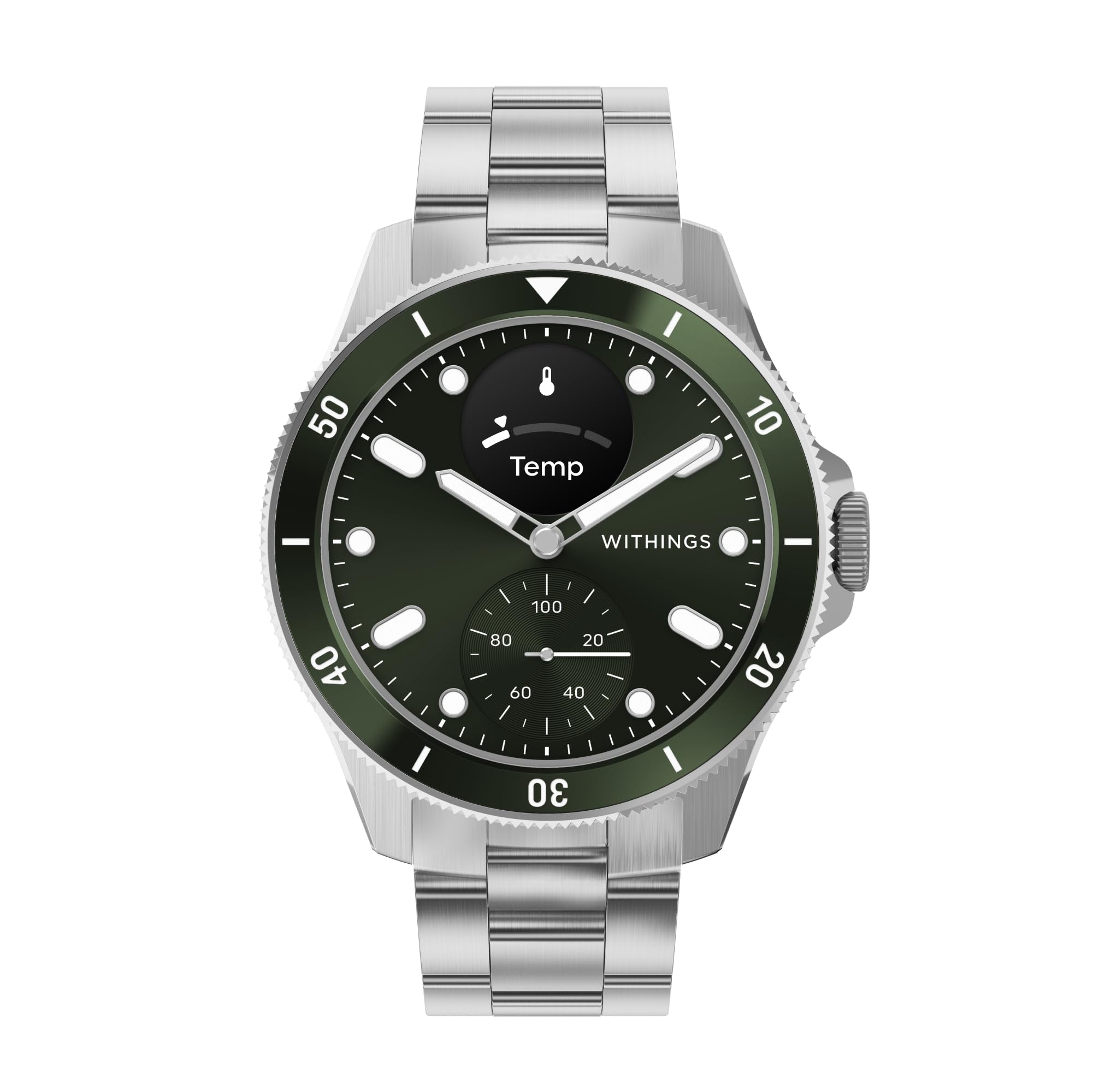
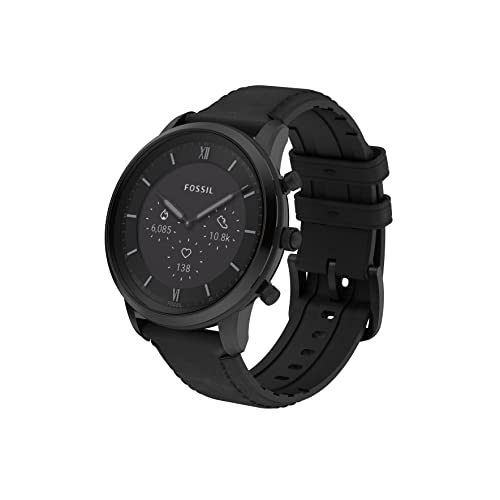
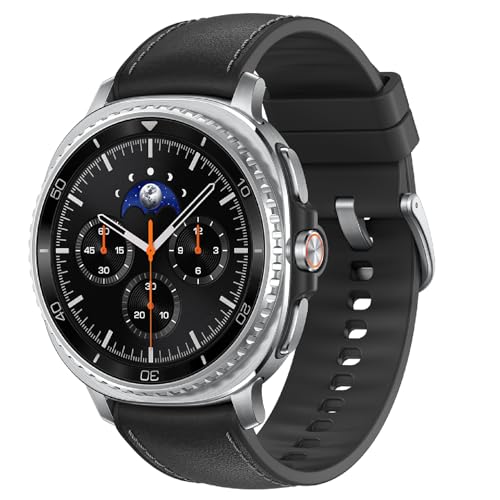
The best classic smart watches blend two ideas. On the outside it looks like a normal analog or simple digital watch, often with real hands, a round case, and a leather or metal strap. On the inside it holds a rechargeable battery, sensors, and a wireless link to your phone for alerts, music control, and activity tracking.
Some models are full smartwatches with a touchscreen hidden under a classic face, while others are hybrid designs with moving hands and a small display or none at all. Hybrids trade apps and bright screens for much longer battery life. If you want the broader traditional picture first, our guide to the best classic watches shows what these designs borrow from regular watches.
One practical point helps first time buyers: the classic look is not just about style. A watch that resembles a normal timepiece draws less attention in meetings and formal settings, and a simple vibration for a call or message is easier to manage politely than a glowing screen. Think about where you will wear the watch most, at a desk, in the gym, or out in the evening, because that setting should guide your choice between a discreet hybrid and a full screen model with more tools on board.
Key Specs Explained in Plain English
Movement Type (Quartz, Automatic, Solar, Smart)
In a smart watch, movement means the system that drives the display or hands. Quartz based hybrids use a battery powered quartz module to move real hands, with smart features added on top. Full smart models use a rechargeable electronic movement with a screen.
Solar charging appears on a few outdoor leaning models and stretches time between charges. True automatic movements, which wind from wrist motion, belong to traditional watches, because smart sensors and radios need battery power that a mainspring cannot supply.
Strap and Bracelet Options
Leather straps give the most classic look and suit office wear, but they should stay away from swimming and heavy sweat. Metal bracelets look sharp and last well, though they add weight. Silicone straps are the practical choice for workouts because they rinse clean and dry fast.
A quick release strap design lets you swap straps in seconds without tools, so one watch can move from a leather strap at work to silicone at the gym. Check the strap width, often around 20 to 22 mm, before buying extras.
Crystal and Case Materials
The crystal covers the face. Sapphire crystal resists scratches best and is worth wanting if you keep a watch for years. Mineral glass is common at lower prices and handles normal knocks, though it can pick up scratches.
Cases are usually stainless steel for a classic weight and shine, while titanium feels lighter on the wrist. A polished case looks dressy, and a brushed finish hides small marks better for daily wear.
Water Resistance Rating
Ratings describe pressure the watch can handle under controlled conditions, not a depth promise for daily life. Around 30 meters means splash protection only, fine for rain and hand washing. Around 50 meters usually allows showering and shallow swimming if the maker says so.
Around 100 meters or more suits regular swimming. Always check the maker guidance for your exact model, keep the crown pushed in, and avoid pressing buttons underwater unless the manual allows it.
Brand Reputation, Warranty, and Value
Buy from a brand with steady app support, because a smart watch depends on software long after you unbox it. Check how long the maker tends to support its app and whether the watch pairs with both major phone systems or only one. A warranty of about one to two years is typical for electronics. Value also includes battery health over time, so favor brands that offer battery service or clear replacement policies instead of treating the watch as disposable.
Case Size and Wrist Fit
Classic smart watches usually run around 38 to 44 mm in case diameter. A 38 to 40 mm case suits smaller wrists and looks most like a traditional dress watch. A 42 to 44 mm case gives a larger screen and easier touch targets for bigger wrists.
Thickness matters too, because smart cases sit taller than slim quartz watches. The lug to lug length should stay within the width of your wrist so the case does not overhang on either side.
Rookie Mistakes to Avoid
- Ignoring phone compatibility. Some watches limit features on certain phones, so confirm pairing with your exact phone system first. Android owners can compare options in our guide to the best smart watches android shoppers use most.
- Believing headline battery claims. Battery life drops with screen brightness, GPS use, and constant alerts, so look for figures that match your settings.
- Buying a case that is too large. An oversized case bangs on desks and looks less classic, which defeats the point of this style.
- Forgetting about charging habits. A watch that needs a charge every night only works if you build that routine, so be honest about your habits.
- Paying for sensors you will never open. Advanced health and sport tools add cost, so skip them if you only want alerts and step counts.
Getting Started: Setup and First Use
Charge the watch fully, install the maker app, and pair it with your phone before you change any settings. Update the software right away, then choose only the alerts you truly want, because a watch that buzzes for every app becomes annoying within a day. Set your step goal, time format, and strap fit next.
A few habits protect the watch early on. Rinse after saltwater exposure with fresh water and dry it well, since salt and sand work into buttons and strap pins. If your model is a hybrid with mechanical style hands, follow the maker service interval, much like the way owners service automatic watches every 5 to 7 years for traditional pieces, and keep the charging contacts clean so each charge connects properly.
Frequently Asked Questions
How water resistant should a classic smart watch be?
Choose at least splash level protection for daily wear, which covers rain and hand washing. If you swim or shower with your watch, choose a model the maker rates for swimming, usually around 50 to 100 meters, and rinse it afterward. Steam rooms and hot showers are hard on seals and electronics, so take the watch off for those even when the rating looks generous.
Is a smartwatch worth it over a classic watch?
It is worth it if alerts, timers, and activity tracking will save you pulling out your phone many times a day. A plain classic watch still wins on simplicity, battery freedom, and long service life. The classic smart style is the middle path: you keep a traditional look and gain the few smart tools you use most. Shoppers weighing appearance first can also browse our guide to the best looking smart watches.
How long does a classic smart watch battery last?
Full screen models often need charging every one to three days, while hybrid models with real hands can run for weeks or even months on a cell or a charge. Your settings decide the real figure: bright screens, GPS workouts, and constant alerts drain power fastest. Expect capacity to fade slowly over years, so a watch that starts with a comfortable margin will age more gracefully.
Quartz or automatic: which is better for a classic smart watch?
For smart models the question answers itself, because sensors, radios, and screens need battery power. What you are really choosing is between a quartz driven hybrid with real hands and a fully electronic smart movement with a display. Pick the hybrid for battery life and a true analog look. Pick the full smart version for apps, replies, and detailed workout screens on your wrist.
What case size fits my wrist for a classic smart watch?
Measure your wrist and compare it with the case diameter and the lug to lug length, not the diameter alone. Wrists around 6 to 6.5 inches usually suit 38 to 40 mm cases, while wrists above 7 inches can wear 42 to 44 mm well. The case should sit flat without the lugs hanging past your wrist edges. If you shop by phone pairing as well, our guide to the best smart phone watches explains compatibility in more depth.
Final Thoughts
Decide your style first, full screen or hybrid hands, then check phone compatibility, battery life, and case fit in that order. Those four points matter more than any extra sensor list. When you compare best classic smart watches with those basics settled, the choice gets simple. Look over the product table above, pick the size that suits your wrist, and enjoy a watch that looks timeless while quietly keeping you connected.