
Best Cinema Cameras under 5000: Which One Fits the Way You Use It in 2026?
Disclosure: We may earn a commission when you buy through links on this page, at no extra cost to you. As an Amazon Associate I earn from qualifying purchases. Learn more

Match the best cinema cameras under 5000 to the way you shoot, with plain guidance on sensors, codecs, ND filters, audio inputs, lenses and total kit cost.
There is no single cinema camera that suits every shoot, because a controlled short film, a fast documentary day and a wedding all punish different weaknesses. The best cinema cameras under 5000 for you are the ones whose sensor, recording formats and audio tools match the work you actually do. Use the comparison table below to line up those core traits before you look at anything else.
Start with your most common shooting day, not your most ambitious one. If you usually work alone with available light, autofocus, stabilization and simple audio matter more than raw recording. If you shoot on sets with a crew, monitoring, timecode and flexible files for grading may matter more.


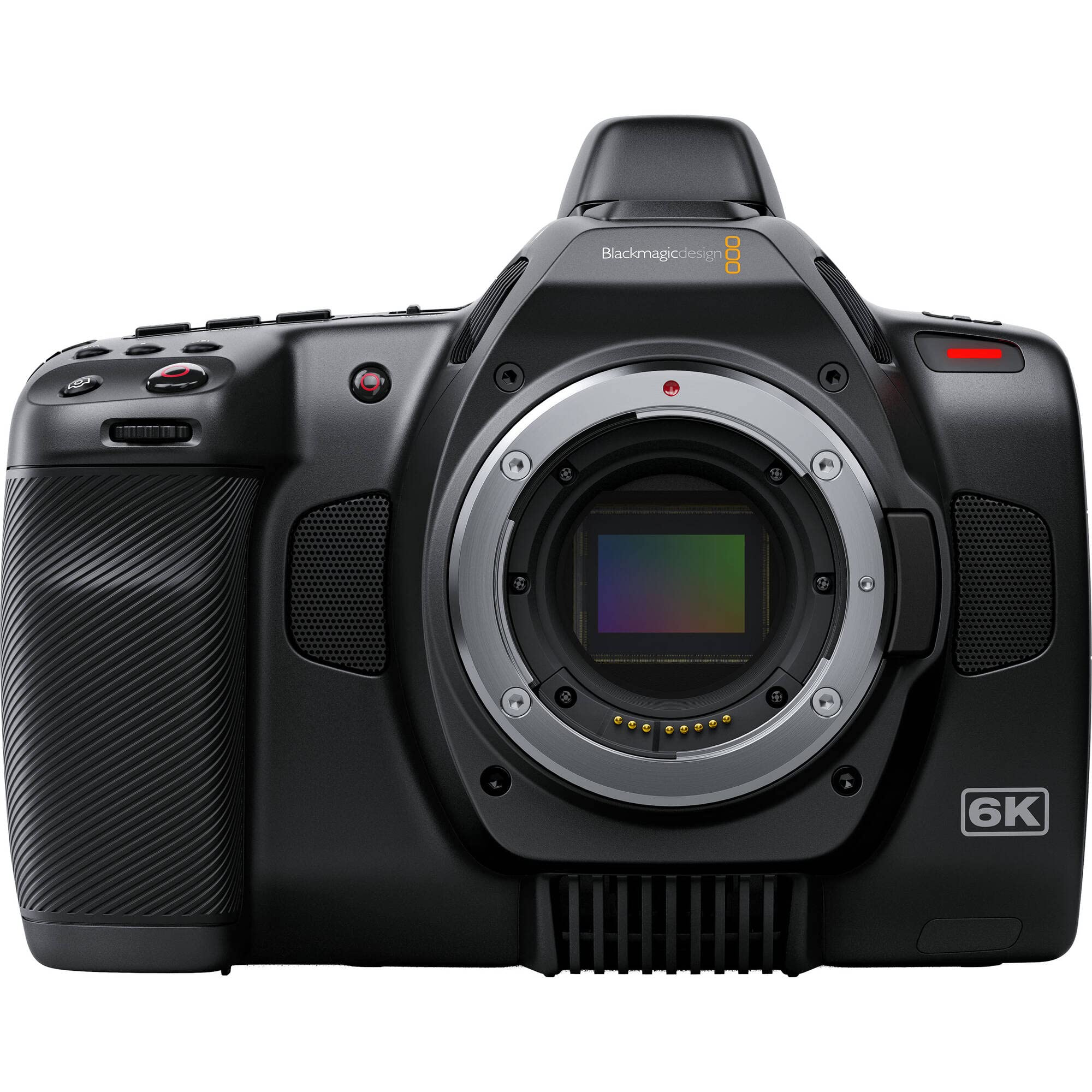


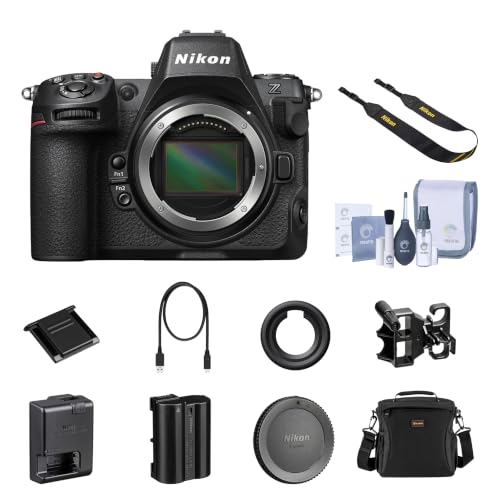
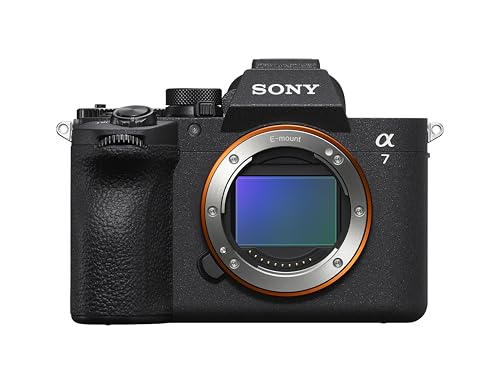

Who Should Buy Which Cinema Camera?
Your shooting style decides which compromises you will feel every week.
Narrative and Short Film Shooters on Controlled Sets
You light your scenes, rehearse your moves and often pull focus by hand, so file quality and monitoring deserve your budget first. Look for strong dynamic range, a log recording profile and focus aids such as peaking and magnified view for checking focus before a take. A larger sensor helps when you want a shallow depth of field in close shots.
Documentary Shooters Who Move Fast With a Small Kit
You follow real events that will not repeat, so a missed moment costs more than a slightly less rich file. Prioritize reliable continuous autofocus, in body image stabilization for handheld work and a body you can carry all day without a large rig. Dual card slots matter because a backup copy protects footage you cannot shoot again. Quick access to audio levels and a screen you can read outdoors will help you more than a higher frame rate.
Solo Creators Who Shoot, Record Sound and Edit Alone
You set up, perform or interview, monitor sound and edit the result, often on the same day. Choose a camera with a fully articulating screen, dependable face and eye autofocus and a microphone input plus a headphone jack so you can hear problems while you record. Simpler menus and compressed recording options keep your edit moving on an ordinary computer. A compact body also leaves budget and bag space for a good microphone, which shapes how professional your videos feel.
Key Features to Compare
Compare these factors in the same order when you line up the best cinema cameras under 5000. If price is not your main limit, see our guide to the best cinema cameras for the wider field before you narrow down.
Sensor Size and Dynamic Range
Sensor size shapes field of view, low light performance and depth of field. Full frame sensors gather more light and can give a shallower depth of field at the same aperture, while Super 35 and Micro Four Thirds sensors pair with smaller and often cheaper lenses. Dynamic range is just as important, because it decides how much detail survives in bright windows and dark clothing within one shot and how much room your grade has later.
Recording Formats, Bit Depth and Frame Rates
Recording format decides how much work a file needs in the edit and how fast it fills your cards. Ten bit recording holds smoother color transitions than eight bit, which matters when you grade skies, skin and stage lighting. Raw recording offers the most correction room but creates very large files and a slower workflow. For frame rates, 24 frames per second gives the familiar film look, 30 suits much online work and 60 or 120 lets you slow action down.
Autofocus, Focus Aids and Stabilization
Continuous autofocus has become a real cinema tool for solo shooters and small crews, tracking faces while a subject walks toward the camera. Check how it behaves in low light and whether it hunts when a foreground object crosses the frame. For manual focus work, peaking, a magnified view and a clear focus distance display matter more. In body stabilization smooths small hand movements for handheld shots, though some cameras crop the image slightly when it is active.
Audio Inputs and Built In Neutral Density Filters
Serious video sound needs more than the small microphones built into a camera body. A 3.5 mm microphone input covers basic external microphones, while XLR inputs on the body or a handle accept professional microphones and give you cleaner gain control. Built in neutral density filters are the other quiet advantage of true cinema bodies, letting you keep a wide aperture and a 180 degree shutter in bright light without screwing filters onto each lens.
Lens Mount, Media Cards and Power
The lens mount you choose under $5000 can outlast the camera body itself, because lenses usually move with you to your next camera. Check the range and cost of native lenses, plus how well adapted lenses keep autofocus. Media also adds real cost, since fast cards for high bit rate recording cost far more than basic cards. Finally, check recording time per battery and USB C or external battery options for long days.
How to Split a $5000 Cinema Camera Budget
Plan the kit as one purchase. A sensible split puts about 60 to 70 percent into the body, then reserves the rest for one versatile zoom or a fast prime lens, two or three media cards, spare batteries and a microphone. If that total feels tight, see our guide to the best cinema cameras under 1000 for a starter body you can learn on while you build the rest of the kit.
At this price you can expect strong 4K recording, ten bit color on many models, good autofocus and useful built in tools such as zebras and waveforms. What you usually give up is internal raw recording at the highest frame rates and the deep accessory systems of flagship bodies. If paid client work already demands those things, see our guide to the best cinema cameras under 10k to judge whether stepping up beats renting for the few shoots that need more.
Common Mistakes to Avoid
- Spending the full $5000 on the camera body leaves nothing for a lens, media and sound, so your first shoots look and sound unfinished.
- Judging a camera by resolution alone ignores dynamic range and bit depth, so bright highlights clip and graded colors break into bands.
- Choosing a lens mount without checking native lens prices can lock you into a system where the lenses you want cost more than the camera.
- Trusting the built in microphones for dialogue puts room echo and handling noise on every interview, and no edit can fully remove it.
- Ignoring record time limits and heat behavior can stop a long ceremony or interview take at the worst possible moment.
Care and Maintenance for a Cinema Camera
Clean the front element of each lens with a blower first and a lens cloth second, because wiping grit across the glass can scratch the coating. Keep the sensor covered with the body cap or a lens whenever you change lenses, and change lenses in a sheltered spot away from dust and spray. Repeated dust spots in the same place on your footage mean the sensor needs professional cleaning.
Store the camera in a dry, padded bag with the battery removed for long breaks, and keep spare batteries at a partial charge rather than full or empty. Format media cards in the camera after you have backed footage up in two places. Carry at least one spare battery and one spare card on every paid shoot, and update firmware between projects, not the night before one.
Cinema Cameras Under $5000: Your Questions Answered
Can you get a good cinema camera under $5000 for narrative film work?
Yes, a cinema camera under $5000 can absolutely handle narrative film work. At this level the limiting factor is usually lighting, lenses and time on set rather than the body itself. Before you buy, rent your leading candidate for a weekend shoot, because a short rental shows whether its menus, grip and file sizes fit the way your crew works.
Is a smartphone enough instead of a cinema camera under $5000 for video projects?
A smartphone is enough for casual clips and early practice, but it gives you little control over depth of field, audio inputs and monitoring. A dedicated cinema camera adds interchangeable lenses, real audio connections and recording formats that hold up better in a grade. The gap shows most on paid work, where clients expect clean dialogue and consistent color across a whole project rather than one strong clip.
Which sensor size is better for low light on a cinema camera under $5000?
A full frame sensor is generally better for low light, because its larger photosites gather more light at the same settings. The lens matters almost as much, since a fast prime at f1.8 lets in far more light than a slow zoom at f4 on any sensor. Adding one modest light often improves the shot more than a larger sensor would.
How much of a $5000 budget should a first cinema camera body take up?
A first cinema camera body should take up roughly half to two thirds of a $5000 budget, leaving real money for a lens, sound and media. Spending less on the body hurts less than beginners expect, because skills like lighting and microphone placement shape the result every day.
What recording specs matter most for a first cinema camera under $5000?
Ten bit recording, a log profile and reliable autofocus matter most for a first cinema camera, because they affect every project rather than a few special shots. After those, check the crop at each frame rate, since some cameras narrow the sensor view sharply at 60 frames per second and change your framing.
Final Thoughts
Match the camera to your usual shoot first, then weigh sensor and dynamic range, recording formats and audio tools in that order. Keep the total kit inside your budget, including the lens, cards, batteries and microphone you will use from day one. Use the product table above to confirm those points side by side before you order.
Chosen that way, the best cinema cameras under 5000 stop being a spec contest and become a tool that fits your work. A camera you understand deeply will serve your films better than a more powerful one you are still fighting on set.


