
Best Cinema Speakers: Home Theater Buying Guide for 2026
Disclosure: We may earn a commission when you buy through links on this page, at no extra cost to you. As an Amazon Associate I earn from qualifying purchases. Learn more

The best cinema speakers for clear dialogue and real bass: 5.1 packages, Atmos sets and soundbar systems compared by room size, center channel and subwoofer.
Film sound at home falls apart in predictable places: dialogue that disappears under the score, action scenes that get loud without getting clear, and bass that rattles the room instead of filling it. The best cinema speakers fix those problems with a center channel built for voices, a subwoofer sized for the room, and surround speakers placed where the mix expects them. This guide explains how home cinema speaker systems differ, what the channel numbers mean, and which parts of a setup deserve the most money. The comparison table below lines up the main types side by side.
Start from three fixed facts: the size of your room, where you can physically place speakers, and what will drive them, whether that is an AV receiver or a soundbar with its own amplification. Those three facts rule out more systems than any specification sheet.



Types of Cinema Speakers for the Home
5.1 Speaker Packages
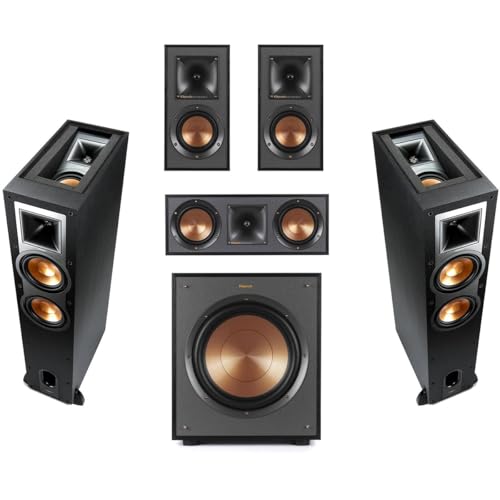
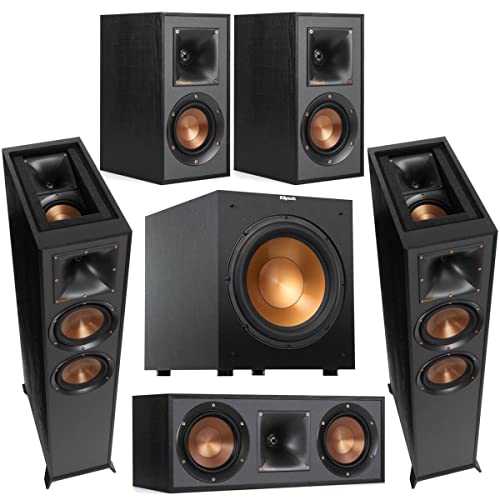
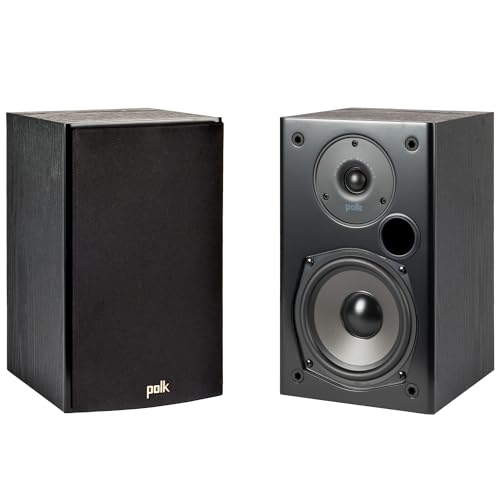
A 5.1 package bundles a center speaker, left and right front speakers, two surround speakers, and a powered subwoofer. The front pair may be compact bookshelf speakers or floor standing towers, and every speaker except the subwoofer is passive, which means an AV receiver supplies the power. This is the classic cinema layout and the most flexible starting point, because you can upgrade the center or the subwoofer later without replacing the whole set. Expect about $300 to $600 for compact packages and $900 to $1,500 for tower based sets.
Dolby Atmos Packages
Atmos systems add height channels, either through speakers mounted high on the wall or through upward firing modules that bounce sound off the ceiling. A 5.1.2 or 5.1.4 package adds two or four of those height channels to the standard layout, which gives rain, aircraft, and room ambience a sense of space above the listener. They need a receiver that decodes Atmos and a ceiling that is flat and not too high for the reflected sound to work. Prices run from about $700 to $1,500 for a full package before the receiver.
Soundbar Systems With Rear Speakers and Subwoofer
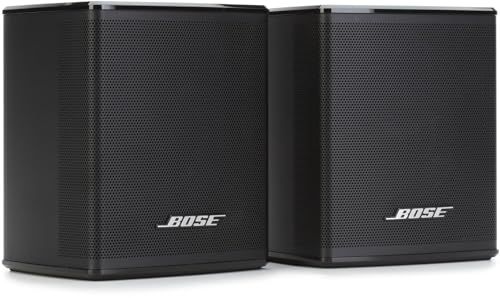
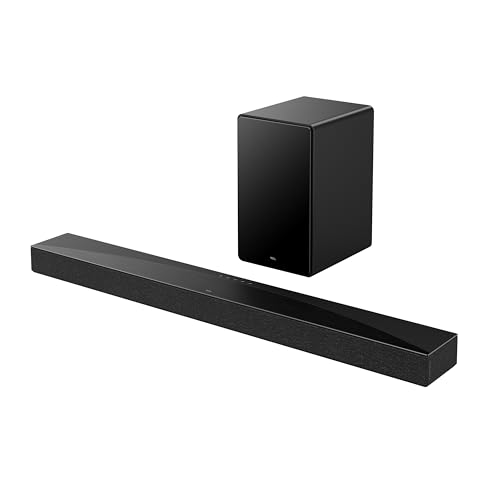
A soundbar with a wireless subwoofer and a pair of rear speakers gives a 5.1 or 5.1.2 layout without a receiver or speaker wire across the floor. The bar holds the left, center, and right channels in one cabinet under the television, and the rears connect wirelessly. Sound staging is narrower than separate speakers, but setup takes minutes, and modern bars handle Atmos and lip sync well.
Expect about $300 to $800 for a complete system, with premium multi speaker systems closer to $1,500 or more. Our guide to the best wireless home cinema speakers covers this route in depth.
Compact Satellite Systems
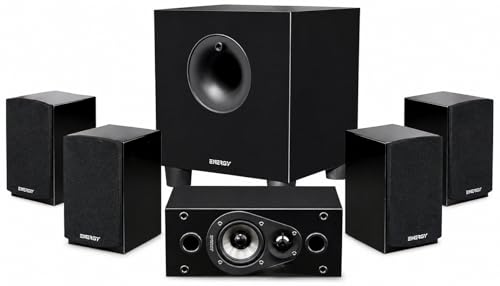
Satellite systems use five very small speakers with a larger subwoofer doing the low frequency work. They suit apartments, bedrooms, and rooms where visible speakers are unwelcome, and they cost the least. The trade off is midrange body, because tiny drivers hand too much of the sound to the subwoofer, so male voices can sound thin. The best small home cinema speakers show how far compact designs can go when the subwoofer crossover is set with care.
Key Features to Compare in the Best Cinema Speakers
Center Channel Quality
Nearly all film dialogue plays through the center speaker, so it is the single most important box in the system. Look for a center with the same tweeter and similar drivers as the front pair, so a voice panning across the screen does not change tone. A horizontal center with two woofers and a tweeter between them is the common design; a larger center with a dedicated midrange driver handles voices even better. If the budget forces a choice, spend on the center before the surrounds.
Subwoofer Size and Placement
The subwoofer carries explosions, engines, and the low end of the score. An 8 inch driver suits a bedroom or small living room, a 10 inch driver fits most family rooms, and a 12 inch driver fills large open plan spaces. Placement matters as much as size: a corner boosts output but can sound boomy, while a spot along the front wall near the main speakers blends more evenly. Many receivers include room correction that smooths bass once the subwoofer is in position.
Room Size and Speaker Type
Match the front speakers to the room. Bookshelf fronts on stands suit rooms up to about 250 square feet and sit neatly beside a television stand. Floor standing towers move more air and suit larger rooms or listeners who want music playback with real weight. Surrounds can stay small in any room, since they carry ambience and effects rather than the main soundtrack.
Power Handling and Sensitivity
Passive speakers list a sensitivity figure in decibels and a recommended amplifier power range. Higher sensitivity speakers play louder from the same receiver, which matters with budget receivers rated under 100 watts per channel. Check that the speaker impedance, usually 6 or 8 ohms, matches what the receiver supports, since low impedance speakers can push a small receiver into shutdown during loud scenes.
Connections and Control
A receiver based system needs speaker wire runs to every position and an HDMI connection to the television, ideally through the eARC port so the television's own apps send full surround sound back to the receiver. A soundbar system needs only one HDMI cable and power for the subwoofer and rears. Count your sources as well: a disc player, a streaming box, and a games console fill three HDMI inputs quickly on a receiver, and a soundbar may offer only one or two.
Placement Basics for Clear Dialogue
Put the center speaker directly above or below the screen, angled toward ear height, and keep it clear of cabinet doors and decor that block the drivers. Set the front left and right speakers an equal distance from the main seat, roughly forming a triangle with the listener, with tweeters near ear level. Surrounds belong slightly behind and above the seating, aimed across the room rather than straight at the sofa. Run the receiver's setup microphone after everything is placed; it sets levels and distances better than guessing.
Furniture and flooring change the result. Hard floors and bare walls make dialogue sound sharp and echoey, so a rug between the speakers and the seat does more for clarity than any upgrade. Keep the subwoofer off hollow furniture that resonates, and leave a few inches between rear ported speakers and the wall.
Common Mistakes to Avoid
- Buying large tower speakers for a small room, where they overload the space and bass turns muddy.
- Placing the center speaker inside a cabinet shelf, which muffles the one speaker that carries dialogue.
- Pairing low sensitivity speakers with a budget receiver, so the system strains and shuts down in loud scenes.
- Skipping the receiver's room calibration and living with uneven levels between channels.
- Running surround speakers at the same volume as the fronts, which pulls attention away from the screen.
Care and Setup Tips
Dust speaker grilles gently with a soft brush or the brush attachment on a vacuum, and keep vents on the subwoofer and receiver clear so amplifiers stay cool. Check speaker wire connections once a season, since a loose strand that touches a neighboring terminal can short an amplifier channel. If sound drops out or a channel goes quiet, swap the speaker to another terminal to confirm whether the fault is the speaker or the receiver before buying anything new. Keep the firmware on soundbars and receivers current, because updates often fix lip sync and HDMI handshake problems.
For a wider view of speakers judged on sound quality across music and film, see our guide to the best sounding speakers.
Frequently Asked Questions
Do I need a receiver for cinema speakers?
You need an AV receiver for any passive 5.1 or Atmos speaker package, since the speakers have no amplifiers of their own. Soundbar systems and powered speaker sets include their amplification and connect straight to the television. Budget the receiver into the total cost before comparing a passive package with a soundbar.
What is the difference between 5.1 and 5.1.2?
The first number counts the main speakers around you, the second counts subwoofers, and the third counts height channels. A 5.1 system has five speakers and one subwoofer; a 5.1.2 system adds two height speakers for Atmos and similar formats. Height channels add a sense of space but matter less than a good center and subwoofer.
How big a subwoofer do I need?
An 8 inch subwoofer suits small rooms and apartments, a 10 inch model fits most living rooms, and a 12 inch model suits large or open plan spaces. Placement and room correction affect the result as much as driver size, so position the subwoofer before judging it.
Can cinema speakers also play music well?
Yes, a well matched 5.1 system plays music in stereo through the front pair and subwoofer, and tower fronts in particular handle music with real weight. Soundbars vary more, so check for a music mode that keeps the sound focused on the bar rather than spreading it to the rears.
Why does dialogue sound quiet compared with effects?
Usually the center channel is set too low, blocked by furniture, or missing entirely in a stereo setup. Raise the center level a few decibels in the receiver menu, clear anything in front of the speaker, and use a night or dialogue mode for late viewing. Most receivers and soundbars include a dialogue enhancement setting for exactly this problem.
Final Thoughts
The right choice among the best cinema speakers is the system whose layout fits your room and whose center channel and subwoofer carry the load. A passive 5.1 package with a receiver gives the most room to grow, a soundbar system gives the easiest setup, and a compact satellite set keeps small rooms tidy. Use the product table above to compare the types, measure your room before you order, and give the center speaker a clear line to your seat.


