
Best Cinema Cameras: What Actually Matters Before You Buy in 2026
Disclosure: We may earn a commission when you buy through links on this page, at no extra cost to you. As an Amazon Associate I earn from qualifying purchases. Learn more

A practical checklist for choosing the best cinema cameras, covering heat limits, sensor size, sound inputs, rig costs, and price bands for every budget.
A cinema camera is bought for moving pictures, and that single fact changes what matters. Stills cameras chase single frames, but the best cinema cameras are judged on what happens across a whole take: steady exposure, controlled heat, clean sound, and files your computer can handle without complaint. This guide compares camera classes rather than chasing model cycles, because classes outlast them.
Work through the criteria in the order working crews use them, starting with heat and recording limits, and compare your shortlist against the comparison table below as you go. By the end you will know which class of camera your shoots need, which headline specs you can safely ignore, and where the money beyond the body has to go.


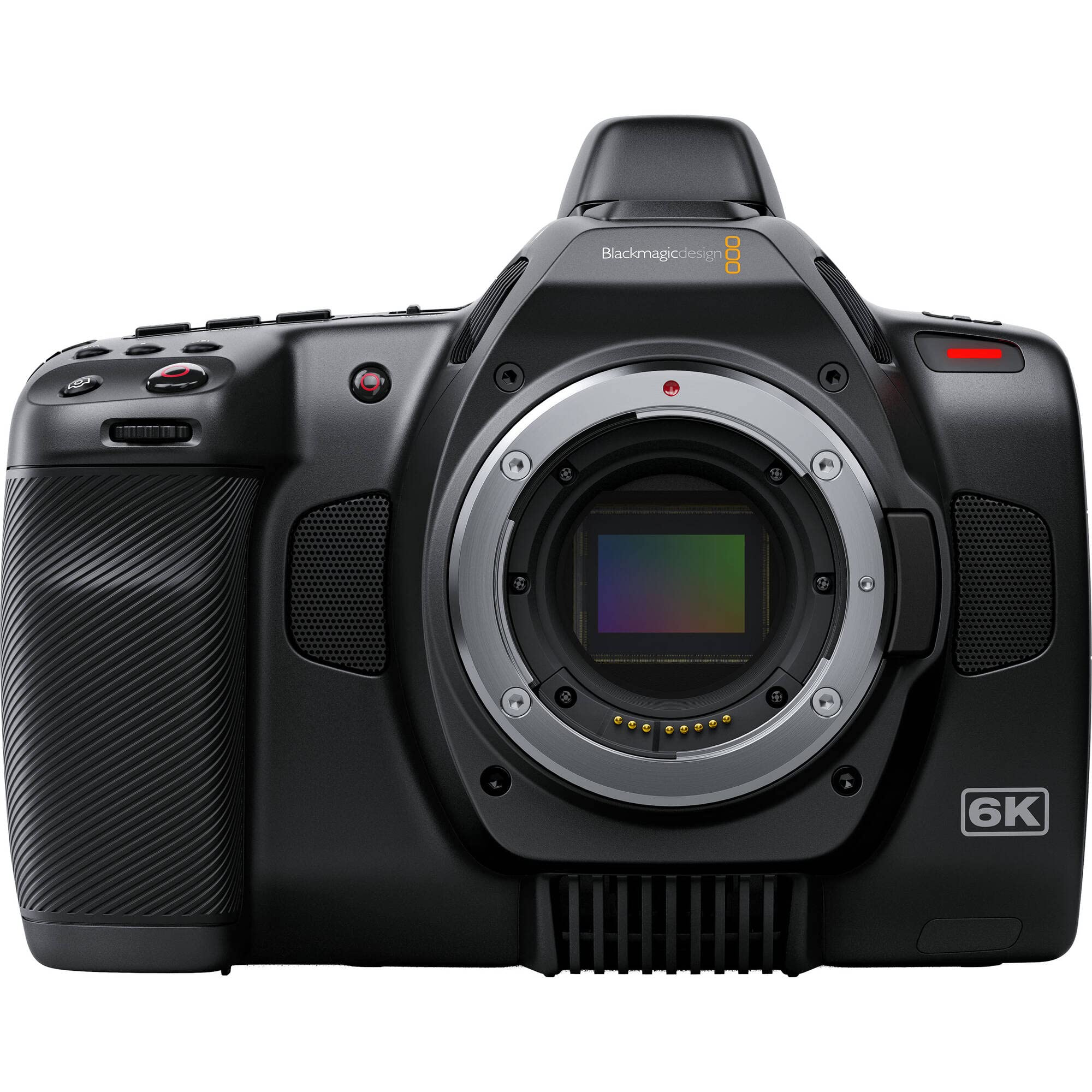


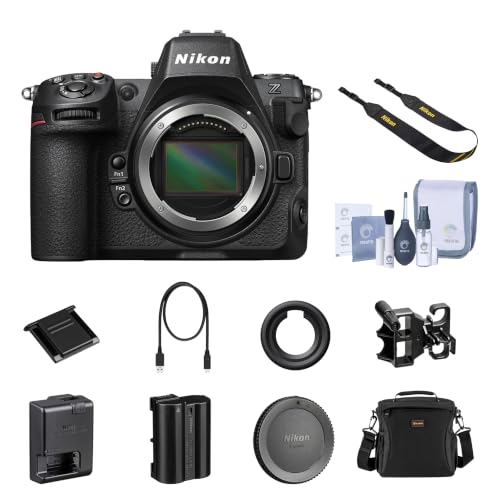
What Actually Matters on a Shoot Day
Spec sheets lead with resolution, but working crews ask different questions first. These five checks decide more of your finished result than any headline number printed on the box.
Heat and Recording Limits Come First
Every camera body warms up while it records, and a long take pushes that heat further. Some bodies manage heat with internal fans or generous vents, while smaller sealed bodies simply stop recording once they pass a set temperature, sometimes with little warning. A camera that halts during a wedding speech or a long interview is not a bargain at any price. Read the stated recording limit for the exact format you plan to use, ask how that limit changes in a warm room, and treat truly unlimited recording as a class worth paying for when your work runs long.
Sensor Size and the Look of the Image
Sensor size shapes depth of field and low light behavior more than the megapixel count ever will. Larger sensors gather more light for each frame, which helps in dim rooms and produces the shallow focus look many filmmakers want for faces. Smaller sensors keep the whole kit compact, stretch lens budgets further, and keep more of the scene in focus, which suits run and gun documentary work. Resolution plays a supporting role: our guide to best 4k cinema cameras explains when 4K delivery earns the storage and editing load it brings.
Sound Inputs Decide Half the Result
Audiences forgive a soft image far sooner than they forgive bad sound, so treat audio connections as a headline feature. A useful cinema body offers a proper microphone input, a headphone socket so you can hear faults while you record, and clear level meters that stay visible on screen. Bodies with only a small built in microphone force the camera position to double as the sound position, which is rarely where voices sound best. Price a microphone, cables, and a simple recorder into the same budget as the body itself, because clean dialogue is the cheapest production value you can buy.
Building the Rig Around the Body
The body is only the center of a working kit. Cages, handles, an external monitor, and support gear turn a bare camera into something you can hold steady and focus accurately for hours, and every piece adds cost, weight, and setup time. Before you buy, sketch the full rig your typical shoot needs and price it as a single purchase. A mid priced body with money left for support usually delivers calmer, more usable footage than a flagship body carried in bare hands, and weight matters twice, once in your arms and once in your bag.
Power and Media Are Running Costs
High quality recording formats fill memory cards at a startling pace, and long shoot days drain batteries just as steadily. Fast cards, spare batteries, and a reliable reader belong in the first order you place, not in a later top up. Card speed is a real limit too, because a slow card can end a high data rate recording in the middle of a take. When you compare two bodies, compare the full cost of feeding them for a year as well.
Price Bands and What Each Band Buys
Price bands describe classes rather than individual products, and the borders shift as new bodies arrive. The entry band, about $800 to $1,800, covers compact bodies with smaller sensors, simpler controls, and recording limits that suit short scenes, practice projects, and learning shoots. Most of these bodies lean on the kit lens they ship with, which keeps the starting cost honest.
The working band, about $1,800 to $4,000, is where most serious solo shooters land: larger sensors, proper sound connections, and heat handling that survives a full day. The top band, about $4,000 to $9,000 and beyond, buys rugged weather sealed builds, the widest choice of recording formats, and connections that fit multi person sets. Nearly every body across these bands records digitally, and our guide to best digital cinema cameras walks through how the digital classes differ under the skin. Readers working with a tighter ceiling should also see our guide to best affordable cinema cameras, where the low end trade offs are laid out plainly.
Quick Buyer Checklist
Run these questions against any body on your shortlist. A no answer is not always fatal, but you should know in advance what it will cost you to work around it.
- Does the body record for as long as your longest scene without a stated limit?
- Can you plug in an external microphone and monitor sound through headphones?
- Do you own, or can you afford, lenses that fit the sensor size?
- Have you priced spare batteries and fast cards into the same budget?
- Will the full rig, with handles and support, stay light enough for your shoot days?
- Does the camera record in a format your computer and software can edit smoothly?
Red Flags to Watch For
Slow down, or walk away entirely, when you meet these signs on a product page or in a showroom.
- A headline resolution with no stated recording time, which often means short clips before heat stops the take.
- No microphone input at all, which locks you into thin camera sound for every dialogue scene.
- A very low price paired with vague format details, since the missing specs usually hide real limits.
- A lens mount with few affordable lenses, which quietly raises the cost of the whole system.
- Marketing that promises professional results with no mention of light, sound, or support gear.
Picking the Right Cinema Camera for Different Uses
The right class shifts with the work you actually do. If your days are mostly still photographs with the odd clip, you are really shopping among best digital cameras, and a stills body will serve you better for less money. For moving picture work, these three patterns cover most buyers.
Best Cinema Cameras for Starters
Starters need a camera that stays out of the way while skills grow around it. Forgiving automatic exposure, a screen that angles toward you for solo pieces, and modest file sizes matter more at this stage than the largest sensor class. Short recording limits are also acceptable here, because practice scenes and early projects rarely run long. Our guide to best cinema cameras for beginners goes deeper on simple controls and gentle learning curves for a first body.
Short Films and Narrative Scenes
Planned scenes reward control above all: precise manual focus aids, a wide dynamic range for mixed light, and recording formats that hold up to color grading in the edit. Heat matters less because takes stay short and the set can pause, but sound inputs matter more, since dialogue carries most scenes. At this level, money spent on lenses and lighting usually lifts the picture further than a body upgrade.
Events, Interviews, and Long Sessions
Unrepeatable moments reward endurance instead. Look for long recording without heat stops, two card slots so every clip exists twice, and autofocus you can trust while you watch the room instead of the screen. A body that runs all day on swappable batteries beats a slightly sharper body that needs cooling breaks between sessions, because the missed moment never comes back.
Setup and Care Tips
Small habits protect an expensive tool and keep it ready to work at short notice.
- Wipe the lens with a clean microfiber cloth rather than clothing, which can drag grit across the glass.
- Carry at least one spare battery and one spare card on every shoot, charged and formatted before you leave.
- Store the camera in a dry, padded bag, and keep desiccant packs with it in damp climates.
- Update the camera firmware when the maker offers it, since updates often improve heat handling and focus behavior.
Cinema Camera Questions Answered
Is a smartphone enough for serious video work?
For learning and casual clips, yes, a phone is enough, because it is always with you and its automatic processing hides many mistakes. It stops being enough when your work needs interchangeable lenses, dependable sound inputs, and long recording without heat warnings. A phone also ties up your calls and battery while it records. Treat the phone as the training stage, and move to a dedicated body when its limits, not its picture, start deciding your shoot days.
Should a first time buyer rent a cinema camera before buying?
Yes, renting first is often the smartest money a beginner spends, because one weekend with a real rig teaches more than weeks of spec reading. A rental shows you the true weight of the setup, the size of the files, and whether the controls suit your hands. Rental fees are small beside the cost of owning the wrong class. Rent the class you plan to buy, shoot a real project, and let that experience set your budget.
What does a recording limit actually mean on a shoot day?
A recording limit means the camera stops each clip at a set length, or stops entirely once the body grows too hot. On a shoot day it shapes how you work: interviews get planned pauses, speeches need a second camera or a safety recorder, and long events favor bodies with active cooling. The limit applies per clip rather than per day on many models, so short scenes may never touch it. Match the limit to your longest unbroken moment, not your average one.
Do cinema cameras take good still photographs?
Many cinema bodies take perfectly good still photographs, because the sensors are shared with stills cameras. The trade sits in the handling: burst rates are modest, the controls favor video, and there is often no viewfinder suited to bright daylight stills work. If photographs pay your bills and video is occasional, a stills first body serves you better. If video leads, accept the slower stills pace as part of the bargain.
Which accessory should come first after the camera body?
For most buyers the first accessory is a microphone, because audiences judge sound more harshly than image softness. After that, a simple support such as a sturdy tripod or shoulder rig steadies more footage than any setting can. A variable neutral density filter follows for outdoor work, since it lets you hold cinematic shutter speeds in bright light. Buy in that order and each purchase fixes a problem you have already felt on a real shoot.
Wrapping Up
The checks that end shoots early deserve your attention first: heat behavior, sound connections, and the true cost of the full rig. After those, match the sensor class to your light and your lenses, and keep the product table above open while you compare classes side by side. Take your time, rent where you can, and let your next project, not a headline number, make the final call. Chosen on those terms, the best cinema cameras stop being a spec sheet contest and become tools that fit the way you actually shoot.


