Best Cameras under 5000 in 2026: What Your Money Really Gets You
Disclosure: We may earn a commission when you buy through links on this page, at no extra cost to you. As an Amazon Associate I earn from qualifying purchases. Learn more

Compare the best cameras under 5000 by sensor, autofocus, video tools and lens costs, and learn which budget tier fits your photos, films and streams.
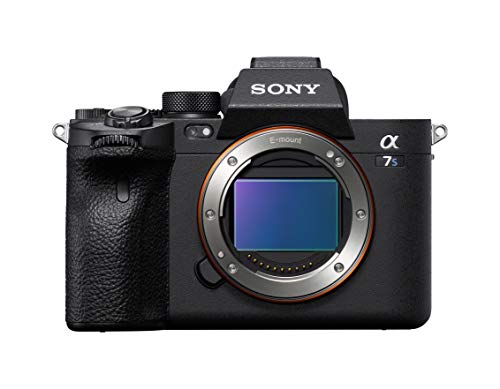
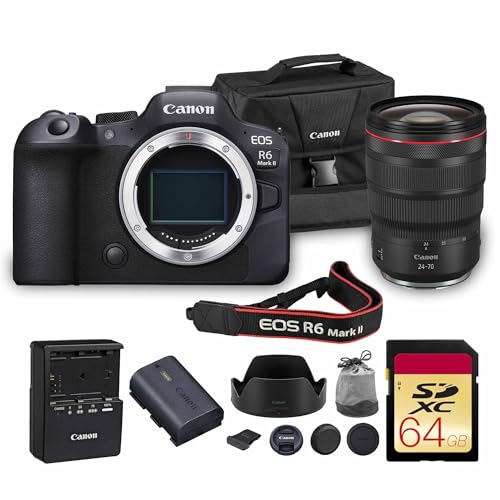
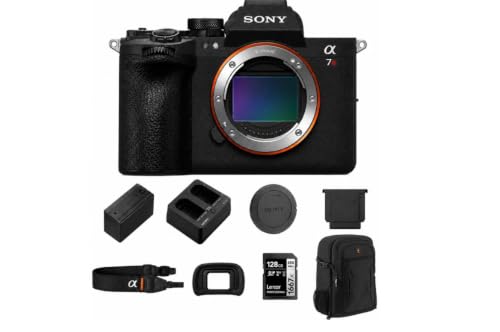
Spending up to $5000 opens a huge range, from pocket compacts to full frame bodies for paid work. The best cameras under 5000 are not the ones with the longest spec list, because sensor size, lenses and video tools matter more.
This guide shows how each tier changes image quality and handling, and which extras to skip. Use the comparison table below to match camera types to your budget, then plan a kit with room for lenses and sound.



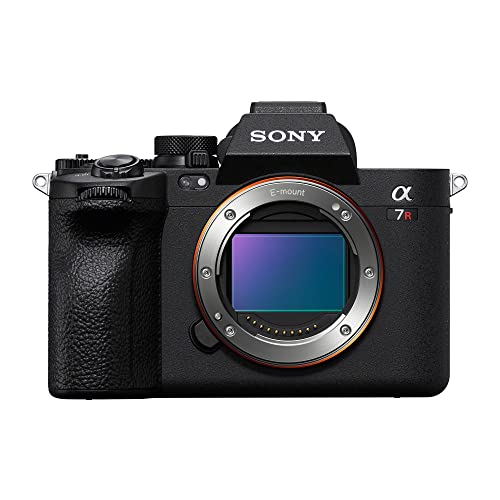
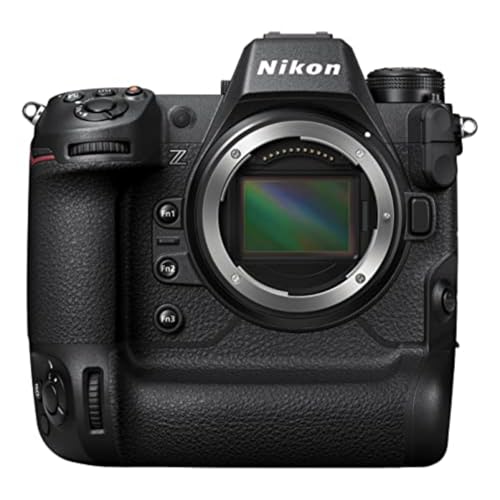

Who Should Buy a Camera in This Price Range?
Most readers comparing the best cameras under 5000 have a clear job in mind, such as content, client work or short films. Start from that job, because it decides whether your budget favors the body, the lens or the video tools.
Creators Who Publish Photos and Video Every Week
You need one camera that handles stills on Monday and video on Tuesday. Look for a hybrid mirrorless body with a flip screen, a microphone input and autofocus you can trust. An APS C body often fits best, leaving money for a bright lens and a microphone.
Working Photographers Who Need a Dependable Main Body
If clients pay you, reliability outranks novelty. Prioritize two memory card slots, a weatherproof body and lenses that cover your paid work. An older full frame body can beat a newer model with one slot. See our guide to the best digital cameras for more formats.
Filmmakers and Streamers Building a Small Rig
Your camera is the center of a rig, not the whole purchase. Budget for the body, one lens, a tripod, lighting and audio, keeping the body near half of total spend. Clean HDMI output and log color matter more than burst speed, and cool running during long recordings saves stress.
Kit Budgets From Starter to Flagship Level
The tiers below describe complete starting kits on the US market, not bodies alone, because a lens is part of every real budget.
Entry Tier at About $500 to $1200: Small Sensors, Simple Controls
This tier covers 1 inch compacts with a fixed optical zoom lens and bodies with an APS C sensor and kit zoom. Results in good light are clean, and the cameras stay small. Trade offs are weaker low light detail and fewer dials. If you may spend less, see our guide to the best cameras under 3000.
Middle Tier at About $1200 to $2500: Larger Sensors and Stronger Video
Here you find APS C bodies and earlier full frame models with sharper viewfinders, eye detection autofocus and 4K video that holds detail well. Controls improve too, with more dials and deeper grips. Most serious hobbyists should land here for the image quality jump and manageable lens prices.
Upper Tier at About $2500 to $5000: Full Frame Depth and Pro Handling
The top of this budget buys full frame bodies with the cleanest high ISO files, fast tracking autofocus and 10 bit video for grading. You also get two card slots and weather sealing. The hidden cost is glass, since full frame lenses cost as much as a middle tier body.
Key Features to Compare
Full Frame, APS C and Smaller Sensors Compared
Sensor size shapes low light quality and depth of field more than megapixel count does. A 1 inch sensor suits travel and video, APS C balances size and quality, and full frame gives the cleanest files in dim rooms. More megapixels help large prints but fill cards faster. Choose the smallest sensor that meets your needs, and put the savings into lenses.
Tracking Eyes, Athletes and Wildlife in Motion
Modern autofocus finds eyes, faces and animals and holds them as they move. You can focus on composing instead of babysitting a focus point. Sports and wildlife shooters should rank tracking first and check burst rates. Portrait shooters need reliable eye detection at wide apertures, where a small miss shows.
Image Stabilization for Photos and Video
Image stabilization steadies the sensor or the lens so you can hand hold slower shutter speeds and record smoother walking footage. In body stabilization helps every lens you mount, while lens based stabilization suits long focal lengths better. It cannot replace a tripod for locked shots, but indoors it can matter as much as a faster lens.
Video Tools Worth Paying For
Video tools include 4K recording at 60 frames per second, log profiles that protect highlights for grading, a microphone input, a headphone jack and a rotating screen. Many vlogging cameras here pair these tools with face tracking. Skip extras you will not use, such as 8K recording, and check recording limits.
Lenses, Optical Zoom and Mount Choice
A fixed lens compact gives you optical zoom in one sealed unit, which suits travel. An interchangeable lens body commits you to a mount, and that mount decides your costs, since lens choices differ by system. Price the two lenses you want next. If that total shocks you, a smaller sensor system may suit you better.
Picking the Right Camera for Different Uses
Best Video Cameras under 5000: Where Your Money Goes
For best video cameras under 5000, spend on recording stamina, audio and support before resolution claims. Choose a body with no short recording limit in your main format and a headphone jack to monitor sound. A hybrid body plus a quiet zoom covers interviews well.
Best 4K Cameras under 5000: Where Your Money Goes
For best 4k cameras under 5000, check how the camera records its 4K, not just that it offers it. Footage from the full sensor width looks cleaner than cropped footage, and higher frame rates help slow motion. Budget for fast cards, because 4K files are large.
Best Professional Cameras under 5000: Where Your Money Goes
For best professional cameras under 5000, the money goes to trust: two card slots writing at once, a shutter rated for heavy use, tethering for studio work and a deep lens range. Weather sealing and rental support also count. A proven body beats a newer body that only adds resolution.
Best Web Cameras under 5000: Where Your Money Goes
For best web cameras under 5000, resist spending the whole budget on the camera, because no stream needs a $5000 webcam. A mid priced mirrorless body with clean HDMI output, a capture device and one soft light looks far better on calls. Keep a simple webcam as a travel backup.
Best Movie Cameras under 5000: Where Your Money Goes
For best movie cameras under 5000, favor dynamic range, manual controls and rigging points over stills features. Cinema style bodies add cooling, timecode and audio options, while hybrid bodies stay smaller. Reserve budget for support gear and one lens you can focus by hand. See our guide to the best cinema cameras under 5000.
Common Mistakes to Avoid
- Spending everything on the body leaves nothing for a lens, so your images come out soft and dim.
- Chasing megapixel count while ignoring lens quality and light leads to big files that still look flat and noisy.
- Buying a 4K body without budgeting for fast cards and audio gear leaves footage silent or unusable.
- Choosing a fixed lens compact for work that needs several focal lengths forces a costly restart within a year.
- Ordering a large pro body without holding it first risks a grip and weight you leave at home.
What Ownership Adds After the Body Price
The body is only the first payment. Extra batteries, fast cards, a bag and a backup drive often add about $200 to $600. Lenses are the largest cost, followed by audio gear and storage, since 4K clips fill drives fast. Keep the camera near 60 percent of your first year spend.
Care and Maintenance for Cameras in This Price Range
Use a rocket blower before any cloth touches the sensor or glass, and wipe lenses with a microfiber cloth. Store the camera in a dry cabinet or a bag with desiccant if your home is humid, because lens fungus is costly to remove. Update firmware when released, and let a weatherproof body dry fully after rain.
Cameras Under $5000: Your Questions Answered
Can you get a good camera under $5000 for both photos and video?
Yes, one hybrid camera under $5000 can cover both photos and video well. You share a lens set, battery type and menu system, which lowers cost and friction. Before paid work, test a finalist with a long video take in a warm room, because heat behavior rarely shows in store demos.
Is a smartphone enough instead of a dedicated camera under $5000?
A smartphone is enough for casual photos and quick clips, and it wins on instant sharing. A dedicated camera pulls ahead when you want real optical zoom, shallow focus or clean files in dim light. A flagship phone replaced every two years can cost more over a decade than one camera body.
Which sensor size is better for low light photos and video?
Full frame is better for low light, since its larger sensor gathers more light and keeps noise lower at high ISO. A fast lens narrows the gap, because an APS C body with a wide aperture prime can beat a full frame body with a slow kit zoom. For static scenes, a tripod helps more than an upgrade.
How much should you spend on a first camera under $5000?
Spend about half to two thirds of your budget on a first camera and keep the rest for a lens and a bag. After three months of shooting, check which focal lengths you use before buying a second lens. That habit prevents owning three lenses that all cover the same view.
Does a camera under $5000 need two memory card slots?
A camera under $5000 needs two slots only when a lost shoot cannot be repeated, such as weddings and paid events. For travel and family use, one slot plus a nightly backup to a laptop protects you as well. If you buy two slots, set the second card to mirror the first, or the backup disappears.
Final Thoughts
Choose the sensor size you can afford to feed with lenses, rank autofocus and stabilization by your subjects, and keep money for glass, cards and sound. Compared in the product table above, the best cameras under 5000 separate themselves less by resolution than by how well the kit fits your work.