
Best Cinema Cameras under 1000: Matching the Right Camera to Your Routine in 2026
Disclosure: We may earn a commission when you buy through links on this page, at no extra cost to you. As an Amazon Associate I earn from qualifying purchases. Learn more

Compare the best cinema cameras under 1000 by routine and use case, with honest notes on body and lens budgeting, used options, record limits, and heat.
There is no single right cinema camera at this price, because a desk creator, a film student, and an event shooter ask one budget to do three different jobs. The best cinema cameras under 1000 for you are the ones that fit your weekly routine, not the ones with the most impressive headline specs. One budget fact shapes everything below: at this figure the body is only part of the spend, and the lens and light classes take the rest, so a body only plan fails the job before filming starts.
Use the comparison table below to line up the main classes against your routine, then read on for the reasoning behind each match, what this budget cannot buy, where the used market doubles your options, and which limits to check before any sensor bragging rights.


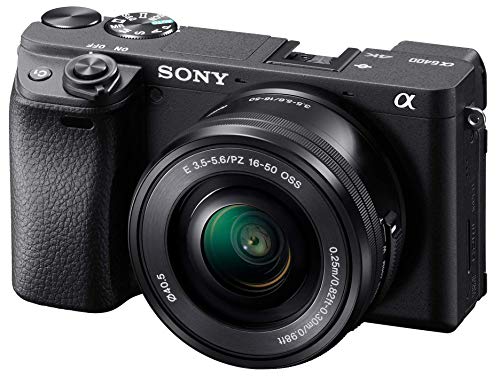

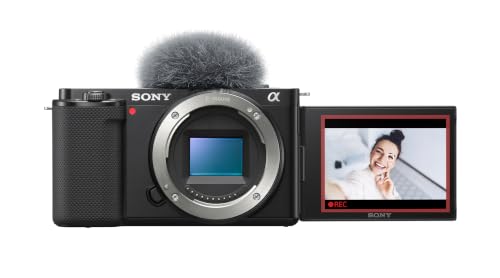
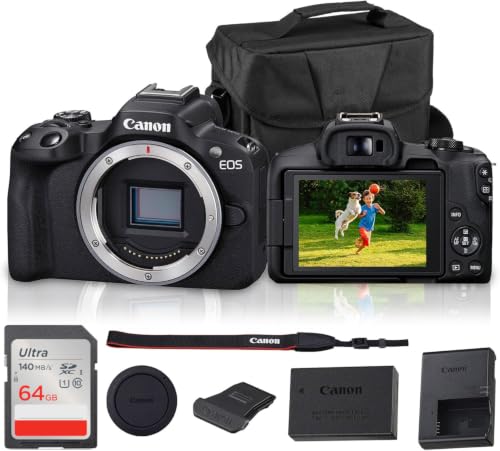


Who Should Buy Which Cinema Cameras?
Start from your routine: each group below names its pattern, its demands, and its fitting class.
For Creators Filming at a Desk and at Home
If your routine is lessons, reviews, or talking head videos in one or two rooms, your priorities are a flip screen, dependable autofocus that holds an eye, and clean audio connections. A compact mirrorless body with a kit zoom covers this work well, and the money saved belongs in a microphone and one soft light, which change results more than a sensor step up. Shoppers in this group often compare wider stills and video options through guides to the best cameras under 1000 before settling on a video led class.
For Students and Everyday Filmmakers
Students need a camera that teaches manual control, survives being carried daily, and records long enough for class projects and short films. Battery life and affordable lenses matter more here than extreme resolution. Look for a body with manual exposure controls you can reach without menu diving, focus aids for manual lenses, and a mount with cheap used glass. This group benefits most from the used market, since last generation bodies often land inside the budget with a lens included.
For Power Users Who Shoot Long Sessions
If your routine means events, interviews, ceremonies, or any session where the camera rolls for an hour or more, your deciding features are record limits, heat handling, and power options. Some bodies in this class cap each clip at about 30 minutes, and some overheat in warm rooms during long 4K recording, so these checks outrank sensor size for you. Dual card slots are rare at this price, so fast cards and immediate backups become part of the purchase. Prioritize bodies with generous recording limits and the option to run from mains power or large external batteries.
Key Features to Compare in the Best Cinema Cameras Under 1000
Read these factors against your routine: the same feature can be essential for one group and wasted money for another.
Sensor Size and Image Quality
Under this budget you will mostly choose between Micro Four Thirds, APS C, and a smaller set of full frame options, many of them used. Larger sensors gather more light and give shallower depth of field, while smaller sensors pair with cheaper, lighter lenses and forgive focus errors. Megapixels are a weak guide for video, because 4K footage uses only about eight megapixels. What you feel in practice is low light cleanliness and how footage holds up in editing, and both improve as sensor size grows, provided the lens is fast enough to feed it light.
Lens Mount and the True Cost of Glass
The mount decides your spending for years, so read it before the body. A mount with affordable native lenses and a deep used shelf lets this budget stretch, while a mount with only costly glass turns a cheap body into an expensive system. A kit zoom covers daily work, but a fast prime lens unlocks dim rooms and background blur at this price. Buyers comparing video led systems often cross check guides to best cameras for videography under 1000 to see how mounts and lens prices line up across brands at this figure.
Autofocus and Stabilization
Modern autofocus that tracks eyes and faces frees a solo shooter to perform instead of babysitting focus, and it is one of the strongest reasons to buy recent bodies in this class. Manual focus still matters for controlled scenes, so focus peaking and magnification aids are worth having. In body stabilization smooths handheld clips and walking shots, though it does not replace a tripod for locked off scenes. If your routine is mostly handheld, weight this section heavily; desk shooters on tripods should spend the money on audio instead.
Record Limits and Heat Come Before Sensor Bragging
Cinema work is video work, and the video classes that end shoots are record limits and heat, so read them before sensor size. Check the longest single clip at your chosen resolution, whether owners report shutdowns during long 4K sessions, and whether the body records while powered externally. A camera that stops mid interview has failed its core job no matter how lovely its image is. Bodies with fans or generous recording allowances exist in this class, and long session shooters should hunt them first and compare sensors second.
What You Can Realistically Get Under $1000
Hold the system rule firmly: the body is part of the spend, and lens and light classes are the rest. A sensible split puts about $600 to $750 into a body and keeps the rest for one good lens beyond the kit zoom, a microphone, and support gear. At this figure you can expect clean 4K, useful autofocus, a microphone input, and a flip screen, but not internal professional codecs, dual slots, or weather sealed pro builds.
The used market is the honest depth at this figure: bodies one or two generations old sell with a lens for less than a new entry body alone, buying features this budget cannot reach new. Guides to best digital cameras under 1000 show the same pattern across stills led classes, where used flagships undercut new basic bodies.
Common Mistakes to Avoid When Buying Cinema Cameras
- Spending the whole budget on the body, leaving nothing for the lens, light, and microphone that finish the footage.
- Ignoring record limits and heat behavior, then discovering mid interview that the camera stops on its own schedule.
- Choosing a lens mount with only expensive glass, so every future lens strains the same budget.
- Skipping the microphone input to save money, which locks you into distant, echoing camera audio for every video you publish.
- Buying a stills led body for a video routine without checking its video menus and limits, a mismatch that guides to best dslr cameras under 1000 flag often for older designs.
Tips to Get the Most From Your Cinema Camera
- Clean the lens with a proper lens cloth rather than your shirt, because fabric grit scratches coatings over time.
- Carry a spare battery and format cards in the camera before each shoot, so a long session never ends on a settings error.
- Store the camera and lenses in a dry, padded bag, and keep silica packs in the bag if your home is humid.
- Learn one flat picture profile well instead of sampling many, because consistent footage is easier to grade and to match across shoots.
- Back up footage the same day you shoot it, since a single card is the only copy of work that cannot be filmed twice.
Cinema Cameras: Your Questions Answered
Can you get a good cinema camera under $1000?
Yes, provided you define good by your routine rather than by flagship spec sheets. At this figure you can buy clean 4K recording, eye tracking autofocus, a microphone input, and a lens mount with room to grow, which covers lessons, short films, events, and publishing comfortably. The honest gaps are dual card slots, tough weather sealing, and extreme low light performance. A used body from a higher class closes several gaps at once, which is why experienced buyers check the used shelf first.
Is a smartphone enough instead of a cinema camera?
A current smartphone is enough for casual clips and quick social posts, and its automatic processing hides many beginner mistakes. It falls short when you need real lens choice, dependable long recording, proper microphone connections, or manual control that stays set. One practical check is a dim room: a dedicated camera with a fast lens keeps faces clean where a phone turns grainy and hunts for focus. If video is a weekly habit or paid work, the camera earns its place quickly.
How should the budget be split between the body and the lens?
A workable split puts roughly two thirds into the body and one third into glass and sound when buying new, and closer to half and half when buying used. The lens shapes your image every day, while body features help on specific shoots, so starving the lens to upgrade the body is the classic error at this price. Keep a small reserve for a microphone, because viewers forgive soft images sooner than hard to hear speech.
Are film cameras under this budget a realistic alternative?
True best film cameras under 1000 belong to a different medium class altogether, since they record on physical film stock rather than a sensor. That difference changes the whole routine: every minute carries stock and processing costs, you cannot review a take on the day, and the film must be scanned before editing. Filmmakers choose that route for its look and discipline, not for economy or speed, so treat it as a creative side path, not a substitute for a digital cinema body.
Which sensor size is better for low light video at this price?
Full frame leads for low light because its larger sensor gathers more light per frame, and at this budget those bodies are mostly used finds. APS C is the realistic new purchase for dim rooms, especially paired with a fast prime lens, which often matters more than the sensor step. Smaller sensors still work after dark if you add light, and a modest LED panel costs less than the jump to a larger sensor class.
Final Thoughts
Match the camera to your routine, split the budget across the whole system, and check record limits and heat before admiring any sensor. The product table above gathers the classes that fit this figure, and the best cinema cameras under 1000 for your work are the ones that keep recording, focus where you point them, and leave money for the lens and light that finish the job. Buy the system you can afford to complete, and this budget will carry serious video work for years.


