Best Above Ground Pool for 2026: A Complete Buying Guide
Disclosure: We may earn a commission when you buy through links on this page, at no extra cost to you. As an Amazon Associate I earn from qualifying purchases. Learn more

Choosing an above ground pool for your yard? Compare size, frame type, materials, pump and total cost before you buy.
Choosing the best above ground pool starts with your yard, not with a size chart. A pool that is too large crowds out level ground for the frame and leaves no safe space around the edge, while a pool that is too small can feel cramped after only a few swimmers climb in. This guide walks you through sizes, types, materials, pumps, and costs so you can match a pool to the way your household will actually swim.
Use the comparison table below to line up the main options side by side, then read the sections that follow for the detail behind each choice. You will find buying profiles for different budgets and yards, clear sizing advice, and care steps that help a pool last for many seasons.
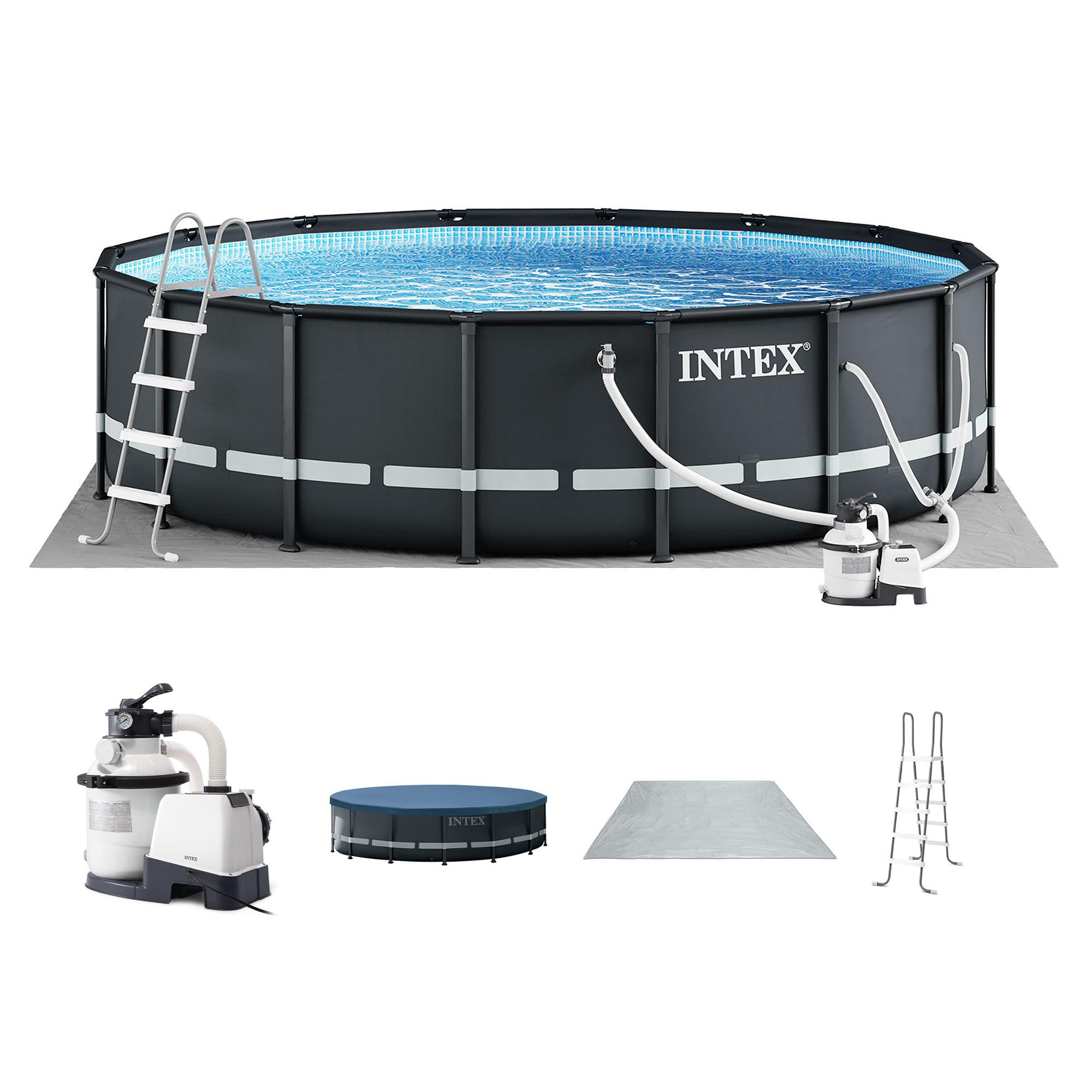
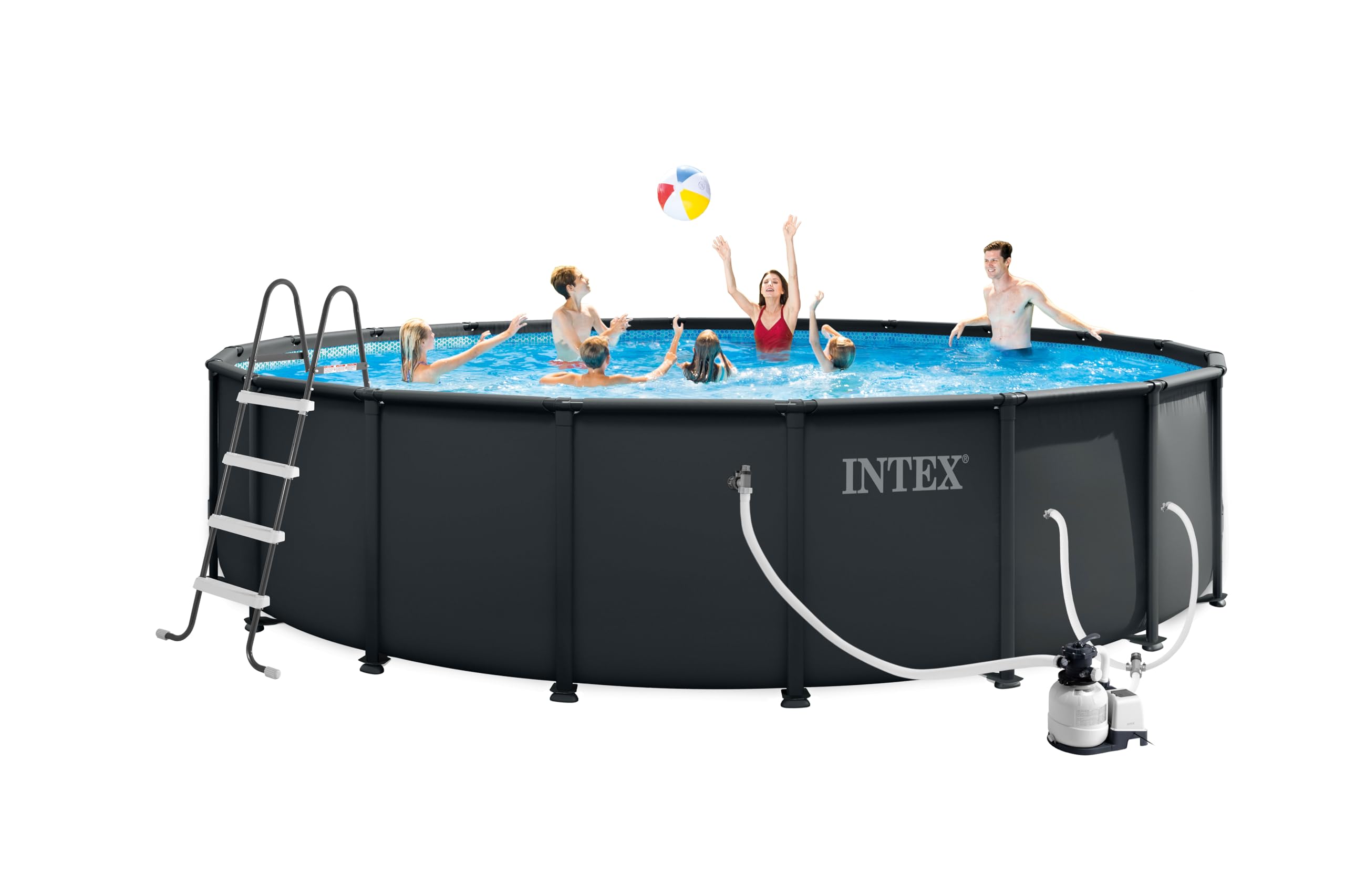


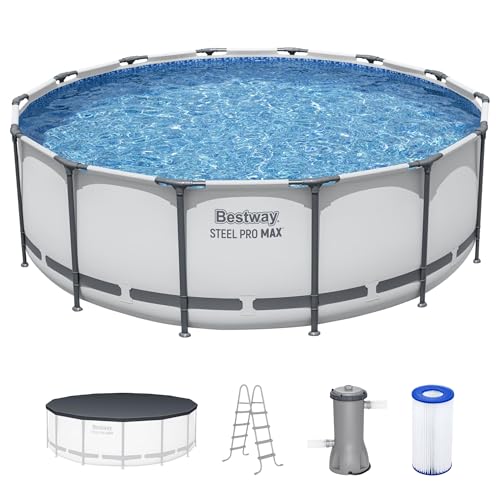
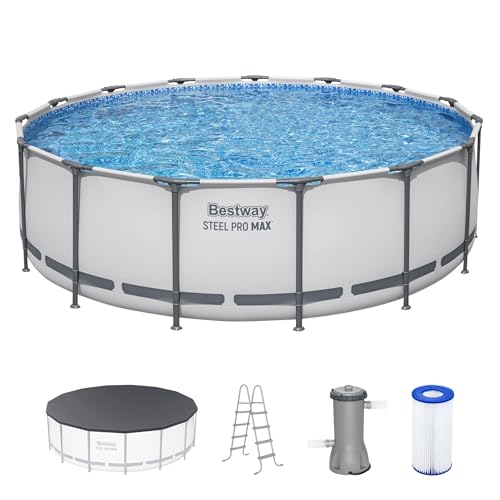


Three Buying Profiles and What to Prioritise
Most buyers fit one of three profiles, and each profile puts a different factor first. Reading your own profile honestly saves money, because it stops you paying for depth or width you will not use. It also stops the opposite mistake of buying the smallest pool in the range and outgrowing it in a single summer.
The Value Profile for a First Pool
If this is your first pool, prioritise a simple metal frame design in a modest round size, with a pump and ladder included in the box. A complete kit avoids surprise costs in the first month, and a smaller water volume keeps chemical use and cleaning time low while you learn the routine. Plan on about $200 to $500 for this tier, and expect a liner and frame that suit a few seasons of careful use rather than a decade of service.
The Family Profile for Daily Swimming
Families who swim most days should prioritise wall strength, a stronger pump, and enough width for adults and children to move without constant contact. A mid size round or oval pool with a sand filter usually fits this profile best, because the filter handles heavier use with less cartridge washing. Expect to spend about $500 to $1000, and budget extra for a ground cloth, a cover, and a stable ladder with a platform.
The Upgrade Profile for a Longer Season
Buyers who want a pool that stays up longer and feels closer to a permanent fixture should prioritise thicker liner material, corrosion protection on the frame, and a depth of 52 inches where local rules allow it. Resin parts and coated steel hold up better in sun and rain, and a larger filter extends the time between cleanings. This tier often runs about $1000 to $3000 once you add a better pump, a solar cover, and proper site preparation.
How to Judge an Above Ground Pool
Five criteria separate a pool that delights from one that frustrates. Look at build materials and weather resistance first, because the liner and frame face sun, rain, and stored water all season. Next check size and capacity in gallons, since capacity drives pump size, chemical cost, and heating time. Then weigh assembly effort, day to day durability, and the length and terms of the warranty on the liner and frame.
Read buyer feedback for patterns rather than single complaints. Repeated notes about seam leaks, bent uprights, or pumps that lose prime point to real design limits. A single report of a torn box tells you little. Match what you learn against your own site, your water source, and how many months each year the pool will stay filled.
How to Choose the Right Above Ground Pool
Size and Form Factor
Round pools are the most common shape, and diameters of 12 feet, 15 feet, 18 feet, and 24 feet cover most yards. Round designs spread water pressure evenly and usually cost less per gallon than other shapes. Oval and rectangular pools use long straight sides to fit narrow yards and to give swimmers a short lap lane. Depth matters as much as width, with walls of 42 inches, 48 inches, and 52 inches changing both capacity and who can stand comfortably.
Pool Type
Metal frame pools use a liner held by steel tubes and offer the best balance of price, strength, and takedown storage for most homes. Inflatable ring pools set up fast and suit small children, but the ring can lose air and the walls offer less support for leaning. Hard sided pools use a steel or resin wall that stays up year round in many climates, trading portability for strength. Resin frame pools resist rust well near salt air, and some frame pools are rated for saltwater systems if you confirm that rating before you buy.
Features Worth Paying For
A pump and filter sized for the full water volume is the feature that matters most, because clear water depends on turning over the whole pool each day. A sand filter lowers ongoing cost for large pools, while cartridge filters suit smaller pools and simpler care. A ladder with a locking or removable outer section adds safety for homes with young children. A fitted cover, a ground cloth, and a simple test kit protect the liner and keep water balanced from the first fill.
Weather Resistant Materials
Sun breaks down thin vinyl over time, so look for liners described as layered or reinforced, with material that resists punctures from small stones and pool toys. Frames should carry a powder coat or galvanised finish, and joints should shield raw metal from standing water. In windy areas, a heavier wall and wide top rails help the pool hold its shape during storms. If your pool will sit in full sun all day, a lighter liner colour can slow heat gain and reduce algae growth slightly.
Size for Your Space
Measure the flat area you have, then add at least 3 feet of clear space on every side for assembly, cleaning, and safe entry. The ground must be level within about an inch across the whole footprint, because even a small slope pushes thousands of pounds of water toward the low wall. Keep the pool away from overhead wires and from trees that drop heavy debris, and check local rules for setbacks from fences and property lines before you order.
Safety planning belongs in this step, not after setup. Many towns require a barrier or a fence of a set height around pools above a certain depth, and some require alarms on gates. Check local rules before you buy, keep rescue gear within reach, and set a firm rule that children are supervised at all times in and around the water.
Assembly and Anchoring
Most frame pools go up with two adults in a few hours once the ground is ready, and ground preparation almost always takes longer than the frame itself. Lay the ground cloth first, build the frame on it, and fill slowly while you smooth liner wrinkles from the centre outward. Our step by step advice in the guide on how to assemble an above ground pool covers the order of parts and the checks to run as the water rises. Never move a pool once it holds water, and never anchor straps to a deck unless the maker allows it.
Care and Off Season Storage
Weekly care comes down to testing the water, skimming debris, brushing the walls, and running the pump long enough each day. Shock the water after heavy use or a storm, and clean or replace filter media on the schedule the maker sets. At the end of the season you can drain and store a frame pool indoors, or leave a suitable pool up and protect it. The full routine in our guide on how to winterize an above ground pool explains water balance, cover fitting, and pump storage for cold months.
How Much Should You Spend?
Under $200 buys a small inflatable or starter frame pool for young children, with a small pump or no pump at all. About $200 to $500 covers the most popular family frame pools with a cartridge filter and ladder included. About $500 to $1000 adds larger sizes, sand filters, and stronger liners, while under $3000 covers the largest frame pools and many hard sided pools with upgraded equipment. Remember to add the cost of a level site, water, chemicals, and power for the pump to any price you compare.
Best Above Ground Pools by Need
Your household shape should steer the final choice. Adults who mainly want to cool off, float, and exercise will value depth and a calm layout, which is why the guide to the best above ground pool for adults focuses on wall height and ladder comfort. Rectangular shapes suit narrow yards and swimmers who want a straight lane, and the best rectangular above ground pool guide explains the extra buttress space those frames need.
Small yards call for a different trade off, trading swim room for a footprint that still leaves space for a patio or play area, as covered in the best small above ground pool guide. If you are still weighing whether to stay above ground at all, compare digging costs, permit needs, and long term upkeep against a frame pool before you spend anything.
FAQs
What is the best above ground pool?
The best choice is the pool that fits your level yard, your swimmer count, and your care routine. For most families that means a metal frame pool in the 15 foot to 18 foot range with a filter sized for its full volume. A larger pool with a weak pump will disappoint more than a slightly smaller pool with strong filtration, so match the equipment to the water volume first.
How long does an above ground pool last?
A frame pool liner typically lasts about 6 to 10 years, and the frame can last longer if you dry it before storage and touch up rust spots early. Hard sided walls often serve 10 years or more with a liner change partway through. One point many owners miss is that leaving a frame pool up through a freeze can shorten liner life, even when the water looks fine in spring.
Is an above ground pool worth it?
Yes, an above ground pool is worth it for most households that will swim weekly through the warm months. The cost per swim drops fast compared with club fees or travel to a public pool, and setup avoids the digging and permits a built in pool often needs. It is less worth it if your season is very short or if no adult at home wants the weekly testing and cleaning routine.
How do you clean an above ground pool?
Clean an above ground pool by skimming daily, vacuuming the floor weekly, and brushing the waterline where oils and dust collect. Run the pump after vacuuming so the filter catches what you stirred up, and rinse cartridge filters with a garden hose rather than a pressure washer, which can tear the folds. A pool brush with a soft head protects the liner better than a stiff brush made for concrete pools.
What is the most reliable above ground pool type?
Metal frame and hard sided pools are the most reliable types for season after season use, because their walls and supports do not depend on air pressure. Reliability also depends on parts support, so favour designs whose replacement liners, pumps, and fittings are easy to order. Keep the original manual and model details in one folder, since ordering the right liner years later depends on the exact size and wall height.
Final Thoughts
The right pool is a fit decision, not a size contest. Match the shape to your level ground, choose materials that suit your sun and weather, and size the pump for the full water volume. Use the product table above to compare the profiles in this guide against your budget and yard one more time before you order.
Start with the best above ground pool for the way your household swims, set it up on truly level ground, and keep up the simple weekly routine. Do that, and you will spend your summer in the water instead of chasing leaks, cloudy water, and bent frame parts.