
Best Chlorine Tablets 2026: How to Choose the Right One
Disclosure: We may earn a commission when you buy through links on this page, at no extra cost to you. As an Amazon Associate I earn from qualifying purchases. Learn more

Compare chlorine tablets for pools by type, size, and release speed, with guidance on testing, feeders, and safe storage for clear water for smart buying.
Pool care becomes much easier when chlorine levels stay steady, and tablets are a common way to achieve that. When you shop for best chlorine tablets, the type, size, and release speed matter more than brand alone. This guide explains how to match those factors to your pool, so water stays clear with less daily work.
The product table below gives a quick overview of the main choices. The sections that follow explain who each type suits, the types available, and the features that matter most, so you can narrow the choice to what fits your pool, routine, and budget.


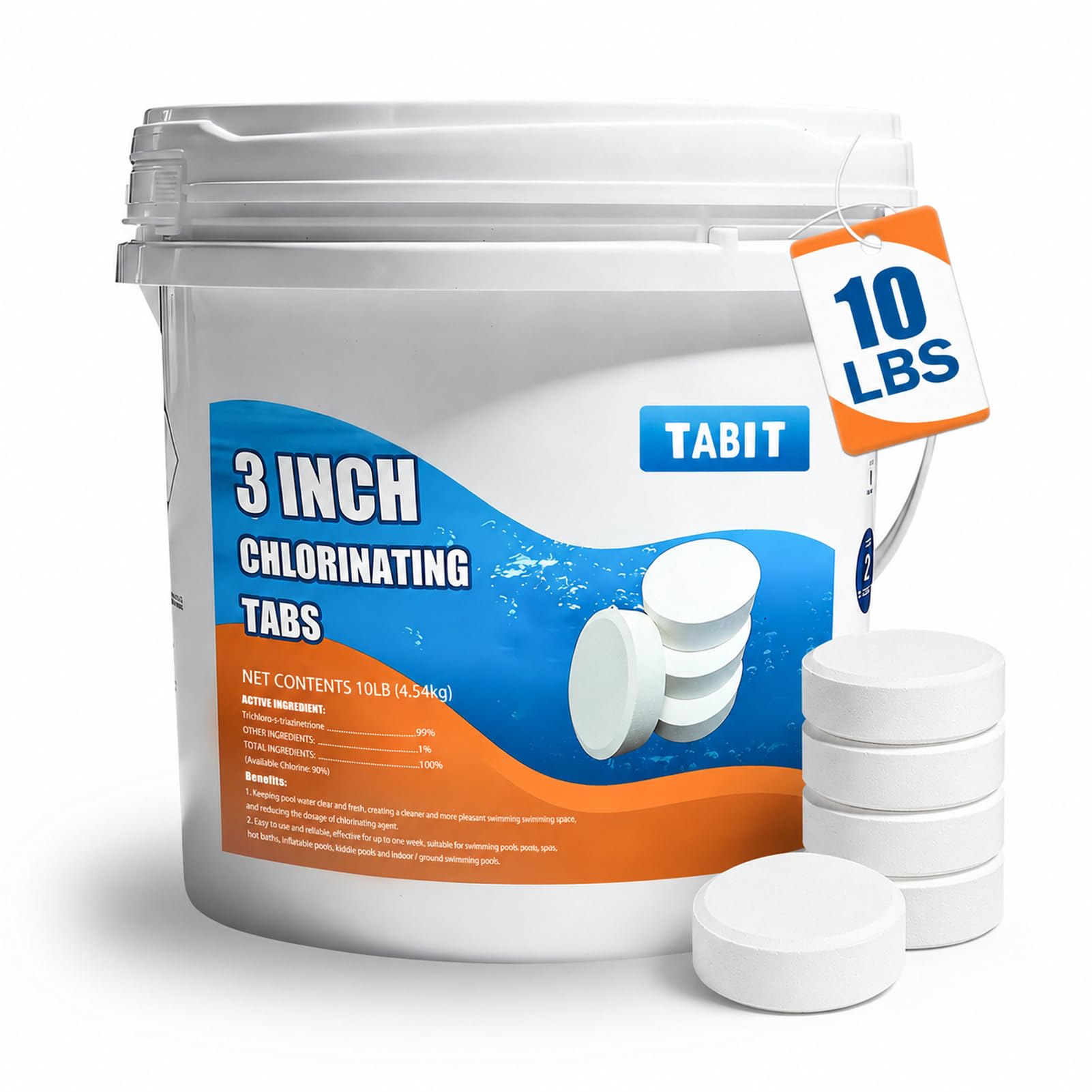


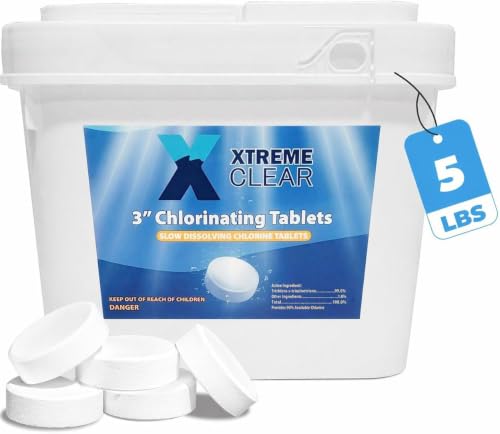

Who Should Buy Which Type
Different buyers need different strengths from chlorine tablets. The groups below cover the most common situations, and each one notes what to prioritize first.
For Above Ground Pool Owners
Above ground pool owners often use a floater or a simple feeder, since plumbing options are limited. Smaller tablets or a floater with adjustable flow suit this setup well. Check liner guidance first, since some tablet types can bleach or damage a liner if placed badly.
For In Ground Pool Owners
In ground pool owners can use an inline feeder plumbed into the system, which gives precise control. Larger slow tablets suit this setup and reduce refill frequency. Match the feeder to your pump flow, and test regularly after changing settings.
For Hot Tub and Spa Owners
Hot tub and spa owners need careful dosing, since water volume is small and temperature is high. Use only tablets made for spas, and test often. A small change in dose has a larger effect in a spa than in a pool, so adjust slowly.
Types Compared
The main types differ in size, performance, and upkeep. Comparing them side by side makes it easier to see which trade off you are happy to accept.
Trichlor Tablets
Trichlor tablets are strong, slow dissolving, and stabilized against sunlight, which suits outdoor pools. They are acidic, so pH needs regular checking. They suit larger outdoor pools where steady release matters most.
Dichlor Tablets
Dichlor tablets dissolve faster, are gentler on pH, and suit spas and quick corrections. They contain stabilizer too, but they release chlorine sooner. They suit smaller volumes and situations where a faster response helps.
Multifunction Tablets
Multifunction tablets combine chlorine with algaecide or clarifier in one tablet. They simplify routine care, but they reduce control over each chemical separately. They suit owners who want a simple routine and already have balanced water.
Related guides that may help: For pool specific tablet guidance, see best chlorine tablets for pool. For a different chlorine chemistry, read about best chlorine dioxide tablets.
Key Features to Compare
Use the features below as a checklist when you compare options in the product table above. A model that scores well on the points that matter to you will usually serve you better than one with a long list of extras you never use.
Stabilizer Content
Stabilizer, often called CYA, protects chlorine from sunlight but builds up over time. Outdoor pools benefit from stabilized tablets, while indoor pools usually do not need them. Test stabilizer levels occasionally, since very high levels can make chlorine less effective.
pH Effect
Different tablet types affect pH differently, and trichlor tends to lower pH. Regular pH testing prevents eye irritation and equipment damage. Keep pH in the range your pool surface and maker recommend, and adjust with the right product when needed.
Feeder Compatibility
Tablets must suit the feeder or floater you own. The wrong size can jam a feeder or dissolve unevenly, while mixing tablet types in one feeder can be dangerous. Use one tablet type per feeder, and follow feeder maker guidance for size and setting.
Water Testing
Regular testing is the only reliable way to know whether tablet dosing suits your pool. Test chlorine and pH at least twice a week in season, and more often after heavy use or rain. Record results so you can spot trends before water turns cloudy or green.
Seasonal Adjustment
Chlorine demand changes with the seasons, rising in hot sunny weather and falling in cool cloudy periods. Adjust feeder settings as temperature and use change, rather than keeping one setting all year. Test more often during heat waves and after heavy swimming sessions.
Common Mistakes to Avoid
A common mistake is placing tablets directly in a skimmer basket, which can damage equipment and create very high chlorine near the skimmer. Another is adding tablets without testing, which leads to over or under dosing. Use a feeder or floater as directed, test often, and change settings gradually.
Getting the Most From Your Choice
Store tablets dry, cool, and locked away from children, pets, and other chemicals. Never mix tablet types, and never mix chlorine tablets with other pool chemicals in a bucket or feeder. Rinse hands after handling, and keep the original container sealed between uses.
Planning Your Purchase
Begin with accurate pool volume and a fresh set of water tests, since both guide every later decision. Note chlorine, pH, alkalinity, and stabilizer levels, and keep a simple log so trends are visible over weeks rather than guessed from one reading.
Pick one tablet type and stick with it for the season, since mixing types in a feeder is unsafe and makes dosing unpredictable. If you switch types, finish the old supply first and clean the feeder as the maker directs.
Set a testing routine you can sustain, such as twice a week in season, and tie it to a regular day. Consistent testing catches problems early, when a small feeder adjustment fixes them, rather than late, when cloudy or green water needs a larger correction.
Questions to Ask Before You Order
- Is my pool above ground or in ground, and what feeder do I use?
- How much sunlight does the pool receive each day?
- What is my pool volume, and what dose does the feeder suggest?
- Do I test chlorine and pH regularly, and do I record results?
- Where can I store tablets safely away from children and other chemicals?
Write down your answers before you order. They make it much easier to compare the options in the product table above without getting distracted by features you do not need.
Frequently Asked Questions
How often should I test pool water?
Test chlorine and pH at least twice a week during swimming season, and more often after storms, heavy use, or a dose change. Testing takes only a few minutes and prevents most water problems. Record results to see trends rather than reacting to a single reading.
Can chlorine tablets damage a pool liner?
Tablets placed directly on a liner can bleach or damage it, since chlorine concentration is very high at the tablet surface. Always use a feeder or floater, and never drop tablets loose into the pool. If a tablet falls to the floor, remove it promptly and brush the area.
What should I do if chlorine is too high?
Stop adding tablets, remove the feeder or floater from the water, and let levels fall naturally with sunlight and use. Do not swim until chlorine returns to the recommended range. Test daily until levels normalise, then restart dosing at a lower setting.
Can I mix different chlorine tablets?
No, never mix different tablet types in one feeder or container. Mixing can create dangerous reactions and damage equipment. Finish one type before switching, and clean the feeder between types if the maker directs you to do so.
How long do chlorine tablets last in storage?
Tablets stored dry, cool, and sealed can last a season or longer, but damp storage shortens life and can cause clumping. Keep the original container closed, away from heat and other chemicals. Discard tablets that smell strongly, crumble, or show signs of damp damage, following local disposal guidance.
Can I use chlorine tablets in a saltwater pool?
Saltwater pools generate their own chlorine, so tablets are usually unnecessary and can push levels too high. Use tablets only if your salt system maker directs it, for example during a short term correction. Test carefully if you do, and return to normal operation promptly.
One Last Check Before You Order
Before ordering, double check that the tablet size matches your feeder and that you have a safe, dry storage place ready. A feeder that jams or a damp storage spot can waste a whole supply, so confirm both details while the return period still applies.
Record chlorine and pH after each test, since a short log reveals trends that a single reading hides.
Final Thoughts
The best choice among best chlorine tablets is the type and size that fits your feeder, suits your sunlight and pool volume, and keeps levels steady with testing. Compare the product table above, test often, and adjust slowly for the clearest water.
Check the product table above once more against your shortlist, then choose the option that fits your space, routine, and budget best.


