
Best Chlorine Tablets for Above Ground Pool 2026: Buying Guide
Disclosure: We may earn a commission when you buy through links on this page, at no extra cost to you. As an Amazon Associate I earn from qualifying purchases. Learn more

How to pick the best chlorine tablets for above ground pool use: tablet size, feeders, stabilizer, liner safety, and pack size.
Above ground pools hold less water than inground pools, they sit in the sun all day, and most have a vinyl liner that concentrated chlorine can bleach. That combination decides what the best chlorine tablets for above ground pool owners should buy: a tablet size that fits your feeder or floater, a stabilized formula for sunny yards, and a dosing routine that never lets a tablet rest against the liner. This guide walks through each choice in order.
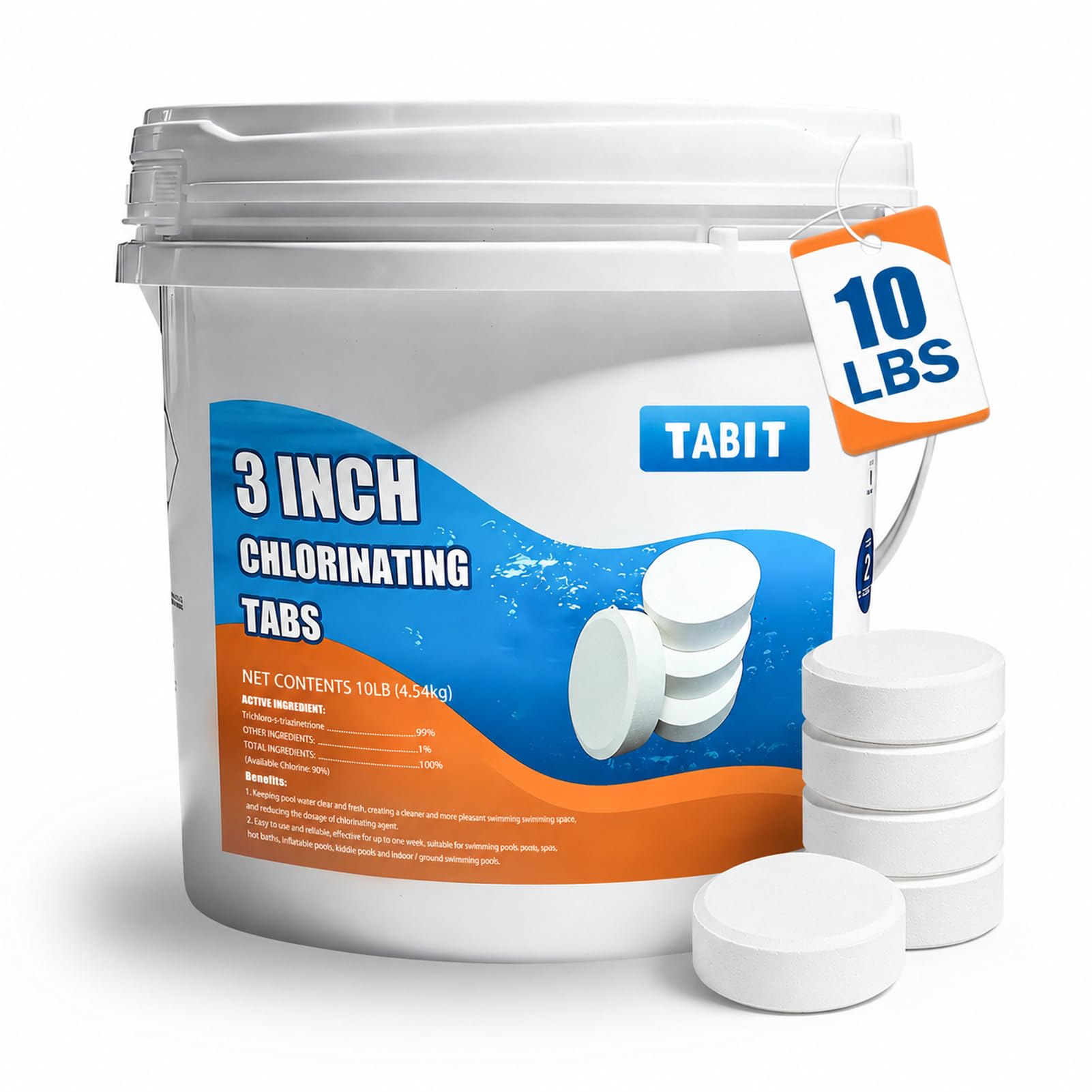
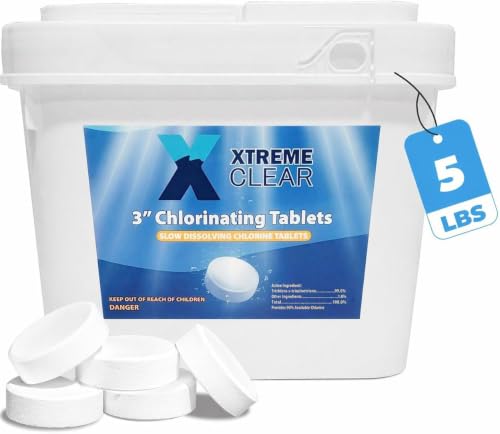
Use the product table below to compare tablets by size and pack weight, then check the details here against your pool volume and equipment.




Know Your Gallons First
Round above ground pools commonly hold between about 3,000 and 15,000 gallons, and oval models can hold more. The pool box or maker page gives a volume at the recommended fill line. Write that number down, because every dose, every tablet count, and every feeder setting depends on it.
Smaller volumes react quickly. One extra tablet can push chlorine well above the comfortable range in a small pool, while the same mistake in a large inground pool barely registers. That is why gentle, adjustable dosing matters more here than raw strength.
One Inch or Three Inch Tablets
Three inch tablets dissolve slowly and fit floating feeders and inline chlorinators. They suit larger above ground pools, usually from about 10,000 gallons up, where a single tablet per week may be enough. One inch tablets dissolve faster and let you fine tune the dose, which suits smaller and mid sized pools and skimmer baskets.
Whichever size you choose, match it to your dispenser. A tablet that rattles loosely can dissolve unevenly, and one that jams a feeder cap can cause an overdose or a stalled feed.
Floater, Skimmer, or Inline Feeder
Most above ground owners use a floating dispenser because it works without plumbing changes and spreads chlorine as it drifts. Choose one with adjustable vents so you can open it in steps after you check the water. Tablets placed in a skimmer basket are a common shortcut, but they send strong chlorine through the pump and filter whenever it runs and let it sit in the lines when it stops, so many equipment makers advise against it.
An inline feeder plumbed after the filter gives the steadiest dose, but it needs matching plumbing and a flow rate that suits your pump. Check the pool and pump manuals before you add one.
Stabilizer and Sunshine
Stabilized tablets contain cyanuric acid, which slows chlorine loss in sunlight. In an open yard that is a real benefit. The catch is that stabilizer stays in the water, so months of tablet use can build it up until chlorine works slowly. Check stabilizer a few times a season, and if it climbs past the range on your test kit or tablet label, replace part of the water with fresh water.
Protecting the Liner
Never drop a tablet on the pool floor or leave one resting on a step, where concentrated chlorine can bleach a pale patch and weaken the vinyl. Keep dispensers moving, brush the floor weekly, and dissolve any granular product in a bucket of pool water first when the label allows it. Rinse your hands after handling tablets and keep the container sealed.
Safety Basics
Never mix chlorine tablets with other pool chemicals, and never combine different chlorine types in one dispenser. Store the container locked away from children and pets, upright, dry, and away from fuel, fertilizer, and acids. Handle tablets outdoors with gloves and eye protection, and follow the label first aid directions if there is skin or eye contact or if tablets are swallowed.
Reading Pack Size and Price
Pack weight ranges from a couple of pounds to bulk buckets. A small pool with a short season rarely needs a 25 pound bucket, and tablets lose strength in damp or hot storage. Compare the price per pound among tablets in the size you need, and favor individually wrapped tablets if your storage is humid. Typical packs run about $20 to $120 depending on weight.
Related Guides
For general pool background, see our guide to the best chlorine tablets for pool. If you also care for a larger system, our guide to the best chlorine tablets for swimming pools covers whole pool routines, and our guide to the best chlorine tablets for inground pool explains how big feeder based setups differ.
Closing the Pool for Winter
Before you close an above ground pool, balance the water, remove tablets from the floater or feeder, and clean the dispenser. Do not leave tablets sitting in the skimmer or a stored floater, because leftover chemicals can damage plastic parts and stain liners. Store unused tablets sealed in a cool, dry, locked place, and note how many you used so you can size next season's order.
Frequently Asked Questions
How many tablets does an above ground pool need?
It depends on gallons, sun, water temperature, and swimmers, so start from the label rate for your volume and adjust from your test results. A small pool may need one 1 inch tablet or less per week, while a large pool may use a 3 inch tablet every week.
Should I use a floater or a chlorinator?
A floater suits most above ground pools because it needs no plumbing changes. An inline chlorinator gives steadier dosing if your plumbing and pump flow suit it.
What is stabilizer and why does it matter?
Stabilizer, often called cyanuric acid, shields chlorine from sunlight. It helps in sunny yards but builds up with regular tablet use, so check it a few times a season.
How do I test chlorine levels?
Use test strips or a liquid kit a few times each week, more in hot weather or after heavy swimming. Aim for the free chlorine range printed on your kit or tablet label.
How should I store chlorine tablets?
Keep them sealed in the original container, in a cool, dry, ventilated place that is locked away from children, pets, and other chemicals.
Final Thoughts
Measure your gallons, match the tablet size to your dispenser, and keep tablets off the liner. The product table above gives you a starting list, and your test results will tell you whether the dose is right.
A small, adjustable routine beats a big bucket and a guess, which is how the best chlorine tablets for above ground pool care stays simple all season.


