Best Above Ground Pools With Cover in 2026: Buying Guide and Top Options
Disclosure: We may earn a commission when you buy through links on this page, at no extra cost to you. As an Amazon Associate I earn from qualifying purchases. Learn more

A practical guide to the best above ground pool with cover: sizes, features, budget ranges, and mistakes to avoid before you buy.
A pool without a cover fills with leaves, dust, and insects after every windy night, and you end up skimming and vacuuming instead of swimming. Choosing the best above ground pool with cover from the start saves that daily work, because the cover is sized for the frame, fits the rim properly, and stays in place when the weather turns. The comparison table below groups the main bundled types side by side so you can match cover fit to your yard and routine.
A bundled cover also slows water loss and helps treatment chemicals last longer. If you want the broader picture first, see our guide to the best above ground pool before you narrow your choice to a cover bundle.
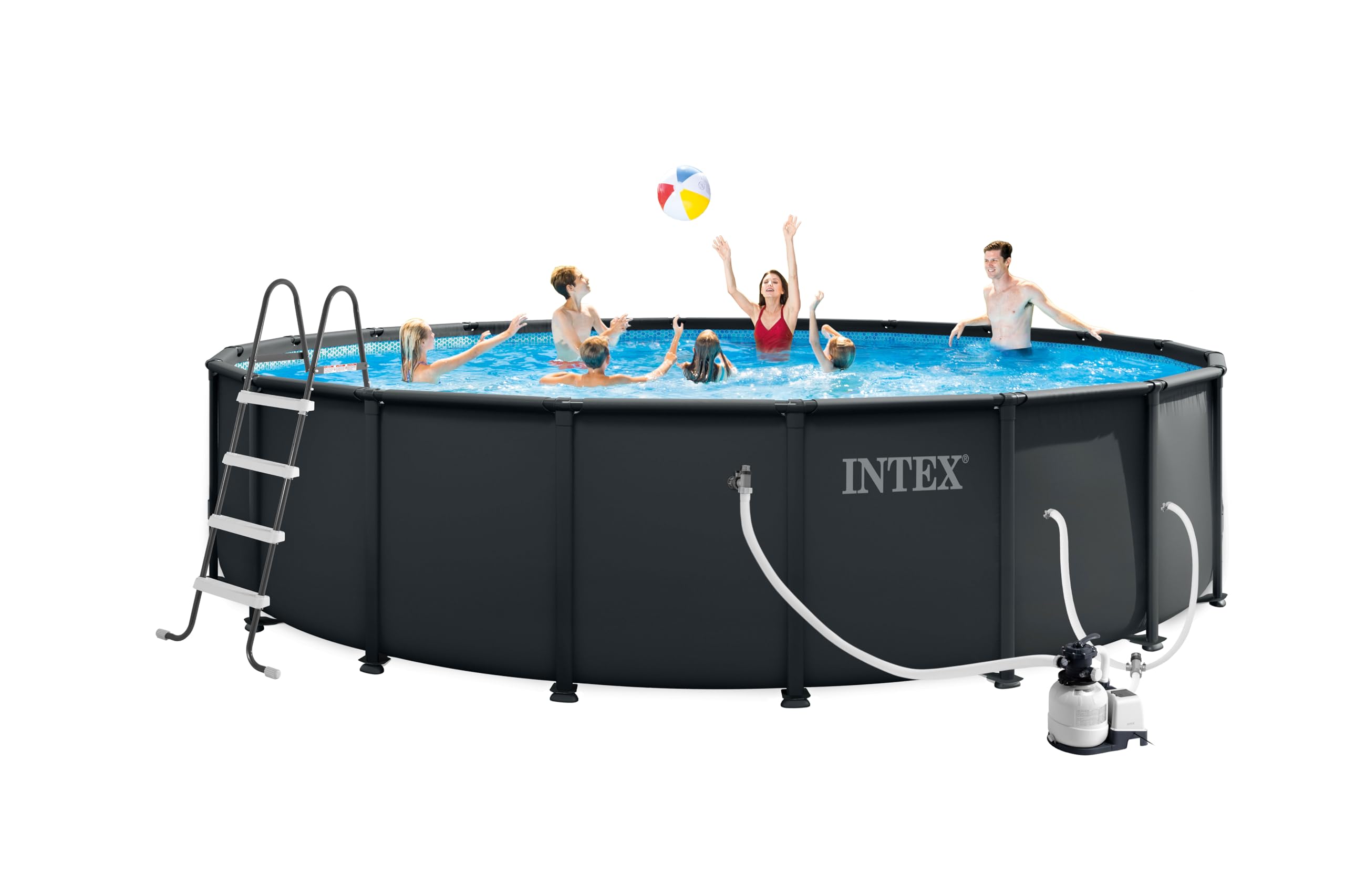
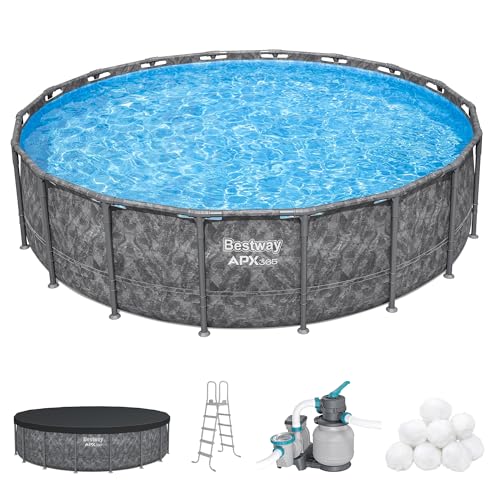
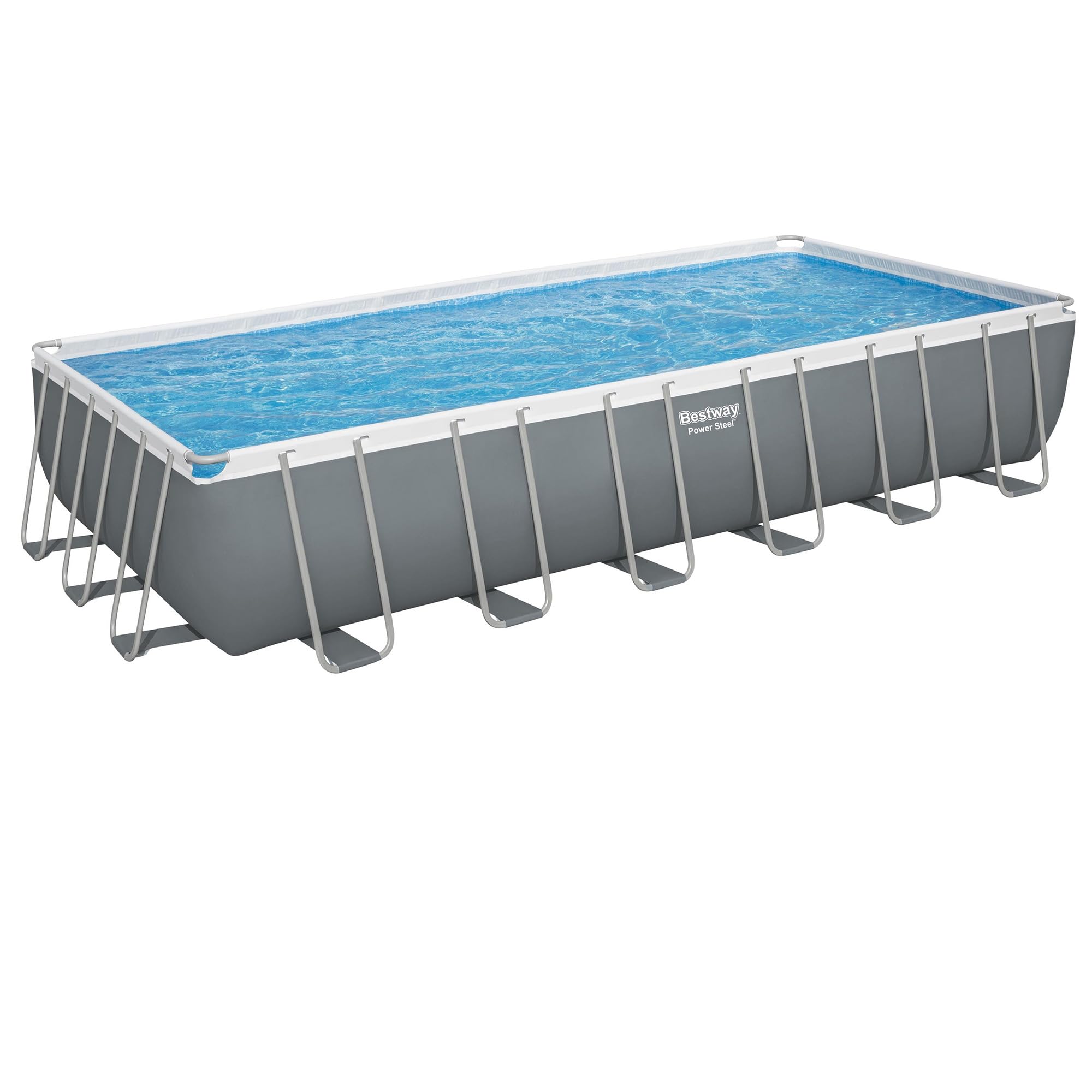
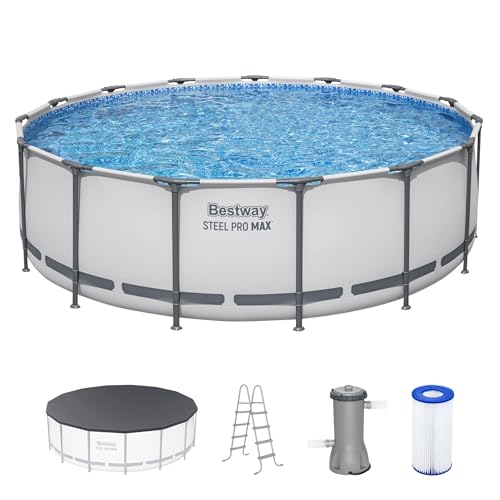
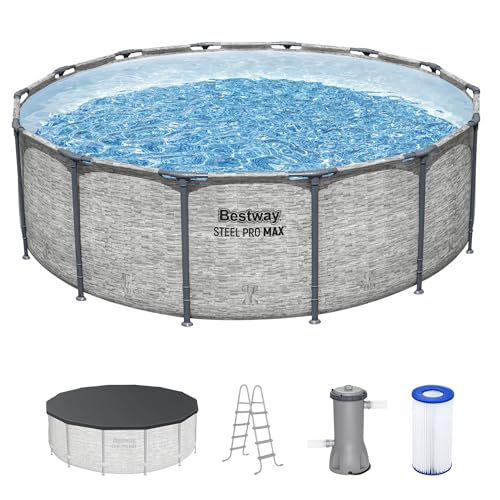
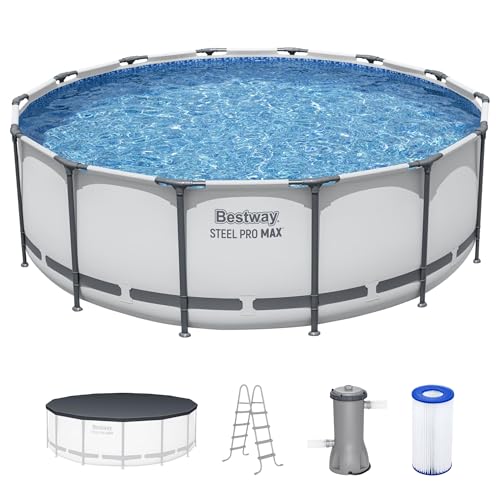


Cover Bundled Types at a Glance
Bundles fall into three broad types. Frame pools with a fitted debris cover suit most family yards and stay up all season. Inflatable ring pools with a loose cover cost less and store in a small space, but need more patching. Steel wall pools with a heavier cover cost the most, yet handle wind and long seasons with less flex.
Three Main Types Compared
Frame Pools With a Fitted Debris Cover
A metal frame pool uses steel tubes that lock together to support a flexible liner, and the included cover is cut to the exact size of that frame. A drawstring, strap system, or clip set holds the edge down, so gusts are less likely to lift a corner and dump debris into clean water. This type suits families who want one setup in spring and steady use through summer. Depths around 48 to 52 inches give adults room to stand, while smaller sizes keep water volume and filter load manageable.
Inflatable Ring Pools With a Light Cover
An inflatable ring pool rises as you fill it, with the top ring floating the walls into shape. The cover is usually a light sheet that rests on the ring and ties at a few points, so it blocks leaves but sags more under rain than a fitted frame cover. Setup is fast on flat ground and storage is simple once dry. This type suits renters, small yards, and short seasons, as long as you accept a shallower depth and a liner that sharp objects can puncture easily.
Steel Wall Pools With a Heavy Cover
A steel wall pool uses a rigid rolled wall joined at one seam and set into a frame track, paired with a thicker cover built for wind and for closing the pool at season end. The structure feels firm, holds its shape in exposed yards, and supports larger sizes without side flex. Assembly takes longer and often needs two or three adults. For households planning several seasons in one spot, our guide to the best above ground pool for adults adds context on depth and access.
How to Evaluate a Pool and Cover Bundle
Judge the bundle as one system, not as a pool with a free extra. Check frame and liner materials, cover material and fastening, stated size and water capacity, and the time and help needed for assembly. Then look at liner layers, rust protection on metal parts, and warranty length and scope. A thin, poorly fitted, or hard to secure cover will disappoint you even when the pool itself is sound.
How to Choose the Right Above Ground Pool
Size and Form Factor
Round pools in 12, 15, and 18 foot sizes are the simplest to cover, because one circular sheet pulls evenly over the rim with no corners to bunch or flap. Oval and rectangular shapes give you a longer lane for swimming and fit narrow yards better, but their covers need even tension at the corners to stay sealed. For a long yard, see our guide to the best rectangular above ground pool for shape planning. Depth matters too, since a 52 inch wall holds far more water, weight, and splash loss than a shallow wall.
Type and Structure
Metal frame designs balance cost, strength, and takedown at the end of the season, which is why they dominate family bundles. Resin frames resist rust near salt water systems and in humid climates, though parts can cost more to replace. Hard sided steel wall pools stay up year after year and pair with the sturdiest covers, but you cannot store them in a closet between seasons. Easy set inflatable models trade strength for speed. If a listing says saltwater compatible, confirm that the frame, fittings, and cover hardware are all rated for that use.
Features Worth Paying For
The most useful extras are a pump and filter sized for the full water volume, a ladder with stable steps, and a cover with vents or drainage that limit rain pooling on top. A sand filter needs less frequent media changes than a cartridge filter, though it costs more and needs room beside the pool. Ground cloths protect the liner from stones and roots. Skip decorative extras that do not improve filtration, access, or cover fit, because those areas decide daily satisfaction.
Weather Resistant Materials
Sun, wind, and rain test both pool and cover every week. Look for liners described as layered vinyl with a strong inner mesh, frames with a powder coat or resin finish that slows rust, and covers of woven polyethylene that resist tearing at grommets and seams. In windy areas, fastening matters as much as fabric. Covers that only rest on the water shift and gap at the edge, while strapped or winched covers stay sealed and keep rain runoff out.
Size for Your Space
Measure the full footprint, not just the water area. Leave at least 3 feet of clear, level ground around the pool for the ladder, pump, hoses, and room to pull the cover on and off without dragging it across gravel. Check overhead clearance for branches and wires. If your level area is tight, see our guide to the best small above ground pool for compact footprints that still allow a proper cover fit.
Assembly and Anchoring
Ground preparation decides whether the pool sits level and the cover seals evenly. Clear the site, remove sharp debris, and level within about an inch across the whole footprint, because a low side strains the liner and pulls the cover off center. Most frame pools go up in a few hours with two adults and no special tools. For step by step planning, read our guide on how to assemble an above ground pool before delivery day. Follow torque and pin instructions exactly, and recheck level after the first few inches of water go in.
Care and Off Season Storage
Rinse the cover, let it dry fully, and store it off the ground in shade so mold and brittle folds do not shorten its life. During the season, lift standing water and leaves off promptly, because that weight stretches fabric and stresses straps. At closing, balance the water, lower the level as directed, and secure the cover for wind and snow. Our guide on how to winterize an above ground pool covers the full closing sequence.
How Much Should You Spend?
Small inflatable bundles often cost under $200 and suit one short season of light use. Family frame bundles commonly fall at about $200 to $500, with larger sizes, stronger filters, and better covers pushing the range to about $500 to $1000. Large steel wall bundles can run about $1000 to $3000 once you add a heavy cover, ladder, and ground work. Spend first on cover fit, frame strength, and filtration. A low price stops feeling like a bargain when you replace a torn cover or an undersized pump within the first summer.
Do You Really Need a Pool That Comes With a Cover?
If your yard has trees, dust, or frequent wind, yes. A cover bought separately that is even a few inches off the frame size will gap, flap, and collect water in hard to clear folds. A matched bundle removes that guesswork and usually costs less than the same cover bought later. A separate cover can still make sense for solar warming or a heavy winter closing, and many owners own one fitted debris cover plus one special purpose cover.
Safety needs the same honest look. A standard debris or solar cover is not a safety barrier, and it will not support a child or pet that climbs onto it. Keep the ladder removed or secured when the pool is not in use, supervise children in and around the water at all times, and check local rules for fencing and barriers before you fill the pool. If a child shows signs of distress in the water or swallows a large amount of water and later seems unwell, seek medical help right away and ask a professional about your setup.
FAQ
What cover type keeps an above ground pool cleanest between swims?
A fitted debris cover with a secure strap or winch system keeps the most leaves and dirt out, because it seals the full rim instead of floating loose on the surface. Solar covers warm the water and slow evaporation, but their edges often leave small gaps. For the cleanest water, pair a fitted cover with prompt removal of rain and leaves from its top, so nothing washes in when you peel it back for a swim.
Can you leave a bundled cover on an above ground pool all winter?
Only if the cover is rated for winter use and your pool type is meant to stay up in freezing weather. Many light covers in summer bundles tear under snow load or ice expansion. Check the pool manual for its closing method, use a winter rated cover where winters are harsh, and add an air pillow under the cover on steel wall pools to absorb ice pressure. Inflatable and most frame pools should be drained, dried, and stored indoors instead.
How long does an above ground pool and its cover last?
A frame pool liner often lasts several seasons with careful ground prep and storage, while a steel wall pool can serve much longer with rust checks at the seam and skimmer. Covers usually wear out sooner than pools, because sun exposure makes the fabric brittle and straps lose tension. Storing the cover dry and out of sunlight, and keeping sharp tools and rough surfaces away from it, are the two habits that add the most life.
How do you put a large cover on an above ground pool without help?
Work on a calm day, fold the cover into a narrow bundle on one rim, secure that edge, then walk it across a section at a time and fasten as you go. A cover reel makes large covers far easier, and dragging fabric across gravel will shorten its life. Never stand in the pool and pull a cover over your head, because that creates an entrapment risk.
How do you clean an above ground pool that sat uncovered?
Start by skimming and vacuuming the heavy debris before you run the filter, so the pump does not clog in the first hour. Brush the walls and floor, run the filter continuously until the water clears, and test and balance the water again after the cleanup dose of sanitizer does its work. A shock treatment after a storm or a long uncovered stretch is often needed. Once the water is clean, return to using the cover daily, because prevention takes minutes while recovery can take days.
How can you judge the reliability of an above ground pool brand?
Look past the brand name to signals you can verify: how long replacement liners, covers, and frame parts stay available, whether the warranty covers the liner seam as well as the frame, and how clearly the manual states limits and winter rules. A brand that sells spare covers in your exact size years later is a practical sign of support.
Final Thoughts
Match the type to your season first, then check cover fit, fastening, and filtration before you compare prices. Frame bundles suit most families, inflatable bundles suit short and simple summers, and steel wall bundles suit a fixed spot used for years. Use the product table above to compare the sizes and cover systems again, and you will see why the best above ground pool with cover is the one whose cover you will actually put on every single night.