Best Chinese Bookshelf Speakers: Buying Guide for 2026
Disclosure: We may earn a commission when you buy through links on this page, at no extra cost to you. As an Amazon Associate I earn from qualifying purchases. Learn more
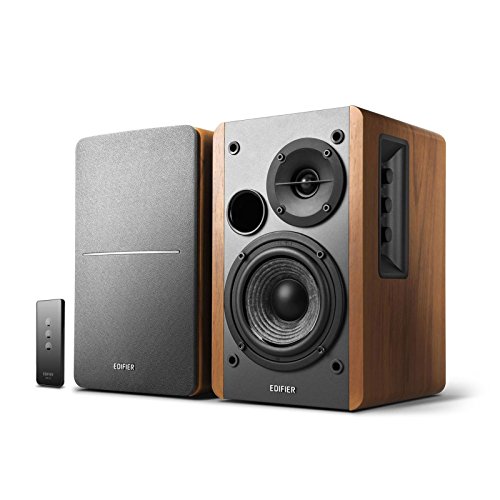
Compare the best chinese bookshelf speakers with this buying guide on driver size, tuning, inputs, placement, and price tiers for home listening.
Chinese audio brands now build bookshelf speakers that rival far pricier Western names, but spec sheets vary wildly and some listings hide weak amplifiers or thin cabinets behind big wattage numbers. This guide helps you sort the best chinese bookshelf speakers by sound, build, and room fit, so you pay for parts that matter. Start with the comparison table below, then use the sections that follow to check each model against your space and sources.
Most buyers want one of three things: clear desktop sound near a monitor, warm stereo for a small living room, or simple Bluetooth playback without a separate receiver. Each goal points to a different cabinet size, power level, and input set. Deciding your goal first makes every later choice easier.


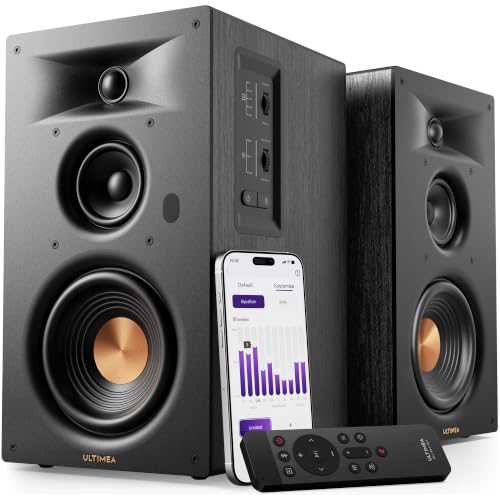
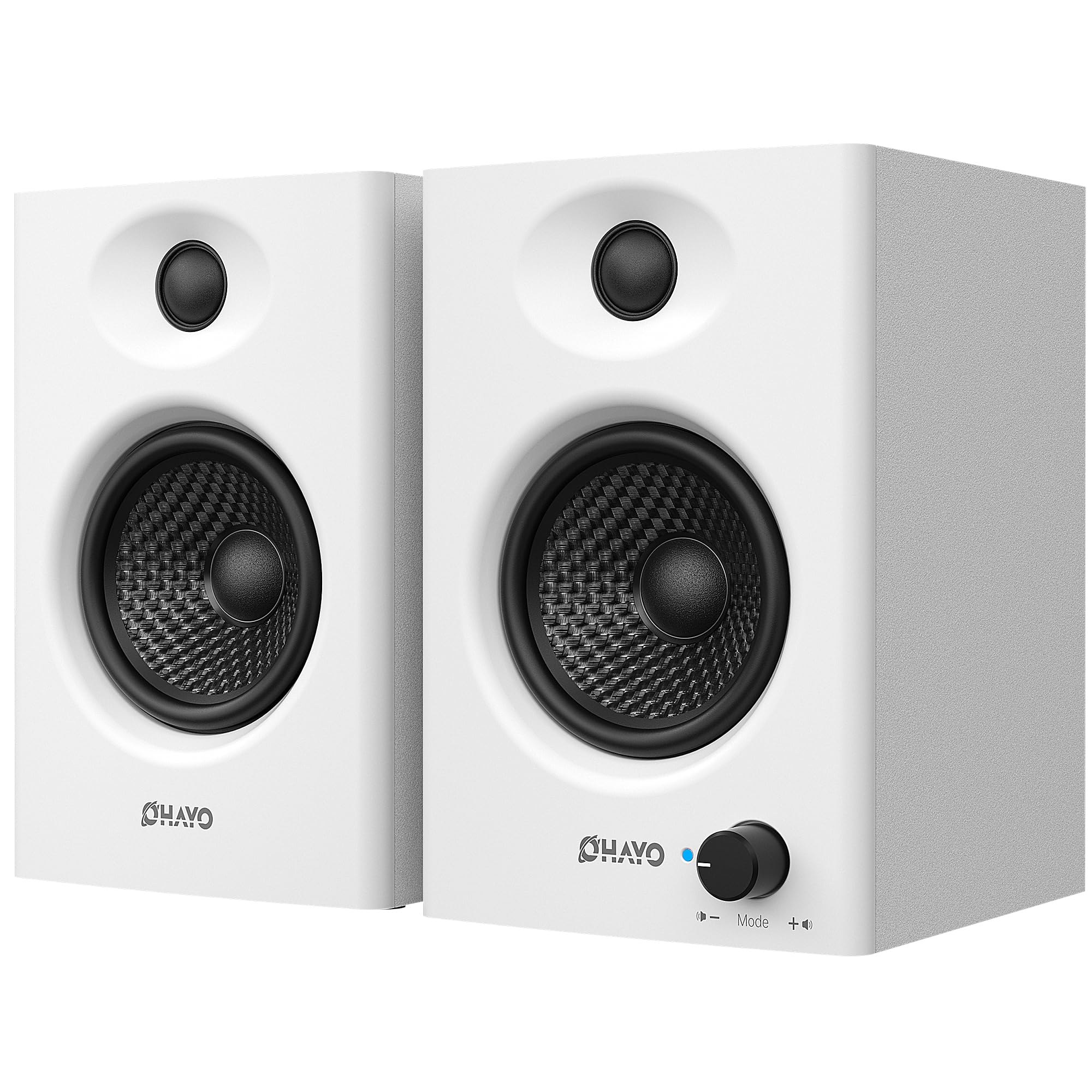
What Each Price Tier Usually Delivers
Price tiers are a useful shortcut because they predict cabinet quality, amplifier headroom, and input choice better than brand claims do. Read the tiers as guidance for what a fair price should include, then confirm the details on any model you shortlist.
Budget Tier, Under $100
Pairs under $100 usually use small woofers around 3 to 4 inches, basic chip amplifiers, and one or two inputs. Expect clear voices and decent nearfield sound at a desk, but limited bass and some cabinet resonance at high volume. This tier suits a bedroom, dorm, or office where you listen close and quietly. Check that the pair includes proper speaker wire or an active and passive design you understand, because a missing cable or odd connector can add cost and frustration after delivery.
Mid Tier, About $100 to $250
The mid tier is where value peaks for most homes. Woofers grow to 4 to 5.25 inches, cabinets get thicker and better braced, and powered models add optical input, Bluetooth, and a remote. Sound opens up, with firmer bass and cleaner highs at normal listening levels. If you stream from a TV and a phone in the same room, this tier usually covers both without extra boxes. For a wider view of this crowded field, see our guide to the best bookshelf speakers before you narrow your list.
Upgrade Tier, Above $250
Above $250 you pay for larger drivers, stronger amplifiers, better crossover parts, and finishes that look like furniture. The gains show up as deeper bass, lower distortion on loud passages, and a wider, more stable stereo image. This tier makes sense for a main living room system you plan to keep for years. It is wasted money at a small desk, where a big cabinet crowds the monitor and its bass overwhelms the short distance to your ears.
How to Choose: A Practical Buying Guide
Sound Quality and Tuning
Driver size sets the floor for bass and volume. A 4 inch woofer in a small room sounds balanced up close, while a 5.25 or 6.5 inch woofer fills a living room and reaches lower notes without strain. Frequency response figures only help when they include a tolerance, such as plus or minus 3 dB; a bare range with no tolerance is marketing, not data.
Tuning matters as much as size. Some Chinese brands voice their speakers bright, which flatters detail at low volume but turns harsh during long sessions. Others aim for a warm, relaxed balance that suits movies and background listening. If a listing mentions treble and bass controls or app based EQ, that flexibility lets you correct a bright room or a boomy corner instead of returning the pair.
Power, Inputs, and Connectivity
First decide between passive and powered designs. Passive speakers need a separate amplifier or receiver, which adds cost but lets you upgrade each part later. Powered speakers build the amplifier into one cabinet, so setup is fast and the amp is matched to the drivers. Our guide to the best powered bookshelf speakers explains that trade in more depth.
Match inputs to your sources before you buy. Optical suits most TVs, USB suits a computer, RCA suits a turntable with a built in preamp, and Bluetooth suits phones. Bluetooth version 5.0 or newer holds a steadier connection across a room, and support for AAC or aptX helps some phones and computers send cleaner audio. Treat wattage claims with care: look for RMS figures, and remember that doubling power adds only a small step in loudness.
Placement and Room Size
Bookshelf speakers rarely belong inside a bookshelf. They sound best on stands or a solid desk, with tweeters near ear height and the pair forming a triangle with your seat. Leave space behind rear ported models, since a port against a wall exaggerates bass and muddies voices. In a small room, a compact front ported pair placed near a wall often beats a large rear ported pair that has no room to breathe.
Measure your shelf depth and the distance to your seat before ordering. A cabinet 10 inches deep plus cable room will not fit a 9 inch shelf, and a speaker voiced for a sofa 10 feet away can sound thin at a desk 2 feet away. Writing those two numbers down prevents the most common sizing mistake.
Cabinet Build and Controls
A good cabinet feels dense and quiet when you knock on its side; a hollow ring suggests thin panels that color the sound. Weight is a rough clue, since thicker boards and a real amplifier add mass. Check the binding posts or spring clips too, because loose terminals buzz and drop signal over time.
Daily controls deserve a look. A front volume knob, a remote with mute, and an input indicator you can read from your seat all matter more than a long feature list. If you plan to add a subwoofer later, confirm a subwoofer output now. Shoppers comparing active designs may also find our notes on the best amplified bookshelf speakers useful, since the terms overlap.
Types of Chinese Bookshelf Speakers
Passive Models
Passive pairs rely on your amplifier, so they suit listeners who already own a receiver or plan to build a system step by step. They offer the widest upgrade path and often the simplest, longest lived design. The downside is extra boxes, extra wire, and a total cost that climbs past the sticker price. Confirm the impedance and sensitivity ratings match your amplifier before you commit.
Powered Models
Powered pairs include amplification and usually Bluetooth, optical, and a remote in one purchase. They are the easiest route to TV and streaming sound in a small room, with no receiver to configure. The trade is flexibility: when the built in amp fails or you want more power, you replace the whole speaker. Heat vents on the back panel should stay clear, so plan shelf space accordingly.
Wireless and Bluetooth Models
Wireless in this category usually means Bluetooth streaming to a powered pair, not a battery speaker you carry around. It suits casual listening and shared rooms where several people connect their phones. Wired inputs still sound more consistent and avoid pairing delays with video, so keep an optical or RCA option for the TV. If your budget is tight, our guide to the best bargain bookshelf speakers shows where makers cut corners safely.
Care and Maintenance Tips
- Dust grilles and cabinets with a dry microfiber cloth, since moisture can swell cheap veneer and stain fabric fronts.
- Keep volume moderate during the first hours and avoid long sessions at maximum, which heats small amplifiers and stresses voice coils.
- Update firmware on app controlled models when the maker releases it, because updates often fix Bluetooth dropouts and standby bugs.
- Leave ventilation slots open and keep powered cabinets out of direct sun, since heat shortens the life of the built in electronics.
- Check cable connections once or twice a year, because loose speaker wire causes crackle that many owners mistake for a failed driver.
Chinese brands also sell many other speaker formats, and our overview of the best chinese speakers is a handy next stop if you are comparing bookshelf pairs with soundbars or portable models.
FAQs
Do Chinese bookshelf speakers sound better wired or wireless?
Wired connections sound more consistent, because they avoid Bluetooth compression and pairing delays with TV dialogue. A good optical or USB link also keeps volume control predictable. Bluetooth is fine for music from a phone at moderate volume, especially with AAC or aptX support. If you watch many movies, choose a pair that offers both, and use the wired input for the screen.
Do Chinese bookshelf speakers need a separate amplifier?
Only passive models need one; powered models have the amplifier built in. Read the listing carefully, because photos of the two types look similar. If the description lists watts per channel, a remote, and digital inputs, it is almost certainly powered. Passive listings instead quote impedance and sensitivity, and they expect you to supply speaker wire and an amp with matching output.
What size Chinese bookshelf speaker suits a small room?
A 4 to 5.25 inch woofer suits most small rooms and desks. It gives enough bass for music and dialogue without exciting the boomy resonances that small spaces create. Bigger 6.5 inch models can work if you can pull them away from walls and sit at least 6 feet back. When in doubt, choose the smaller pair and add a compact subwoofer later if films feel thin.
Are Chinese bookshelf speakers reliable over several years?
The drivers and cabinets usually last well; the electronics in powered models are the weak point. Favor sellers with a clear warranty of at least one year, spare part support, and a return window long enough to test at home. Keeping receipts and the original box helps with any claim. Simple passive pairs from any country tend to outlive powered ones, because there is less inside them to fail.
Should I add a subwoofer to Chinese bookshelf speakers?
Add one if you watch action films or listen to bass heavy music in a medium or large room. A subwoofer set with a crossover around 80 Hz lets the small speakers focus on voices and detail, which cleans up the whole system. In a tiny bedroom or at a desk, skip it; nearfield listening already reinforces bass, and a sub can annoy neighbors through shared walls.
Wrapping Up
Start with room size and sources, then weigh driver size, input set, and cabinet quality in that order. Tiers keep expectations honest, and a careful placement plan does more for sound than a small step up in price. When you are ready, compare the best chinese bookshelf speakers in the product table above against the two or three checks that matter most for your room, and choose the pair that passes all of them.