Best Chipset for Android Phones in 2026: Which Type Is Right for You?
Disclosure: We may earn a commission when you buy through links on this page, at no extra cost to you. As an Amazon Associate I earn from qualifying purchases. Learn more
Compare chipset types side by side and learn how to choose the best chipset for android phones for your budget, camera needs, and daily use.
Chipset names are the most confusing part of phone shopping, because two phones at the same price can feel completely different once you open apps, play games, or take night photos. This guide compares each chipset type side by side so you can find the best chipset for android phones for the way you actually use your phone. Read the type comparison first, then match a tier to your budget and habits.
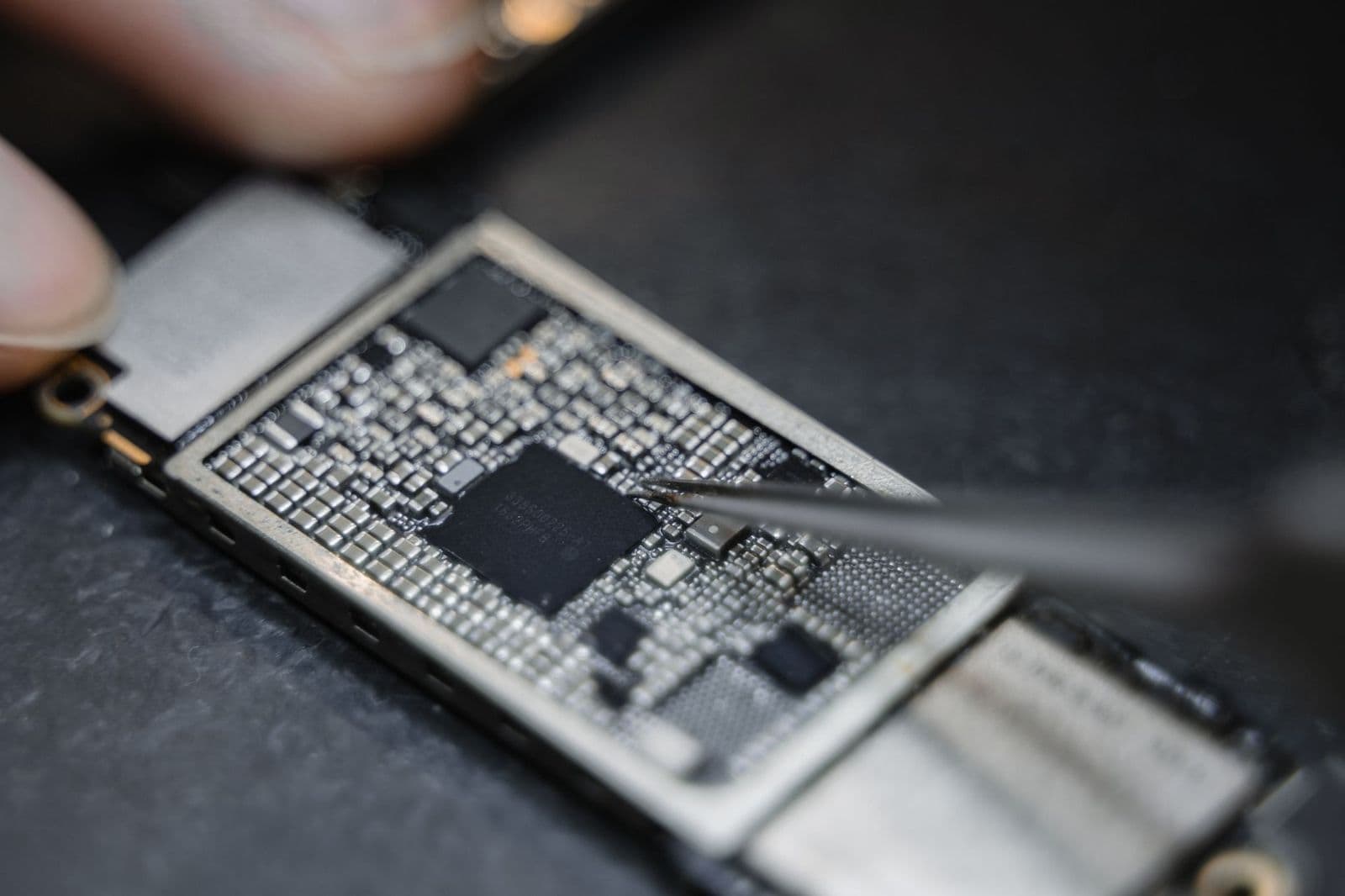
A chipset is the brain of the phone. It drives speed, camera processing, battery efficiency, gaming, and even how many years of updates a phone can realistically support.
Types of Chipsets Compared
Picture four tiers. Flagship chipsets sit in phones around $700 and up and deliver the fastest speed, the best image processing, and the longest support. Upper midrange chipsets, in phones around $400 to $650, keep most of that smoothness for less money. Lower midrange chipsets, around $200 to $399, cover everyday use well. Budget chipsets, often under $200, handle calls, messaging, and video with modest speed. The sections below frame those tiers by the kind of phone they power.
Flagship Phones
Flagship phones carry the newest top tier chipset from their maker, built on the most efficient process available that year. You feel the difference in instant app launches, sustained gaming without slowdown, and camera processing that cleans up night shots in a blink. These chipsets also tend to earn the longest software update promises, which spreads their high price over more years. Choose this tier if you game heavily, edit video, or keep a phone for four years or more. Skip it if your day is messaging, browsing, and photos of family, because you will rarely touch the extra power.
Budget Phones
Budget phones use entry level chipsets that prioritize battery life and low cost over raw speed. They handle calls, chat apps, maps, music, and video streaming without trouble, and many now include 5G. Where you feel the limit is multitasking and gaming: apps reload more often, and demanding games run at low settings. For many buyers that trade is smart, and our guide to the best inexpensive android phones shows how far a small budget stretches when the chipset is chosen well. Just pair a budget chip with at least 6 GB of RAM, or the phone will feel slower than the chip alone would suggest.
Camera Focused Phones
Camera focused phones depend on the chipset more than the camera hardware alone suggests, because the image signal processor inside the chip cleans noise, balances light, and stitches frames together for night mode. A stronger processor means faster HDR, better low light detail, and smoother 4K video. Midrange chips have improved a lot here, so a well tuned midrange camera phone can beat an older flagship for still photos. If photography leads your list, judge the chipset by its image processor and video limits, not only by its benchmark speed.
Compact Phones
Compact phones pack a chipset into a small body, and that creates a heat problem that spec sheets hide. A powerful chip in a tiny phone may run fast for a few minutes, then slow itself to stay cool during a long game or a summer video recording. Efficient midrange and flagship chips handle this best because they do more work per watt. If you love a small phone, favor the most efficient chipset you can afford over the absolute fastest one, and expect a smaller battery, which makes efficiency matter twice over.
Flagship Phones vs Budget Phones: Which Should You Choose?
Compare the two ends on five points. Speed: flagship chips open apps instantly and stay smooth for years, while budget chips feel fine at first and age faster. Gaming: flagship chips sustain high frame rates, while budget chips suit casual titles. Camera: flagship image processing wins at night and in video, though daylight photos are close. Battery: budget chips often last longer per charge because they do less, while flagship efficiency has narrowed the gap. Updates: flagship phones usually receive more years of support. Choose flagship power if you keep phones long or create content. Choose a budget chip if price leads and your apps are light, and put the savings toward storage or a good case.
How to Choose the Right Chipset
Features That Matter for Android Phones
Android phones lean on the chipset for features Apple builds its own way, so check the details. You want a chip with a modern 5G modem for your carrier bands, WiFi 6 or better, Bluetooth 5.3 or newer for stable earbuds, and enough AI processing for voice and photo features. Storage speed matters too, because fast UFS storage makes even a midrange chip feel quick. A practical pass line for most buyers is a chip released within the last two years, 8 GB of RAM, and 128 GB of storage.
Display Size and Quality
The chipset drives the display, so match them. A 120 Hz OLED screen only feels smooth if the graphics unit can feed it, which any recent midrange or flagship chip can do. Outdoor brightness depends on the panel itself, but the chip handles tone mapping for video. If you mostly read and browse, a 90 Hz screen on a modest chip is a balanced buy. Gamers should confirm the chip can hold high frame rates in their favorite titles, not just unlock a high refresh setting in the menu.
Camera System
A good camera system needs the chip behind it to support the main, ultrawide, and telephoto lenses without lag when you switch. Night mode quality comes largely from processing power, because the phone merges many frames into one clean image. Video is the strictest test: check the maximum resolution and frame rate the chipset supports, and whether stabilization works at that setting. If you record kids, travel, or work content often, step up one chipset tier before you step up on megapixels, because processing improves every shot while megapixels only help in bright light.
Build, Durability, and Water Resistance
Build quality is not part of the chipset, but it protects your investment in it. Look for an IP68 rating if the phone will face rain, pools, and dusty work, and strong glass on both faces for drop survival. A phone that dies from water in year one wastes a chipset that could have served for four. Also think about heat paths: metal frames shed heat better than plastic, which helps any chip hold its speed during navigation, hotspot use, or long camera sessions on warm days.
Raw speed rankings can mislead, so balance them with efficiency and support. Readers who want the performance end of the market can see our guide to the best performing android phones for how top tier hardware feels in daily use.
Best Chipsets for Specific Needs
Best Wifi Chipset for Android Phones: Which Type Works Best
The best wifi chipset for android phones supports WiFi 6E or WiFi 7, because those standards add a less crowded band and faster, steadier speeds at home. Check three things: the WiFi version, dual band support, and how well the modem holds signal at the edge of your router range. Recent flagship and upper midrange chips include the newest WiFi as standard, while budget chips often stop at WiFi 5, which is fine for streaming but slower for large downloads on a fast home connection.
Care and Maintenance Tips
Use a case and screen protector, because a flagship chipset inside a cracked phone helps no one. Keep software updated, since updates bring security fixes and often small efficiency gains for the modem and camera. Avoid charging in extreme heat, such as on a hot car dashboard, because heat is the main enemy of battery health and a weak battery makes a fast phone feel old. Every few months, clear apps you no longer use and keep storage at least a fifth free so the system stays responsive. Even small software habits add up, and customizing with the best widgets for android phones is more enjoyable when the chipset keeps the home screen smooth.
FAQs
What features matter most in chipsets for android phones?
The features that matter most are processing efficiency, the image processor for photos, and modem quality for 5G and WiFi. Efficiency decides both speed that lasts and battery life. After that, check RAM, storage speed, and the update policy the chip enables. A balanced recent midrange chip beats an old flagship chip in daily use, because its modem and efficiency are newer even if its peak benchmark score is lower.
Should I buy unlocked?
Yes, buying unlocked is usually the smarter move because it lets you switch carriers and travel with local SIM or eSIM options. Just confirm the phone and its chipset support your carrier bands, especially for 5G, before you pay. Carrier deals can look cheaper but may lock you in for years. An unlocked midrange phone you own outright often costs less over time than a discounted flagship tied to a long plan.
Do I need 5G?
You need 5G if you plan to keep the phone for three years or more, because networks keep shifting capacity toward 5G and coverage keeps growing. For a short term or backup phone on WiFi most of the day, 4G remains workable. Nearly every recent chipset includes 5G anyway, so the real check is band support for your carrier rather than the 5G label itself. Do not pay a premium just for 5G on a budget phone with little RAM.
Is a mid range phone good enough?
Yes, a mid range phone is good enough for most people, and its chipset is the reason why. Current midrange chips handle browsing, social apps, streaming, and popular games smoothly, with good battery life. The gaps versus flagship phones show up in heavy gaming, the very best night photos, and update length. If none of those is central to your day, midrange is the value sweet spot and the savings are real.
How much storage do I need?
Most buyers need 128 GB, which covers apps, photos, and offline video with room to spare for a few years. Choose 256 GB if you shoot lots of video, keep big game libraries, or rarely delete anything. Storage speed matters as well as size, so prefer UFS storage over older slow types when the listing states it. Cloud backup helps, but a phone that is always nearly full will slow down and fail updates.
How many years of updates should a phone get?
Aim for at least four years of security updates, and more on a flagship phone that you plan to keep. Updates protect your banking and messages and keep apps compatible, and the chipset generation often decides how long a brand can support a model. A phone with a recent chip and a clear written update promise is a safer long term buy than a slightly faster phone with vague support.
The Bottom Line
Match the chipset tier to your heaviest real task, then confirm efficiency, camera processing, and update support before you pay. Most buyers land happily in the midrange, while gamers and creators gain real value from flagship power. Check any phone you are considering against those three points, and the best chipset for android phones for your budget will be clear.