
Best Chimney Cooker Hoods Made Simple: A Clear Buying Guide for 2026
Disclosure: We may earn a commission when you buy through links on this page, at no extra cost to you. As an Amazon Associate I earn from qualifying purchases. Learn more

Shopping for the best chimney cooker hoods is simpler with this guide to size, extraction power, ducting, noise, filters, and care for your kitchen.
A chimney cooker hood is often the first major kitchen appliance a new homeowner chooses alone, and the terms on the listings can feel like a foreign language. Extraction rates, duct sizes, decibel figures, and filter types all compete for your attention. This guide to the best chimney cooker hoods slows the process down and explains each idea in plain English. You will learn what a chimney hood does, which specs truly matter for your cooking, and how to avoid the classic first purchase mistakes. Keep the comparison table below open as you read and check each candidate against the points here.
By the end, you will be able to measure your kitchen, pick a sensible size and power level, and decide between ducted and recirculating setups with confidence.
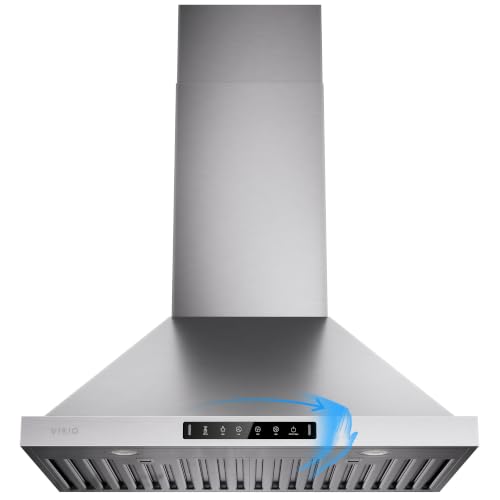


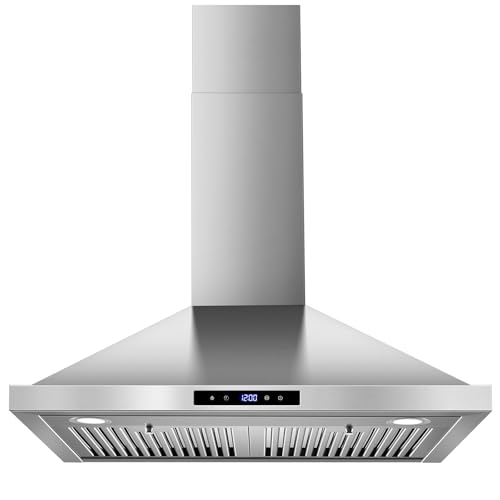


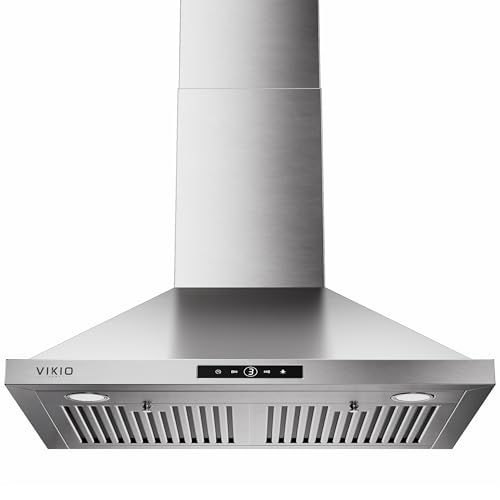
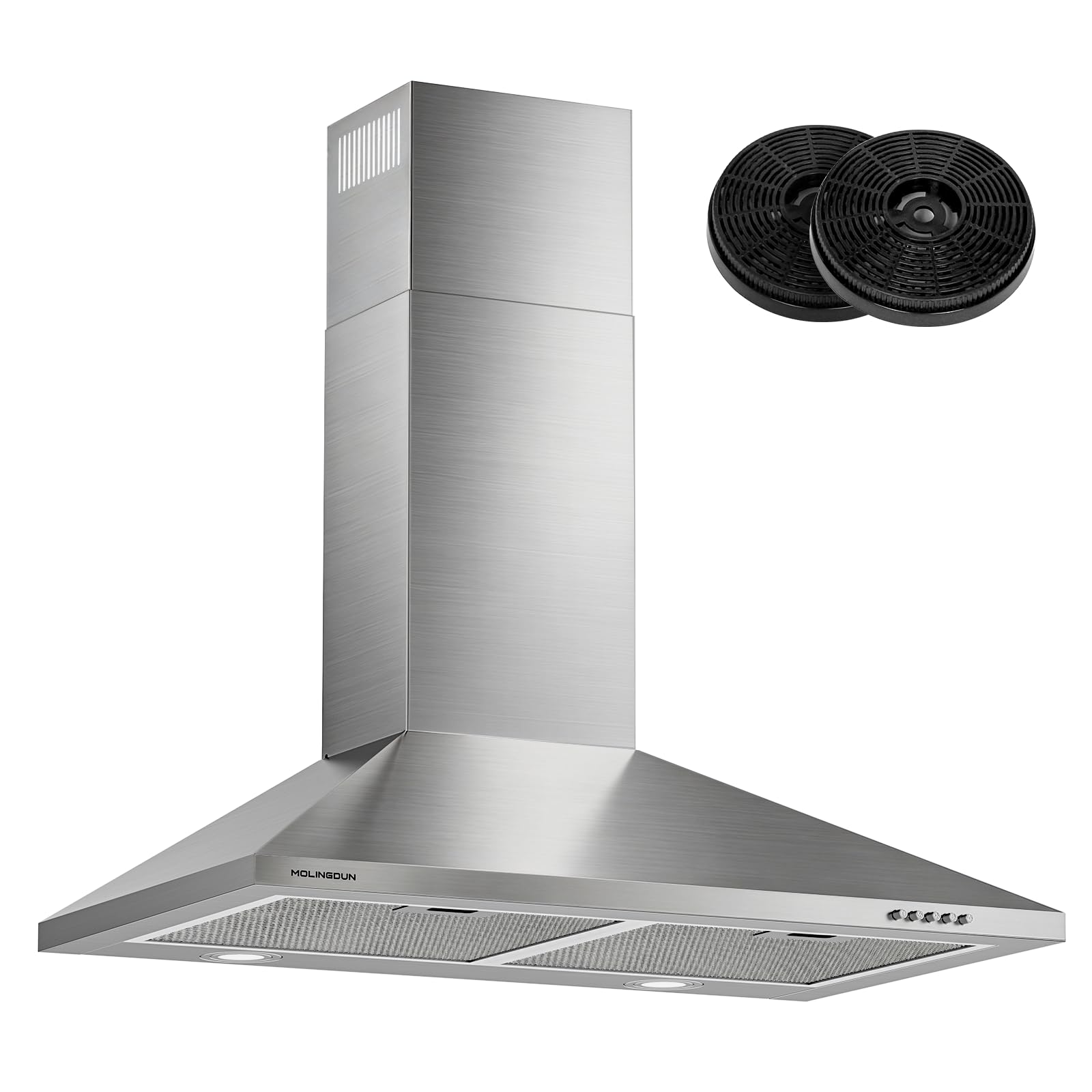
Chimney Cooker Hoods 101: The Basics
A chimney cooker hood sits above your stove and pulls smoke, steam, grease, and cooking odors out of the air. It gets its name from the tall chimney section that rises from the wide canopy over the burners to the ceiling, hiding the duct inside. Inside the canopy, a fan draws air through grease filters. In a ducted setup, that air travels through a duct to the outside of your home. In a recirculating setup, charcoal filters clean the air and release it back into the kitchen.
A few terms will follow you through every listing. Extraction rate, measured in cubic feet per minute, tells you how much air the fan can move. Noise is measured in decibels, and higher fan speeds are always louder. The canopy width should match or exceed your stove width so rising steam is captured rather than escaping at the edges. Chimney hoods mount on a wall in most kitchens, and the adjustable chimney section covers the gap between the canopy top and your ceiling. Understanding these four ideas, airflow, noise, width, and venting route, is enough to judge most models fairly.
Key Specs Explained in Plain English
Listings love numbers, but only a handful decide how a hood performs in your kitchen. Read each spec below with your stove, your cooking style, and your ceiling height in mind.
Intended Use and Who It Is For
A chimney hood suits anyone who cooks on a standard stove against a wall and wants the classic, visible chimney look. It is a strong fit for regular home cooking, from weeknight pasta steam to weekend frying. Heavy frying, wok cooking, and large family meals push more grease and smoke into the air, so frequent cooks should favor higher airflow and metal filters they can wash. Light cooks who mostly boil and bake can choose a quieter, lower power model. If your stove sits on an island rather than against a wall, you need a different mounting style, and our guide to the best island cooker hoods covers that layout instead.
Size, Weight, and Fit for Your Space
Match hood width to stove width first. A 30 inch hood belongs over a 30 inch stove, and a 36 inch hood over a 36 inch stove, with a wider hood always capturing better than a narrower one. Next, measure the space between your stove top and the ceiling and confirm the adjustable chimney covers that full span. The bottom of the canopy usually sits about 24 to 30 inches above electric burners and a little higher over gas, following the maker guidance for your model. Check cabinet depth too, so the canopy does not crowd your head while you stir. Practice tip: tape the canopy outline on the wall at the planned height and stand at the stove to confirm you can see your back burners and move pans freely.
Build Quality and Materials
Stainless steel is the most common chimney hood material because it resists heat, wipes clean, and matches other kitchen appliances. Thicker steel feels solid and dents less easily, while very thin panels can flex and drum under fan vibration. Look for smooth seams, sturdy control buttons or a responsive touch panel, and grease filters with metal mesh you can remove without tools. Glass canopy accents look elegant and are easy to wipe, but they show splashes quickly. Whatever the finish, the parts you touch daily, the filter handles, the controls, and the light covers, should feel firmly made.
Maintenance and Long Term Costs
A hood stays effective only if its filters stay clean. Metal grease filters need washing about once a month for regular cooks, either by hand in hot soapy water or in a dishwasher if the maker allows it. A clogged filter cuts airflow and raises fire risk, because built up grease near heat is a genuine hazard, so treat filter cleaning as a safety task, not just housekeeping. Recirculating models also need replacement charcoal filters every few months, an ongoing cost to add to your budget. Bulbs, occasional deep cleaning, and a service visit late in the hood life complete the long term picture. If you are comparing venting approaches, our guide to the best recirculating cooker hoods explains the filter costs and limits of that setup in more depth.
Price vs Value
Budget models, often around $150 to $300, cover basic needs for small stoves and light cooking, with modest airflow and simpler controls. Mid range models, around $300 to $600, usually add stronger fans, quieter operation at working speeds, washable metal filters, and better lighting, and they suit most family kitchens. Premium models, around $600 to $1,200 and above, bring very high airflow, refined finishes, smart controls, and lower noise at high power. Value comes from matching power to your cooking. Paying for extreme airflow you never use wastes money, while a weak fan in a busy kitchen wastes the whole purchase. For a broader comparison across hood styles, see our guide to the best cooker hoods before you settle on the chimney format.
Rookie Mistakes to Avoid
First time buyers repeat a few predictable errors. Each one below is easy to avoid once you know to look for it.
- Buying a hood narrower than the stove. Steam and grease escape at the exposed edges, so always match or exceed the stove width.
- Ignoring the duct route. A ducted hood needs a clear path outside, and every sharp bend cuts airflow, so plan the route before you order.
- Choosing by maximum airflow alone. The top speed is loud, and the middle speeds you use daily matter more, so compare noise at working settings.
- Forgetting ceiling height. If the chimney section cannot extend to your ceiling, the install will look unfinished, so measure the full wall span first.
- Skipping electrical planning. Most hoods need a nearby outlet or a hardwired connection, and arranging that after delivery delays the whole job.
Getting Started: Setup and First Use
Read the manual before first use and before any drilling, because it states the exact mounting height, duct size, and electrical needs for your model. Many owners hire an installer for duct cutting and wall mounting, which is money well spent if the duct route is new. Once the hood is up, remove any protective film, wash the grease filters, and run the fan on each speed while boiling a pot of water to confirm steam is captured well. Clean and inspect regularly from then on. Check the filters monthly, wipe the canopy weekly, and listen for new rattles that signal a loose panel or a filter not seated right. Our overview of the best chimney hoods offers more style context if you are still weighing the look of the chimney itself.
Frequently Asked Questions
How long does a chimney cooker hood last?
A well kept chimney cooker hood often lasts around ten to fifteen years. The fan motor is the core part, and it ages slowly when filters are cleaned on schedule, because a clogged filter makes the motor work harder. Lights, switches, and filters may need attention sooner, and those parts are usually replaceable. A hood that grows much louder or vibrates is telling you a service visit is due.
How much should I spend on a chimney cooker hood?
Most family kitchens do well in the mid range, around $300 to $600, where airflow, noise control, and filter quality come together. Spend less for a small stove and light cooking, and more if you fry often or cook on a wide range. Remember to budget for installation and, on new duct runs, vent materials, since those costs can rival a budget hood itself.
What features matter most when buying chimney cooker hoods?
Correct width, enough airflow for your cooking style, and washable metal grease filters matter most. After those, weigh noise at the speeds you will use daily, bright task lighting over the burners, and controls you can operate with wet or greasy hands. A timer that lets the fan run a few minutes after cooking and then shut off is a small feature with daily value.
How do I maintain a chimney cooker hood?
Wash the metal grease filters about once a month, wipe the canopy and chimney with a mild cleaner, and replace charcoal filters on schedule if your hood recirculates. Check that the duct damper opens freely and that no grease is pooling anywhere inside the canopy. Good maintenance protects airflow, keeps noise down, and lowers fire risk, so put filter washing on the same monthly rhythm as other kitchen deep cleaning.
Are expensive chimney cooker hoods worth it?
They can be, if you cook often and value quiet power, better lighting, and finishes that clean easily and age well. Premium hoods also tend to hold strong airflow with less noise, which encourages daily use. For light cooking, a mid range hood gives nearly the same daily experience for much less money. Let your cooking frequency, not the showroom shine, decide the tier.
Wrapping Up
Start with width, confirm your venting route, then match airflow and noise to how you truly cook. Those three checks will steer a first time buyer past nearly every common mistake. Compare your shortlist in the product table above, confirm the chimney reach and duct size one final time, and the best chimney cooker hoods for your kitchen will be the ones that fit, vent well, and stay easy to clean.


