Best Cherry Mx Blue Mechanical Keyboards in 2026: Which Type Is Right for You?
Disclosure: We may earn a commission when you buy through links on this page, at no extra cost to you. As an Amazon Associate I earn from qualifying purchases. Learn more

Compare the best cherry mx blue mechanical keyboards by type with clear guidance on layout, sound, connection, keycaps, and value for your desk.
Mechanical boards with Cherry MX Blue switches differ as much by format as by switch: compact, gaming, wireless, and ergonomic designs all change how a clicky board fits your day. This guide compares those formats and gives you a checklist for judging the best cherry mx blue mechanical keyboards, so format and noise level are settled before price.
Every blue switch pairs a crisp bump with an audible click from a separate click jacket, so the sound stays the same across formats. Use the comparison table below to scan layouts and prices, then read the type notes before you spend anything.


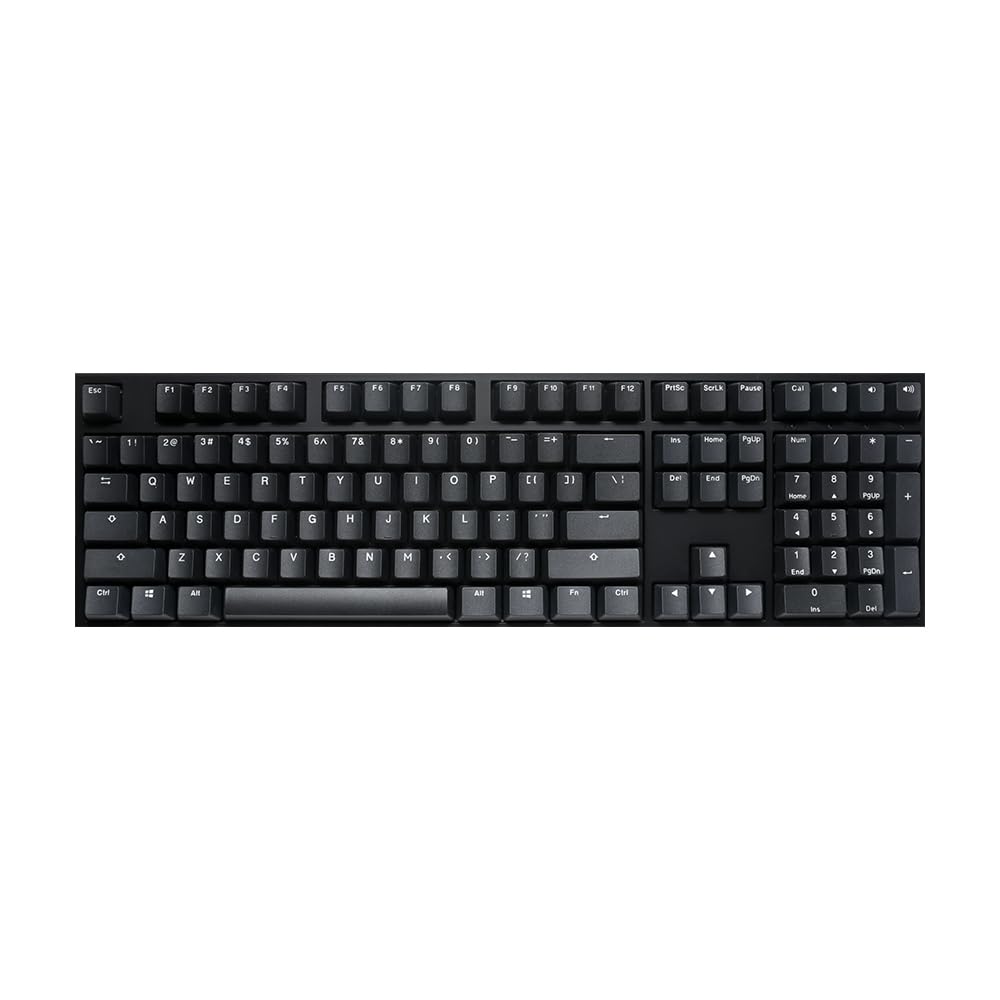


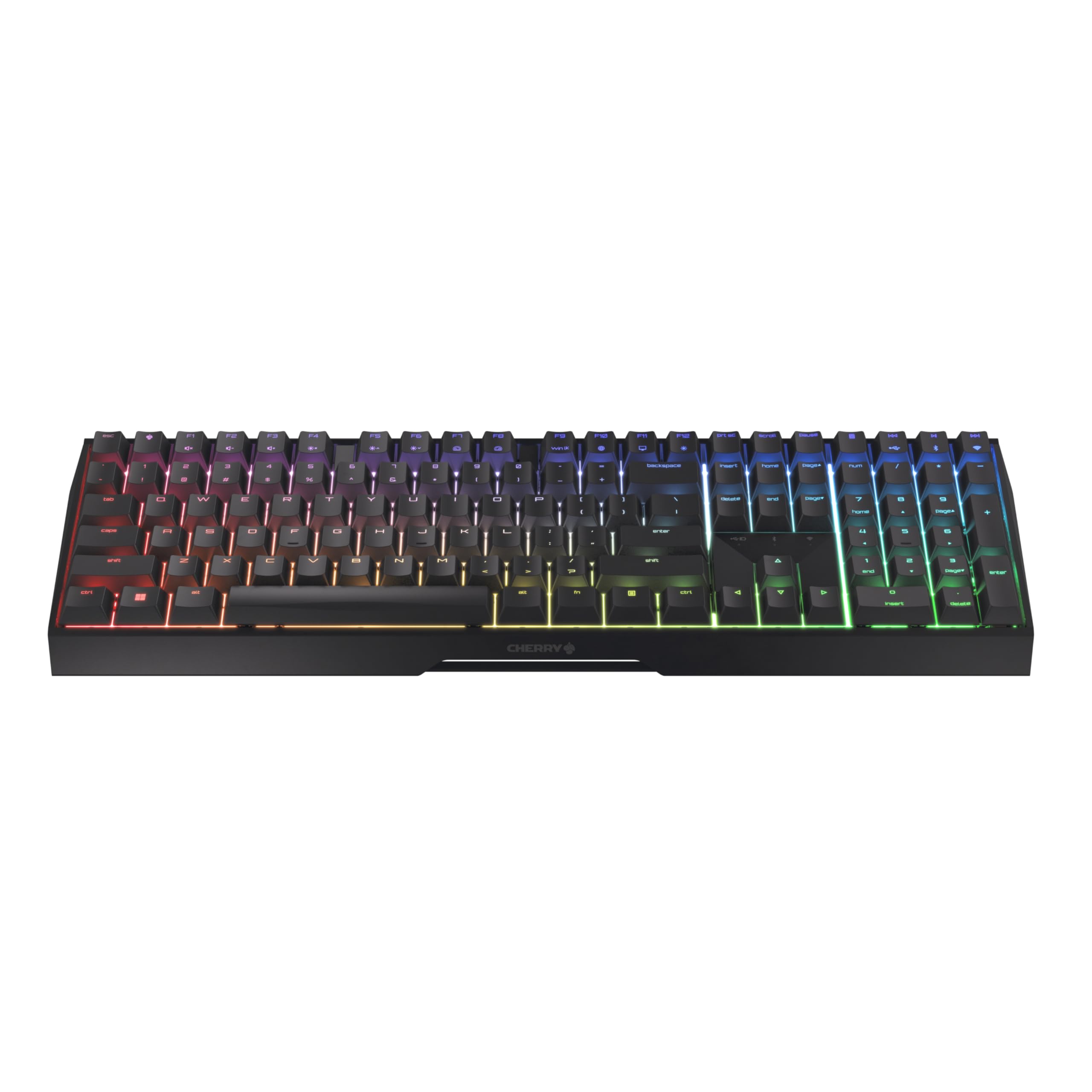
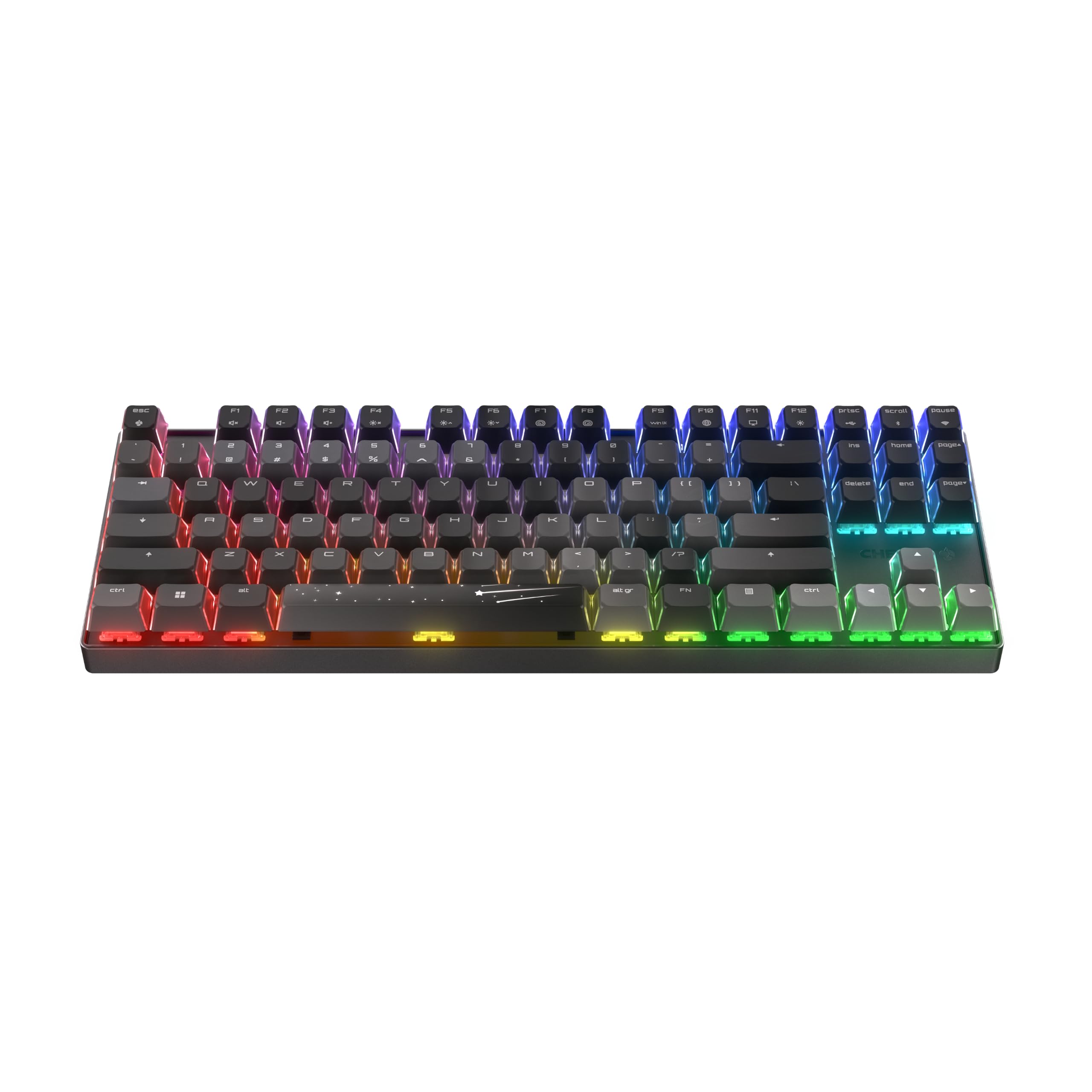


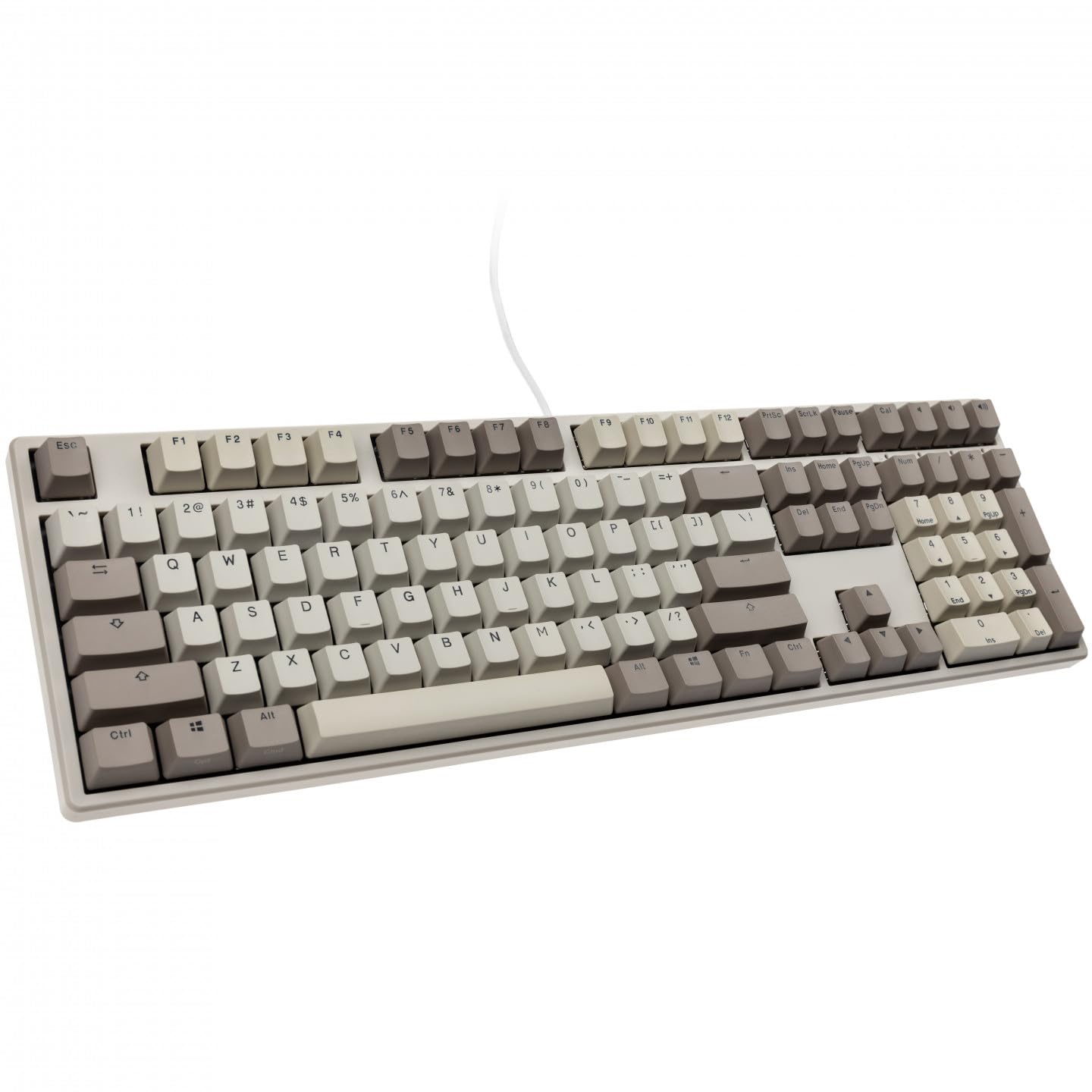
Types of Cherry Mx Blue Mechanical Keyboards Compared
Format changes how a clicky board fits your life just as much as the switch itself. A large board gives you a number pad and dedicated function keys, while a small board frees mouse room and travels well. The four types below cover nearly every listing you will see, and each one suits a different desk, routine, and tolerance for noise.
Compact and Travel Models
Compact boards drop the number pad and often the function row, shrinking the footprint for small desks and bags. They pair well with laptop work and let your mouse sit closer, which eases shoulder strain. The cost is slower number entry and more reliance on layer shortcuts, which takes a week or two to learn. Choose this type if portability and desk space matter more than dedicated keys.
Gaming Models
Gaming models add fast polling, per key lighting, and software profiles for saved commands. The clicky switch gives clear confirmation during strategy play and slower paced titles where timing windows are generous. Fast repeated presses are the weak spot, because the reset point sits high and rapid double taps feel less fluid. Choose this type for a private gaming desk where sound is part of the fun.
Wireless Models
Wireless models connect by a 2.4 GHz dongle for gaming or by Bluetooth for tidy multi device desks. Battery life drops when lighting stays bright, so plan weekly charging on most boards. The click stays identical to wired versions, since the switch itself never changes. Choose this type if cable clutter bothers you more than charging routines and a slightly higher price.
Ergonomic Models
Ergonomic models split the layout, tent the halves, or curve the rows to keep wrists straighter. They help during long writing days, yet they demand an adjustment period while your fingers relearn key positions. Some place keys in columns, which speeds expert typing but frustrates casual users at first. Choose this type if wrist comfort outranks a familiar layout and a low price.
Compact and Travel Models vs Gaming Models: Which Should You Choose?
Compare these two types on five points. Size favors compact boards, while gaming boards win on dedicated media keys and lighting control. Both sound equally loud, so neither suits a shared quiet room. Price usually favors compact boards with fewer switches and simpler cases. Comfort depends on your desk: gamers gain mouse room from compact boards, yet streamers often prefer the extra keys on gaming models for scene changes and macros.
If you mostly write and travel, pick the compact route and spend the savings on better keycaps. If you play at one desk and love extra controls, pick the gaming route and budget for a wrist rest. Either way, readers comparing formats should also see our guide to the best cherry mx blue keyboards for the wider clicky picture.
How to Choose the Right Cherry Mx Blue Mechanical Keyboard
With a mechanical board, the switch under each cap shapes the whole experience, so start your judging there. The click bar inside a blue switch gives both the bump you feel and the sound you hear, and no case design can change that character later. Judge the board around it next: plate material, keycaps, layout, and support, in roughly that order.
Wired vs Wireless (2.4GHz, Bluetooth)
A wired mechanical board never needs charging and posts the lowest latency, which is why many players still default to a cable. A 2.4 GHz receiver matches that speed closely for most players while freeing the desk. Bluetooth is the flexible option for several devices, though it adds a small delay. If a seller will not state the polling rate, treat the speed claims as marketing and move on.
Compatibility (PC, Mac, Console)
On Windows, a mechanical board simply works, with media keys and lighting controls handled by the board itself. Mac users should confirm a Mac mode or included modifier caps so the bottom row matches macOS habits. Console makers decide support title by title, and some games accept a keyboard only for menus and chat. Driver free design is the safest sign, since it means nothing depends on one app staying installed.
Ergonomics, Size, and Layout
Match the layout to the work: full size if you live in spreadsheets, tenkeyless for a balanced desk, and 65 or 75 percent boards when space is tight. Front height and tilt change wrist angle all day, so a low profile case or modest feet usually feel kinder over long sessions. If your wrists already ache, add a wrist rest, take regular breaks, and speak with a clinician if the pain continues. Comfort decides how long a board stays on your desk.
Battery Life and Charging
USB C charging is the standard to insist on, because the same cable tops up your phone and laptop. Treat printed battery figures as best case numbers, since bright lighting can cut real runtime sharply. A board that still works over the cable while it charges will save you during a busy morning. A clear charge indicator, even a single small light, stops surprise shutdowns.
Run two checks before you commit. First, record a short clip of your current typing and play it back, since the blue click that seems charming in a store clip can carry across a room and into every call. Second, measure your desk and compare the numbers with the board width in the listing, because product photos hide real size. For the wider family picture, read our guide to the best cherry mx keyboards next.
Picking the Right Cherry Mx Blue Mechanical Keyboards for Different Uses
Best Mechanical Keyboards with Cherry Mx Blues: Which Type Works Best
The phrase with Cherry MX Blues simply means the switches come fitted from the factory rather than added later. Check that the listing names genuine Cherry switches, then check whether the board lets you swap switches later. Factory fitted boards suit buyers who want zero assembly, while socketed boards suit tinkerers.
For focused writing in a home office, a full size or tenkeyless board keeps every key within reach. For gaming at a private desk, a tenkeyless gaming format balances space and controls. For travel typing with a smaller board, a compact wireless format wins, provided the click will not disturb people nearby. Match the type to the room first, and the switch will reward you every day.
Care and Maintenance Tips
Test each key in an online tester as soon as the board arrives, while returns are still simple. Every few months, pull the caps with a proper puller and brush dust off the plate, because grit near the stems makes switches feel scratchy and sound dull. Wipe caps with a damp soft cloth and let them dry fully before refitting. Take firmware only from the maker site, and store the spare cable in the desk.
Still weighing the click? See our guide to the best keyboards with cherry mx blue switches for switch level detail. Our guide to the best mx blue keyboards widens the view beyond one format. If the click proves too loud for your room, contrast a quiet linear option in our guide to the best cherry mx red keyboards.
FAQs
Wired or wireless: which is better for gaming?
For gaming, wired and 2.4 GHz connections both register fast enough that your own reactions decide the result. Bluetooth lags a touch more and suits relaxed play, writing, and a tidy desk better. Check for a storage slot for the receiver if you travel with the board, because a dongle that lives in the case rarely gets lost.
What DPI do I need on a keyboard?
DPI is a mouse spec, full stop. It counts how many dots of cursor travel one inch of mouse movement produces, so it says nothing about any keyboard. Seeing DPI on a mechanical keyboard listing means the page borrowed mouse copy, and that sloppiness should make you question its other claims. Score boards on switches, polling rate, and build.
Does it work with Mac and console?
Mac typing works well on most boards when a Mac mode or extra caps place Command and Option correctly. Console support is narrower: each system and game decides whether a keyboard can drive live play or only menus and chat. Look up your game on the console maker support pages before buying a board mainly for the couch.
Are mechanical keyboards worth it?
Yes, for people who spend hours typing, because switches keep a consistent feel and parts can be replaced. A mechanical blue board gives clear feedback for writing and data entry, though it is loud enough that the room matters. If you rarely type, a basic board is the better value.
Wrapping Up
Choose the format first, then check how much click your room can take, then settle the connection. Compare your finalists in the product table above and pick the best cherry mx blue mechanical keyboards option that fits your desk and the people around it. Picking a layout first and a switch second is the order that most often leads to regret, because the click and the size both shape daily comfort.