Best Cherry Mx Blue Keyboards: What Actually Matters Before You Buy for 2026
Disclosure: We may earn a commission when you buy through links on this page, at no extra cost to you. As an Amazon Associate I earn from qualifying purchases. Learn more

Compare the best cherry mx blue keyboards with a clear checklist on click sound, tactile feel, layout, connection, keycaps, and value for typing.
A blue switch announces itself with every keypress, so choosing among the best cherry mx blue keyboards is as much about your room as your hands. This guide gives you a checklist for judging a clicky board on switch authenticity, case quality, and daily comfort instead of marketing claims, and it explains which specs matter and which you can ignore.
Blue switches pair a crisp tactile bump with an audible click, and that click carries across a room and into calls. Use the comparison table below to scan layouts and prices, then work through the criteria here before you spend anything.


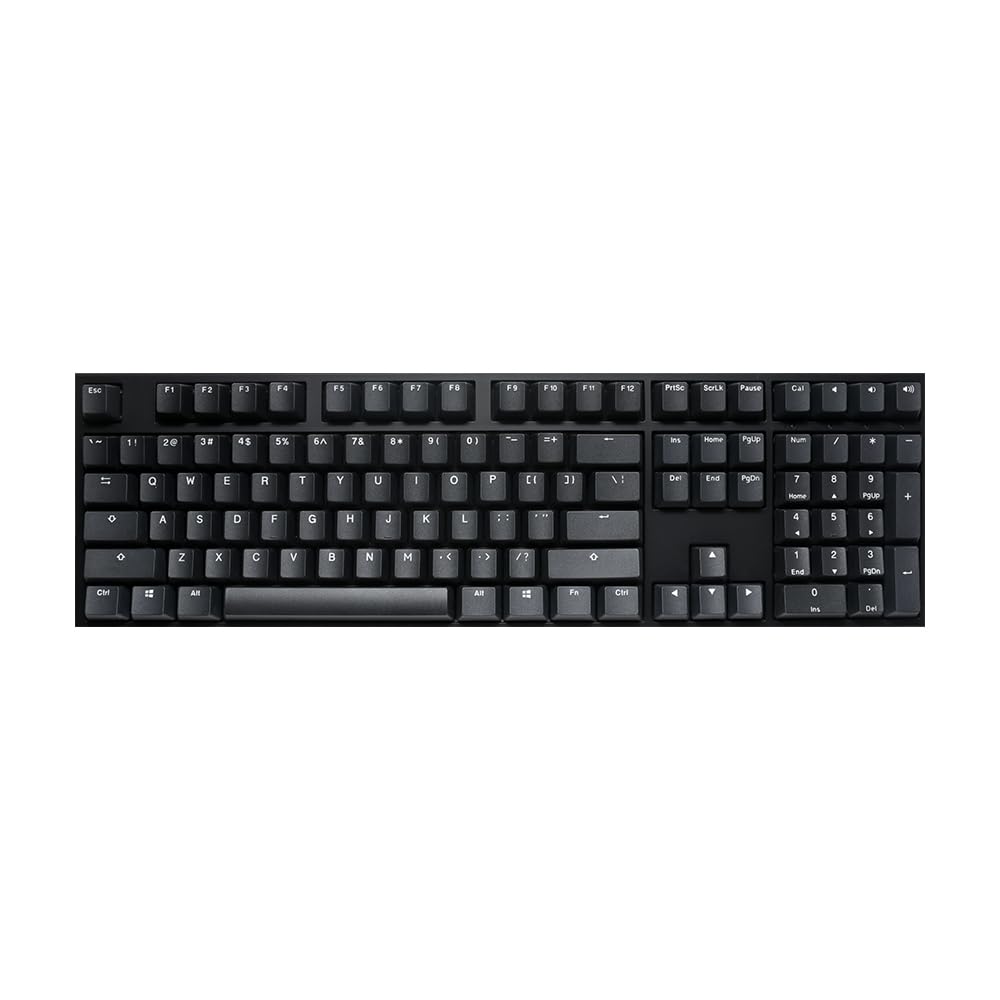


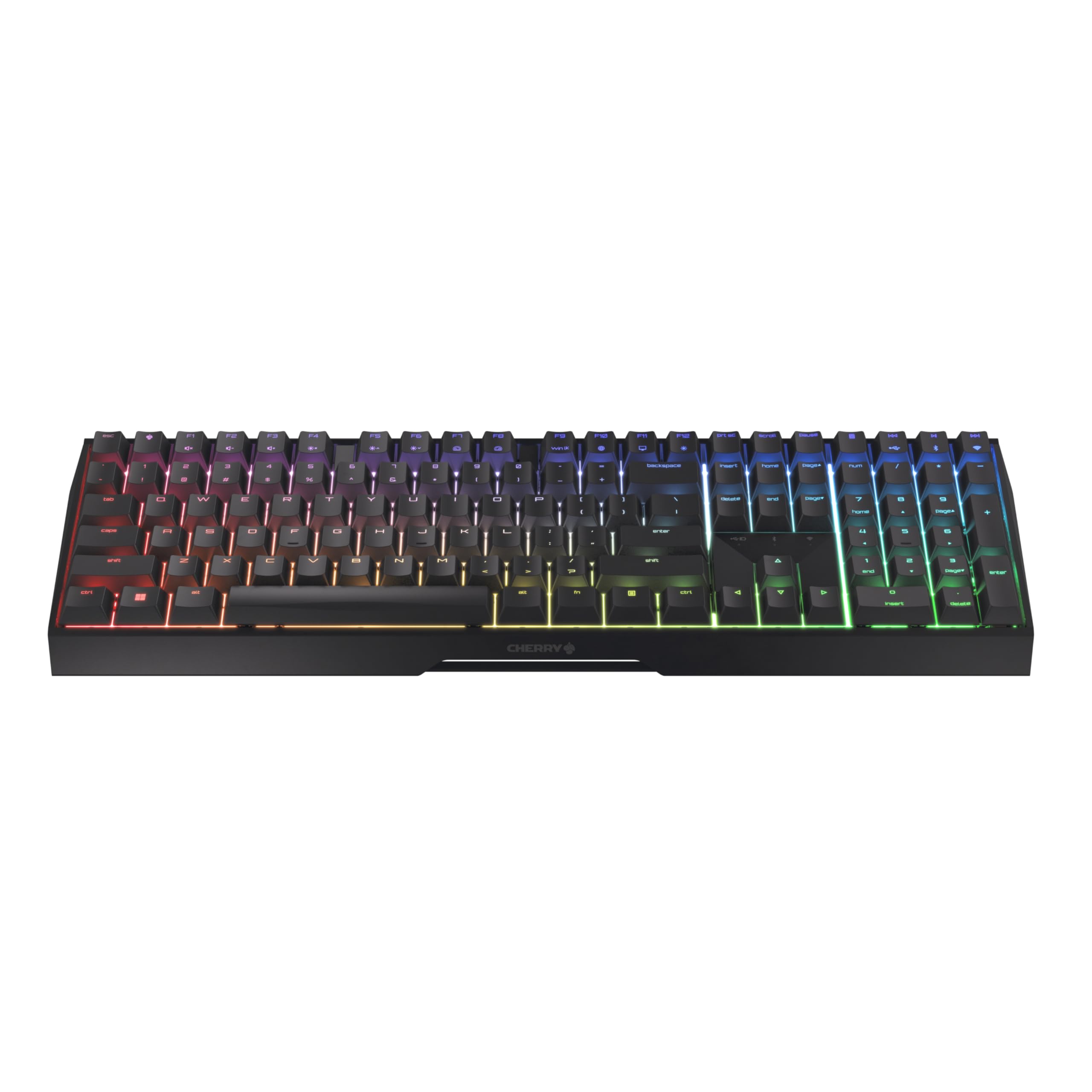
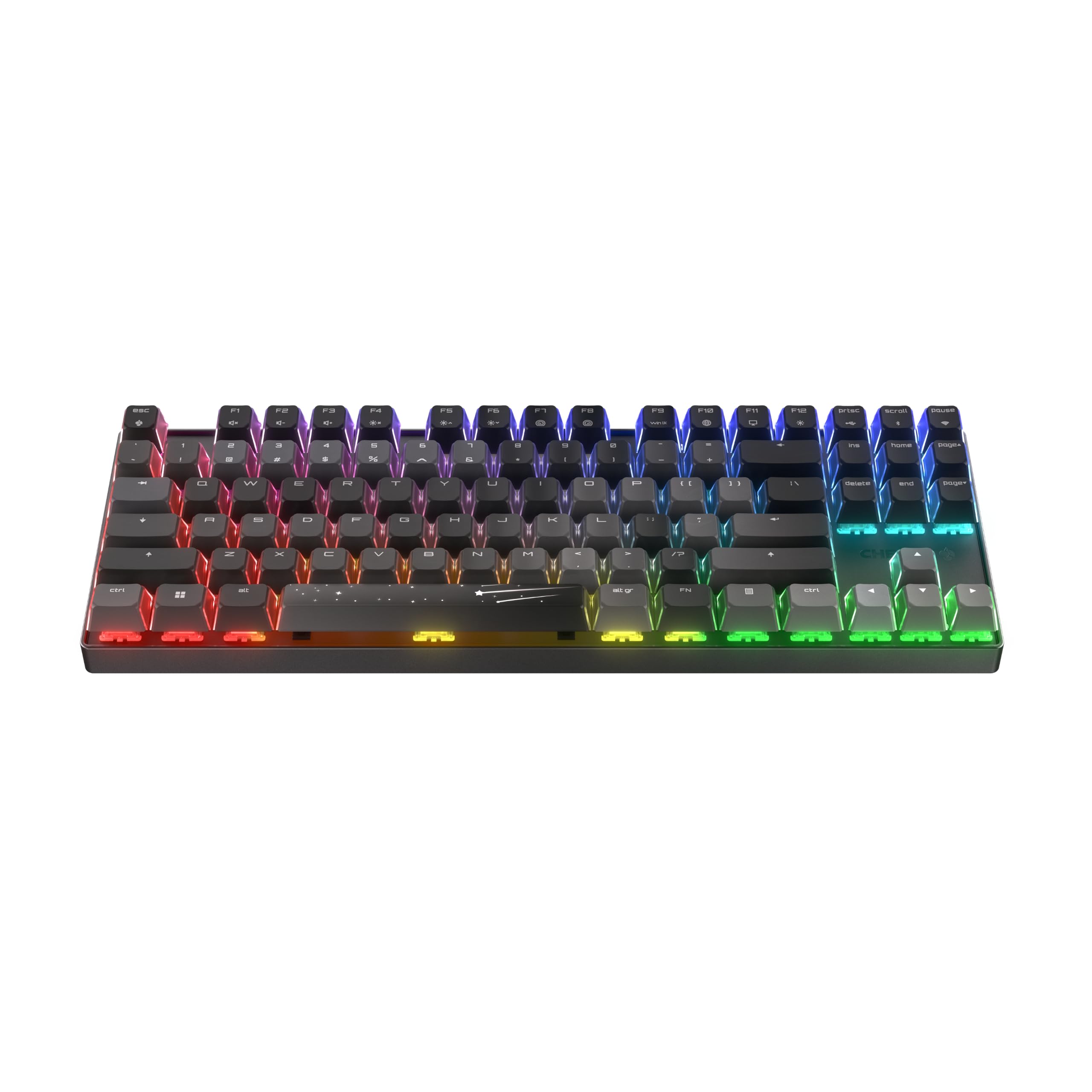

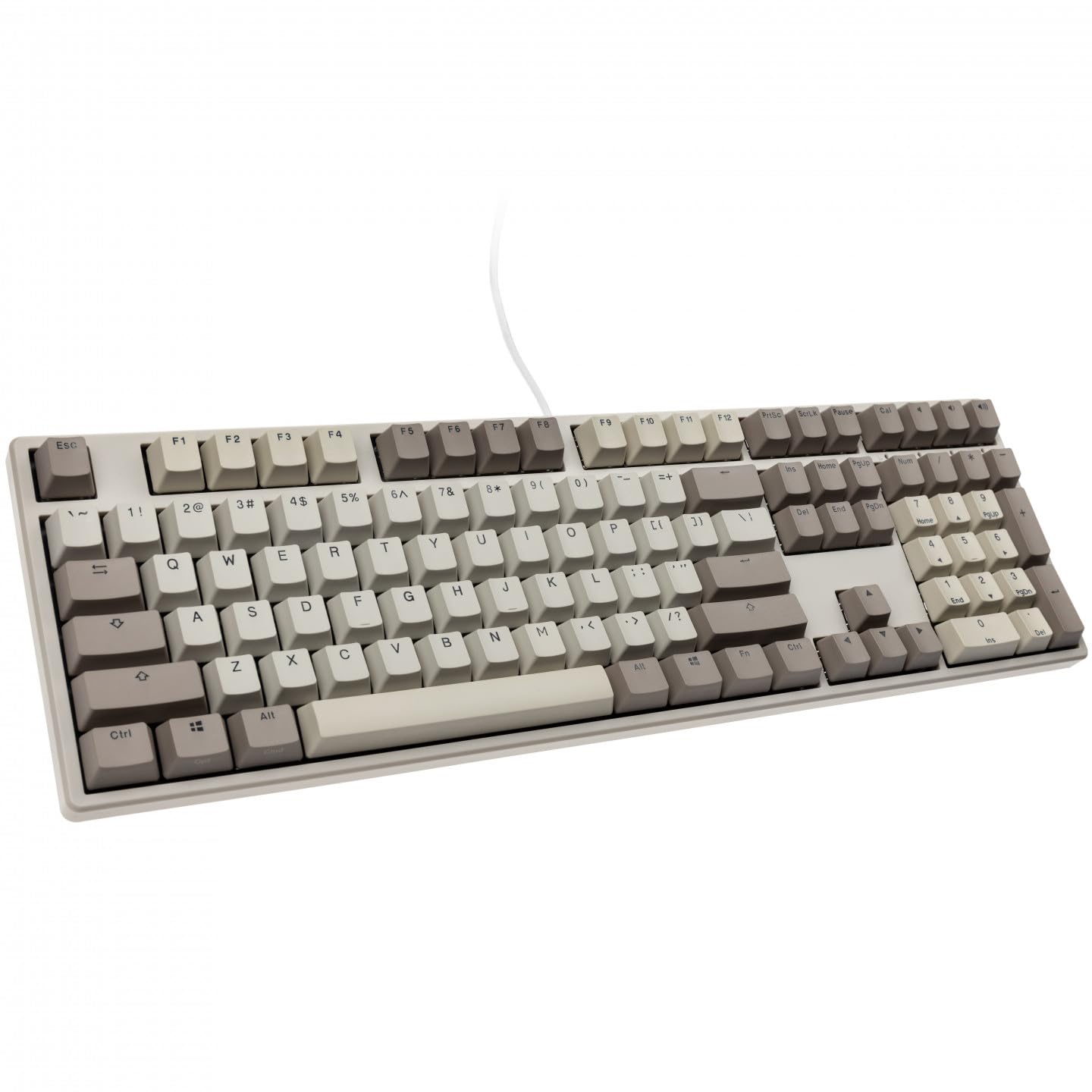
How to Evaluate Cherry MX Blue Keyboards
Judge a blue switch board by the click first, because that sound and the tactile snap define everything else about it. After that, work through the connection options, the case and keycap quality, and the warranty in that order. A board that nails the switch feel yet skimps on stabilizers or support will still annoy you within a month.
Wired vs Wireless (2.4GHz, Bluetooth)
A cable gives you the simplest path: plug in, type, and never think about charging or pairing. A 2.4 GHz dongle keeps latency low enough for gaming while clearing the cable off your desk, and Bluetooth handles a laptop, tablet, and phone rotation with ease. Whichever link you pick, the blue click stays just as loud, so choose the connection for your desk setup rather than for the switch. A stated polling rate is the number that matters, not a vague fast response claim.
Durability and Warranty
Cherry switches carry ratings in the tens of millions of presses, which outlasts most ownership cycles by a wide margin. Hot swappable sockets add real value, because one failing switch becomes a two minute swap instead of a full board replacement. Look for a warranty of at least two years and clear support channels in your region. Keep your receipt and register the board if the maker offers a simple form.
Sensor and Switch Type and Performance
Keyboards have no mouse sensor, so ignore any DPI claim on a keyboard page. What matters is the switch: the click bar inside a blue switch gives both the bump you feel and the sound you hear, and the reset point sits above the actuation point, so rapid double taps feel less fluid than on a linear switch. Polling rate matters for gaming, and consistency from key to key beats any headline number.
Compatibility (PC, Mac, Console)
Windows machines accept nearly every board without extra software, so basic typing works the moment you plug in. Mac owners should look for a Mac mode or extra modifier caps, since Command and Option need to sit in familiar spots. Console support depends on the system and the game, and many titles limit keyboards to menus and text chat. If you move between a work laptop and a home PC, multi device Bluetooth pairing saves daily replugging.
Customization and Software
Remapping and macros matter more than lighting for most typists, so favor software that stores profiles on the board itself and works without an account. That way your layout follows you to any computer. Plain white backlighting usually costs less and stretches battery life on wireless models. Check that volume and media keys work on a simple key press, because you will reach for them far more often than any macro.
Weight and Build Quality
Blue switches reward a solid case, because a hollow or flexible board adds a pingy echo to every click. A metal plate or rigid plastic shell keeps the sound crisp and the board still while you type. PBT keycaps hold their texture and legends for years, while thin ABS caps turn shiny and slick. Test the big keys as well: the space bar should sound deep and even, not loose and rattly.
Before ordering, picture the click in your own room. Play a typing sound clip at call volume and ask whoever shares the space whether they can live with it. Then compare the board width in the listing with your desk depth, because product photos hide real size. For the wider family view, read our guide to the best cherry mx keyboards next.
Price Tiers to Expect
Instead of chasing one famous model, shop by price tier and check that each board delivers what its tier promises. The product table above lets you sort listings by price and layout at a glance. A top price missing basics like PBT caps is poor value, while strong basics at a modest price are the real find.
Complete Package Tier
Boards at about $100 to $180 should feel complete: genuine blue switches, PBT keycaps, a stiff case, and stabilizers that keep the space bar quiet apart from the intended click. This is the tier for writers and heavy typists who keep one board for years. Expect hot swap sockets or clean soldering, some case foam to tame echo, and software with onboard profiles. Thin ABS caps at this price are a reason to walk away.
Value Tier
Boards at about $50 to $100 keep the genuine click and tactile bump while trimming metal cases, lighting extras, and fancy packaging. Students and first time mechanical users get the full blue character here without the flagship cost. Keycap material is the corner most often cut, so read that line of the listing twice. A standard layout at this tier also makes later cap upgrades easy.
Compact or Heavy Use Tier
Compact boards at about $70 to $140 drop the number pad to free mouse room, while heavy duty builds in that range spend the money on metal plates and longer warranties instead. Decide which priority is yours before you shop. Travelers should care about weight and a case, while all day typists should care about case stiffness and consistent switch feel. Paying for both sets of traits usually means paying too much.
Quick Buyer Checklist
Run through these questions before you pay. Every yes means the board fits your life a little better.
- Does the switch sound suit everyone who shares your space?
- Is the layout wide enough for your daily number and shortcut work?
- Does the board connect the way your desk needs, wired or wireless?
- Are the keycaps PBT with legends that will stay readable?
- Can you swap a switch without soldering if one fails?
- Does the warranty last at least two years with clear support?
- Does the price match the tier features listed above?
Red Flags to Watch For
Be suspicious when a listing says clicky style or blue type switches instead of naming Cherry MX Blue outright, because clone switches rarely match the feel or lifespan. Prices far under every rival, reviews that praise everything except the sound, and warranties that last only a few months are further warnings. A missing polling rate or keycap material in the specs usually means the maker hopes you will not ask.
Setup and Care Tips
When the board arrives, run every key through an online key tester while the return window is still open. Every few months, lift the keycaps with a puller and brush crumbs and dust off the plate, since grit dulls the crisp click over time. Wash caps in mild soapy water, rinse, and let them dry completely before pressing them back on. Download firmware only from the maker site, and keep the cable handy so a dead battery never stalls your work.
Still weighing the click? See our guide to the best keyboards with cherry mx blue switches for switch level detail. Our guide to the best cherry mx blue mechanical keyboards compares formats by desk and travel needs. You can also browse the best mx blue keyboards for a wider view, or contrast a quiet linear option in our guide to the best cherry mx red keyboards.
FAQs
Wired or wireless: which is better for gaming?
A wired link or a 2.4 GHz dongle both deliver inputs fast enough for competitive play, so the connection will not be what costs you a match. Bluetooth carries a slight delay and fits casual gaming and clean desks better. One detail worth checking is receiver storage: a board with a slot for the dongle keeps it from vanishing in a drawer or bag.
What DPI do I need on a keyboard?
None, because DPI belongs to mice, not keyboards. It describes how far a mouse cursor moves for each inch the mouse travels. When a keyboard listing brags about DPI, the seller copied mouse text into the wrong page, which is a fair reason to doubt the rest of the specs. Rate a keyboard on switch feel, polling rate, keycaps, and build quality instead.
Does it work with Mac and console?
For Mac use, yes in most cases, as long as the board offers a Mac mode or swappable caps so Command and Option land where your fingers expect them. Console gaming is the uncertain part, because each system and each title chooses which keyboards work for live play rather than menus only. Check the console maker support list for your exact game before you buy for that purpose.
Are mechanical keyboards worth it?
Yes, if you type or play for hours, because replaceable parts and consistent switches repay the price over years. A blue board adds satisfying feedback on every press, but it only makes sense where the noise is welcome. In a shared room, a quieter switch family usually suits better than a loud clicky one.
The Bottom Line
Decide whether the click suits your room before anything else, then layout, then connection, and let your budget tier come last. Compare your finalists in the product table above and pick the best cherry mx blue keyboards option that you and everyone within earshot can live with. Buying for the satisfying click and then discovering that family members or coworkers hate the noise is the regret to avoid.