Best Cherry Switch Keyboards at Every Price: What Your Money Really Gets You for 2026
Disclosure: We may earn a commission when you buy through links on this page, at no extra cost to you. As an Amazon Associate I earn from qualifying purchases. Learn more

Learn how to choose the best cherry switch keyboards by budget, with clear guidance on switch types, build quality, and features that matter most.
Prices for Cherry switch boards span a very wide range, from simple wired models for a home desk to premium wireless boards with metal cases. Paying more does not automatically give you a better typing feel, because the switch itself is only part of the experience. When you shop for best cherry switch keyboards, use the comparison table below to see where each price level puts your money, then decide which upgrades match your work and play.
This guide breaks the market into three clear tiers, explains what each tier usually includes, and shows which features deserve a place in your budget and which ones you can skip.
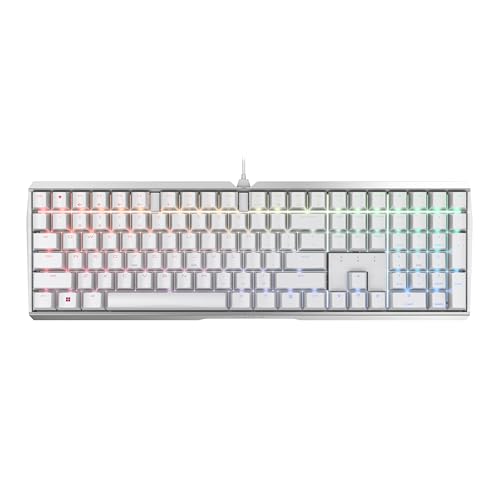
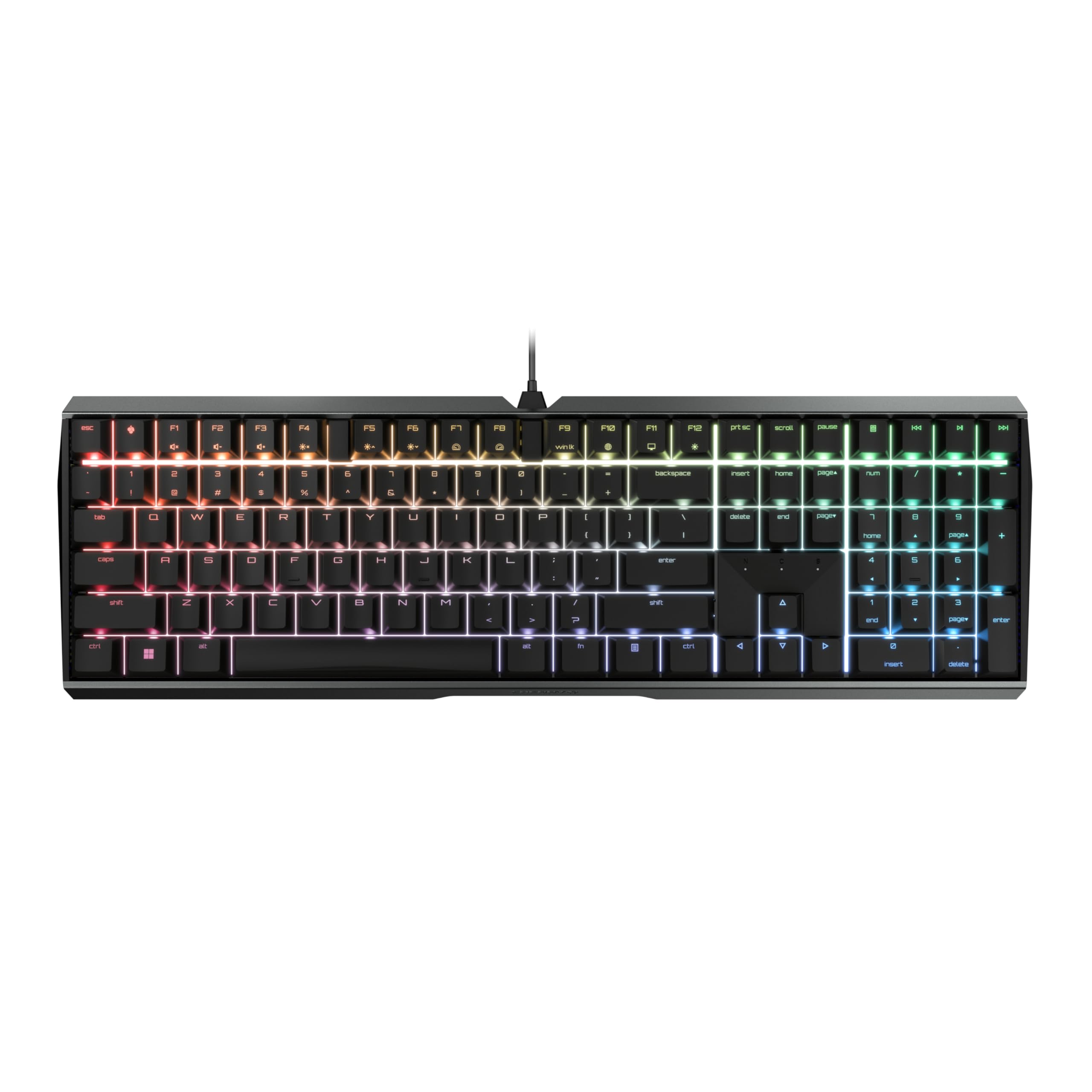


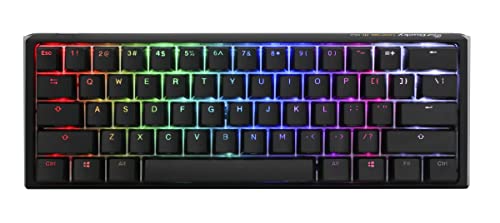
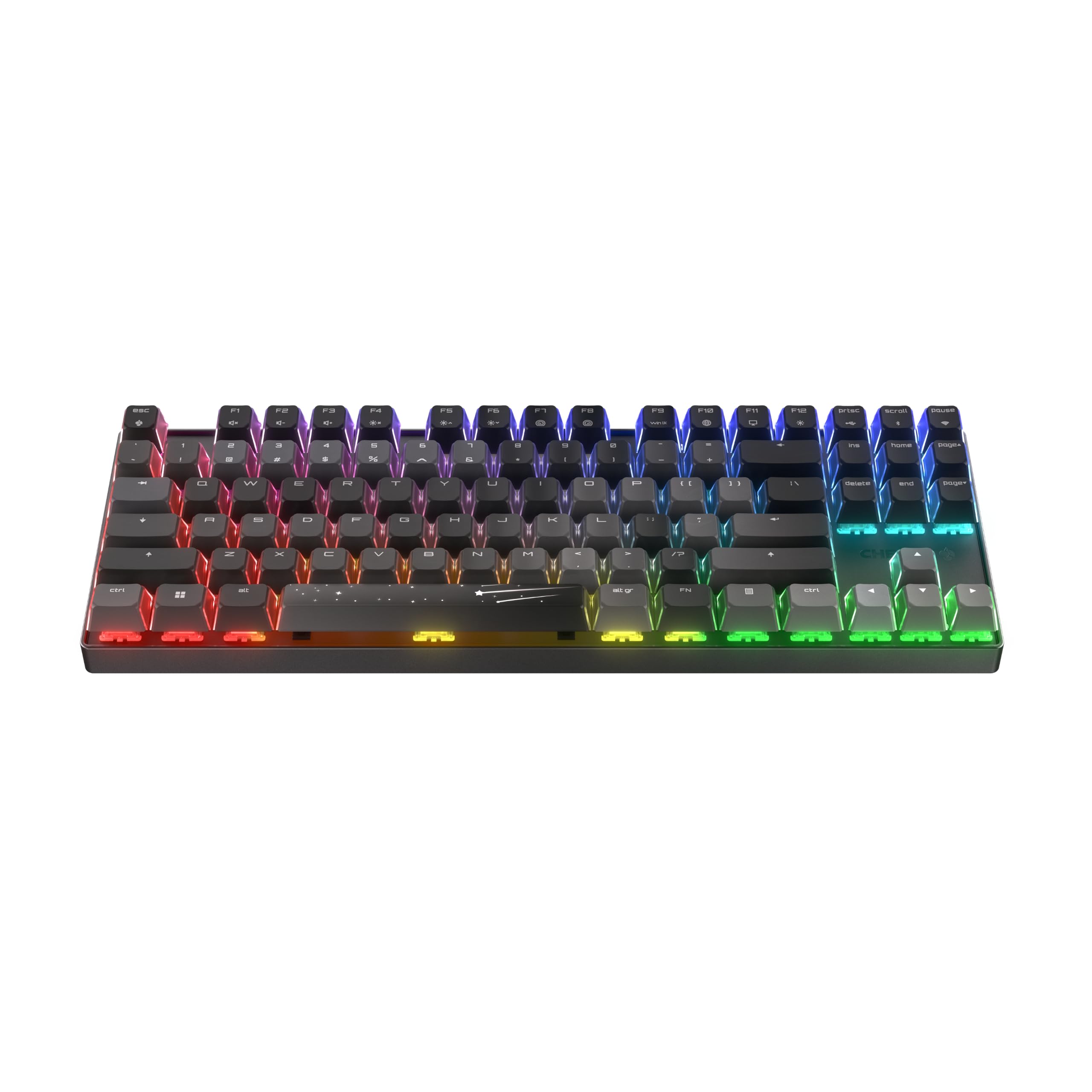


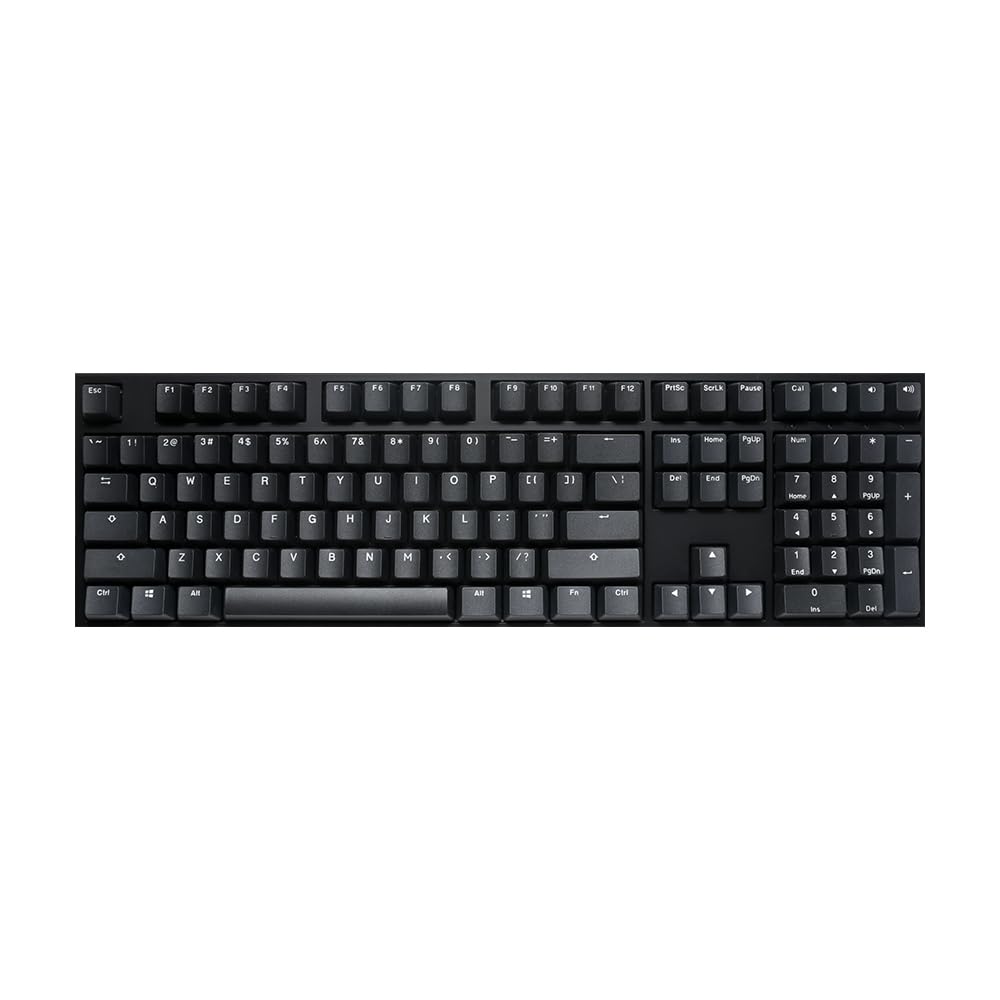

What Your Money Gets You at Each Price Tier
Price tiers help you set expectations before you compare individual boards. The ranges below are approximate for the United States market and describe typical bundles, not promises for any single model.
Budget Tier: What to Expect
Budget boards usually sit around $50 to $90. You typically get genuine Cherry switches, a plastic case, a fixed wired cable or a detachable USB C cable, and simple backlighting or no backlighting at all. The trade off is refinement, so keycaps may be thinner and large keys may sound less consistent. For typing, homework, and casual games, that trade off is often sensible, especially if you keep a spare board or work within a tight budget.
Midrange Tier: The Sweet Spot for Most Buyers
Midrange boards usually sit around $90 to $160. This is where PBT keycaps, hot swap sockets, and tri mode connectivity become common, and where stabilizers and case padding start to make the board sound deeper and feel more solid. Most buyers get the best value here because the daily experience improves in ways you notice immediately, while the price stays well below premium metal builds. If you are unsure where to land, start your search in this tier.
Premium Tier: When Spending More Pays Off
Premium boards often start around $160 and can go well above $250. Your money goes toward case materials, mounting style, switch pre lubrication from the factory, and software polish. The typing feel can be softer and quieter, and the board often looks and sounds more refined on a desk that is visible on calls. The gain is real but narrow, so it pays off most for heavy typists, enthusiasts, and anyone who keeps the same board for many years.
Features Worth Paying For and Ones to Skip
Not every feature improves your day in the same way. Use this section to protect your budget from extras that look impressive in a listing but add little once the board is on your desk.
Durability and Warranty
Durability is worth paying for because a keyboard is a long use purchase. Look for a clear switch life rating, solid stabilizers, and hot swap sockets that let you replace one switch instead of the whole board. A warranty of at least one year should be standard, and responsive support matters if a key starts to repeat or stop registering. If sound is part of durability and comfort for you, see our guide to the best sounding switches for keyboards for how switch and case choices shape noise.
Wired vs Wireless
Wireless is worth paying for if you switch devices or dislike cable clutter, but only if the board offers both Bluetooth for convenience and 2.4 GHz for low latency play. A wired only board is a smart skip on wireless cost if your desk never changes. Check battery size, charging via USB C, and whether the board still works wired while it charges. Those small details decide whether wireless feels effortless or fussy after a month.
Ergonomics, Size, and Grip Style
Size is a free decision that many buyers pay for later by replacing the board. A full size layout suits data entry, tenkeyless suits most mixed use, and 75 percent suits compact desks. Think about hand position and mouse room rather than about grip terms borrowed from mice. Your typing posture, wrist angle, and desk depth matter more. For a wider view of Cherry boards across sizes, see our guide to the best cherry keyboards before you lock in a layout.
Weight and Build Quality
Build quality is worth a modest premium because you feel it on every key press. A stiffer case, a metal top plate, and PBT keycaps keep the board stable and the legends readable for years. Very heavy boards suit a fixed desk, while lighter boards suit shared or portable setups. If you prefer a clicky Cherry variant instead of a smooth or tactile one, see our guide to the best keyboards with cherry mx blue switches to understand how that feel differs before you spend.
Long Term Costs to Factor In
The purchase price is only part of what you will spend. Keycaps wear, cables fray, and batteries in wireless boards lose capacity over years, so a board with replaceable parts often costs less over time. Factor in a possible wrist rest, a replacement cable, and a set of keycaps if you choose thin stock caps at the budget level. Also consider time, because a board with simple software and onboard memory saves you repeated setup on new computers. A slightly higher price for repairable design usually beats a lower price for a board you must replace whole.
FAQs
Are mechanical keyboards worth it?
Yes, a mechanical board is worth it for most daily typists because individual switches give a consistent feel and a long service life, and many boards let you replace a single switch or keycap. The value is strongest in the midrange, where build and features improve sharply. If you type rarely or travel constantly with only a laptop, the extra weight and height may not suit you as well.
Does it work with Mac and console?
Most Cherry switch boards work with Mac and consoles for basic input, but details vary by model. Check for a Mac mode, extra Mac keycaps, or a physical switch that changes the layout, especially if you use Command shortcuts all day. On consoles, wired mode is the most reliable, and some software features will not carry over. Confirm the connection modes you plan to use rather than assuming every mode works everywhere.
Wired or wireless: which is better for gaming?
Wired is better for the lowest latency and the simplest setup, with no battery to manage during long sessions. A quality 2.4 GHz wireless connection comes very close and is a good choice if you value a clean desk. Bluetooth is better saved for work and casual use because its latency is higher. Your choice should match your games, so competitive players should favor wired or 2.4 GHz, while casual players can choose by convenience.
What DPI do I need?
You do not need a DPI figure for a keyboard, because DPI describes a mouse sensor. For a board, look instead at polling rate and at switch actuation, which affect how quickly and consistently your presses register. A standard polling rate is fine for typing and everyday play, while higher rates target competitive gaming. Do not let a mouse spec distract you from switch type, layout, and build, which shape this purchase far more.
Wrapping Up
Start with the tier that matches your budget, then check switch type, layout size, and build quality in that order. That sequence keeps you from paying premium prices for minor refinements while missing a basic fit issue. Look back at the product table above with those priorities in mind, and the best cherry switch keyboards for your desk will stand out because the value at each level is now clear.