
Best Chemistry Sets for 9 Year Olds for 2026: Which One Fits the Way You Use It?
Disclosure: We may earn a commission when you buy through links on this page, at no extra cost to you. As an Amazon Associate I earn from qualifying purchases. Learn more

Learn how to choose the best chemistry sets for 9 year olds with safety, experiment count, and value criteria plus a simple checklist for parents.
There is no single set that suits every family, because a child who loves messy color changes needs something different from a child who prefers careful measuring and quiet observation. The best chemistry sets for 9 year olds share clear instructions, sturdy tools, and adult supervision built into every activity. What separates them is experiment style, cleanup effort, and how much guidance your child still needs.
Use the comparison table below to spot the basics at a glance, then read on for the use case breakdown that matches a set to your kitchen table, your schedule, and your child. A little planning now prevents the common problem of a kit that gets opened once and then forgotten in a cupboard.


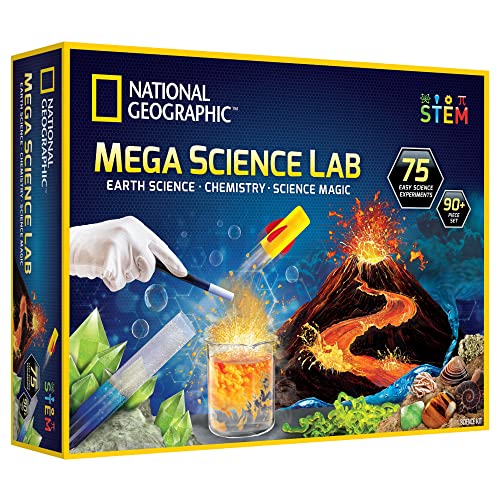


Who Should Buy Which Chemistry Sets?
Start with how your child actually plays and learns, not with the biggest box or the longest experiment list. At nine, most children can pour, stir, and follow a numbered sequence, but attention spans and reading levels still vary a lot. The four groups below cover the situations parents describe most often.
For People Who Want the Best Performance
If your child already finishes science kits quickly and asks what happens next, pay for depth rather than novelty. Premium sets usually include more reagents, better measuring tools, and experiments that build on each other across several sessions. Look for real glass or thick plastic vessels, a proper experiment guide with explanations, and refill options so the fun does not end when the first powders run out. That extra depth costs more, but it keeps a curious nine year old challenged for months.
For Value Seekers
Value at this age means cost per completed experiment, not the lowest sticker price. A mid priced set with twenty to thirty activities and commonly available refill ingredients will outlast a cheap box with five one time tricks. Check that consumables are standard items you can replace at a grocery or pharmacy, and that the tools are strong enough to survive repeated washing. Durable trays, spoons, and beakers matter more than fancy packaging.
For First Time Buyers
For a first kit, simplicity protects confidence. Choose a set with large print instructions, pictures for each step, and ingredients that are food grade or clearly labeled as low hazard for classroom style experiments. Fewer chemicals with clear storage caps beat a crowded box that overwhelms a beginner. If your child is closer to the younger end in reading or patience, you may also want to see our guide to the best chemistry sets for 8 year olds, since those sets lean even harder on guided, short activities.
For Gift Shoppers
A gift set should delight on day one without demanding extra purchases. Look for a box that includes safety goggles, gloves, and every ingredient needed for at least the first several experiments. A tidy storage case helps, and a clear age label reassures the parents receiving it. If the child also enjoys making things by hand, our guide to the best craft sets for 9 year olds pairs well as a companion gift for a creative weekend.
Key Features to Compare
Once you know your use case, compare these features in order. Safety and instruction quality come first, then experiment range, then the practical details that decide whether the set fits your home.
Size, Weight, and Fit for Your Space
Chemistry at home happens on a kitchen table or a washable tray, so footprint matters. A compact case that opens flat and stores upright suits small homes better than a wide box with loose bottles. Check the total weight if your child will carry it to a grandparents' house or a science club. Trays with raised edges contain spills, and bottles with wide bases tip less often than tall narrow ones. Measure your storage shelf before you buy, because a set that lives out of sight rarely gets used.
Features That Matter for 9 Year Olds
Nine year olds sit between early childhood kits and true lab style sets, and the right features reflect that middle stage. Instructions should use short sentences, numbered steps, and a photo or drawing of the expected result. Ingredients should be premeasured where possible, with any powders in resealable packs. Look for goggles sized for children, not adult goggles that slide off small faces. Experiments should finish within about fifteen to thirty minutes, with one or two longer projects for weekends. Adult supervision notes should appear on each activity, not only in a front page disclaimer.
Intended Use and Who It Is For
Decide whether the set is mainly for solo weekend play with a parent nearby, for homeschool lessons, or for a child preparing for a school science fair. Homeschool families benefit from guides that explain the science behind each result and suggest questions to discuss. Casual play sets can skip the theory and focus on color, foam, and crystals. If an older sibling will soon outgrow sharing and want a bigger challenge, browsing the best chemistry sets for 12 year olds shows how experiment complexity and chemical strength step up at that stage.
Price vs Value
Budget sets at around $20 to $35 usually cover basic reactions with a handful of tools and limited refills. Mid range options at about $35 to $60 add more experiments, better storage, and clearer guides, which is the sweet spot for most families. Premium options above $60 should justify the price with refill programs, durable vessels, and activities that teach real concepts such as acids, bases, and simple measurement. Price alone tells you little, so divide the cost by the number of full experiments to compare fairly.
Common Mistakes to Avoid When Buying Chemistry Sets
- Choosing by box size or experiment count alone, without checking whether the activities suit a nine year old reading level.
- Ignoring size, weight, and fit for your space, then discovering the case will not fit your shelf or tray.
- Buying a set aimed at much older children, where chemicals and glassware demand skills your child has not built yet.
- Skipping the ingredient list, which can hide allergens or items you do not want stored at home.
- Forgetting to check refill availability and warranty or replacement support for broken tools.
Families with a younger child at home should also think about storage height and locked caps, since a set bought for a nine year old will attract a curious younger sibling. If that sibling is ready for a gentle start, see our guide to the best chemistry sets for 7 year olds for simpler, closely guided activities.
Care and Maintenance Tips
Read the manual before first use, together with your child, and agree on house rules such as goggles on, no tasting, and hands washed after every session. Clean and inspect tools right after each experiment, because dried powders and crystal residue harden and stain if left overnight. Rinse beakers in warm water, dry them fully, and check caps for cracks. Store the whole set in a dry place away from food and out of reach of younger children. Replace cloudy goggles and worn gloves promptly, and note the expiry dates printed on any chemical packs.
Safety deserves one extra word. Stop and seek medical advice promptly if your child gets any substance in the eyes, swallows an ingredient, or develops skin redness, swelling, breathing trouble, or persistent pain. Flush eyes with clean water while you call for help. When in doubt about a reaction or an ingredient, talk with your doctor or local poison control service rather than guessing.
Frequently Asked Questions
What features matter most in chemistry sets for 9 year olds?
Clear pictured instructions, child sized goggles, and premeasured low hazard ingredients matter most. At nine, children can follow steps but still need results they can see within half an hour. A sturdy tray and resealable ingredient packs also help, because they keep sessions calm, contained, and easy to repeat on another day.
How do I maintain a chemistry set?
Wash tools right after each session, dry everything fully, and store the kit in a sealed case in a dry place. Keep a simple log on the box lid of which experiments are done and which ingredients remain. That small habit prevents mid activity surprises and tells you when to order refills before a planned science afternoon.
Are expensive chemistry sets worth it?
They can be, when the extra money buys refillable ingredients, stronger vessels, and a guide that explains the science in plain words. For a child who only dabbles, a mid priced set gives the same early joy for less. Match the spend to how often your family actually sits down for experiments each month.
How long does a chemistry set last?
The tools can last for years, while the ingredients usually cover a few weeks to a few months of regular play. Lifespan depends on refill access, careful washing, and dry storage. Sets built around common household ingredients last longest in practice, because running out never means the kit is finished for good.
How much should I spend on a chemistry set?
Most families do well at about $35 to $60, where instructions, safety gear, and experiment counts are all solid. Spend less for a trial run with a hesitant child, and more only when refills and a detailed guide are included. When an older teen in the family wants to join in, the best chemistry sets for 13 year olds show the next level of challenge.
Wrapping Up
Match the set to your child first, then check safety gear, instruction clarity, and refill options before you compare prices. The product table above pulls those basics together so you can shortlist quickly. When you choose the best chemistry sets for 9 year olds with supervision, storage, and your child's pace in mind, you get a kit that teaches real science and earns repeat use. Talk with your child's teacher or clinician about personal needs if allergies or sensitivities shape which ingredients are safe in your home.


