
Best Chemistry Sets for 8 Year Olds at Every Price: What Your Money Really Gets You for 2026
Disclosure: We may earn a commission when you buy through links on this page, at no extra cost to you. As an Amazon Associate I earn from qualifying purchases. Learn more

Compare the best chemistry sets for 8 year olds by price tier, see what each budget level delivers and learn which upgrades are worth paying for.
Chemistry kits for this age sell for under $25 and for over $100, and from the box art alone you would struggle to explain why. The gap is real, but it hides in refill options, tool quality and guide depth rather than in the first flashy experiment. This guide to the best chemistry sets for 8 year olds shows what each price tier actually delivers, so your money goes where your child will feel it.
Eight year olds can follow written steps with light help, pour and stir with growing control and stay with an activity for about thirty minutes. The comparison table below lays out the range quickly. The sections after it turn that range into a simple tier decision, with clear notes on which upgrades are worth paying for at this age and which are not.


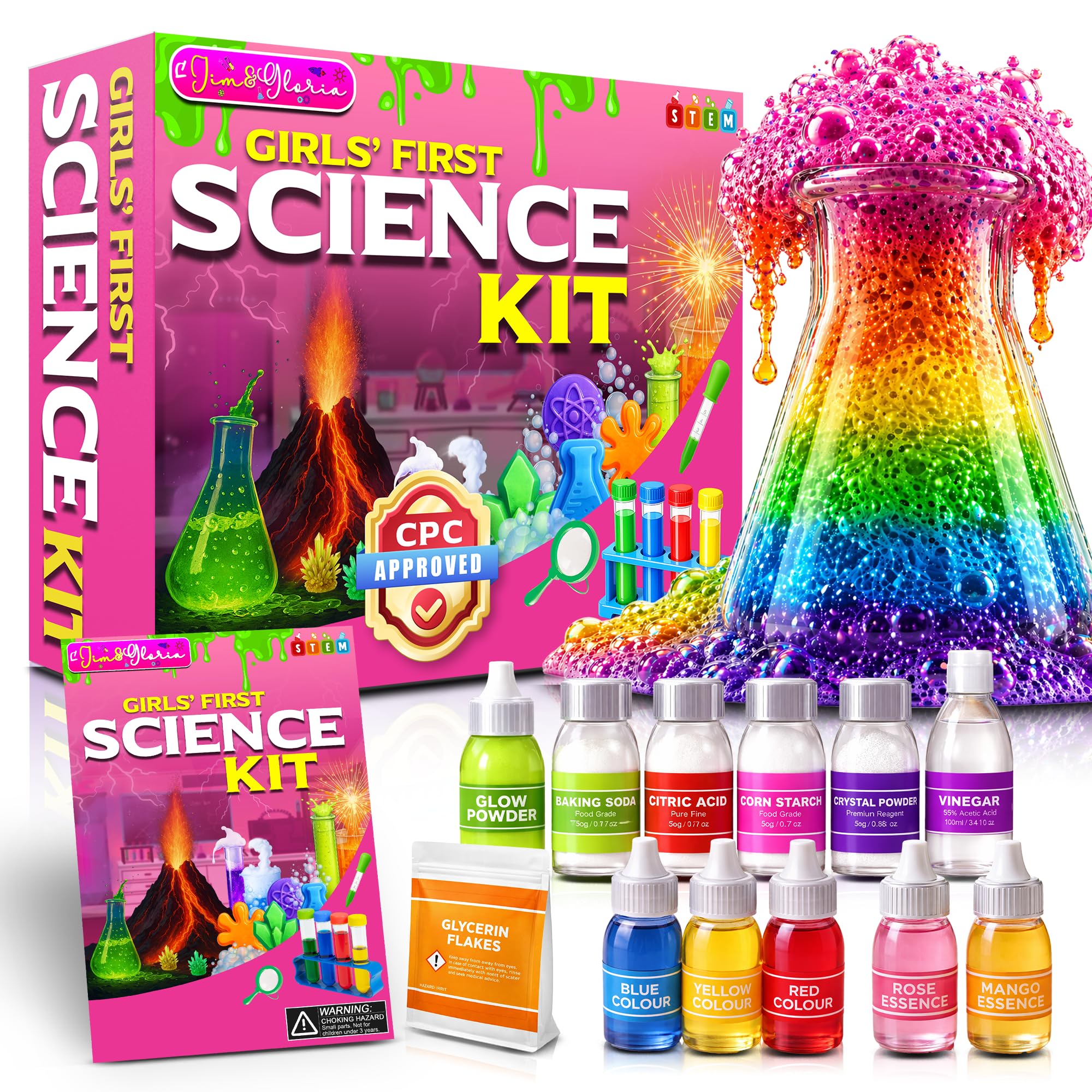

What Your Money Gets You at Each Price Tier
Budget Tier: What to Expect
Budget money buys spectacle and simplicity. Experiments lean on baking soda style fizz, food coloring and fast crystal or slime activities, with steps shown in pictures more than words. That suits an eight year old who reads slowly or prefers doing to reading. Just count the true cost: once the packets are gone, the kit is a box of empty cups unless kitchen materials can stand in for a few simple reactions.
Midrange Tier: The Sweet Spot for Most Buyers
Midrange money buys staying power. Chemicals come in containers you can open again next week, measuring tools carry markings your child can learn from, and the experiment list mixes quick wins with a few multi day projects. Guides at this tier usually add a why section after each activity, which is where the learning lives. For a family buying one kit to last a school year of weekend sessions, this tier is the practical answer.
Premium Tier: When Spending More Pays Off
Premium money pays off when it buys repeats and range: enough material to redo a favorite experiment for a friend, plus new reaction types the cheaper tiers skip, such as simple indicator tests on household liquids. Better trays and goggles also matter for weekly use. It does not pay off when it buys only a licensed theme or a bigger box. Read the experiment list, not the cover, to tell the difference.
Features Worth Paying For (and Ones to Skip)
Features That Matter for 8 Year Olds
Pay for tools sized between toddler chunky and adult fine: cups a small hand can grip, droppers that need only a gentle squeeze and stirrers long enough to keep fingers out of mixtures. Pay also for instructions with one step per line and a photo of the expected result. Skip paying for huge experiment counts. At eight, fifteen well explained experiments teach more than sixty rushed ones.
Warranty and Customer Support
Warranty value rises with price, so check the premium tiers carefully. A good maker replaces cracked trays, leaking bottles and missing tools reported soon after opening, and prints a support contact in the guide. Consumables are rarely covered beyond arrival defects, which is fair. Keep the receipt and run a first session within the return window, because that is when missing parts reveal themselves.
Intended Use and Who It Is For
Let the user set the budget. A kit for weekly parent and child sessions earns a midrange spend. A kit for a classroom corner or a scout group needs premium durability, since many hands are rougher than one child. A birthday gift for a child you know less well is safest in the budget to midrange range. Broader science fans may also like the wider scope covered by the best science sets for 8 year olds, which mix chemistry with other topics.
Maintenance and Long Term Costs
Every tier needs the same habits: wash and dry tools, seal containers and store the kit dry. The cost difference shows in replacements. Budget tools crack sooner, and budget chemicals cannot be refilled, so the whole kit gets replaced. Midrange and premium kits cost about $10 to $20 a year in refills and household supplies. Over two years, the midrange kit is often the cheapest option of the three.
Long Term Costs to Factor In
Add four small costs to any sticker price. Refill packs, where offered, run about $10 to $25. Household supplies such as vinegar, distilled water and food coloring add a few dollars per term. Replacement goggles or a cracked tray may add a little more in year two. Finally, count your own time: kits with pre portioned materials save ten minutes of setup and cleanup per session, which over a school year is worth real money to a busy parent. Safety is part of this planning too. An adult should supervise every session, and you should seek medical advice at once if material touches eyes, is swallowed, or causes skin pain, redness or breathing trouble. Talk with your clinician about allergies or asthma before starting.
FAQs
What features matter most in chemistry sets for 8 year olds?
Readable step by step instructions, tools sized for small hands and chemicals in resealable containers matter most. A tray that contains spills and a guide photo for each result also rank high. These basics decide whether sessions feel calm and successful, which matters more at eight than the total experiment count.
How do I maintain a chemistry set?
Rinse and dry all tools after each session and close containers before the box goes back on the shelf. Store the kit upright in a dry place away from food and younger siblings. Check caps monthly for leaks and keep a note of low supplies in the lid, so a refill arrives before a planned session rather than after it stalls.
What features matter most when buying chemistry sets?
Safety standards, honest age grading and guide quality matter most at any price. Confirm the materials are low hazard and meant for home use with adult supervision. Then sample the instructions if you can. A kit that explains one experiment clearly will explain the rest clearly too, and that clarity is what your child actually uses.
How long does a chemistry set last?
A budget kit may be finished in one to two months of weekly use. A midrange kit typically lasts four to six months before refills, and a premium kit can run a full year with one refill pack. Tools outlast chemicals by far. Heat, moisture and loose caps age supplies fastest, so storage habits decide much of the answer.
How much should I spend on a chemistry set?
Most families should spend about $35 to $70 for an eight year old. That midrange buys resealable supplies, a teaching guide and refills. Spend under $35 only for a trial or a small gift, and above $70 only for a proven enthusiast. For a next step gift after chemistry, many families look at the best magic sets for 8 year olds, which reward the same love of surprise.
Are expensive chemistry sets worth it?
Yes, when the price buys larger chemical amounts, repeatable experiments and a deeper guide. No, when it buys only a theme, a big box or a long list of near identical mixing activities. For most eight year olds the midrange tier delivers nearly all the real benefits, and our guide to the best chemistry sets for 9 year olds shows how that value picture shifts just one year later.
Our Verdict
For most families, the midrange tier is the smart buy: enough experiments, refillable supplies and a guide that teaches. Budget kits test interest cheaply, and premium kits belong to children who have already proven they will use them weekly. Compare your shortlist with the comparison table above, and the best chemistry sets for 8 year olds will come down to one tier and one clear choice.


