
Best Building Sets for 9 Year Olds of 2026: Complete Buying Guide
Disclosure: We may earn a commission when you buy through links on this page, at no extra cost to you. As an Amazon Associate I earn from qualifying purchases. Learn more

Compare the best building sets for 9 year olds by challenge level, piece count, build quality, and price, with clear criteria for a confident, lasting choice.
Nine year olds read complex diagrams, plan multi stage builds, and care deeply about how a finished model looks and moves. The challenge is matching that growing skill to a set that stretches it without stalling it. This guide explains how to judge the best building sets for 9 year olds by challenge, quality, and value. Use the comparison table below as your starting point, then apply the criteria that follow.
The buying profiles and decision rules below apply to any set on the shelf, and they last longer than any single model, because new sets arrive every season while good criteria stay the same.


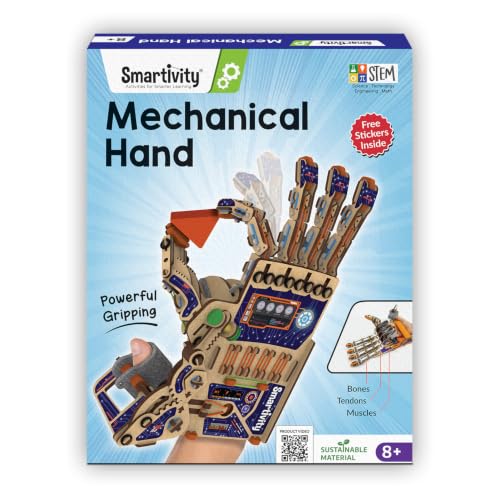
Three Buying Profiles at a Glance
The Balanced Choice
A balanced set for this age holds about 600 to 1,000 pieces, mixes basic and technical parts, and builds in clear stages. It suits the widest range of nine year olds because it supports guided models and free inventions equally well. Expect to spend around $60 to $100 for this profile in most stores.
The strength of this profile is staying power. Varied pieces keep creating options long after the pictured models are done. The limit is that it may not go deep enough on one theme for a child with a single strong passion, such as vehicles only or buildings only. For most families, though, balance beats depth.
The Value Choice
A value focused set puts money into piece count and basic variety rather than theme detail or packaging. Look for a high share of standard pieces, a solid storage tub, and an idea book with many models. Sets in this profile often cost around $35 to $60 while still offering 500 or more usable pieces.
The trade off is finish. Instructions may be plainer and specialty parts fewer, so builds look simpler. For a child who invents more than they follow, that trade is smart. Money saved can fund a later specialty set once interests settle. Value sets also make practical gifts when you do not know the child collection well.
The Starter Choice
A starter set suits a nine year old who is new to building or returning after a long break. Choose about 300 to 500 pieces, larger sub assemblies, and booklets that group steps into short stages. Early wins build the patience that bigger projects demand later. Expect prices around $30 to $55 for this profile.
The risk is outgrowing it quickly if skills jump fast, which they often do at nine. Reduce that risk by choosing pieces that connect with standard sizes, so the starter set becomes raw material for later sets. A starter set that stays compatible never becomes wasted money, even after the guided builds end.
How to Choose the Best Building Sets: Buying Guide
Features That Matter for 9 Year Olds
Nine year olds can handle builds of 800 to 1,500 pieces when stages are clear, and they benefit from technical parts such as gears, axles, and beams. Look for instructions that number bags or sections, because stage based building turns a huge project into a series of wins. Fine motor control is strong now, so smaller and more varied piece shapes are appropriate.
Also look for design depth. Sets that teach real structures, bridges, towers, and simple machines, reward the curiosity this age shows in how things work. Our guide to the best craft sets for 9 year olds covers a neighboring creative option if your child likes making things by hand as much as building them.
Intended Use and Who It Is For
Name the builder first. A solo builder needs self paced instructions and a build that can pause and resume cleanly. A social builder needs piece counts that support two projects at once. A display minded child needs finished models that look good on a shelf and hold together when moved.
Gifts need extra care at this age because collections vary widely. Ask what systems the child already owns so new pieces connect instead of sitting apart. If the child is stepping up from simpler sets, our guide to the best building sets for 7 year olds shows the level they are leaving, which helps you judge the size of the jump.
Warranty and Customer Support
A clear warranty and an easy missing piece service matter more as sets grow larger and more specialized. Before you buy, check how the maker handles a missing or broken part. Good support ships single pieces at low or no cost. Poor support can leave a nearly finished model stuck for want of one connector.
Keep proof of purchase and register the product for warranty when the maker offers it. Store booklets safely, since replacement instructions are easier to find for current sets than retired ones. Support quality rarely shows on the box front, so a quick look at the maker service page before purchase is time well spent.
Size, Weight, and Fit for Your Space
Big builds need a home. A finished model from a large set can span a full shelf, and in progress builds need a tray or table corner where they can sit undisturbed for days. Measure the display spot before you buy the biggest box. Weight matters too if your child carries sets to a friend house or a club.
Storage volume grows fast at this age. One large tub per system keeps pieces findable. If space is tight, favor sets that break down into flat, stackable parts over sets with many bulky molded pieces. Families in small homes often do better with two mid sized sets used in rotation than one giant set stored in a hallway.
Build Quality and Materials
Quality shows in fit. Pieces should click together firmly, align flush, and separate with steady pressure rather than a fight. Consistent sizing across pieces is what lets nine year olds build tall and complex structures that actually stand. Thin, bendy plastic and uneven color are warning signs of a set that will frustrate.
Material safety still matters. Buy sets that list age grading and safety standards clearly, and keep small parts away from children under three because they are a choking hazard. Wash hands after long building sessions with older secondhand pieces of unknown origin. If your child has skin sensitivity or another health concern, talk with their clinician about personal needs.
Ease of Use and Setup
Setup for a building set means sorting, staging, and starting well. Sets that divide pieces into numbered stage bags save the most time and reduce errors. If pieces come mixed, a tray with compartments is the best low cost fix. Good booklets show the needed pieces for each step at the top of the page.
Teach a simple setup habit: open one stage at a time, lay pieces out by type, and check the parts list before starting. This habit prevents most mid build stalls. Cleanup should be just as simple. A set that takes half an hour to put away will quietly get used less, no matter how good the build is.
Types of Building Sets
Mid Range Options
Mid range sets sit around $40 to $80 and balance piece variety, instruction quality, and price. They fit most nine year olds and most gift budgets. Their limit is depth in any single theme, but their flexibility makes them the safest default when you are unsure what to buy.
Compact Options
Compact sets hold fewer pieces in a portable case or small tub. They suit travel, clubs, and short builds between other activities. For a child stepping down a level for a younger friend visit, our guide to the best building sets for 5 year olds shows simpler formats, while compact sets for nine year olds keep the challenge in a smaller box.
Budget Options
Budget sets under around $35 emphasize basic pieces and simple models. They work for testing a new theme or adding bulk pieces to a collection. Check fit quality carefully in this tier, because poor tolerance ruins complex builds. A budget set with standard sizing can still serve for years as spare material.
Premium Options
Premium sets above around $100 add large piece counts, advanced mechanisms, or deep theme detail. They reward proven builders who finish what they start. The risk is paying for complexity a child does not yet want. Buy premium when past behavior proves the interest, and keep the box and booklet for future repairs and rebuilds.
Setup and Care Tips
- Read the manual before first use and check the full parts list before opening stage bags.
- Build on a tray or mat so in progress work can move without falling apart.
- Clean and inspect pieces regularly, and remove cracked parts before they fail mid build.
- Store the set in a dry place, sorted by type, with the booklet kept flat and dry.
- Register the product for warranty when offered, and save the receipt with the booklet.
- Keep a small spare cup for stray pieces found around the house between sessions.
These habits sound small, but together they decide whether a set stays complete for years or fades within months. For a household also shopping for much younger builders, the best building sets for 3 year olds and the best building sets for 4 year olds guides cover the large, safe formats those ages need.
Frequently Asked Questions
What features matter most in building sets for 9 year olds?
Stage based instructions, technical parts, and precise piece fit matter most at nine. Your child can manage long projects when the build breaks into sections. One extra feature helps a lot: alternate model instructions, printed or online, because a second and third official build can double the life of a single set at no extra cost.
How do I maintain a building set?
Keep pieces sorted by type, wash them in warm soapy water when sticky, and dry them fully before storage. Check specialty parts such as gears and connectors monthly, since losing one can stall a whole model. Keep booklets in a folder. If a stage bag system came with the set, reuse labeled bags for partial builds.
How much should I spend on a building set?
Most families do well around $50 to $100 for a main set at this age. Under around $35 buys a useful supplement or a theme trial. Above around $120, require proof of staying power from your child past builds. Spending a little on trays and storage often returns more building time than spending the same amount on extra pieces.
What features matter most when buying building sets?
Compatibility, instruction quality, and rebuild range matter most. Confirm that new pieces connect with the system your child already owns. Favor sets rich in standard pieces over sets heavy in single use molded parts. Also check the maker missing piece policy before purchase, because support quality decides whether a small loss becomes a big problem.
Are expensive building sets worth it?
They are worth it when they buy real depth: more stages, working mechanisms, and pieces your child will reuse in original designs. They are not worth it when the price mainly buys size or a theme that will fade in months. Judge by your child last three builds. Finishers benefit from premium depth. Starters and abandoners do not.
The Bottom Line
Match challenge to proven skill, insist on precise fit and clear staged instructions, and protect the purchase with simple storage habits. Use the product table above to compare options side by side. Chosen that way, the best building sets for 9 year olds keep teaching, stretching, and entertaining long after the first build is done.


