
Best Chemistry Sets for 7 Year Olds: Which One Fits the Way You Use It for 2026
Disclosure: We may earn a commission when you buy through links on this page, at no extra cost to you. As an Amazon Associate I earn from qualifying purchases. Learn more

Choose the best chemistry sets for 7 year olds by how your child will use them, with safety features, simple setup and value tips in one guide.
There is no single right kit for every seven year old, because children this age use science kits in very different ways. One child wants fizzy eruptions with a parent on a Saturday morning. Another wants quiet color mixing at the kitchen table. The best chemistry sets for 7 year olds are the ones matched to that actual use, with close adult supervision built into every session.
This guide sorts buyers into three simple groups, then explains the features that matter for small hands and short attention spans. The comparison table below gives a fast overview of your options. After it, each section ties a feature to a real moment of use, so you can picture the kit in your home before you spend anything.

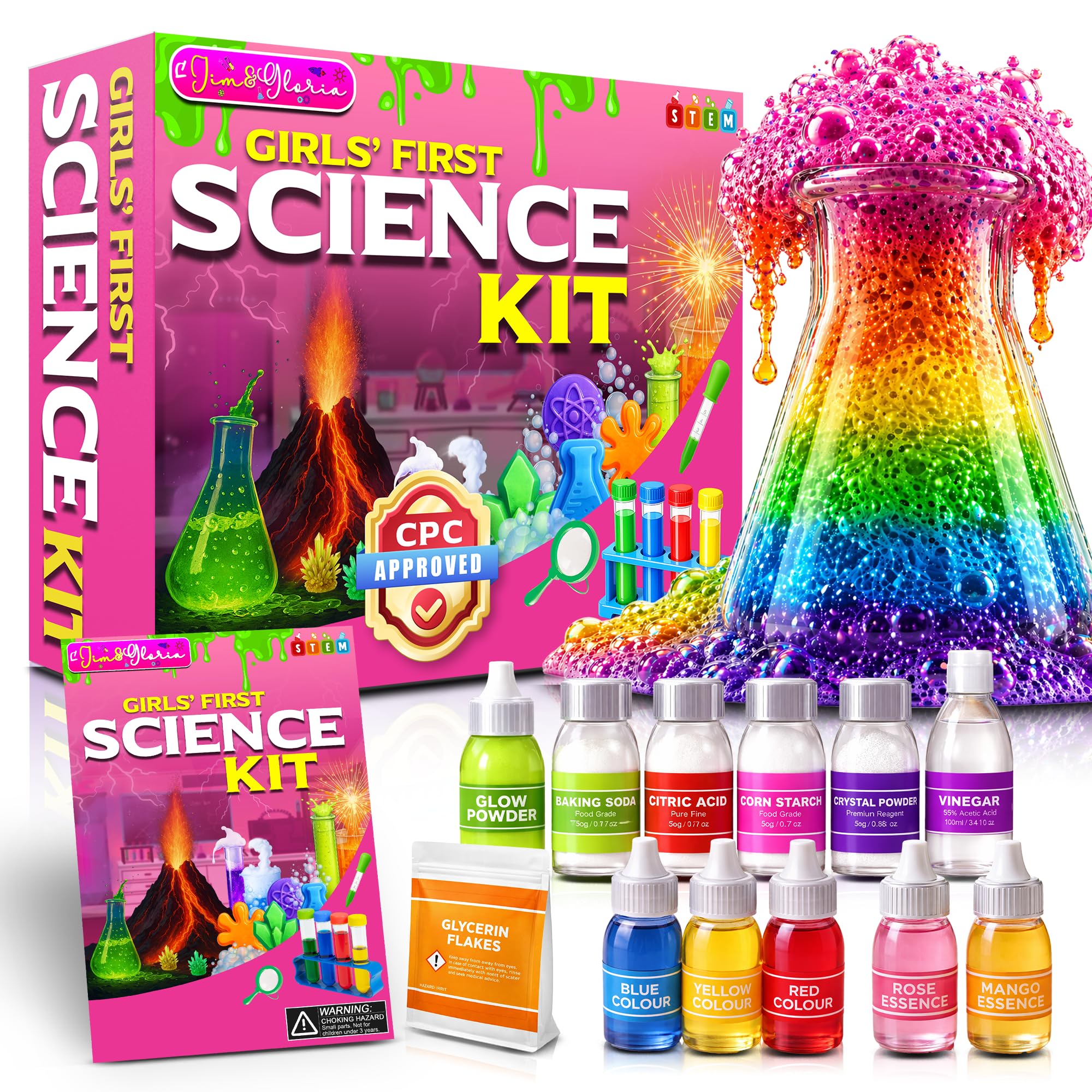
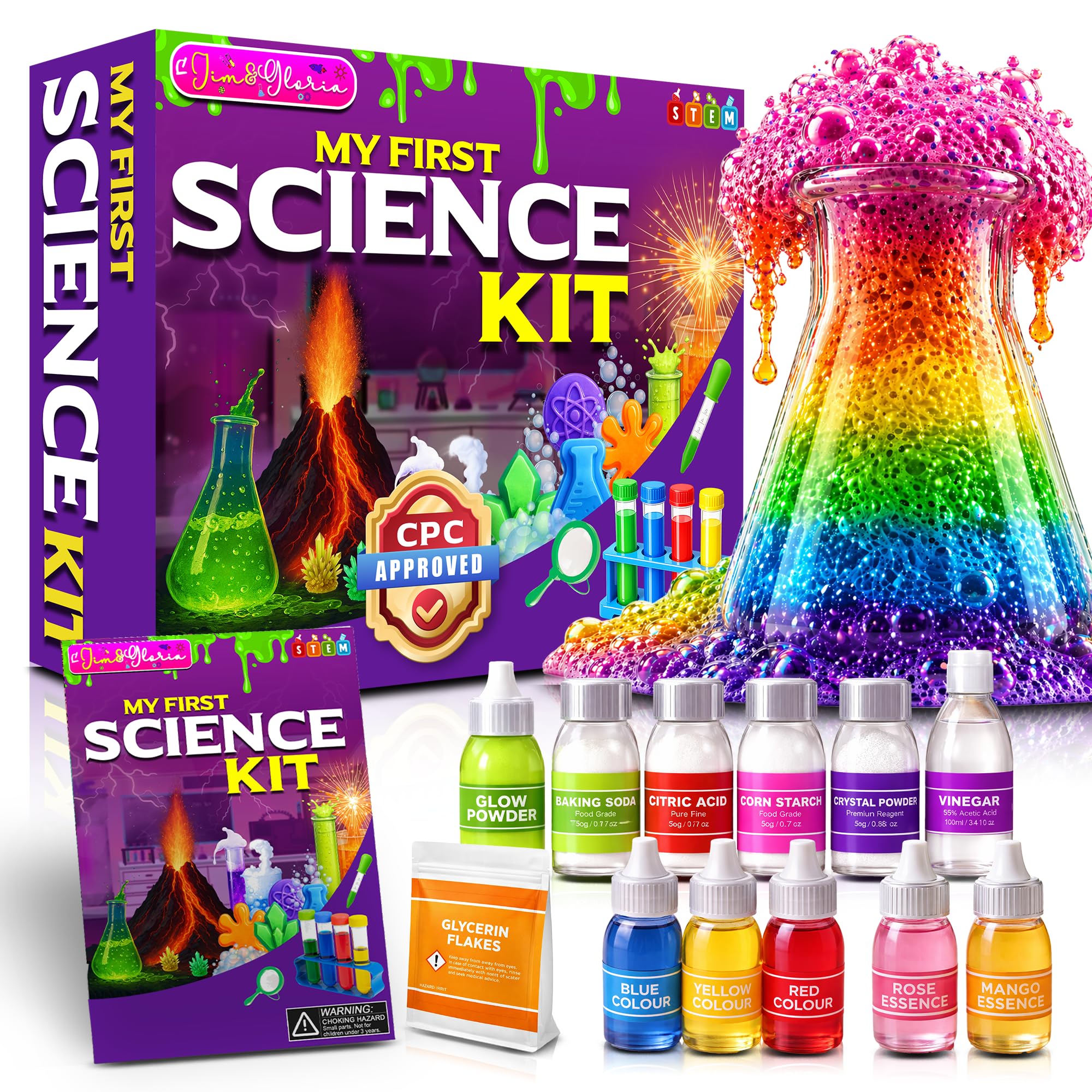


Who Should Buy Which Chemistry Sets?
For Gift Shoppers
Gift buyers should choose a kit that starts fast, needs no extra shopping and forgives a beginner adult helper. Look for experiments that use only what is in the box plus water, with picture led steps a child can follow while you read aloud. A sturdy box and a clear age label help the gift land well. Broad appeal themes such as volcanoes, crystals and color change potions suit almost any child, and a maker with responsive support makes exchanges painless if parts arrive missing.
For Value Seekers
Value at this age means cost per happy session, not the largest box. Kits with washable, reusable tools and chemicals that stretch across ten or more sessions beat a flashy kit that is empty in a weekend. Check whether common supplies such as baking soda mixtures can be topped up from your kitchen, which extends life at almost no cost. A mid priced kit around $30 to $50 with simple refills usually outlasts two cheap kits bought back to back.
For People Who Want the Best Performance
Performance for a seven year old means reliable results, not advanced chemistry. The best performing kits use pre measured portions, bold color changes that actually match the guide photos and tools sized so small hands pour without spilling. Premium options around $50 to $80 may add a fitted tray, better goggles and a guide with short science explanations you can read together. Pay for reliability and clarity, not for experiment counts your child cannot reach yet.
One practical know how point helps every buyer type: run the first experiment yourself in your head while reading the guide at the store or on the listing page. If you can picture each step, the materials it needs and where the mess will land, the kit fits your home. If the steps feel vague or the cleanup sounds heavy, it will feel worse on a busy Saturday. This two minute test predicts satisfaction better than any star rating. Families who rotate activity types week to week often pair a kit like this with the best lego sets for 7 year olds, since building days and experiment days balance each other nicely.
Key Features to Compare
Intended Use and Who It Is For
Decide who will run the sessions. If a parent will join every time, kits with two person steps and bigger reactions work well. If a grandparent or sitter may supervise, simpler kits with fewer materials per experiment are safer and calmer. Also think about session length: most seven year olds focus for fifteen to twenty five minutes, so kits that finish one experiment in that window beat kits built around hour long chains. Children who also love building may enjoy the best building sets for 7 year olds on days when mixing and pouring do not appeal.
Features That Matter for 7 Year Olds
Small hands need wide mouth cups, chunky stirrers and droppers that work with a gentle squeeze. Instructions should use one action per step with a picture for each. Look for experiments that succeed with tap water and room temperature materials, since waiting and precise measuring frustrate this age. A washable work tray with a raised edge is one of the most useful features of all, because it turns a spill into a pause rather than a cleanup crisis.
Safety and Certifications
Safety is the deciding feature at this age. Choose kits that state they meet current toy safety standards and use low hazard, child appropriate materials, with no glass and no heating steps. Goggles should be included and sized for a small face. An adult must supervise every experiment, read each step first and keep materials away from mouths and eyes. Stop at once and seek medical advice if a child swallows any material, gets it in the eyes, or shows skin pain, redness or breathing trouble. Talk with your clinician about allergies, eczema or asthma before you start, because powders and scents can irritate sensitive children.
Size, Weight, and Fit for Your Space
Most kits for this age are light and store in a shoe box sized case, which suits a kitchen shelf or a toy bin. Measure your work surface too: a tray plus an open guide needs about the space of a large placemat. If your table is small, favor compact kits with fewer pieces out at once. Kits with many loose bottles suit a home with a craft drawer where each bottle can stand upright and stay sealed between sessions.
Warranty and Customer Support
Check that the maker replaces missing or leaking parts reported soon after purchase, and keep the receipt until you have run several sessions. A support contact printed inside the guide is a good sign. Consumable chemicals are rarely covered for long, but cracked trays, broken droppers and ill fitting goggles should be simple fixes. Gift buyers in particular should confirm the return window, since a kit may sit wrapped for weeks before anyone opens it and spots a problem.
Common Mistakes to Avoid When Buying Chemistry Sets
- Judging by price or box size alone. A big box can hide mostly air and single use packets. Judge by sessions of use and tool quality instead.
- Ignoring intended use and who it is for. A kit built for independent older kids will frustrate a child who still needs steps read aloud.
- Buying too advanced. Kits graded for age ten and up often need reading and patience a seven year old does not yet have.
- Skipping the safety check. If goggles, supervision notes and safety standards are unclear, choose a different kit.
- Not checking the warranty. Missing parts are common in boxed kits, and a clear support path saves a ruined birthday morning.
How to Make Your Chemistry Set Last Longer
Read the manual before first use and keep it in the box. Clean and inspect tools together after each session: rinse cups, dry stirrers and check droppers for cracks while your child helps. Store the kit in a dry place, upright, sealed and out of reach between sessions, since curious solo exploring is the biggest risk with this age group. Portion awareness helps too. If a guide allows half amounts for a repeat of a favorite reaction, supplies stretch much further.
Frequently Asked Questions
What features matter most in chemistry sets for 7 year olds?
Safety design, picture led instructions and sturdy tools sized for small hands matter most. Add a spill catching tray and experiments that finish within about twenty minutes, and you have the core of a good kit. Bright, reliable color changes keep confidence high, because a young child judges success by whether the result matches the picture.
How long does a chemistry set last?
With weekly use, most kits for this age provide two to four months of sessions before key supplies run low. Tools last far longer, often years, if washed and dried each time. Kits that allow kitchen top ups for simple materials stretch furthest. Storage away from heat and moisture protects powders from clumping before their turn comes.
How much should I spend on a chemistry set?
Plan on about $25 to $50 for most seven year olds. That range buys safe materials, decent tools and enough experiments to judge real interest. Spending above $50 makes sense only for a child who already loves guided science play. If the same gift budget also covers creative play, our guide to the best craft sets for 7 year olds shows how the two kinds of kits compare.
Are expensive chemistry sets worth it?
Sometimes, when the extra cost buys a fitted tray, better goggles and chemicals that can be repeated rather than used once. Often, no: at seven, adult time and patience shape the experience more than price does. A mid priced kit used weekly with a parent beats a premium kit opened twice and shelved.
How do I maintain a chemistry set?
Wash and dry every tool right after use, seal containers before storage and keep the box dry and upright. Check caps weekly for slow leaks, and wipe the tray before residue hardens. Keep a short list of running low items on the lid. Replace cracked cups at once, since a leak mid experiment is both a mess and a safety issue.
Final Thoughts
Match the kit to the user: gift shoppers need a fast, forgiving start, value seekers need reusable tools and refill friendly supplies, and performance seekers need reliable results in small hands. Keep supervision and safety at the center, then compare the product table above. That is how the best chemistry sets for 7 year olds become an easy, confident pick for your family.


