Best Children's Book Sets at Every Price: What Your Money Really Gets You in 2026
Disclosure: We may earn a commission when you buy through links on this page, at no extra cost to you. As an Amazon Associate I earn from qualifying purchases. Learn more

Use this price tier guide to the best children's book sets to compare board, paperback, and hardcover formats, reading levels, and lasting value.
Children's book sets range from a few dollars for a small paperback bundle to well over a hundred for a boxed hardcover collection, and the price gap is not always easy to read. This guide to the best children's book sets explains what each tier really delivers in paper, binding, artwork, and reading life. You will see where extra money buys years of extra use and where it buys only a fancy box. Start with the comparison table below, then match the tiers here to your child's age and reading stage.
A good set grows with a child for a while, gets read many times, and survives sticky hands, drops, and being carried from room to room. Those are the qualities your money should buy, at any price.


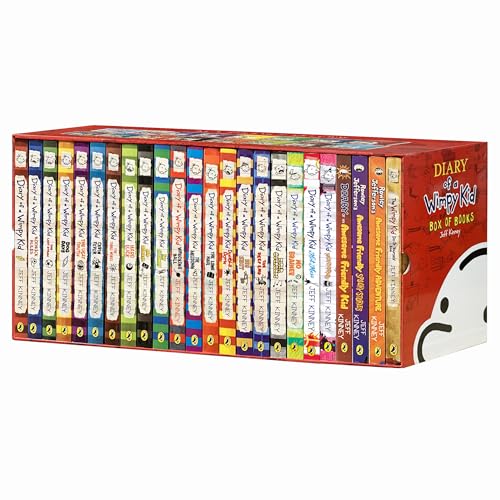
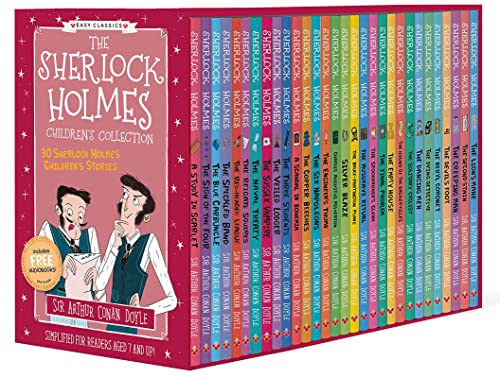
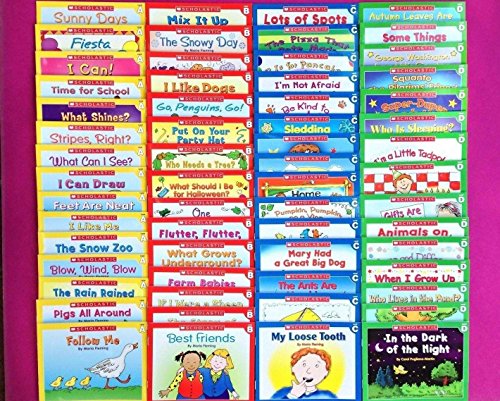

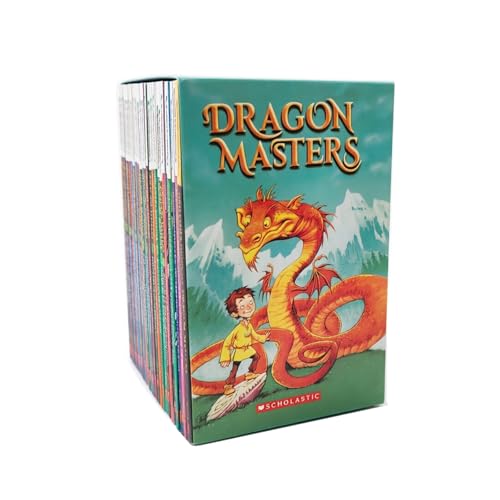


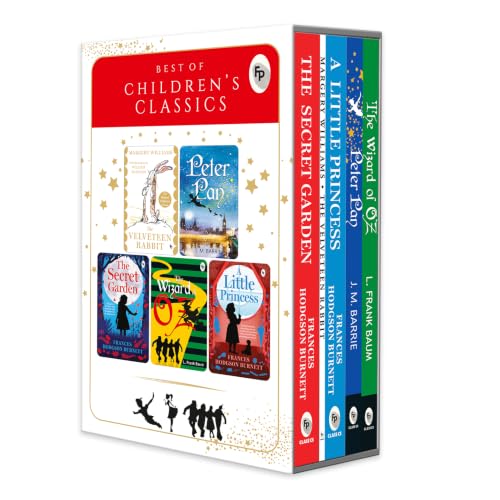
Book Set Tiers by Budget
Instead of hunting for a single perfect set, shop by tier. Each tier below describes the kind of set that usually offers the strongest value at that level, who it suits, and the limit you accept at that price.
Budget Tier Guide
Budget sets, often around $10 to $25, usually include paperback editions or simple board books with basic binding. They suit toddlers, classroom extras, and gifts where you want several titles at once. The strengths are price and variety. A child can explore many stories, and losing or damaging one book hurts less. The limit is durability. Thin pages tear, spines crack with heavy use, and the printing may be smaller or less vivid. For a first library or a travel set, that trade off is often fine, especially for books a child will outgrow within a year or two.
Midrange Tier Guide
Midrange sets, often around $25 to $60, are where most families find the best balance. Expect sturdier paperbacks or entry level hardcovers, clearer printing, and a storage box or slipcase that keeps the set together. These sets often collect a complete series arc, so a child can follow characters across every book in order. Binding holds up to repeated reading, and page paper feels pleasant to handle. The limit is that artwork reproduction and paper weight still fall short of gift quality editions, but for daily reading at home, this tier rarely disappoints.
Premium Tier Guide
Premium sets, often around $60 to $120 or more, buy hardcover binding, thick paper, faithful color artwork, and a keepsake box built to last. They suit milestone gifts, family libraries, and beloved series a child will reread for years and later hand down. Extras can include maps, author notes, or bonus stories that deepen the reading experience. The limit is simple cost, plus the worry that a very young child may be rough on a beautiful object. For toddlers, save premium money until gentle handling is realistic, and choose sturdy board books first.
What Your Money Gets You at Each Price Tier
The same series can appear at several prices in different formats, so compare what the format gives your child day to day, not just the title list.
Budget Tier: What to Expect
Expect readable stories in a light, portable form. Paperback budget sets travel well, fit in a backpack, and make it easy to test whether a child likes a series before you invest more. Print size may be small for early readers, so check a sample page if your child is just starting to read alone. Treat these sets as everyday reading copies. If one title becomes a deep favorite, you can later replace that single book in a stronger edition.
Midrange Tier: The Sweet Spot for Most Buyers
At this level your money buys complete series coverage, better binding, and storage that keeps books in order on the shelf. Pages turn easily without sticking or tearing under normal child use, and illustrations hold their color. This tier suits the core home library for ages roughly four to twelve, where reading is daily and books pass between siblings. Most families should start here, then add budget sets for variety and premium sets only for true favorites.
Premium Tier: When Spending More Pays Off
Spending more pays off when the set will be read for many years, shared across children, or given as a keepsake gift. Hardcovers lie flat more comfortably for shared reading, survive shelving and reshelving, and look right at home in a family library. Premium paper also shows detailed artwork at its best, which matters for picture books where the art carries half the story. If the books will be read once and passed on quickly, premium quality is money you can save.
Features Worth Paying For and Ones to Skip
Format, fit for the reader, and support after purchase decide long term value more than box art or a long title list. Weigh each feature below before you pay for extras.
What Kids Should Look For
Children need books they can hold, open, and read without a struggle. For young readers, that means a manageable book size, a readable type size, and page spacing that does not crowd the text. Picture book readers need art that is large and clear. Chapter book readers need a table of contents and chapter breaks that give natural stopping points. Weight matters too. A very heavy hardcover discourages a small child from reading alone in bed or on the floor.
Warranty and Customer Support
Books rarely carry a classic warranty, but good sellers and publishers do stand behind printing and binding defects. Check the return window and whether a replacement is offered if a book arrives with loose pages, missing sheets, or a cracked spine. Keep your order details until you have flipped through every book in the set, because defects often hide in the middle volumes. A seller who makes returns simple is worth a small price premium on a large boxed set.
Maintenance and Long Term Costs
Book care costs little but asks for steady habits. Store sets upright in a dry place away from direct sun, which fades covers and makes paper brittle. Teach children to turn pages from the top corner and to use a bookmark instead of folding corners. Small repairs with book tape can fix a torn page early before damage spreads. Budget a little over the years for replacing a lost favorite or adding the next series as reading level grows. For a wider view of formats across ages, our guide to the best book sets can help you plan the next addition to the shelf.
Intended Use and Who It Is For
Name the main reader before you buy. A read aloud set for a parent and toddler should favor picture books with strong art and short text. A set for an independent reader should match school reading level and personal interests, from animals to space to gentle humor. Gift buyers should ask what the child already owns, since duplicate series are common. Classroom and waiting room sets should favor durability over beauty, because many hands will use them every week.
Long Term Costs to Factor In
The set price is most of the cost, but not all of it. A small bookshelf or storage bin keeps a set together and off the floor. Reading light for bedtime reading, replacement copies of lost favorites, and the next reading level up all add modest costs over time. Shipping on heavy boxed sets can be significant, so compare the delivered total, not the shelf price alone. None of these costs should scare you off. They simply reward buyers who plan a small reading corner once, instead of replacing damaged books again and again.
Frequently Asked Questions
What makes book sets for kids different?
They group stories matched to a child's age, reading level, and interests, with art and language chosen for that stage. Sets also build sequence and habit, since a child who finishes one book can reach for the next at once. Adult sets rarely need to manage reading level growth, page durability for small hands, or the motivational pull of a continuing cast of characters.
How long does a book set last?
The stories last as long as the child's interest, and the physical set can last far longer with basic care. Board books often serve several toddlers in a row. Paperbacks may last a few years of regular reading, while hardcovers can serve a family for a decade or more. A set stored dry, upright, and out of strong sun will outlast the same set left in piles on the floor.
How much should I spend on a book set?
Most families do well with a mid range set around $25 to $60 for the core library, plus budget sets for travel and variety. Spend premium money only on series a child already loves or on a gift meant to be kept. A simple rule helps. The more times a book will be read and the more children will share it, the more a stronger edition is worth.
What features matter most when buying book sets?
Reading level fit, print clarity, and binding strength matter most, because they decide whether a child can and will read the books daily. Next comes completeness, since a set missing the final volume frustrates a committed reader. Storage that keeps the books in order is a quiet but real plus. Decorative boxes and novelty extras matter least and should never outrank readable, durable pages.
Are expensive book sets worth it?
They are worth it for beloved series, keepsake gifts, and books that several children will share over many years. The stronger binding and paper repay their cost in rereads. They are not worth it for a first test of a new series or for toddlers who chew and throw books. Start mid range, watch what your child rereads, and upgrade only those proven favorites to premium editions.
How do I maintain a book set?
Keep the set together in its box or on one shelf, stored upright and away from damp and direct sun. Wipe board book pages with a barely damp cloth after sticky reading sessions. Fix small tears early with clear book tape, and reshelve books after use so spines are not crushed. Children copy what they see, so model gentle page turning and your set will stay sound for years. Families who rotate creative materials may also enjoy our guide to the best children's art sets for the same shelf.
Final Thoughts
Match the tier to the reader. Budget sets explore, midrange sets build the daily library, and premium sets preserve favorites. Judge by reading level, print clarity, and binding before box art, then check the product table above to confirm the best children's book sets for your child's next year of reading.