Best Childrens Art Sets 2026: Buying Guide by Age
Disclosure: We may earn a commission when you buy through links on this page, at no extra cost to you. As an Amazon Associate I earn from qualifying purchases. Learn more

Best childrens art sets compared by age, washable supplies, case, quality and price, so art time gets used.
A good art set gives a child a reason to sit down and make something, and the best childrens art sets are the ones with tools sized for small hands, supplies that wash out of clothes and a case that makes tidying up easy. The product table shows a mix of drawing kits, painting sets and craft boxes. This guide explains how to choose between them by age, activity and budget.
Think about who the set is for and where they will use it. A four year old at the kitchen table needs chunky crayons, washable paint and a lot of paper. A ten year old working in a bedroom may enjoy pencils, pastels and a small easel. Matching the contents to the child matters more than the number printed on the box.


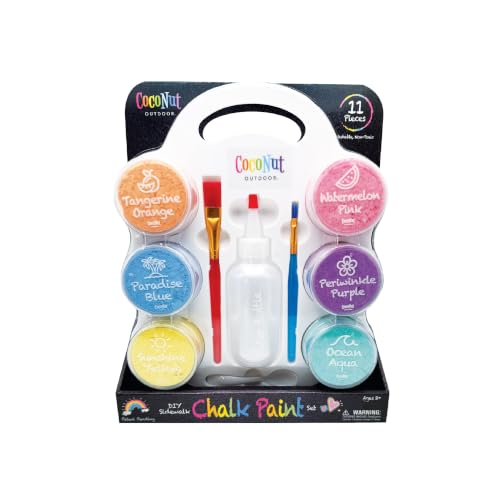


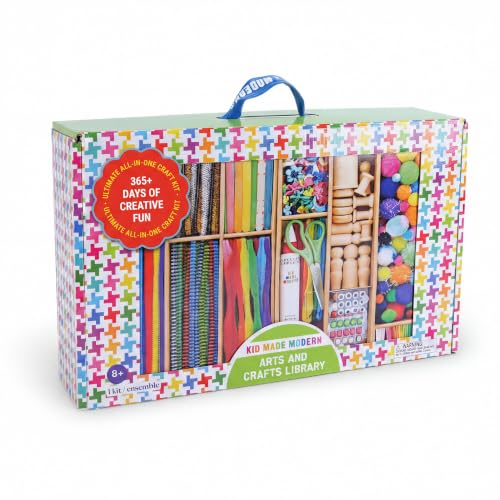

Types of Children's Art Sets
Drawing and Coloring Sets
These bundle crayons, colored pencils, markers and sketch pads in a case. They are the easiest place to start, they travel well and they work for almost every age. Look for large grips for young hands and pencils with strong leads that do not snap when pressed hard.
Painting Sets
Painting sets range from watercolor pans and brushes to bottles of tempera or acrylic paint. Watercolor pans are tidy and cheap to refill, while bottles give bolder color and suit older children. Check that the brushes are the right size, since tiny brushes frustrate young painters.
Deluxe Mixed Media Sets
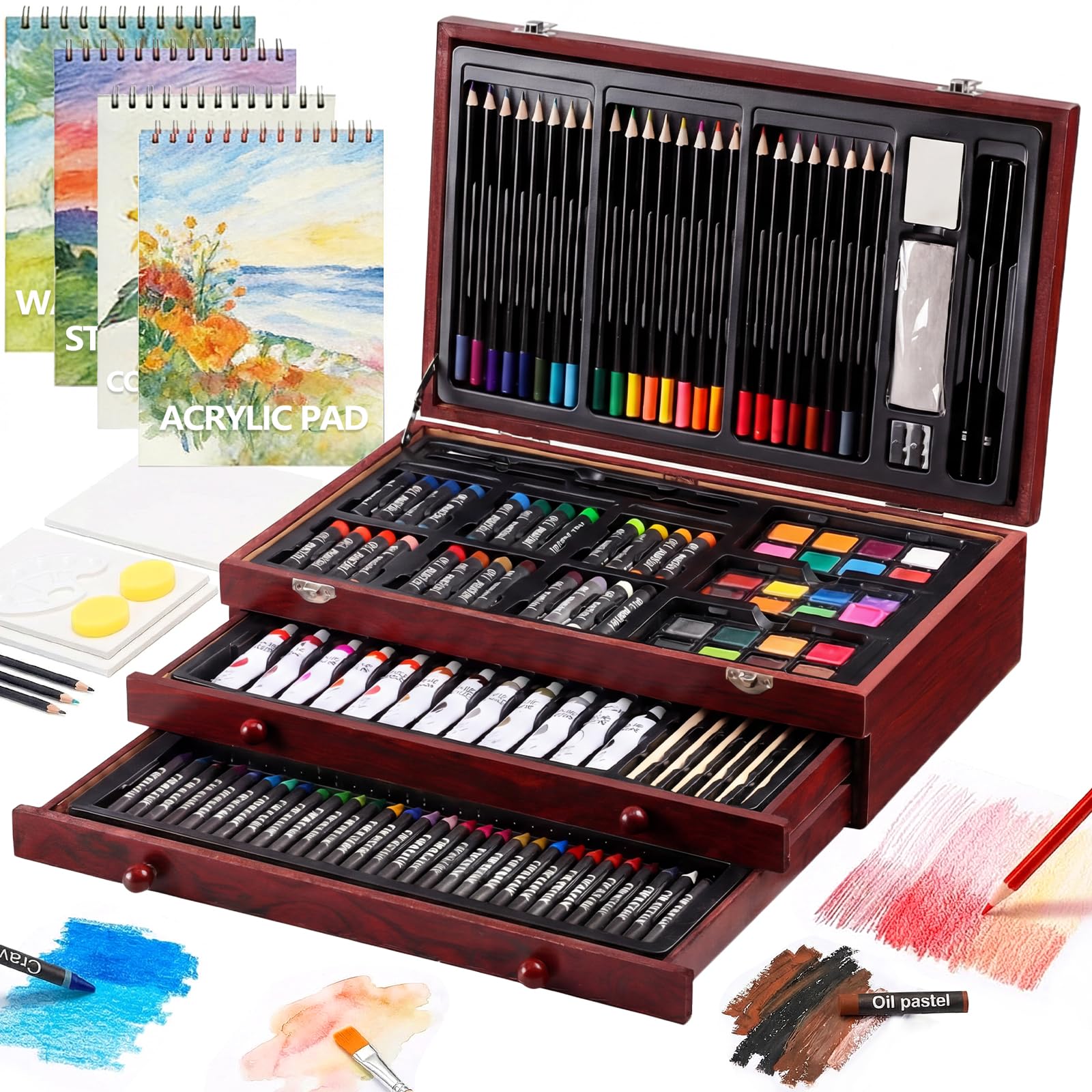
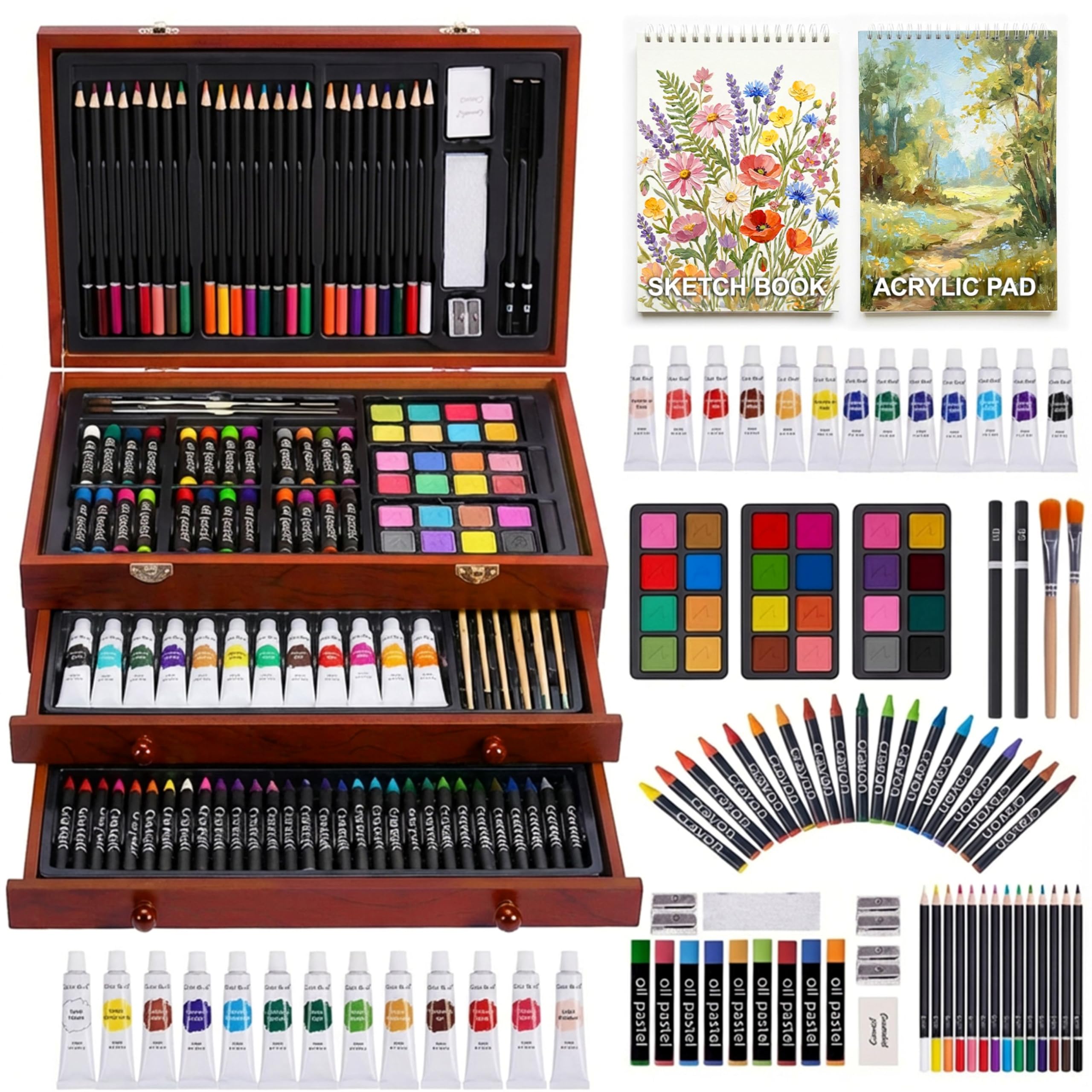
Wooden or plastic cases with 100 pieces or more combine pencils, pastels, crayons, paint and sometimes an easel. They look generous and suit children who like to switch between materials, but they are best for ages eight and up, and only if the quality of each item is decent.
Craft Kits
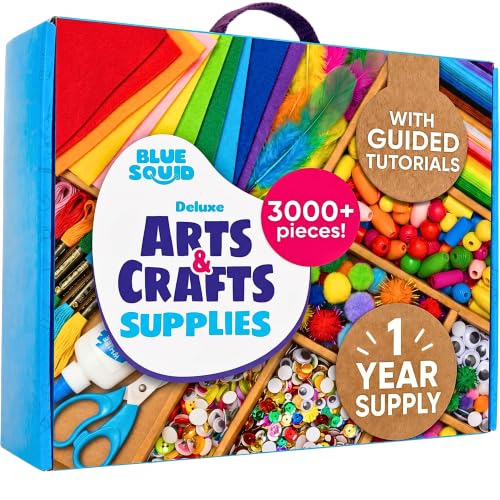
Craft boxes add glue, paper, pom poms, stickers and safety scissors for making models, cards and collages. They suit rainy days and group play, though the supplies run out faster and need restocking.
Choosing by Age
Toddlers and preschoolers do best with chunky crayons, washable markers and finger paint, used under supervision. Early school age children can handle colored pencils, watercolors and safety scissors, and enjoy sets with simple guides. Older children and tweens often want finer pencils, blending tools, sketchbooks and acrylic paint. Age labels on the box reflect small parts and tool sharpness, so treat them as a guide and watch how your child handles the set.
Safety and Materials
Look for supplies marked non toxic and follow the age guidance on the packaging. Keep small parts, beads and sharp tools away from toddlers, and supervise glue, scissors and paint until a child shows safe handling. Cover the table and use an apron on painting days. If a child swallows a supply or gets paint or glue in the eyes, follow the product instructions and seek medical help when needed.
Features Worth Checking
- Washable paints and markers that clean from skin, clothes and most table surfaces.
- A case with compartments so pieces stay sorted and the set can be carried to a table or a relative's house.
- Paper or pads matched to the medium, since thin paper tears under paint and thick paper wastes pencils.
- Quality over count: fifty good pieces beat two hundred weak ones that snap or dry out.
- Refill availability for the items children use up fastest, such as paper, black paint and glue.
How Many Pieces Do You Need?
A set with about twenty to fifty well chosen pieces gives enough variety without overwhelming a child. Very large sets look exciting, but many of the extras are small, similar and rarely used. A focused set, plus a pad of good paper, usually leads to more drawing than a giant box that stays half unopened. Add single items such as a new brush or a pack of pastels as interests develop.
Price Ranges
Basic drawing and coloring kits start at around $15 to $25. Mid range painting sets and larger drawing cases sit at about $25 to $50, and big deluxe cases with an easel or 150 pieces or more can reach $50 to $80. Spending more helps when it buys better pencils, pans or paper, not when it only adds quantity. Gift sets can look generous while holding weak supplies, so read what is in the box.
Storage and Care
Close paint and glue tightly, store markers flat or tip down as the maker directs, and keep pencils sharpened in a tin rather than loose in a drawer. Wash brushes after each session and lay them flat to dry. A tray or box lid under the work area catches drips, and a regular tidy up at the end of each session teaches care and makes the next project quicker to start.
Making Art Time Work
Set out a few supplies rather than the whole case, so choices feel manageable. Keep a drawer or box of scrap paper for experiments, and display finished pieces so a child sees that the work matters. Short, frequent sessions often suit young children better than a long one, and a theme such as animals, a favorite story or a season gives a starting point without telling the child what to make.
Related Guide
For wider choices beyond children's sets, see best art sets, which covers sets for teens and adults.
Common Mistakes to Avoid
- Buying the biggest case without checking the quality of the pencils, paint and paper inside.
- Choosing non washable supplies for young children and regretting it on the first painting day.
- Ignoring the age range, so a set is either too fiddly or too simple.
- Skipping storage, which leaves lids off and markers dry within weeks.
- Forgetting extra paper, which runs out long before the colors do.
Frequently Asked Questions
What age guidance should I follow?
Age guidance on the box reflects small parts, tool sharpness and the patience a project needs, so treat it as a starting point. Younger children often do better with chunky crayons and washable markers, while older children enjoy finer pencils and more steps.
Are washable supplies worth choosing?
Washable paints and markers make cleanup far easier on clothes, tables and hands, which matters for regular use at home. Non washable supplies can give stronger color, but they suit older children and supervised projects.
Is a bigger set always better?
No. A set of about twenty to fifty good pieces is usually enough. Large sets can scatter quickly and hide the few tools a child actually uses.
How do I store an art set?
Keep supplies in their case or in small labeled containers, with markers stored as the maker directs, paint and glue lids tight, and paper flat and dry.
What safety points matter most?
Choose supplies labeled non toxic, keep small parts away from toddlers, and supervise scissors, glue and paint until a child shows safe handling.
Final Thoughts
Match the set to the child's age and favorite activity, check the quality of the paper and tools, and keep the contents focused. Use the product table above to shortlist a few options, and choose the best childrens art sets for your family by what gets used every week, not by the piece count on the box.