
Best Chemistry Sets for 12 Year Olds: Everything to Know Before Your First Purchase for 2026
Disclosure: We may earn a commission when you buy through links on this page, at no extra cost to you. As an Amazon Associate I earn from qualifying purchases. Learn more

A first time buyer guide to the best chemistry sets for 12 year olds, with key terms explained, specs to compare and common mistakes to avoid.
Buying your first chemistry kit can feel like reading a menu in a language you half know. Boxes mention reagents, solutions and experiment counts, and it is hard to tell what matters for a twelve year old. This guide to the best chemistry sets for 12 year olds starts with the basics, explains each key term in plain English and ends with a simple buying checklist.
You do not need a science background to choose well. You need to know what a kit contains, how much supervision it expects and whether its experiments match your child. The comparison table below offers a quick overview, and the sections after it walk through each decision in order, so a first purchase feels calm rather than rushed.

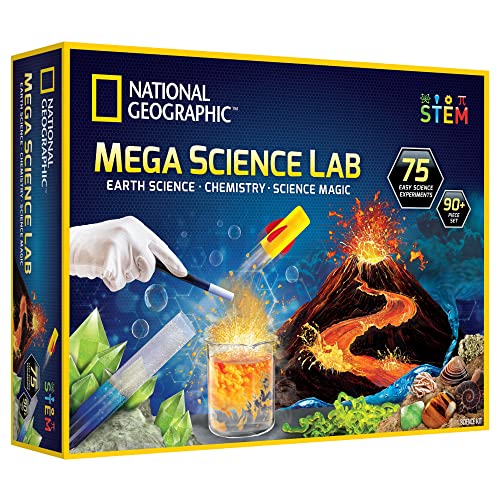


Chemistry Sets 101: The Basics
A chemistry set is a boxed kit of small amounts of low hazard chemicals, simple tools and a guide book of experiments. Your child mixes, heats nothing or almost nothing in most modern kits, observes changes and reads why they happened. Common tools include test tubes or vials, measuring cups, droppers, stirrers, safety goggles and a work tray that contains spills.
A few terms show up on every box. A reagent is simply a substance used in a reaction. A solution is a liquid with something dissolved in it. An indicator changes color to show whether a liquid is an acid or a base. None of this requires advanced knowledge. A good guide defines each term the first time it appears and shows a photo of the expected result, so your child can tell success from a mistake.
One more basic point helps first time buyers: a chemistry set is not a school course in a box, and it does not need to be. Its job is to give your child safe, guided practice with measuring, mixing, observing and recording. Those four habits carry into every later science class. If a kit also sparks questions at the dinner table about why a liquid changed color or why a crystal grew in one shape and not another, it has done more than entertain for an afternoon.
Key Specs Explained in Plain English
Features That Matter for 12 Year Olds
Twelve year olds sit between child kits and teen kits, so look for experiments that ask them to predict a result before they test it. That one habit builds real science skill. Aim for kits with around thirty to sixty experiments, marked measuring tools and at least a few projects that run over several days, such as growing crystals or testing soil and water samples. Goggles in a near adult size fit better at this age and get worn without complaint.
Intended Use and Who It Is For
Match the kit to its main job. A birthday gift should start fast and impress within the first session. A homeschool kit should name the concept in each experiment and include questions your child can answer in a notebook. A kit for a child who loves science class can go deeper, with more reading and more careful measuring. If your child splits time between building and making, the best lego sets for 12 year olds and the best craft sets for 12 year olds cover those other weekend moods well.
Warranty and Customer Support
Kits are consumable, so warranty cover is modest, but it still matters for the hard parts. Check that the maker replaces cracked trays, leaking bottles or missing tools reported soon after opening. Look for a support email or phone number printed in the guide, not just a web form. Keep your receipt until the first few sessions are done. If a chemical arrives spilled or a container is empty, report it at once, because support teams handle new purchase problems far more easily than old ones.
Build Quality and Materials
Good kits use thick plastic tools that do not flex when a child stirs firmly, plus containers with caps that seal tight and labels that stay readable after a splash. The guide book deserves attention too: a bound book with large photos survives a year of use better than loose sheets. Thin, brittle plastic is the most common sign of a kit that will annoy you. It cracks at the tray corners first, so photos that show the tray clearly are worth a close look before you buy.
Ease of Use and Setup
First time buyers should favor kits that list every household item needed on the box, such as vinegar, baking soda or dish soap. Pre portioned chemicals and numbered steps keep setup under ten minutes. Also check whether experiments must run in a strict order. Flexible kits let your child skip around, which suits real family schedules. A kit that demands one long chain of steps before anything fun happens often ends up half finished on a shelf.
Rookie Mistakes to Avoid
- Buying by experiment count alone. A claim of two hundred experiments often counts tiny variations of one mixing activity. Look at the list of experiment titles instead and judge the real variety.
- Choosing a kit for a much younger child. Simple color mixing bores most twelve year olds fast. Check the stated age range and favor kits that start at age ten or twelve.
- Skipping the supervision check. Some kits assume an adult joins every session. Know your own availability before you buy, and pick a depth that fits it.
- Ignoring refill options. Single use packets end the fun early. Kits with refill packs cost less over a school year.
- Forgetting storage. A wide box with no inner tray scatters chemicals into drawers. A fitted case or tray keeps everything findable and upright.
Getting Started: Setup and First Use
Read the manual before first use, together with your child, and treat the safety pages as part of the fun rather than fine print. Pick a washable work surface near a sink, lay out the tray, and tie back long hair and loose sleeves. Start with the guide first experiment even if it looks simple, because early experiments teach the measuring and cleanup habits that later ones assume.
Clean and inspect tools as you put them away after session one, so the habit forms from the start. Write the date on chemical containers when you open them, and note which experiments are done in the guide margin. Safety note: an adult should stay present for every session. If any material touches eyes, if a child swallows anything, or if skin pain, redness or breathing trouble appears, stop at once and seek medical advice. Talk with your clinician beforehand about allergies or asthma, since powders and scents can bother some children.
FAQs
What features matter most in chemistry sets for 12 year olds?
Experiments that ask for a prediction first, clear measuring tools and a guide that explains causes in plain words matter most. At twelve, your child is ready for simple record keeping, so data tables or notebook prompts add real value. A kit with refill packs also lasts far longer than one built on single use packets.
How do I maintain a chemistry set?
Rinse and dry tools after each session and close every container before the box goes away. Store the kit upright in a dry place away from food. Once a month, check caps for slow leaks and wipe the tray, because residue builds up quietly. Keep a running list of low supplies inside the lid so refills are ordered in time.
What features matter most when buying chemistry sets?
Safety design, honest age grading and instruction quality matter most at any age. Confirm the kit uses low hazard materials meant for home use and meets current toy safety standards. Then judge the guide: photos of expected results and plain troubleshooting notes separate a teaching kit from a box of colored powders.
Are expensive chemistry sets worth it?
They are worth it when the extra money buys repeatability and depth, such as refillable chemicals, sturdier tools and a guide with real background reading. They are not worth it when the price only buys a larger box or a famous logo. For most first time buyers, a mid range kit around $40 to $80 proves interest before a bigger spend.
How much should I spend on a chemistry set?
Plan on about $40 to $80 for a solid first kit for a twelve year old. Under $40 usually means fewer experiments and single use supplies, which is fine for a cautious trial. Above $80 makes sense for a child who already finished a smaller kit. Families shopping for a younger sibling can compare with our guide to the best chemistry sets for 9 year olds, where the right budget sits a little lower.
How long does a chemistry set last?
Tools last for years with basic care, while chemicals decide the working life. Weekly use typically runs through the key supplies in four to eight months. Refill packs can stretch a good kit across two school years. Shelf life also counts: unopened kits stored cool and dry usually stay usable far longer than kits left in a hot garage.
Wrapping Up
For a first purchase, focus on three things: an honest age match, a guide that teaches rather than just directs, and refills that keep the kit alive. Compare the product table above with those points in mind. That is how the best chemistry sets for 12 year olds stop being a confusing wall of boxes and become one confident choice your child will actually use.


