The Best Chinese Electric Mountain Bike: Buying Guide for 2026
Disclosure: We may earn a commission when you buy through links on this page, at no extra cost to you. As an Amazon Associate I earn from qualifying purchases. Learn more

Choose the best chinese electric mountain bike with this guide to motors, battery range, suspension travel, sizing, and price tiers for trail riding.
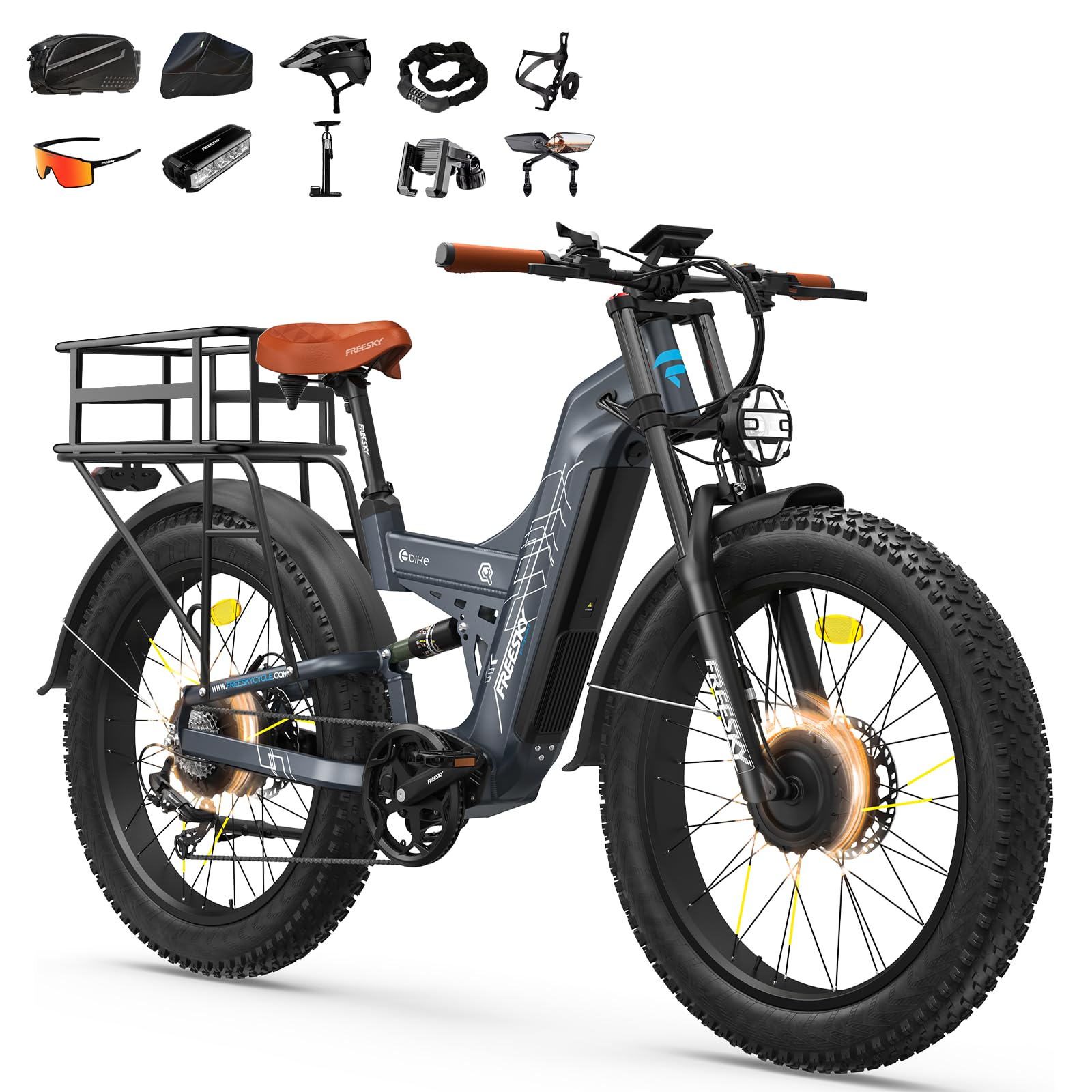
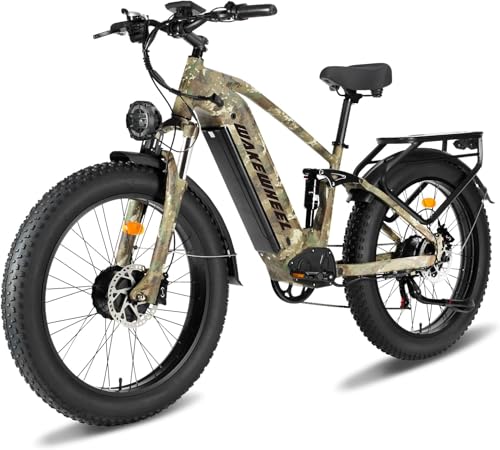
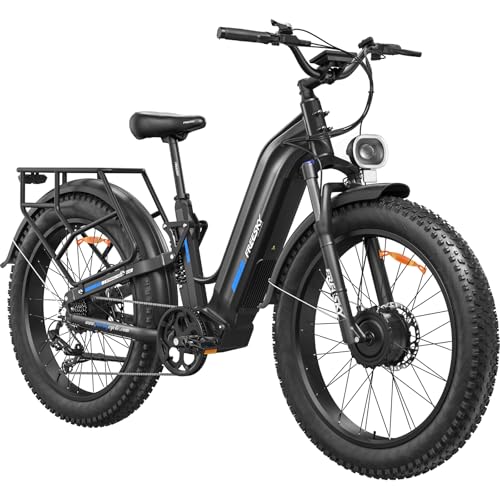
Chinese brands have cut the price of trail ready electric mountain bikes sharply, but listings often headline huge motor wattage and range numbers that assume a light rider on flat ground. This guide helps you judge the best chinese electric mountain bike by the parts that decide real trail performance: motor type, battery size, suspension, and brakes. Start with the comparison table below, then check each candidate against the terrain and rules where you ride.
Your first decision is not brand or price. It is how and where you will ride, because a bike built for smooth fire roads and one built for steep rocky descents differ in travel, weight, and cost. Settle that question and the rest of the spec sheet falls into place.
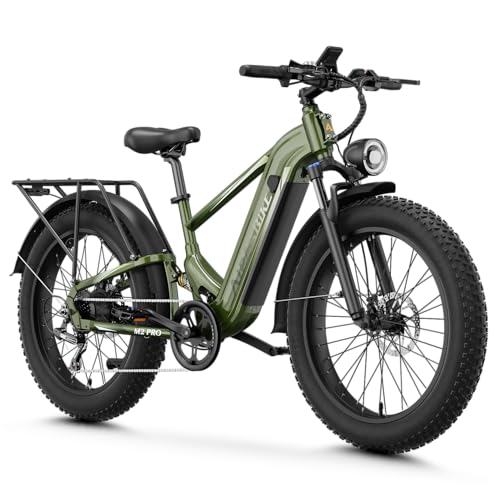
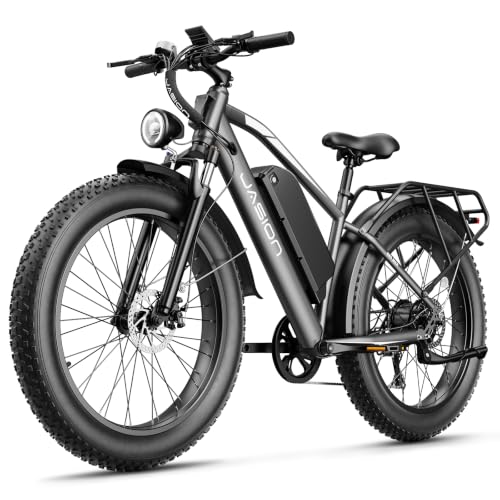
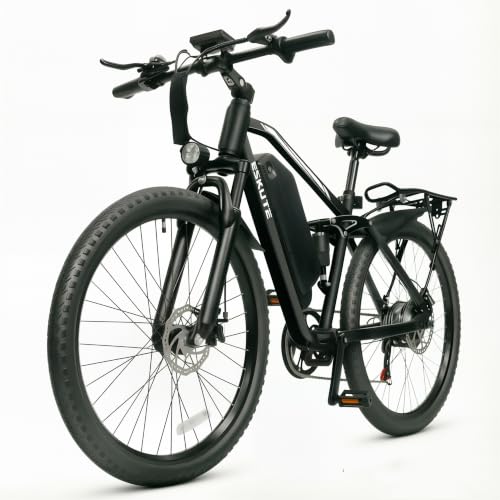
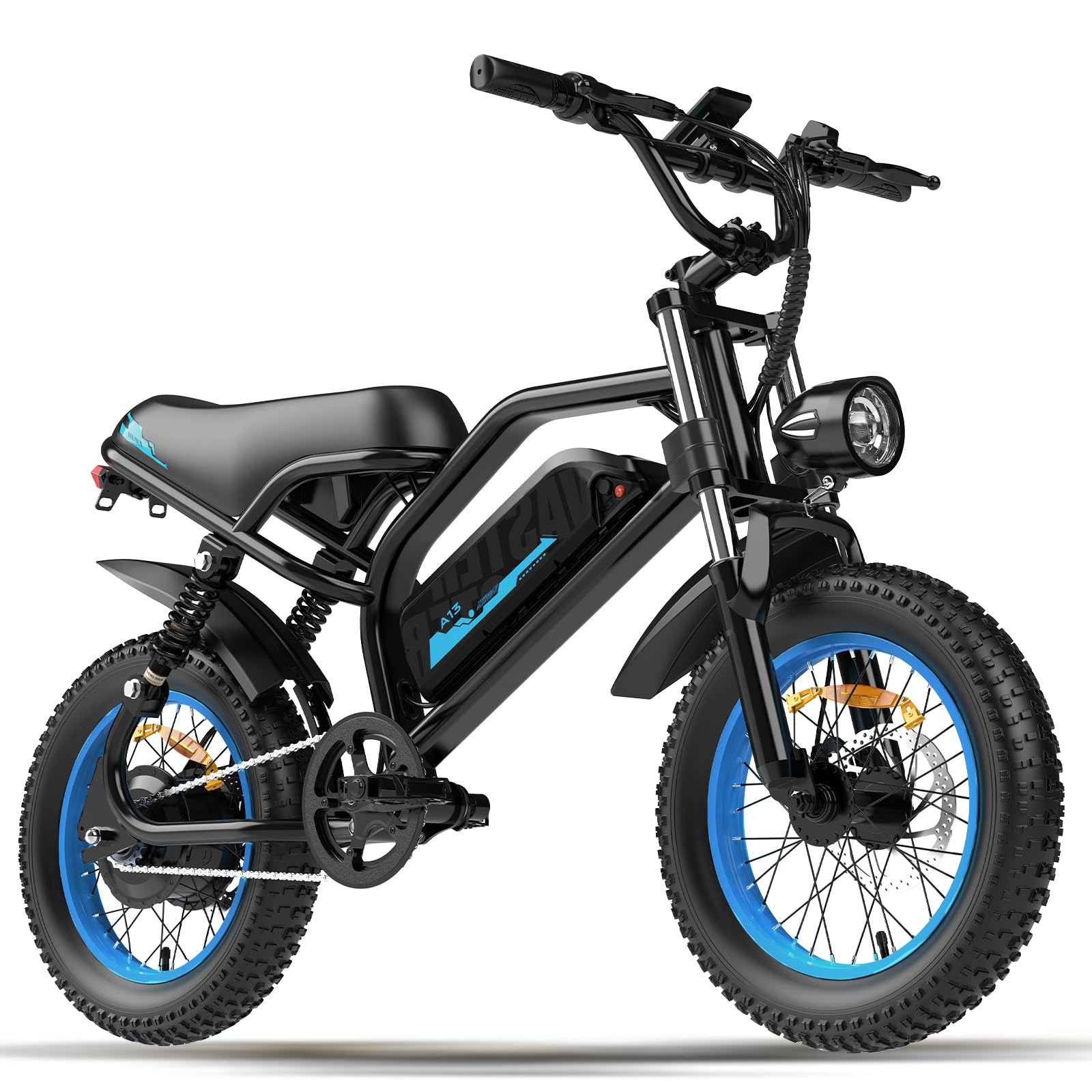
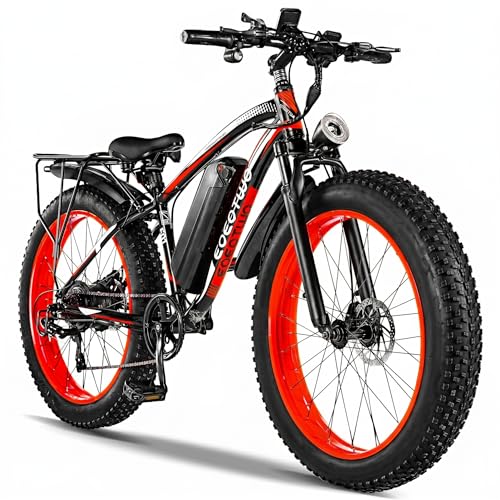

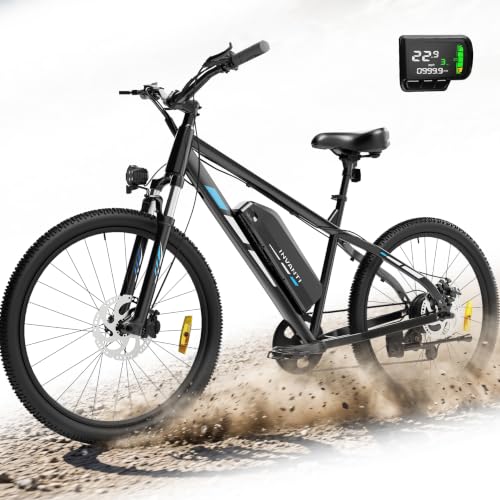
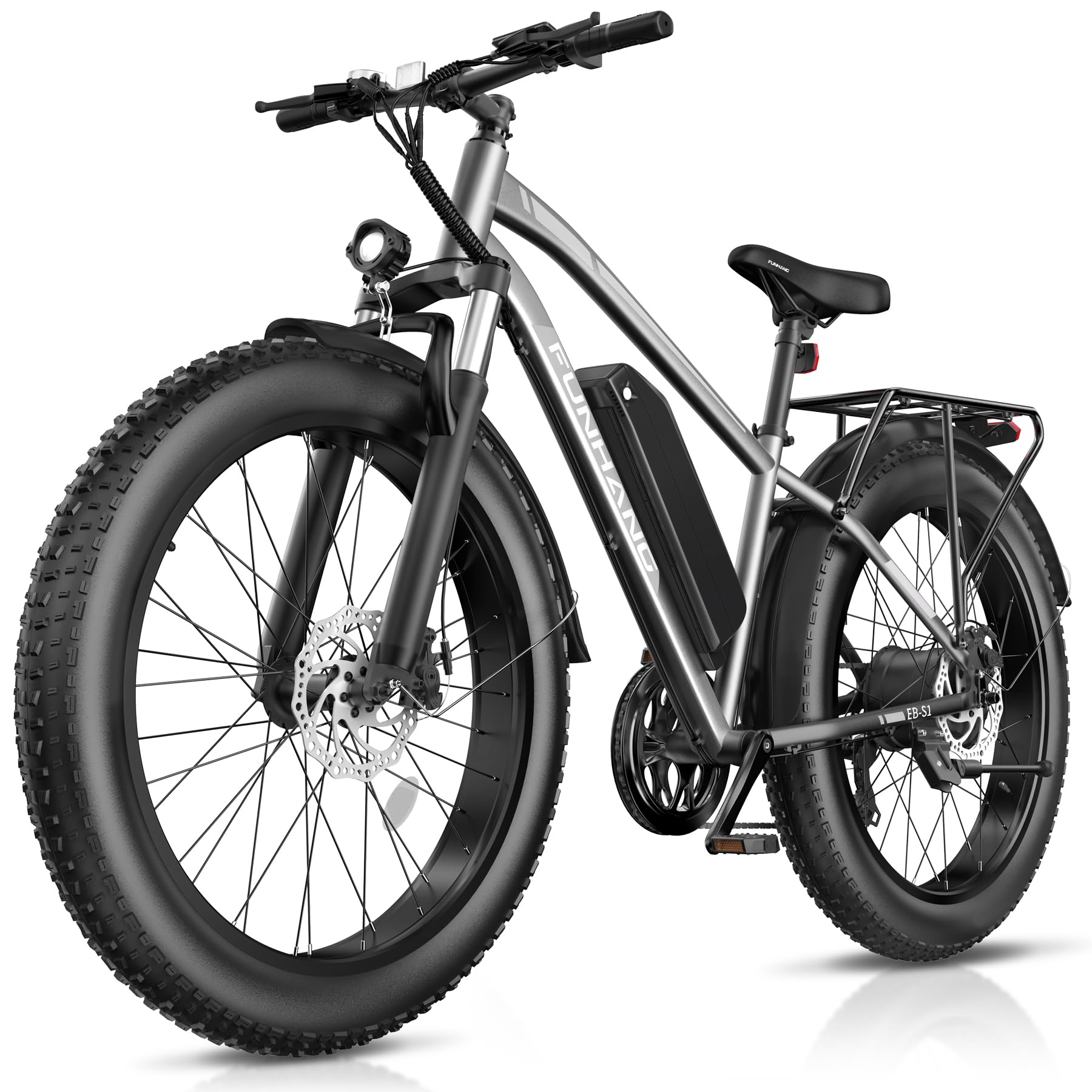
What Each Price Tier Usually Delivers
Budget Tier, Under $1,000
Bikes under $1,000 usually pair a rear hub motor with a small battery around 360 to 470 Wh, a basic fork, and cable or entry level hydraulic brakes. They handle smooth trails, gravel climbs, and gentle singletrack well, and they make fine first e bikes for mellow terrain. Expect heavier wheels, limited range on steep ground, and parts that wear faster under hard riding. Treat range claims at this price with skepticism, and budget for a better saddle and tires early, since contact points shape comfort more than motor badges do.
Value Tier, About $1,000 to $2,000
This tier is the sweet spot for most trail riders. Batteries grow to roughly 500 to 700 Wh, hydraulic disc brakes become standard, forks gain air springs and real damping, and many models switch to stronger frames with thru axles. A bike here can climb long grades, descend moderate trails with control, and cover 25 to 40 miles of mixed riding per charge. If you ride twice a week on real trails, start your search in this band and compare brake and fork quality before motor claims.
Upgrade Tier, Above $2,000
Above $2,000 you find mid drive motors with natural pedaling feel, larger batteries, better suspension at both ends, and lighter overall weight. These bikes suit steep, technical terrain and long backcountry days where support and reliability matter. The gains are real but narrower than the price jump suggests, so this tier fits committed riders who already know their trails demand it. Riders stepping up from acoustic bikes can compare categories in our guide to the best chinese mountain bike as a baseline.
How to Choose: A Practical Buying Guide
Bike Type and Riding Style
Cross country e bikes carry 100 to 120 mm of travel and lighter frames, which suits rolling terrain and long climbs. Trail bikes with 130 to 150 mm of travel are the all rounders most riders should buy, balancing climbing help with descending confidence. Enduro models push travel higher and add weight, which only pays off on steep, rough descents. Be honest about your usual loop: buying enduro travel for green trails leaves you hauling extra pounds up every climb for no benefit.
Motor, Battery, and Range
Motor placement shapes the ride. Mid drive motors sit at the pedals, use the bike gears, and climb steep grades efficiently with balanced handling. Hub motors are simpler and cheaper but can feel heavy at the rear wheel and struggle on long steep climbs. For trail use, a mid drive with torque sensing gives the most natural assistance. New riders often prefer the simpler choices in our guide to the best beginner electric mountain bike, where power delivery is gentler.
Battery size is quoted in watt hours, and it predicts range better than any mileage claim. A 500 Wh battery typically returns 20 to 35 miles of trail riding depending on assist level, rider weight, and climbing. Prefer a battery that removes for charging and storage, and confirm the charger and any replacement battery are available from the seller, because an orphaned battery standard ends the bike useful life early.
Suspension and Travel
A hardtail with a decent fork suits smooth trails and costs and weighs less, while full suspension adds traction and comfort on roots and rocks. Match travel to terrain rather than ambition: 120 to 140 mm covers most trail networks. Check that the fork has an air spring you can set for your weight, and that the rear shock, if fitted, uses standard mounting hardware so replacements exist. Lockout levers help on long smooth climbs but matter less than correct sag, which you set once with a pump.
Wheel Size and Tires
Wheels of 29 inches roll over roots and rocks with less effort and hold speed on open trails, while 27.5 inch wheels feel quicker to turn and suit shorter riders. Many bikes mix sizes, with a larger front wheel for rollover and a smaller rear for agility. Tires matter as much as wheels: look for widths around 2.3 to 2.6 inches, a tread matched to your soil, and tubeless ready rims, since tubeless setups run lower pressure for grip and seal small punctures on the trail.
Drivetrain, Brakes, and Weight
A 1x drivetrain with a wide range cassette keeps shifting simple and gives low gears for motor assisted climbing. Hydraulic disc brakes are essential on a heavy e bike; look for larger rotors, around 180 to 203 mm, which resist fade on long descents. Total weight commonly lands between 45 and 65 lb, so check how you will lift the bike onto a rack or carry it up steps. Weigh your current bike, then add the difference in your head before you commit, because a 60 lb bike on a roof rack is a genuine struggle for many people.
Frame, Geometry, and Sizing
Most frames at these prices are aluminum, which keeps cost down and shrugs off trail knocks; carbon appears on upgrade tier models. Geometry follows the same logic as regular mountain bikes, with slacker head angles for descending and longer reach for stability. Size by reach and standover, and confirm the seat tube fits a dropper post of useful length. Riders shopping for a partner may also want our guide to the best women's electric mountain bike, which covers smaller sizes and lower standover designs in detail.
How These Bikes Compare With Other Options
Road and Gravel Bikes
Road and gravel e bikes are lighter and faster on pavement and smooth dirt, with drop bars and narrower tires. They cannot match the traction, braking, or comfort of a mountain bike on real trails. Choose one only if your off road riding is limited to graded paths. If your routes mix pavement with easy trails, also see our guide to the best electric assist mountain bike for pedal focused designs that split the difference.
Commuter E Bikes
Commuter models add racks, lights, and fenders for daily road use, and their upright position suits city streets. Their tires, gearing, and suspension are not built for rocky descents, and trail riding voids some warranties. They cost less and serve daily transport better, so buy one for commuting rather than forcing a single bike to do two jobs badly.
Throttle Equipped Trail Bikes
Some models add a throttle that moves the bike without pedaling, which helps with starts on hills and short road sections. Many trail systems and some regions restrict throttle bikes, so legality needs checking before you rely on one. Our guide to the best electric mountain bike with throttle explains the class rules and where these bikes are welcome.
How to Make Your Bike Last Longer
- Check tire pressure before every ride, because the extra weight of an e bike punishes underinflated tires and rims on rocky ground.
- Clean and lube the chain every 100 to 200 miles, since motor torque wears drivetrains faster than pedaling alone; expect chains and cassettes to need earlier replacement.
- Charge the battery at room temperature with the supplied charger, store it partly charged in a cool dry place, and never leave it in a hot car.
- Have a professional tune up yearly, including brake pad checks, because heavier bikes consume pads quickly on long descents.
- Wash with a bucket and sponge rather than a pressure washer, which forces water into motor seals and bearings.
Your Questions Answered
How far can a Chinese electric mountain bike go on one charge?
Most trail models cover about 20 to 40 miles per charge in mixed riding. Range falls sharply with high assist levels, steep climbing, cold weather, and heavy loads, and it stretches on low assist over gentle ground. Use the battery watt hour figure to compare models, and treat any claim far above these norms as a flat road figure. Carrying the charger for a cafe stop top up extends big days.
What e bike class is legal where I live?
Rules vary by country, state, and even by trail system, so check your local land manager before riding. In much of the United States, Class 1 pedal assist bikes with a 20 mph assist limit are the most widely accepted on trails. Class 2 adds a throttle and Class 3 raises road speed limits, and both face more restrictions off road. When in doubt, choose Class 1 for trail access.
How much should I spend on my first Chinese electric mountain bike?
About $1,000 to $2,000 buys the safety and range most beginners need, with hydraulic brakes, a battery near 500 Wh or more, and a fork with real damping. Cheaper bikes work on gentle paths but often skimp on brakes, which is the wrong place to save on a heavy bike. Set aside extra for a helmet, a good lock, and a floor pump with a gauge.
Hardtail or full suspension for a first electric mountain bike?
Choose a hardtail if your trails are smooth and your budget is tight; it is lighter, cheaper, and simpler to maintain. Choose full suspension if your local trails are rocky or rooty, because rear suspension adds traction on climbs as well as comfort on descents. Many beginners on rough networks are happier on a mid priced full suspension bike than on a costly hardtail.
What size Chinese electric mountain bike do I need?
Use the maker size chart, then verify reach and standover against your measurements. Riders between sizes should usually size down on an e bike, because the extra weight makes a smaller frame easier to handle at low speed and when lifting it. Confirm the minimum seat height works with a dropper post fitted, and if possible sit on a similar model locally before ordering a size you cannot exchange cheaply.
The Bottom Line
Judge these bikes by motor type, battery watt hours, and brake and fork quality, in that order, and let your actual trails decide travel and wheel size. The value tier serves most riders well, and honest sizing prevents the costliest mistake. When you are ready, compare the best chinese electric mountain bike options in the product table above against your terrain and local class rules, and pick the bike that fits both.