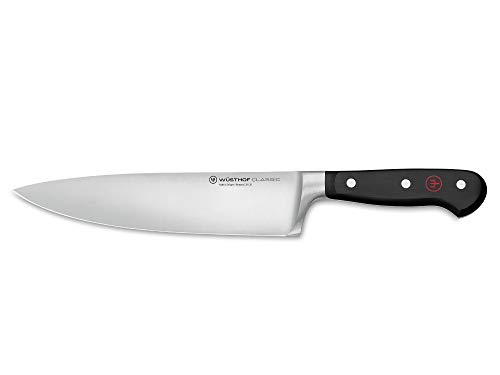
Best Chef Knife Under $30 (2026): Low Cost, Real Quality
Disclosure: We may earn a commission when you buy through links on this page, at no extra cost to you. As an Amazon Associate I earn from qualifying purchases. Learn more

How to choose the best chef knife under 30: what a low price buys and how to keep the edge sharp.
A small kitchen with one crowded drawer and a family dinner to start is a tough test for any knife. You need one blade that can handle onions, carrots, chicken, and herbs without taking much storage room or much money. A good best chef knife under 30 choice can do that daily work well, as long as you match size, profile, and handle to your space and the number of people you cook for. The comparison table below sums up the main types side by side.
This guide focuses on real home use. It explains what you gain at this price, what you give up, and how modest care costs keep a budget blade working.

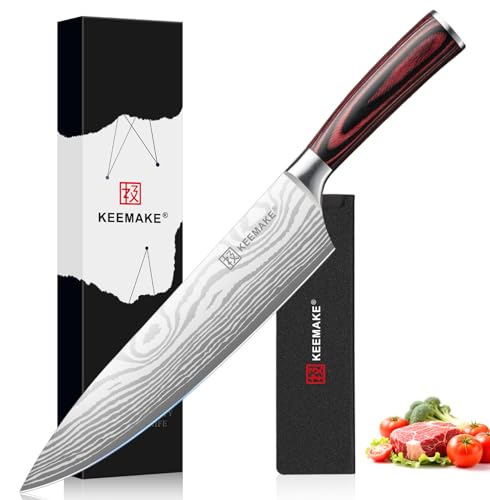
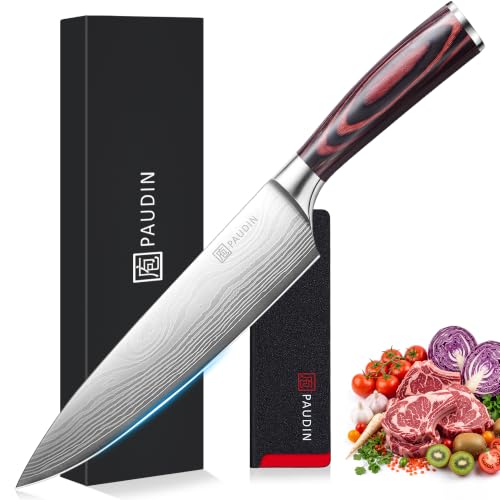
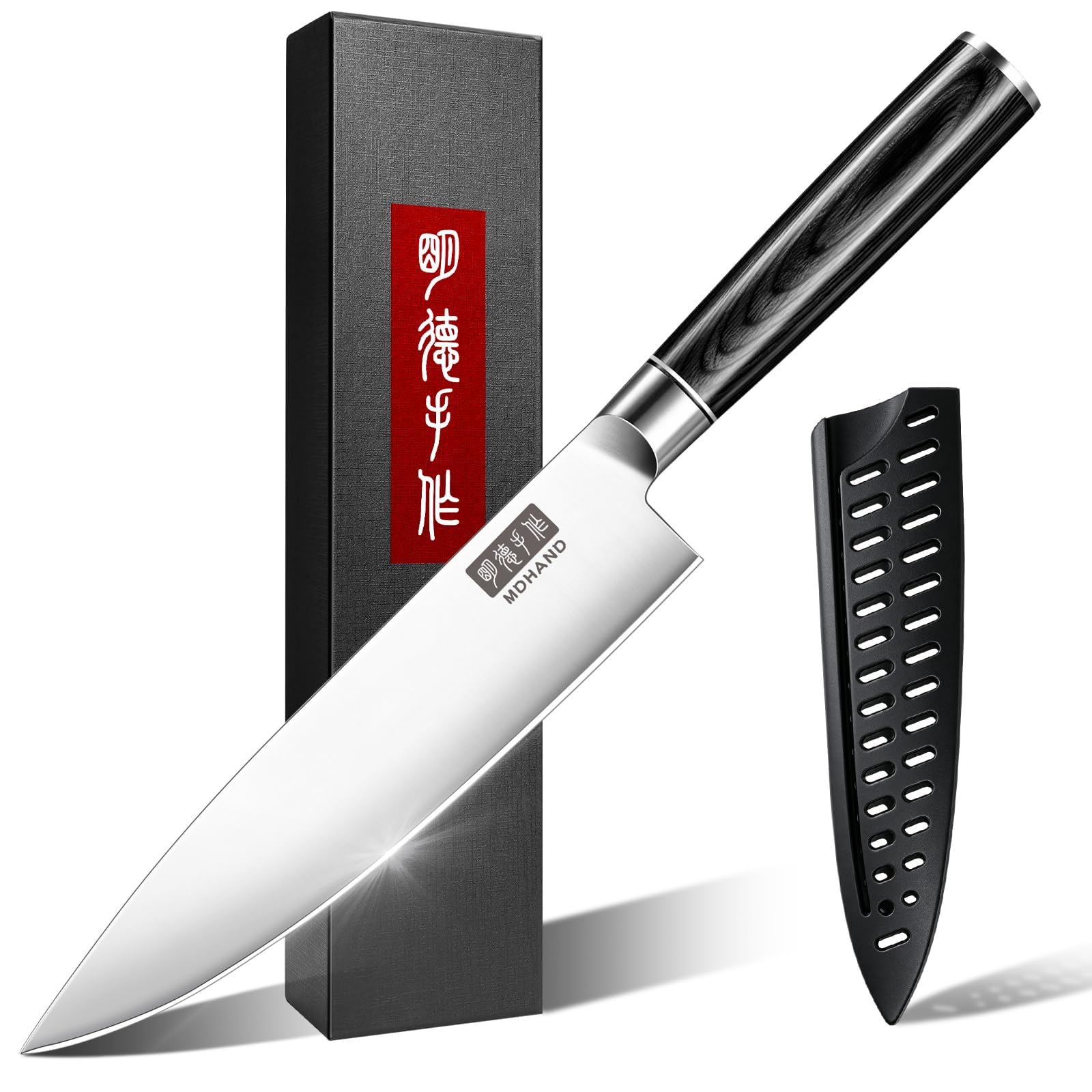


Quick Answer: What Counts as a Good Knife at This Price
At about $30 or less, look for an 8 inch stainless blade with a comfortable handle and an edge you can restore with a simple honing rod or stone. Thin blades slice produce with less effort, while a deeper German profile feels sturdier on squash and dense roots. If several people share the knife, a plain handle shape that suits different hand sizes usually matters more than decorative details.
For more on sizes and grips, see our notes on the best chef knife for home cooks.
Before You Buy: A Quick Checklist for Choosing a Chef Knife
Work through the points below in order. Size and routine come first, because a knife that fits your board and cutting style will feel right even when the steel is simple.
Size: Match It to Your Space
A 6 inch blade suits a tiny board, a narrow counter, and cooks who mostly prep for one or two people. A 7 inch or 8 inch blade is the common home choice, long enough for a cabbage or a melon yet still easy to store in a drawer with a sheath. Blades of 9 inch or 10 inch, close to 240 mm, need a large board and clear counter room. Choose the largest size you can wash, dry, and store safely every day.
Which Type Fits Your Routine
German and Western profiles have a curved belly that suits a rocking motion through herbs and garlic. Japanese profiles are flatter and thinner, and they favor straight up and down cuts on fish and produce. Stamped blades are cut from a flat sheet of steel and tend to be light and low in cost, while forged blades often feel denser in the hand. If you often slice raw fish or boneless meat in long strokes, our comparison of chef knife vs santoku can help you weigh a shorter, flatter option.
Features Worth Paying For and Features to Skip
A fitted sheath is worth paying for because it protects the edge and your fingers during drawer storage. Shallow dimples along the blade can help wet slices of potato or cucumber release with less sticking, though they do not change how sharp the edge is. A synthetic handle tolerates splashes and frequent washing by hand. Skip large block sets, ornate blade coatings, and extra tools you will not use, since that money is better spent on the single blade you reach for daily.
Steel Type and Hardness
Most budget chef knives use stainless steel, which resists rust and suits homes where a blade may sit damp for a short while. High carbon stainless adds carbon for a finer edge while keeping most of that rust resistance. Hardness at this price often falls around 54 to 58 HRC, a range that trades some edge life for easier sharpening and less chipping. Pure carbon steel can take a very keen edge, but it needs prompt drying and is a poor match for a hectic family sink.
Blade Geometry: German and Japanese Profiles Compared
Geometry shapes how a knife moves more than steel alone does. A German profile has a thick spine, a broad blade, and a strong curve near the tip, so it can rock and push through dense food with confidence. A Japanese profile, seen in a gyuto, is thinner and straighter along much of its length, so it glides through onions and peppers with less wedging. If that lighter feel appeals to you, explore the best japanese chef knife guide for thinner options at higher prices.
Handle, Bolster and Balance
A full bolster is a thick guard between blade and handle that adds weight and can make sharpening the heel harder over time. Many budget knives use a partial bolster or none at all, which keeps the full edge usable and the weight down. Hold the knife with a pinch grip, thumb and index finger on the blade just ahead of the handle, and check that the balance point falls near that grip. A handle that is too round can twist when your hands are wet.
Realistic Budget Ranges
Knives at about $15 to $30 cover the needs of most homes, with sound steel and plain but sturdy handles. Stepping up to about $30 to $50 often buys a better grind and an edge that stays keen a bit longer. At about $50 to $100 you may see harder steel and finer finish work, and beyond that the gains are mostly in edge life, balance, and craft. None of those steps is required for good family meals, so spend first on size and profile.
Three Types Compared for Homes on a Tight Budget
Instead of chasing a single winner, match one of these three types to your household. Each can be found under $30, and each suits a different mix of space, users, and food.
Stamped Stainless Knives for Everyday Family Prep
Stamped stainless knives are light, thin, and easy to lift through a week of lunches and dinners. Their low weight helps smaller cooks and anyone who preps large amounts of salad, fruit, or boneless meat. Because they cost little, replacing one after years of hard use is painless. Their main limit is flex: a very thin blade can feel unsure on a hard squash, so choose a slightly deeper blade if winter vegetables are common in your home.
German Profile Knives for Hearty Ingredients
A German profile knife brings a curved belly, a strong tip, and enough weight to work through carrots, potatoes, cheese, and cooked meats with a steady rocking cut. It suits cooks who learned that rocking motion and families that share one knife across many tasks. Readers who want to refine that motion can follow the basics in our guide on how to use a chef knife before they buy.
Japanese Profile Knives for Precise Produce Work
A Japanese profile knife under $30 gives you a thin edge and a flatter shape for clean slices of tomato, onion, and cucumber with little tearing. It fits small kitchens where most meals center on vegetables, fish, and boneless cuts, and where board space rewards accuracy over force. The trade off is care: a thin edge can chip if it strikes bone or a hard pit. Keep this type for controlled cuts, and use a sturdy utility knife for heavy jobs.
How to Judge Value Without Overspending
Judge each best chef knife under 30 option on five points from maker specifications and verified buyer feedback: steel and edge life, balance and comfort, sharpness when new, ease of upkeep, and total value. A knife scores well when its grind looks even and its handle has no sharp seams.
What You Get and What You Give Up Under $30
Under $30 you get a blade that can handle nearly all home prep, arrives sharp enough for daily work, and is cheap enough that you will use it without worry. You also get simple upkeep, since softer stainless responds well to a honing rod and a basic stone. What you give up is refinement. Edge life is shorter than on harder steel, handles are usually plain molded shapes, and the finish may show light grinding marks.
You also give up some toughness in thin models and some finesse in thick models, because one low cost blade rarely does both extremes well. For most homes that trade is fair. Readers who later want a wider price view can start with our full guide to best chef knife choices across all budgets.
Common Mistakes to Avoid
- Buying a 10 inch blade for a small board, so the tip runs off the edge and cuts feel unsafe.
- Choosing a large set instead of one good knife, so most pieces stay unused while the main blade is mediocre.
- Storing a bare blade loose in a drawer, so the edge dulls on other tools and fingers are at risk.
- Washing the knife in a dishwasher, so heat and rattling can crack the handle and dull the edge.
- Using a glass or stone board, so each cut chips or rolls the edge.
Cost of Ownership and Care
Ownership costs stay low with a budget knife. A honing rod costs around $15, a basic stone costs about $20 to $40, and a sheath costs around $10 to $25, and each item can serve for years. Hone lightly every few uses to keep the edge aligned, and store the blade dry with its edge protected. Wood and soft plastic boards are kinder to the edge than hard surfaces.
When the edge no longer bites into a tomato skin after honing, it is time for a full sharpening on a stone or by a local service, which often costs around $5 to $10 per knife. Our step by step guide on how to sharpen a chef knife explains angles and grit choice in plain terms. Wash the knife by hand right after use, dry it at once, and never leave it soaking in a sink.
Your Questions, Answered
Can you get a good chef knife for under $30?
Yes, if you define good as sharp, balanced, and suited to home prep rather than fancy. At this price the smart buy is one single knife in the size you need, not a set with many small pieces. Check the return policy before you order, because a short trial at home tells you more about grip comfort than any listing photo can.
How do you clean a chef knife without damaging it?
Wash the blade by hand right after cutting acidic or salty food, such as citrus, tomatoes, or pickles, because long contact can stain even stainless steel. Use the soft side of a sponge and wipe from the spine toward the edge with the blade facing away from your hand. Dry the handle joint with care, since water trapped there is a common spot for odor and early wear.
How long does a chef knife last in a home kitchen?
A budget chef knife can last five years or more with honing, sound storage, and a kind board. Its life often ends not from dullness but from a loose handle, a bent tip from a drop, or repeated dishwasher damage. If the handle cracks or moves in your grip, replace the knife at once, because a blade that shifts during a cut is a safety risk.
Is a chef knife worth it if you cook only a few nights a week?
Yes, for most part time cooks it is still the most useful single knife to own. One chef knife covers produce, boneless meat, cheese, and herbs, so you can skip buying several narrow tools that each do one job. It also makes prep faster, which matters when you cook after work and want dinner started without fuss.
What makes a chef knife reliable at a low price?
Reliability at a low price comes from consistency more than from rare steel. Look for an even grind on both sides, a handle fixed with no gaps, and clear maker details on steel type and blade length. A simple warranty and a seller with steady stock also help, because you can replace the same knife later with confidence.
Final Thoughts
Choose by space, routine, and grip first, and let price confirm the choice rather than drive it. A thin stamped blade serves light daily prep, a German profile handles hearty food, and a Japanese profile rewards careful produce work. Whichever type fits your home, the best chef knife under 30 is the one you can store safely, hold with comfort, and keep sharp with little effort. Use the product table above to compare types before you order.