
Best Chef Knife Under $200 (2026): What the Budget Buys
Disclosure: We may earn a commission when you buy through links on this page, at no extra cost to you. As an Amazon Associate I earn from qualifying purchases. Learn more

How to choose the best chef knife under 200: what this budget buys in steel, geometry and handle fit.
Picture a weeknight dinner in a small kitchen. Vegetables cover half the counter, a pan is already heating, and two people need to eat within the hour. In that moment, the best chef knife under 200 is not a showpiece. It is the one knife you reach for without thinking, sized for your board, your hands, and the food you cook most often.
This guide helps you choose by space, household size, and daily routine rather than by looks alone. Work through the checklist, compare the three broad types, and use the comparison table below to narrow your shortlist.
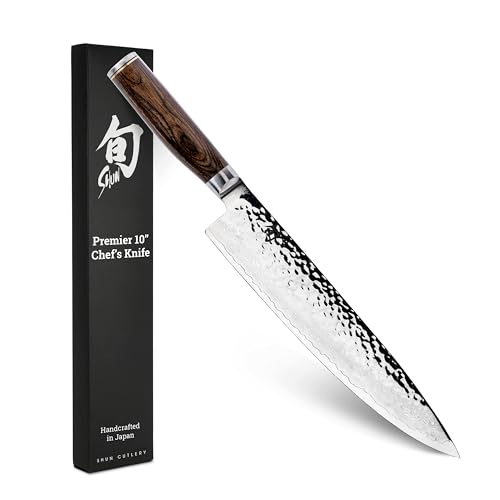
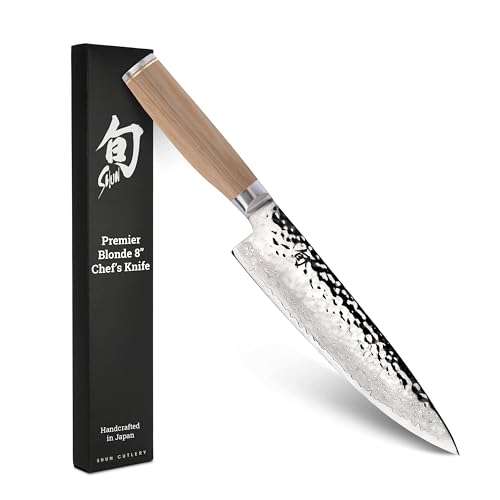
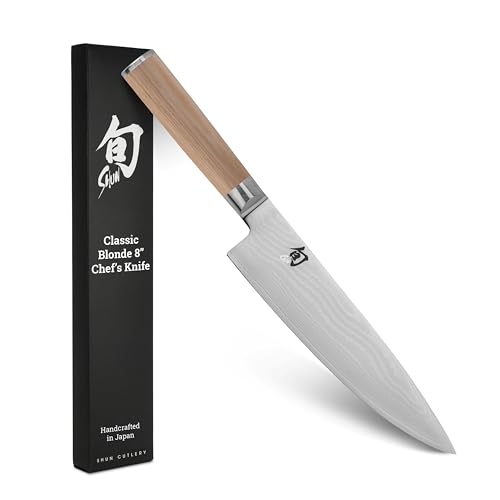


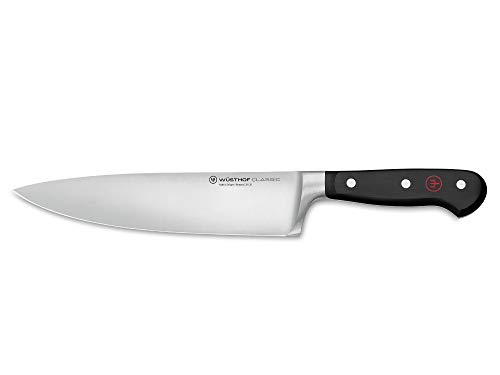
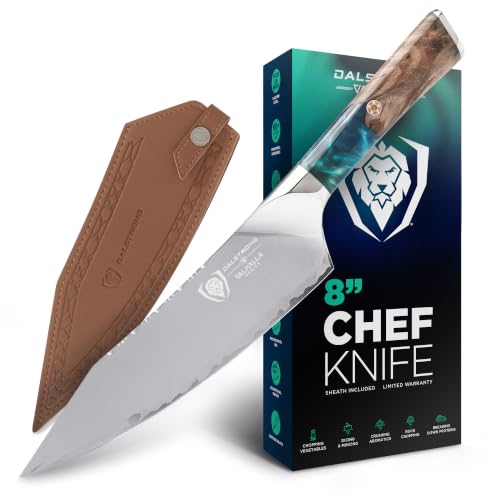

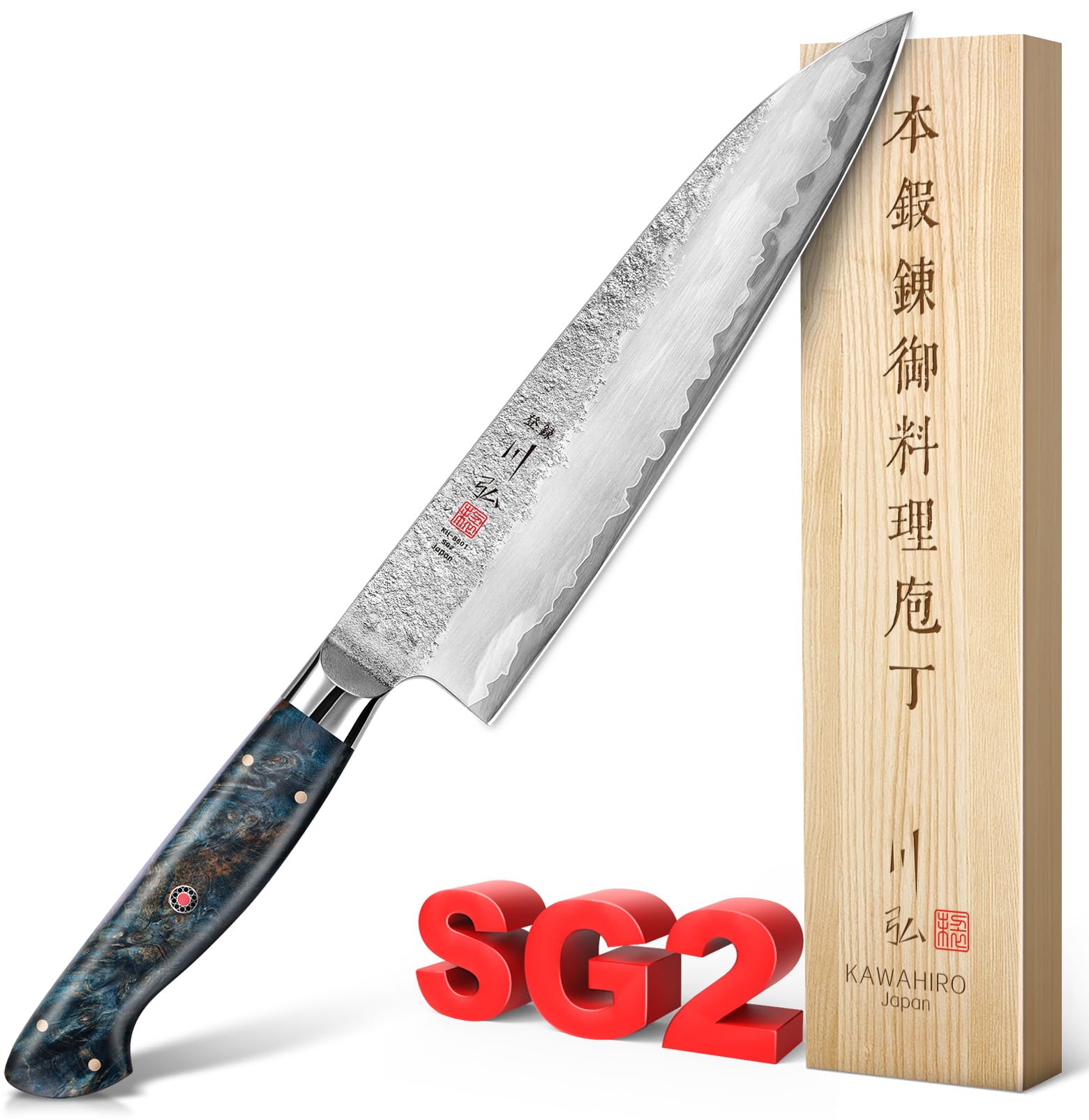

Quick Answer: Three Types That Fit Most Homes
Most households land on one of three types. A German style knife suits cooks who rock the blade through herbs and sturdy vegetables. A Japanese style knife suits cooks who slice with a straight motion and want a thinner edge. A lighter forged or stamped knife suits shared kitchens where several people use the same tool and easy upkeep matters most.
If your household is still deciding what general style comes first, start with our broader guide to the best chef knife and then return here to apply the budget limit.
Before You Buy: A Quick Checklist for Choosing a Chef Knife
Size: Match It to Your Space
An 8 inch blade is the most versatile starting point for most homes, long enough for a cabbage yet manageable on a standard board. Choose 6 or 7 inches if your counters are tight, your board is small, or your hands are smaller, because a shorter blade gives more control in cramped areas. Step up to 9 or 10 inches only if you regularly break down large squash, melons, or roasts and own a board that leaves room around the blade.
Which Type Fits Your Routine
German knives use a thicker blade and a curved edge built for rocking, while Japanese knives such as the gyuto use a thinner blade and a flatter profile built for slicing. Damascus describes layered steel on the surface, not a separate way of cutting. Carbon steel takes a keen edge but needs drying after use, while stainless steel resists rust and suits busy homes. Forged blades feel dense and sturdy, stamped blades feel lighter.
If you often switch between a broad blade and a shorter, flatter one, our explainer on chef knife vs santoku can help you decide which shape deserves the main spot in your drawer or block.
Features Worth It (and Ones to Skip)
A sheath or blade guard is worth paying for if the knife will live loose in a drawer, because it protects both the edge and your fingers. Granton dimples can help sticky slices of potato or cucumber release more easily, though they matter less than blade thickness. A wood handle feels warm and grippy when dry, while synthetic handles tolerate soaking and shared use better. Skip decorative etching and oversized sets, since that money buys better steel instead.
Steel Type and Hardness (HRC)
Hardness is measured on the Rockwell scale, shown as HRC. Many German style blades sit around 56 to 58 HRC, which makes them tougher and less likely to chip when they meet bone or a frozen squash rind. Many Japanese style blades sit around 60 to 62 HRC, which helps them hold a finer edge for longer. Harder is not simply better for every home. A slightly softer blade forgives rough boards and hurried technique, and it is quicker to restore on a honing rod.
Blade Geometry: German vs Japanese
Geometry is the shape of the blade in cross section and profile, and it decides how food separates as you cut. A thicker German grind pushes wedges apart, which helps with dense carrots but can split them. A thinner Japanese grind passes through onions and fish with less resistance, giving cleaner slices and less hand fatigue. If clean slicing is your priority, compare the options in our guide to the best japanese chef knife before you commit.
Handle, Bolster and Balance
Hold the knife with a pinch grip, thumb and forefinger on the blade just ahead of the handle, before you judge comfort. A full bolster adds a finger guard and weight near your hand, while a partial or absent bolster lets you use the full edge and makes sharpening the heel easier. Balance should sit near the pinch point, not pull toward the tip or the butt. Handles that swell in the middle suit larger hands, while slimmer handles suit smaller hands.
Realistic Budget Ranges
Under $30 usually buys a stamped blade that works for a starter kitchen but dulls quickly. Under $50 brings better handles and more consistent edges. Under $100 is where forged options and better steel become common. Under $150 adds finer finishing, better balance, and harder steel that holds an edge longer. Under $200, the top of this guide, you gain refinement rather than a new category of cutting ability. Spending beyond that tends to reward collectors more than everyday home cooking.
Three Types Compared: What Each Style Does Best
Here is how the three main types compare on the factors that matter in a real home, from board space to upkeep.
German Style: Sturdy and Forgiving
Choose this type if your cooking leans on root vegetables, winter squash, and herbs chopped with a rocking motion. The curved belly keeps the edge in contact with the board, and the thicker spine tolerates small twists when you work fast. It suits shared family kitchens where the knife may meet a stray bone now and then. The trade off is weight and thickness, which can tire smaller hands and wedge through tall, dense produce.
Japanese Style: Thin and Precise
Choose this type if you slice a lot of fish, boneless meat, and fine vegetable cuts, and if you will use a wood or soft plastic board only. The thin, hard edge rewards a straight push cut and stays sharp through long sessions of onions and peppers. It suits a single dedicated cook who stores the knife carefully and keeps it away from bones and frozen food. The trade off is care, since a hard edge can chip if twisted or dropped.
Lightweight Forged and Stamped: Easy for Shared Kitchens
Choose this type if several people cook, skill levels vary, and the knife needs to survive cheerful, imperfect handling. A lighter blade is less tiring for a teenager helping with dinner or a partner who cooks once a week. Stamped versions cost the least and are easy to replace, while lighter forged versions add balance and a sturdier feel for a moderate step up in price. The trade off is edge life, because softer steel usually needs honing more often.
How We Compare Chef Knives Under $200
We compare knives on steel and edge retention, balance and ergonomics, sharpness from the box, maintenance needs, and value for the money. The information comes from manufacturer specifications and patterns in verified buyer reviews. A knife scores well here when it fits a clear household need, not when it simply costs the most within the budget.
What You Get (and Give Up) Under $200
Under this ceiling the best chef knife under 200 can offer solid steel, a comfortable handle, and an edge that stays useful for weeks of home cooking with regular honing. You give up exotic handle materials, flawless hand finishing, and the very hardest steels found in specialty knives. For most homes that trade is sensible, because board space, storage, and the number of cooks in the kitchen shape daily satisfaction far more than rare materials.
Couples and small families often do best with one good 8 inch knife and a cheap spare for rough jobs. Larger households that cook in parallel may prefer two mid priced knives over one premium blade, so nobody waits for the only sharp tool. Our roundup of the best chef knife for home cooks explores that household angle in more depth.
Technique matters as much as the purchase itself. If your grip and stance are still developing, read our primer on how to use a chef knife and practice the pinch grip and a slow, guided cut before you judge any new blade.
Common Buying Mistakes to Avoid
- Buying a 10 inch blade for a small board, which leaves no safe room to work and makes tip control poor.
- Choosing the hardest steel for a rough shared kitchen, which raises the risk of chips and costly repairs.
- Spending the whole budget on the knife and nothing on a board, storage, or sharpening, which shortens the life of the edge.
- Judging comfort from photos alone, which hides handle size, bolster shape, and where the balance actually sits.
- Paying for a large set when one chef knife and a small paring knife would cover nearly all home prep.
Cost of Ownership and Care
Ownership costs stay modest when you plan for them. Budget for a honing rod, a storage solution such as a magnetic strip or sheath, and professional sharpening once or twice a year if you do not sharpen at home, which often runs about $10 to $20 per session. Wash the knife by hand, dry it at once, and store it so the edge touches nothing hard. Our step by step guide on how to sharpen a chef knife explains whetstone basics when you are ready to maintain the edge yourself.
Never put a good chef knife in the dishwasher, because heat, detergent, and rattling against other items dull and can damage the edge and handle. Cut on wood or soft plastic boards only, and use the spine, not the edge, to scrape food from the board.
FAQ
How do you clean a chef knife after cutting raw meat?
Wash the blade in hot, soapy water right after use, scrubbing both sides and the area where the blade meets the handle, where residue collects. Rinse, dry fully, and return it to storage before you handle other food. That sequence lowers cross contamination risk. Avoid soaking, because standing water can stain carbon steel and loosen some handle materials over time.
Is a chef knife worth it if you already own a knife set?
Often yes, because many sets spread their cost across pieces you rarely touch, while one good chef knife handles most daily prep. If your current main knife is comfortable, holds an edge, and fits your board, keep it and spend on sharpening instead. If you avoid using it because it feels heavy, dull, or awkward, a single replacement usually improves cooking more than another full set would.
How long does a chef knife last in a home kitchen?
A well made knife can serve for many years, even decades, because the main limits are edge loss from repeated sharpening and damage from chips or a bent tip. Each sharpening removes a small amount of steel, so cooks who hone gently and sharpen only when needed extend that life greatly. Handles usually fail before blades do, especially if soaked often, so dry storage quietly adds years of use.
Can you get a good chef knife for under $200 without giving up much?
Yes, and the main thing you give up is refinement rather than cutting ability. Knives in this range can offer steel, balance, and sharpness that cover nearly all home cooking tasks. What costs more above this range is hand finishing, rare handle materials, and small gains in edge life.
Does a chef knife need a bolster to be safe?
No, because safety comes mainly from a dry, secure grip and a sharp edge that does not slip on the food. A bolster can add a sense of protection for new cooks, but many precise knives omit it so the full edge can contact the board and the heel can be sharpened evenly. If you choose a knife without one, keep your fingers curled in a claw grip and keep the handle dry during use.
Final Thoughts
Start with your space, your board, and the hands that will hold the knife, then pick the type that suits your routine and spend up to the budget only where it solves a real problem. Chosen that way, the best chef knife under 200 becomes the quiet workhorse of your kitchen rather than an expensive regret. Compare your finalists in the product table above, confirm the size and steel one last time, and order the one you will enjoy reaching for every day.

