Best Chef Knife Under $150 (2026): What the Budget Buys
Disclosure: We may earn a commission when you buy through links on this page, at no extra cost to you. As an Amazon Associate I earn from qualifying purchases. Learn more

How to choose the best chef knife under 150: steel, balance and handle quality at this price.
Dinner at home often starts with one crowded board, a pile of onions, and a knife that either helps or gets in the way. The best chef knife under 150 dollars should match your counter space, the number of people you cook for, and how much upkeep you will actually do. This guide skips named picks and instead compares knife types, sizes, steels, and shapes, so you can judge any model in the comparison table below against your own kitchen.
A smaller household that cooks twice a week needs something different from a family batch cooking on Sundays. Keep that routine in mind, and use our wider guide to the best chef knife category to see how this price band sits within the full market.
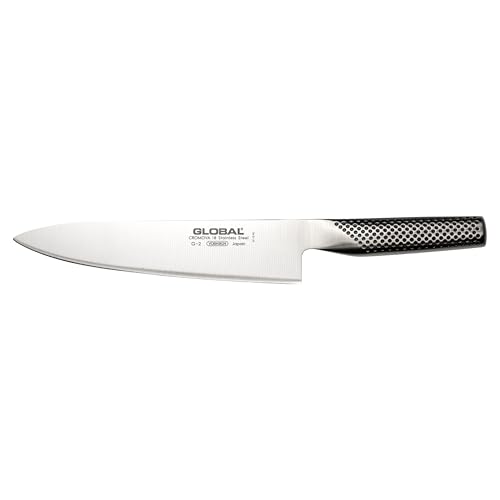
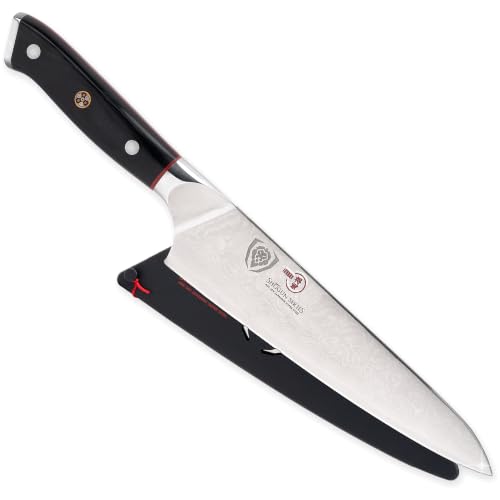
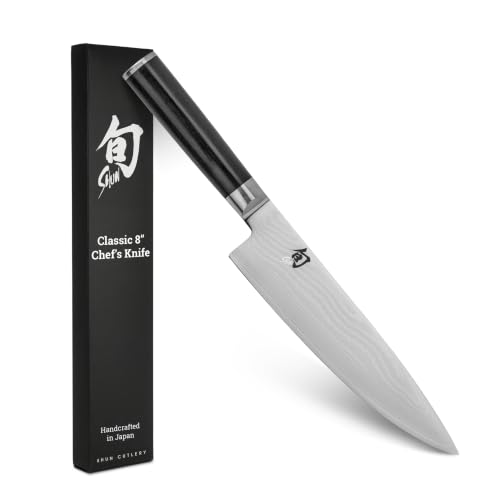

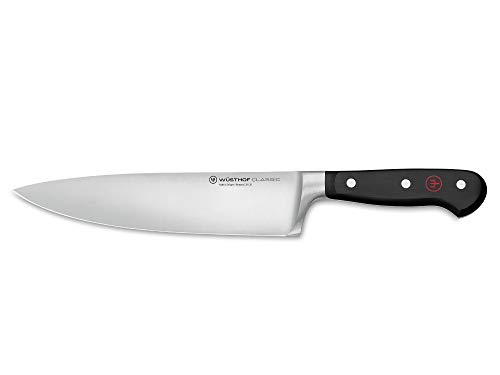
Quick Answer: Three Types Worth Your Attention
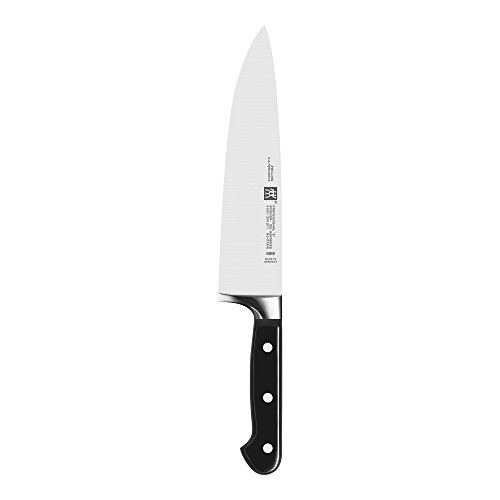
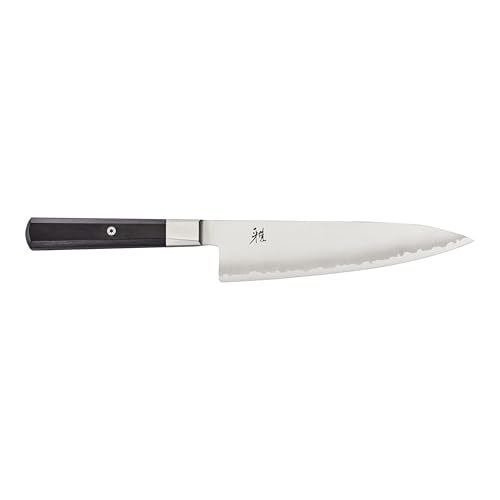
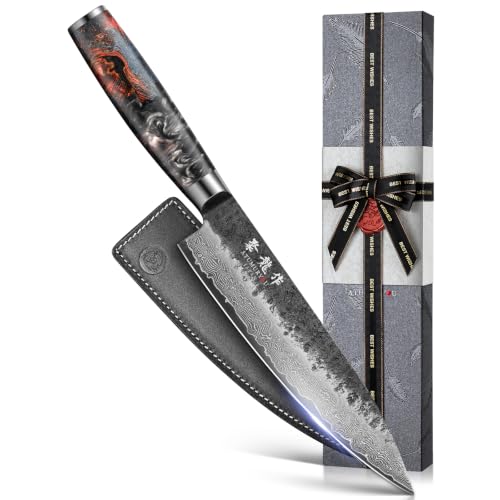
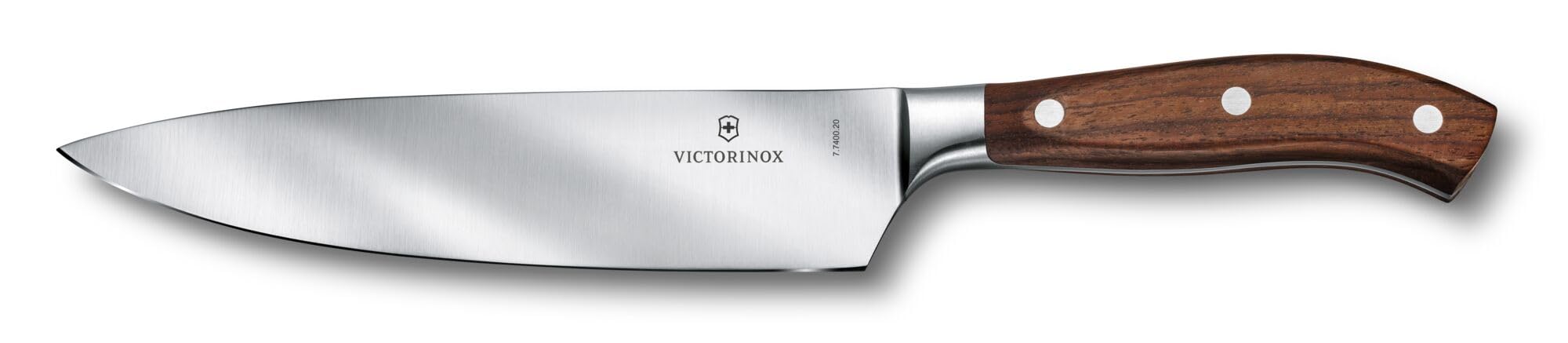
Most homes land on one of three types. A German style knife suits cooks who rock the blade through herbs and value toughness. A Japanese style knife suits cooks who push cut vegetables and want a thinner edge. A lighter stamped knife suits tight budgets and small kitchens where easy handling matters more than heft.
Before You Buy: A Quick Checklist for Choosing a Chef Knife
Work through this checklist before you compare prices. Size, shape, steel, and handle fit decide far more about daily satisfaction than decoration or extra pieces in a box.
Size: Match It to Your Space
An 8 inch blade is the standard starting point because it handles a large onion, a whole chicken, and a bunch of carrots without feeling clumsy. Choose 6 or 7 inches if your board is small, your counters are shallow, or your hands tire during long prep sessions. A 9 or 10 inch blade gives tall cooks and big boards more knuckle clearance and longer strokes through squash and cabbage. Measure your usual board first, because a blade that overhangs the edge makes every cut feel awkward.
Which Type Fits Your Routine
German and Western knives carry more weight behind the edge and tolerate dense foods like sweet potato and hard cheese well. Japanese knives, including the gyuto shape, run thinner and lighter, which rewards a straight cutting motion. Carbon steel takes a very fine edge but reacts with acidic foods and needs prompt drying. Stainless steel asks less of you day to day. Forged blades feel solid, while stamped blades feel nimble and cost less. If your household also uses a shorter flat blade, our chef knife vs santoku comparison explains where each shape earns its place.
Features Worth It, and Ones to Skip
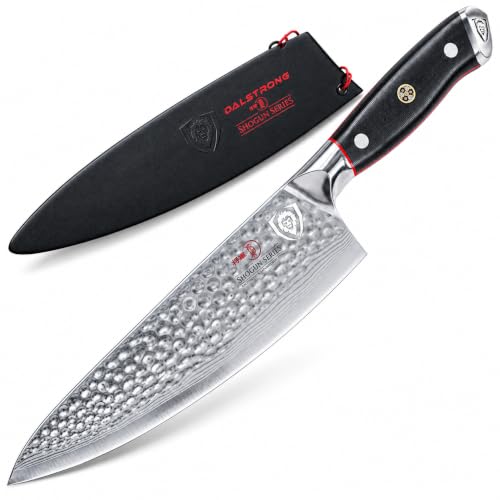
A fitted sheath is worth having if the knife will live in a drawer, because it protects both the edge and your fingers. A wood handle can feel warm and secure, though it needs drying after washing. Dimples along the blade can help slices of potato or cucumber release instead of sticking. Skip paying extra for decorative blade patterns, large bundled sets, and coatings whose only job is color. Money spent on steel, grind, and handle comfort serves you at every meal.
Steel Type and Hardness
Hardness is listed as an HRC number, and it shapes how the edge behaves. Steels around 54 to 57 HRC are forgiving, resist chipping, and sharpen quickly on basic stones or pull through tools, which suits busy family kitchens. Steels around 58 to 61 HRC hold a working edge longer between sharpening sessions, but they ask for more care on the board and dislike twisting motions. Higher hardness is not automatically better. Match the steel to your habits, because a softer edge you maintain beats a harder edge you neglect.
Blade Geometry: German vs Japanese
German blades usually have a pronounced curve near the tip, which supports a rocking motion through garlic and herbs. Japanese blades tend to run flatter with a finer tip, which suits precise slicing and trimming. Edge angle matters too, since a narrower angle cuts with less effort but needs gentler board contact. Cooks drawn to the lighter profile can read our guide to the best japanese chef knife styles before deciding.
Handle, Bolster, and Balance
Judge comfort with a pinch grip, fingers on the blade just ahead of the handle, rather than from photos alone. A full bolster adds weight and a familiar finger stop, but it can get in the way when you sharpen the full length of the edge. A partial bolster or none at all keeps sharpening simple. Balance should sit near the pinch point, so the knife feels neutral rather than blade heavy or handle heavy. If several people will share one knife, a medium handle shape usually pleases more hands.
Realistic Budget Ranges
At about $30 to $50, expect a stamped blade, basic steel, and a simple handle that still covers daily cooking for one or two people. At about $50 to $100, you gain better steel, cleaner grinds, and handles that stay comfortable through a full Sunday prep. At about $100 to $150, the gains shift to edge retention, fit and finish, and balance that feels settled in the hand. This top band makes sense when you cook most nights. Shoppers cooking for a household every day may also value the guide to the best chef knife for home cooks.
Three Types Compared: Where the Money Works Hardest
Instead of named picks, compare these three broad types against your space, household size, and tolerance for upkeep. Each type below can be the right answer for a different home.
The German Style All Rounder for Busy Family Kitchens
This type pairs a curved profile with tough steel and a handle built for a firm grip. It suits households that move from chicken to carrots to crusty bread in one session and want one knife to cover it all. The weight helps through dense vegetables, and the edge tolerates the odd scrape across the board better than harder steels. The trade off is more frequent honing and a thicker feel on delicate slicing.
The Japanese Style Knife for Lighter, Precise Prep
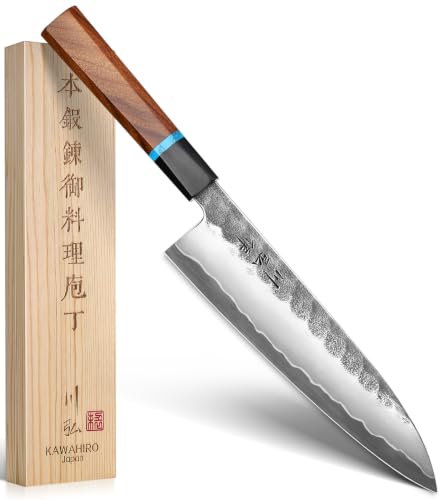
This type pairs a thin grind with harder steel and a lighter handle, often in wood. It suits cooks who prepare lots of vegetables, fish, and boneless proteins and who enjoy a calm, controlled cutting rhythm. Slices come away clean with little wedging in onions or apples. The trade off is discipline, since hard squash rinds, bones, and frozen foods can chip a fine edge. Homes that cook gently get the most from this style.
The Light Stamped Knife for Small Kitchens and Tight Budgets
This type is cut from sheet steel, so it stays light, slim, and easy to store in a narrow drawer with a sheath. It suits single cooks, small apartments, and anyone upgrading from a dull block set. Modern stamped blades can arrive very sharp and sharpen again with little effort. The trade off is edge life and balance, since the blade dulls sooner and feels less settled during long sessions. For occasional cooking, that compromise is sensible.
Our Selection Process for Chef Knives Under $150
We judge knives in this price band on five criteria drawn from maker specifications and verified buyer feedback: steel and edge retention, balance and ergonomics, sharpness as delivered, ease of maintenance, and value for a real home budget. This process gives you a repeatable way to score any model in the product table above against your household needs.
What You Get, and Give Up, Under $150
Under $150, the best chef knife under 150 gives you the things that matter most in daily cooking: sound steel, a grind that moves through food cleanly, and a handle you can hold through a full meal of prep. What you give up sits at the margins. Expect plainer handle materials, less hand finishing on the spine and heel, and functional rather than fancy packaging. You also give up the hardest specialty steels, which need careful technique anyway.
Compared with knives under $50, this band buys longer edge life and better balance. Compared with knives well above $150, you lose refinement rather than core performance. For most homes, that is the right exchange, because dinner depends on sharpness and comfort far more than on rare materials.
Common Buying Mistakes to Avoid
- Buying a 10 inch blade for a small board, which leaves no room for a safe, steady stroke.
- Choosing the hardest steel available when your household will not change habits to protect it.
- Paying for a large set when one good chef knife and a small paring knife cover nearly all home prep.
- Skipping the cost of a honing rod, a storage sheath, or a strip, then storing the new edge loose in a drawer.
- Ignoring grip technique entirely, when the guide on how to use a chef knife can fix wrist strain in one reading.
Cost of Ownership and Care
Owning a good knife costs a little beyond the purchase. Budget for a honing rod for weekly alignment, a whetstone or a professional sharpening visit once or twice a year, and safe storage. Hand wash and dry the blade right after use, and keep it out of the dishwasher, where heat and rattling damage both edge and handle. Store it on a magnetic strip, in a block slot, or in a sheath. When the edge stops responding to honing, follow the steps in the guide on how to sharpen a chef knife.
Your Questions, Answered
How do you clean a chef knife after cutting raw meat?
Wash the blade in hot water with dish soap as soon as you finish, paying attention to the area near the handle where juices collect. Rinse, then dry the spine first and the edge last with the towel moving away from the edge, which keeps your fingers safe. Wash the board and your hands before moving to vegetables. Never leave the knife soaking in a sink, because hidden blades under suds are a common cause of kitchen cuts.
Is a chef knife under $150 worth it if you already own a knife set?
Yes, in most homes it is, because set knives often spread the budget across many pieces and leave the main blade underpowered. One well chosen chef knife usually handles most board work, from onions to roasts, so its quality shapes nearly every meal. Keep the set pieces you still use, such as the bread knife, and let the new blade take over daily prep.
How long does a chef knife under $150 last in a home kitchen?
A knife in this band can serve for many years, often a decade or more, because the blade loses metal only slowly at home sharpening rates. The handle usually shows age first, through looseness, cracks, or worn rivets, and those signs mean it is time to replace the knife for safety. A blade ground into a thick, uneven shape by poor sharpening also stops cutting well. Gentle boards and steady care stretch that lifespan.
Can you get a good chef knife for under $150?
Yes, because the core ingredients of a good knife, sound steel, a clean grind, and a comfortable handle, are all available well inside this budget. What pushes prices higher is usually decoration, rare handle materials, or very hard specialty steel, none of which a home cook needs for dinner. Spend on the blade itself rather than on a gift box or bundle. A plain knife with the right size will out serve a showy one.
What makes a chef knife maker reliable at this price?
Look for clear disclosure of the steel used, a stated hardness range, and a warranty that covers defects in materials and workmanship. Makers who publish care guidance and offer repair paths tend to support their knives longer. Consistent buyer reports about edges arriving straight and handles fitted without gaps are another practical signal. A maker who hides the steel type behind vague wording gives you no way to predict edge life, which is reason enough to keep looking.
Final Thoughts
The right choice comes down to fit. Match the size to your board, the steel to your habits, and the shape to the way you naturally cut. Do that, and the best chef knife under 150 dollars for your home stops being a guessing game and becomes a tool you reach for without thinking. Look back at the product table above, score each option against the checklist, and choose the type that suits your household, your space, and your budget.