Best Chef Knife for Small Hands (2026): Handle Fit and Blade Length
Disclosure: We may earn a commission when you buy through links on this page, at no extra cost to you. As an Amazon Associate I earn from qualifying purchases. Learn more

How to choose the best chef knife for small hands: a slim handle, a shorter blade and balanced weight.
You are halfway through a pile of onions when your fingers start to ache and the handle begins to twist in your palm. The blade is fine, but the grip is built for a larger hand, so every cut takes extra effort to control. The best chef knife for small hands solves that fit problem first, with a handle you can wrap fully and a blade length you can guide without strain.
This guide helps you choose by kitchen space, household size, and budget rather than by blade looks alone. Start with the comparison table below, then use the checklist to narrow your shortlist.
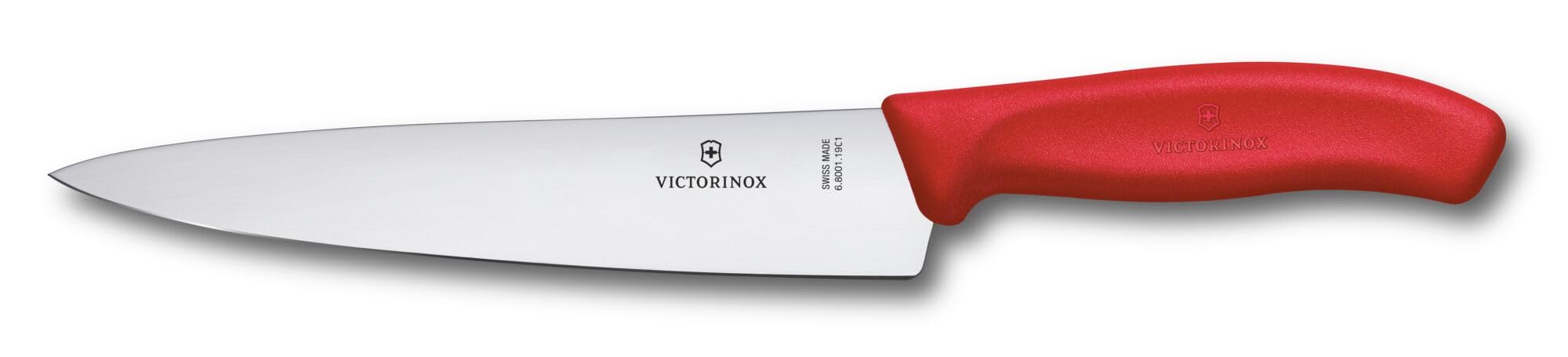
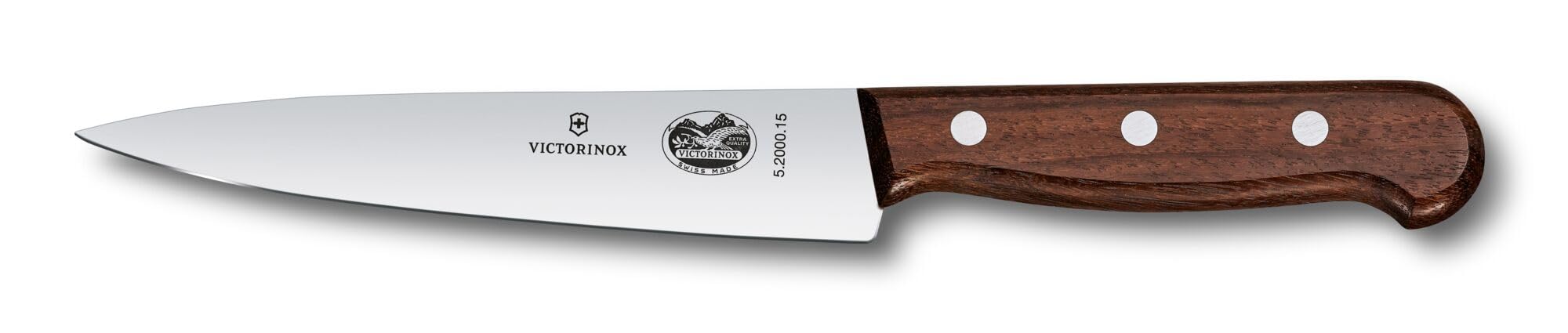


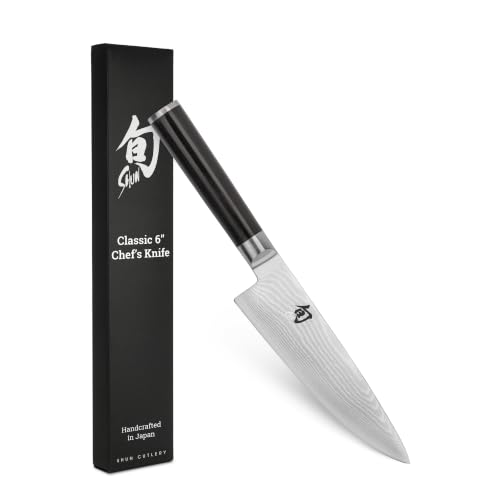


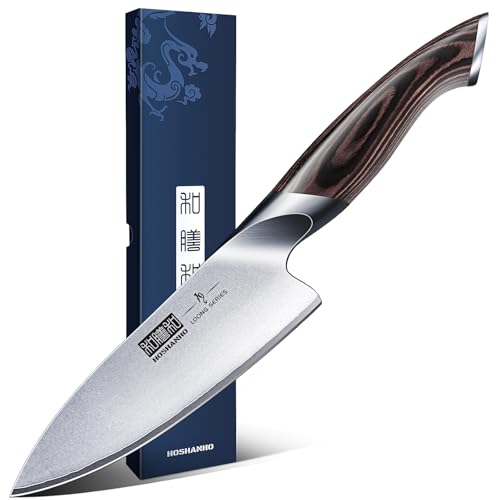
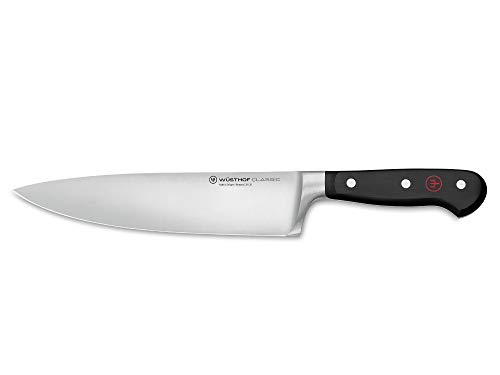
Quick Answer: What Fits Small Hands Best
For most small hands, a 6 inch or 7 inch blade paired with a slim, contoured handle is the easiest starting point. That pairing shortens the distance from grip to tip, keeps the balance point close to your hand, and reduces the wrist work needed during long prep sessions. An 8 inch blade can still work if the handle is narrow and the weight is low.
Grip matters more than any single spec. If your fingertips barely meet around the handle, or the butt pushes into your wrist, the knife will feel clumsy no matter how sharp it is. That is why the best chef knife for small hands is chosen by grip first and blade second.
Before You Buy: A Quick Checklist for Choosing a Chef Knife for Small Hands
Size: Match It to Your Space
Blade length changes both control and storage. A 6 inch blade handles herbs, fruit, cheese, and small vegetables with little tip drift, and it fits in compact drawers and small knife blocks common in apartments. A 7 inch blade adds reach for melons and large onions while staying easy to steer. An 8 inch blade suits cooks who break down whole chickens or slice large squash often. Blades of 9 inch and 10 inch demand more counter room and a longer stroke, so most small hands find them tiring.
Which Type Fits Your Routine
German style knives carry more weight and a thicker blade that tolerates bones, frozen squash rinds, and heavy board contact. Japanese style knives, including the gyuto shape, are usually lighter and thinner, so they glide through vegetables and boneless proteins with less push. Carbon steel takes a keen edge but needs prompt drying, while stainless steel forgives a wet board and a busy sink. Forged blades feel solid, and stamped blades feel lighter and cost less.
Features Worth It and Ones to Skip
A sheath is worth having if the knife will live in a drawer, because it guards the edge and your fingers when you reach in. Granton dimples along the blade can help sticky slices of potato or cucumber release instead of climbing the blade face. Skip oversized bolsters that eat into the pinch grip area, decorative handles with sharp ridges, and blade coatings that add cost without improving grip or balance.
Steel Type and Hardness
Hardness is listed as HRC, and it shapes how the edge behaves over time. Softer steel, around the mid 50s on that scale, dulls sooner but is quick to restore and less likely to chip if it twists in a dense vegetable. Harder steel, near the low 60s, holds a sharp edge through many prep sessions but needs a gentler technique and a suitable sharpening stone.
Blade Geometry: German vs Japanese
German blades usually have a pronounced curve along the edge, which suits a rocking motion across herbs and garlic. Japanese blades tend to be flatter, which suits straight up and down chopping and long draw cuts through fish or cooked meat. A thinner Japanese blade needs less hand pressure to start a cut, a real benefit when your grip is small. If you are weighing the broader category, our guide to the best chef knife explains how these shapes serve different cooking styles.
Handle, Bolster and Balance
Handle circumference is the measurement that decides comfort, even though listings rarely state it plainly. Look for a slim neck where the handle meets the blade and a gentle swell that fills the palm without forcing it open. A half bolster leaves room for a pinch grip and lets you sharpen the full edge, while a full bolster can crowd smaller fingers. Balance should sit at or just behind the pinch point, so the blade does not pull your wrist down.
Realistic Budget Ranges
Under $30, expect a stamped blade, basic stainless steel, and a simple molded handle that may feel blocky, so check handle photos closely. About $50 to $100 brings better handle shaping, more even balance, and steel that holds an edge longer between sharpenings. About $100 to $200 adds harder steel and finer blade geometry. Over $200, you pay mostly for craft and finish. Spending more only helps if it buys a slimmer grip and lower weight.
Types Compared: Three Styles That Suit Small Hands
Instead of chasing a single model, compare these three styles against your cooking habits and your kitchen setup.
Compact German Style for Heavy Daily Prep
This style pairs a 7 inch or 8 inch blade with a curved edge and a sturdy build. It suits homes that cook roasts, root vegetables, and winter squash often. Choose a version with a slim handle and a half bolster, because standard German handles run large. The added weight can tire a small hand, so weight is the main trade off here.
Light Japanese Style for Vegetable Focused Cooking
A gyuto in a shorter length gives you a light, thin blade that starts cuts with little pressure, which helps when your grip strength is limited. It shines with vegetables, herbs, boneless chicken, and fish. Our guide to the best japanese chef knife covers this family in more depth. The harder steel can chip on bones or frozen food, and many handles in this style are faceted, so confirm the shape feels smooth in a small palm.
Short Santoku Style for Small Kitchens
A santoku is usually shorter than a chef knife, with a flatter edge and a tip that points down toward the board. That compact shape suits small counters and cooks who rarely need a pointed tip. If you are torn between the two shapes, our comparison of chef knife vs santoku lays out where each one wins. The santoku gives up some rocking ability and reach, but for daily meals for one or two people, that loss rarely matters.
Our Selection Process for the Best Chef Knives for Small Hands
We judge candidate styles against five factors: steel and edge retention, balance and ergonomics for a shorter palm, sharpness as supplied by the maker, ease of maintenance, and value for the price tier. The inputs are maker specifications and patterns in verified buyer feedback about grip comfort.
Living With It: What Really Matters Day to Day
The first week with a well fitted knife feels different in small ways. Your pinch grip stays relaxed, the tip lands where you aim it, and your hand and wrist finish a family dinner less tired, which matters when you cook most nights.
Storage shapes daily ease too. A shorter blade fits a magnetic strip in a narrow kitchen, while a long blade may force awkward angles in a small block. Think about who else uses the knife, since a partner with larger hands may prefer a longer handle. Households often land on a mid size option both cooks can use, a point our guide to the best chef knife for home cooks explores for shared kitchens.
Safety deserves direct attention. A knife that fits your hand is less likely to roll or slip, but no fit replaces good habits. Keep your guide fingers curled, cut on a stable board, and never reach for a falling knife. Seek medical care promptly for a deep cut, a cut that will not stop bleeding, or any loss of feeling or movement in a finger. Those signs need professional treatment.
Common Buying Mistakes to Avoid
- Buying an 8 inch or longer blade by default, even though the tip feels hard to control and adds strain on every cut.
- Judging the handle from photos alone and ignoring circumference, so your fingers cannot close fully around the grip.
- Choosing the hardest steel available, then chipping the thin edge on bones, frozen food, or a glass board.
- Paying for patterned blades or extra coatings while skipping the sheath, stone, or storage your kitchen actually needs.
- Forgetting the other cooks in the house, and ending up with a knife only one person can use with comfort.
Cost of Ownership and Care
The purchase price is only part of what you will spend. Budget for a honing rod for regular alignment, a sharpening stone or a professional sharpening service a few times a year, and a sheath or strip for safe storage. Those extras usually add about $20 to $60. Our walkthrough of how to sharpen a chef knife shows the basic stone method step by step.
Daily care is simple. Wash the knife by hand in warm soapy water right after use, dry it at once, and store it where the edge cannot knock against other tools. Carbon steel needs that drying step every time to prevent rust spots. Keep the knife out of the dishwasher, since heat and rattling dull and damage both edge and handle.
Your Questions, Answered
How do you clean a chef knife without damaging the edge?
Wash it by hand with a soft sponge, warm water, and mild soap, moving the sponge from the spine toward the edge with care. Rinse, then dry the whole knife with a towel before it goes back into storage. Clean it right after cutting acidic foods like lemons or tomatoes, because acid left on the blade can stain carbon steel.
Is a chef knife worth it if you only cook simple meals?
Yes, if you cut produce, bread, cheese, or protein most days, because one well fitted knife replaces several dull specialty tools and makes basic prep faster and safer. If you mostly reheat prepared food and rarely use a board, a smaller utility knife may cover your needs.
How long does a chef knife last in a home kitchen?
A sound blade can last many years, often a decade or more, because each sharpening removes only a tiny amount of steel. Handles usually fail before blades do, through cracks or loose rivets. Storing the knife loose in a drawer also shortens its life, since edge knocks create chips that sharpening must remove.
What should I look for in a chef knife for small hands beyond blade length?
Check the weight, the handle material, and how the knife is sold with returns in mind. A lighter knife reduces fatigue, and a slightly textured handle surface helps when your hands are wet from rinsing produce. Also look at heel height, since a very tall blade can force an awkward knuckle angle on a small board.
How do I know if my grip on a chef knife is correct?
Your thumb and the side of your index finger should pinch the blade just ahead of the handle, with your remaining fingers wrapping the handle loosely. Guidance on how to use a chef knife shows the hand positions in detail. A useful home check is dicing an onion: if your wrist stays level and relaxed through the whole onion, your grip and the knife size are working together.
Final Thoughts
Fit comes before steel, brand, or looks. Start with a shorter blade, a slim handle you can close your fingers around, and a balance point near your pinch grip, then pick the style that matches what you cook most. Use the product table above to compare lengths, weights, and handle shapes side by side. When the fit is right, the best chef knife for small hands stops feeling like borrowed equipment and starts feeling like your own daily tool.