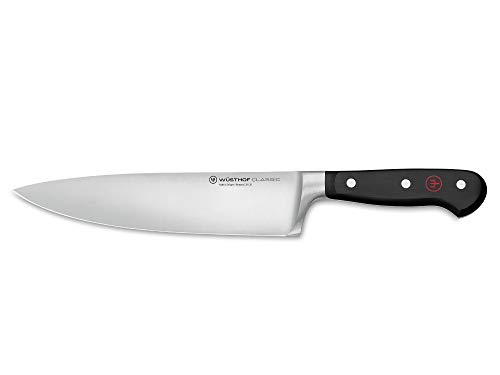
Best Chef Knife for Left Handed (2026): Symmetric Edge and Handle Fit
Disclosure: We may earn a commission when you buy through links on this page, at no extra cost to you. As an Amazon Associate I earn from qualifying purchases. Learn more

How to choose the best chef knife for left handed: a symmetric edge, an even handle and a blade you can control.
Picture a weeknight dinner in a busy family kitchen. You are the only left handed cook in the house, the onions are waiting, and the shared knife keeps drifting sideways through every slice, leaving wedges instead of even cuts. That drift is rarely your technique. It usually comes from a blade ground to favor a right hand. Choosing the best chef knife for left handed starts with edge symmetry and handle shape, not steel names or price tags.
This guide covers the checks that matter for a left handed grip, how blade size fits your space and household, and what each budget level buys. Every point is judged for the best chef knife for left handed cooks, not for a generic right handed grip. Use the comparison table below to line up the main styles.


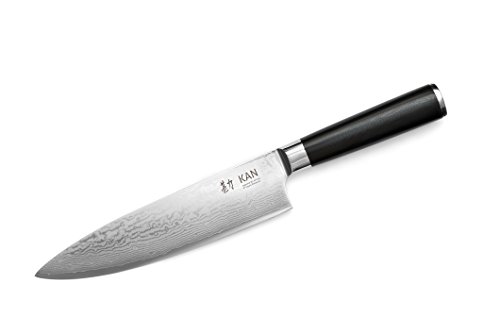
What Makes a Chef Knife Genuinely Friendly to Left Handed Cooks
Most chef knives look neutral, yet many hide a bias. A large share of blades are ground with more steel removed from the right side of the edge, often described as a 70/30 bevel. In a right hand that grind tracks straight. In your left hand it steers the cut away from you, so slices lean. A symmetric 50/50 double bevel behaves the same in either hand and is the safest starting point.
Handles carry bias too. The classic D shaped handle on many Japanese knives is sculpted for a right hand, and its flat side can dig into a left palm during long prep sessions. Oval and octagonal handles feel the same from either side. A full bolster can also crowd a left handed pinch grip, while a half bolster leaves room for your fingers near the blade.
Before You Buy: A Quick Checklist for Choosing a Chef Knife for Left Handed Cooks
Size: Match It to Your Space
An 8 inch blade is the standard for a reason. It is long enough to rock through herbs and slice a cabbage, yet short enough to control at home. If your counters are tight or you cook mostly for one or two people, a 6 inch or 7 inch blade feels nimble and stores easily. Bigger households that break down whole chickens may prefer 9 inch or 10 inch blades. Match the blade to your board, because a knife that overhangs it on both ends is awkward and unsafe.
Which Type Fits Your Routine
German style knives carry more weight, a pronounced belly for rocking, and softer steel that shrugs off bones and squash rinds. Japanese style knives, including the gyuto, run lighter and harder, with flatter profiles that suit push cutting. Carbon steel takes a very fine edge but reacts with acidic foods and needs drying after use. Stainless options forgive a busy routine where the knife may sit wet beside the sink.
Features Worth Paying For, and Ones to Skip
A fitted sheath is worth having if the knife will live in a drawer, since it protects both the edge and your fingers. Wood handles feel warm and grippy but need occasional oiling and should never soak. Skip decorative etching and gift packaging, which add cost without improving a cut. Also skip any model whose maker cannot state the bevel ratio, because that silence usually means the grind favors one hand.
Steel Type and Hardness
Hardness is listed as an HRC number, and it shapes how the edge behaves week after week. Softer German steels around 56 to 58 HRC rarely chip and respond well to a honing rod, but they dull sooner. Harder Japanese steels around 60 to 62 HRC hold a keen edge through many prep sessions, yet they can chip if you twist the blade in dense squash. The middle ground near 58 to 60 HRC balances edge life with forgiveness and sharpens easily on home stones.
Blade Geometry: German Versus Japanese
Geometry decides how the knife moves through food. A German profile curves upward toward the tip, so the blade rocks in a continuous arc and keeps contact with the board, which suits cooks who mince herbs with the tip raised. A Japanese gyuto profile is flatter along the edge, so more of the blade meets the board at once and each push cut finishes cleanly.
Handle, Bolster, and Balance
Hold the knife with a pinch grip, thumb and index finger on the blade just ahead of the handle, and notice where the weight settles. A knife balanced near that pinch point feels like an extension of your hand and tires your wrist less over a big batch of soup vegetables. Check that the handle fills your palm without forcing your fingers open, and that the butt end does not flare for a right hand only. A symmetric handle and edge keep the knife comfortable for right handed family members too.
Realistic Budget Ranges
Under about $30 you get stamped blades with basic handles, fine for a first apartment or a backup knife. Around $30 to $60 brings better edge symmetry and more comfortable grips. Between about $60 and $120, forged blades, harder steels, and well finished handles become common. From about $120 to $250 you pay for finer grinds and closer quality control rather than a dramatic jump in cutting ability.
Types Compared: Which Style Suits a Left Handed Cook
Compare the three broad types below against your routine. Each can serve you well when the grind is symmetric, and each fails when it is not. For a wider view, our guide to the best chef knife covers the general landscape, while readers drawn to lighter blades can explore the best japanese chef knife options in more depth.
The Symmetric German Style Workhorse
This type pairs a curved belly, a sturdy spine, and a full or half bolster with steel on the softer side. It suits households that cook hearty food, portion poultry, and want a knife that tolerates a honing rod and the occasional knock against a pan. Look for a maker that states a symmetric grind and an oval handle. The trade off is weight, so check the listed weight if your hands are small.
The Light Japanese Style Gyuto
A gyuto brings a flatter edge, a thin blade, and harder steel to the board, which rewards cooks who prep many vegetables and value clean, thin slices. For left handed use, the details decide everything. Choose an octagonal or oval handle rather than a D shaped one, and confirm the bevel is ground evenly on both sides, since many gyuto blades ship with a right biased grind.
The Simple Stamped Value Style
Stamped knives are cut from sheet steel, so they cost less and weigh less than forged ones. Modern versions with molded symmetric handles can be genuinely comfortable for left handed cooks, and they make a sensible shared knife for a household still building its kitchen. The edge needs honing more often, but for everyday chopping in a small kitchen the simplicity is a real advantage.
How to Judge a Chef Knife Before You Order
Start with the maker specifications and look for four facts: bevel ratio, handle shape, steel hardness, and blade length. A symmetric 50/50 bevel and an oval handle tick the two boxes that matter most for you. Then search verified buyer reviews for comments from left handed owners, who notice steering that right handed reviewers never feel. Finally, check the return policy, because trying the grip with real food tells you more than any photograph.
Living With It: Daily Use in a Real Home
Day to day, a symmetric knife changes small moments. You can guide a tomato slice with your left hand while your right hand steadies the fruit, and the blade tracks where you aim it. Food release improves as well, because an even grind leaves both blade faces equally smooth, so slices fall away instead of climbing one side. If you are deciding between two blade shapes, our chef knife vs santoku comparison explains where the shorter santoku profile helps and where the chef knife still wins.
A symmetric edge also makes the knife the most shareable one in the drawer, since nobody has to adjust their technique to its bias. That makes it a sensible single purchase for couples and families, which is the same reasoning behind our picks for the best chef knife for home cooks.
Common Buying Mistakes to Avoid
- Assuming every double bevel is symmetric, when many are ground 70/30 and will steer in a left hand.
- Choosing a D shaped handle because it looks traditional, then fighting the flat side through every long prep session.
- Buying a 10 inch blade for a small board, which leaves the tip hanging past the edge and invites accidents.
- Paying for a layered damascus finish while ignoring the core steel and grind that decide performance.
- Skipping the cost of a honing rod, a storage guard, and eventual sharpening when setting the budget.
Cost of Ownership and Care
The purchase price is only part of what a chef knife costs you. Budget for a honing rod with softer steel, or water stones or a sharpening service with harder steel, plus a guard or magnetic strip so the edge never rattles in a drawer. Use a wood or plastic board, since glass and stone surfaces dull any edge quickly, and hone lightly and often. When the edge needs real work, the steps in how to sharpen a chef knife show how to restore both bevels evenly.
Technique protects the edge too. A relaxed pinch grip, a claw shaped guide hand, and a board at counter height keep the blade moving straight and reduce the urge to twist it free from food. If your form feels rusty, the basics in how to use a chef knife are worth ten minutes.
FAQ
Can a left handed cook use a single bevel Japanese knife?
Only if it is ground for the left hand. Traditional single bevel knives come in right handed and left handed versions, and the flat side and hollow back must match your grip or the blade will pull to one side. For everyday home cooking, a symmetric double bevel gives the same clean cuts without that ordering headache.
How do you clean a chef knife without damaging it?
Wash the knife by hand in warm water with a small amount of dish soap, keeping the edge pointed away from your fingers, then dry it fully with a towel right away. Skip the dishwasher, where heat, detergent, and rattling racks can dull the edge and crack a wood handle. Carbon steel needs one extra habit: dry it the moment you finish, so acidic juices never stain it.
Is a chef knife worth it for a small home kitchen?
Yes, because one versatile knife replaces several dull specialty tools and makes daily prep faster and safer. A sharp, well balanced blade needs less downward force, so it is less likely to slip on an onion skin. In a small kitchen, an 8 inch blade on a wall mounted magnetic strip takes up less room than a knife block.
How long does a chef knife last?
A sound blade can serve for decades, because sharpening removes only a tiny amount of steel each time. Handles usually set the real limit. Molded synthetic handles can last the life of the blade, while wood handles may loosen or crack after years of soaking and heat. Retire the knife when the edge develops deep chips you cannot sharpen out, or when the handle no longer feels secure.
What should a left handed cook check first when a chef knife arrives?
Make one simple test cut before anything else. Slice a ripe tomato and then a firm potato, and watch whether the blade drifts toward or away from you. A truly symmetric grind tracks straight with almost no correction from your wrist. Also roll the handle in your palm and confirm no flat facet presses into one spot. Catching either problem during the return window saves years of quiet frustration.
Final Thoughts
For most households, the best chef knife for left handed cooks is an 8 inch blade with a symmetric 50/50 grind, an oval or octagonal handle, and steel near the middle of the hardness range. That combination cuts straight in your hand, welcomes right handed family members too, and asks little beyond regular honing. Look back at the product table above to compare the main styles against your space and budget.