Best Chef Knife for Everyday Use (2026): Fit, Steel and Daily Care
Disclosure: We may earn a commission when you buy through links on this page, at no extra cost to you. As an Amazon Associate I earn from qualifying purchases. Learn more

How to choose the best chef knife for everyday use: daily comfort, easy care and a blade that fits your board.
Dinner at home rarely follows a script. One night you are slicing onions and chicken for a stir fry, the next you are breaking down a squash and trimming herbs. The best chef knife for everyday use is the one you reach for through all of it without thinking, because it fits your counter space, your hands, and the way your household actually cooks.
This guide focuses on daily fit. You will match blade size to your kitchen, compare the main knife styles, and see what each budget level really buys. The comparison table below sums up the main paths.
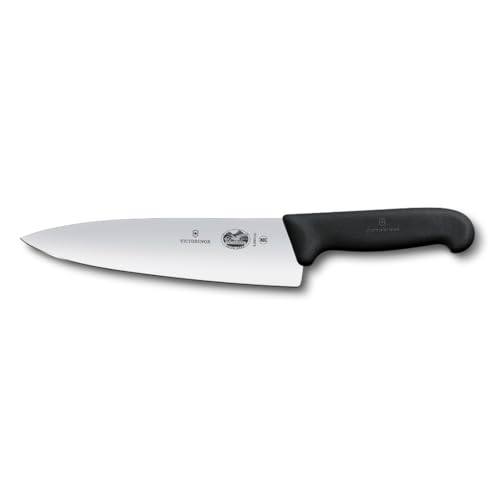
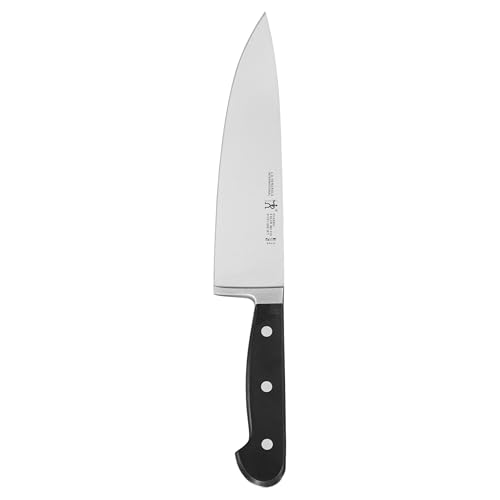
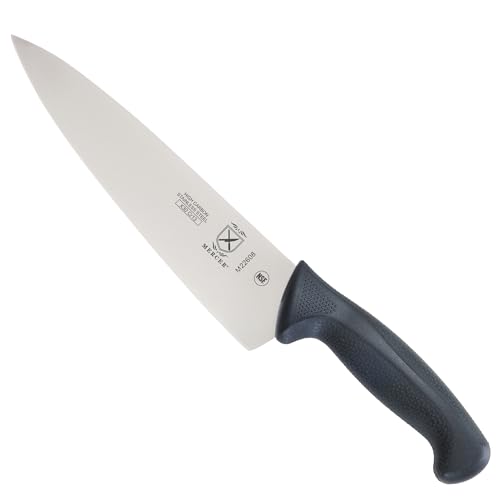
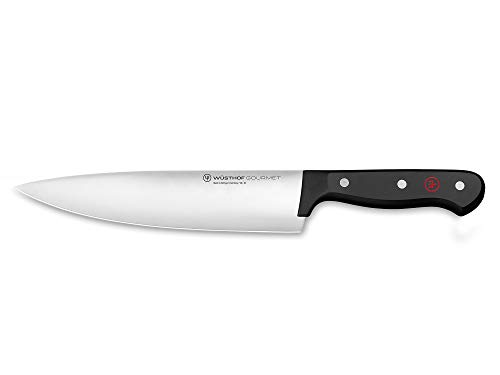


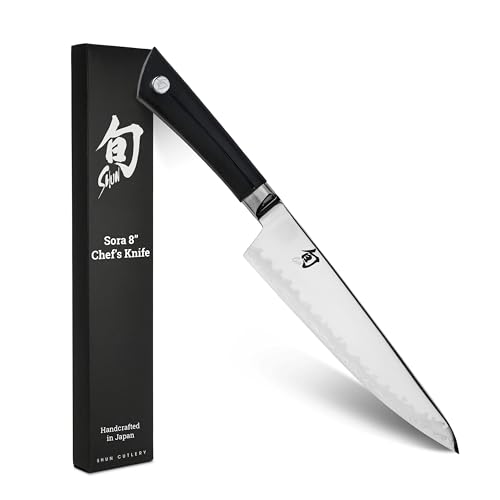

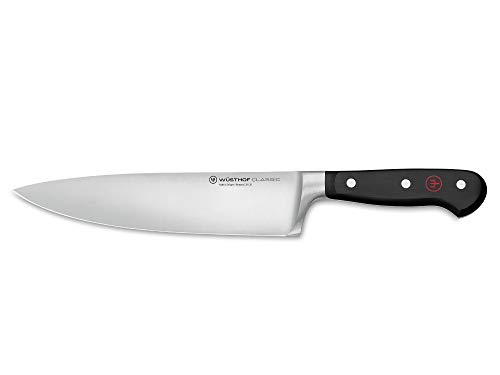
Quick Answer: Three Styles That Cover Most Homes
Most households land on one of three styles. A German style knife with a curved belly suits rocking cuts and dense vegetables. A Japanese style knife with a flatter, thinner blade suits push cuts and precise slicing. A forged stainless knife in the middle suits mixed cooking and easy care. Pick the style first, then size and budget.
Before You Buy: A Quick Checklist for Choosing a Chef Knife for Everyday Use
Size: Match It to Your Space
Blade length drives everything else. A 6 inch blade feels nimble in a small kitchen and suits smaller hands, but it can feel cramped on a whole chicken or a large melon. The 8 inch blade is the standard for a reason, since it covers most boards and tasks without crowding a modest counter. A 10 inch blade gives long strokes on big roasts and squash, yet it needs a larger board and more storage room. Japanese blades are often listed as 210 mm or 240 mm, close to the 8 inch and 9.5 inch marks. Measure your board and storage before you decide, because a blade with no safe home gets left loose and dulls fast.
Which Type Fits Your Routine
Forged knives are shaped from a single piece of steel and usually feel denser, with a bolster where the blade meets the handle. Stamped knives are cut from a sheet of steel, weigh less, and cost less, though they can feel less planted on hard produce. Stainless steel shrugs off water and acidic foods, so it suits busy homes. Carbon steel and high carbon blends take a very fine edge but can stain and need prompt drying. Damascus refers to layered steel with a visible pattern. It looks striking, yet the layers alone do not make a knife cut better, so judge it by the core steel and the blade shape.
Features Worth It (and Ones to Skip)
A fitted sheath or blade guard is worth having if the knife will live in a drawer, since it protects both the edge and your fingers. Dimples ground into the blade side, often called a granton edge, can help slices of potato or cucumber release instead of sticking. Wood handles feel warm and grippy but need more care than synthetic handles. What you can skip is a large matching block set bought mainly for looks. One good chef knife, a small paring knife, and a serrated bread knife cover nearly every home task, and the money saved buys a better main blade.
Steel Type and Hardness
Hardness is listed as HRC on the Rockwell scale, and it shapes how the edge behaves. Blades around 54 to 57 HRC are softer and tougher, so they resist chipping and sharpen quickly, but they need touch ups more often. Blades around 58 to 61 HRC hold a keen edge longer and suit cooks who slice a lot of produce. Very hard blades above that range can feel brittle on bones or frozen food and take more skill to sharpen. For most homes, the middle ground works best, since the knife stays sharp through the week and forgives the odd twist on the board.
Blade Geometry: German vs Japanese
German style blades carry a pronounced curve from tip to heel, which supports a rocking motion where the tip stays on the board while the heel lifts. That shape suits cooks who mince herbs and garlic in volume. Japanese style blades, including the gyuto shape, run flatter and thinner with a finer edge angle, which supports push cutting and clean slices through fish and ripe tomatoes. Neither shape is better in the abstract. Match the curve to the motion you already use.
Handle, Bolster and Balance
A chef knife should balance near the point where the blade meets the handle, so the blade does not drag your hand forward or pull it back. A full bolster adds weight and a finger rest, while a half bolster leaves the full heel usable and makes sharpening the heel easier. Round handles suit a relaxed grip, while shaped handles with flat sides guide your fingers into place. If several people will share the knife, favor a medium handle that no one finds bulky or cramped.
Realistic Budget Ranges
Under about $30, expect a stamped stainless blade that cuts well when sharp but needs frequent honing. Around $50 to $100 is where forged construction, better balance, and durable handles become common, and many home cooks never need to spend past this band. Around $100 to $200 buys harder steel and edges that stay keen longer. Above about $200, you are paying for craftsmanship and looks as much as cutting gains. Spend first on size and style, then steel.
Three Styles Compared: Which One Fits Your Kitchen
The German Style Workhorse
This is the sturdy, curved blade most Western cooks learn on. The thicker spine and softer steel shrug off dense squash, hard cheese rinds, and the odd encounter with a bone. It pairs well with a steel honing rod, since the edge responds to quick realignment between meals. Choose this style if your cooking leans hearty, if several people share the knife, or if you want one blade that forgives rough treatment. If you are also weighing a thinner blade for fine slicing, our guide to the best japanese chef knife covers that harder style in depth.
The Japanese Style Slicer
Japanese style chef knives run lighter and harder, with thin blades that glide through onions without wedging and leave clean cuts on herbs so they bruise less. The trade off is care. The harder edge can chip if you twist the blade to scoop food or pry at a lid, and it prefers a whetstone over a honing rod. Choose this style if you cook a lot of vegetables, fish, and boneless proteins, and if you enjoy a precise, quiet cutting feel.
The Easy Care Middle Path
Between the two sits the modern forged stainless knife with a moderate curve, medium hardness, and a synthetic handle. It does not lead any single category, but it asks the least of you. It tolerates a shared kitchen, sharpens on simple tools, and costs less to replace if a housemate mishandles it. For a broader look at the whole category, see our roundup of the best chef knife options for every kind of cook. This style is also the natural starting point for newer cooks, a group we cover in our guide to the best chef knife for home cooks.
How to Judge a Chef Knife Before You Order
When you shop for the best chef knife for everyday use, work through five checks in order. First, edge retention, meaning how the steel hardness and type fit your sharpening habits. Second, balance and comfort in a pinch grip, judged by handle shape and weight rather than looks. Third, sharpness out of the box. Fourth, maintenance, meaning whether the blade needs a whetstone, a rod, or only a pull through sharpener you own. Fifth, value across the whole cost of ownership, not just the sticker. Maker specs and patterns in verified buyer reviews tell you more than any single score.
Living With It: What Really Matters Day to Day
The first week teaches you more than the listing page. A knife that fits your board lets you finish prep without shifting things around mid task. A handle that stays secure with wet hands matters more than a polished finish. Storage shapes edge life too. A magnetic strip or an in drawer tray keeps the edge off other tools, while a loose drawer dulls any blade quickly. If your household splits cooking duties, agree on one simple rule, hand wash and dry after use, and the knife will reward you for years.
Common Buying Mistakes to Avoid
- Buying a 10 inch blade for a small board, so the tip runs off the edge and prep feels crowded and unsafe.
- Choosing the hardest steel available when you only own a basic sharpener, so the edge dulls and never comes back.
- Paying for a large block set when one good chef knife would serve better, leaving less budget for the daily blade.
- Ignoring who else will use the knife, so a handle picked for one hand frustrates everyone else.
- Storing the knife loose in a drawer, which chips and dulls the edge fast.
Cost of Ownership and Care
The purchase price is only the start. Budget for a honing rod or a simple whetstone, a blade guard or storage tray, and a board that is kind to edges, such as wood or soft plastic. Glass and stone boards dull edges fast, so keep the knife off them. Hone lightly every few uses to realign the edge, and sharpen fully when honing stops restoring bite. Our step by step guide on how to sharpen a chef knife walks through the process with basic tools. Cutting technique protects the edge too, and our primer on how to use a chef knife covers grip and motion for new owners. One caution belongs here: never use a damaged knife to force through frozen food or bone, and keep blades stored out of reach of children.
FAQ
What is the most reliable chef knife style for a shared household?
The mid hardness forged stainless style is usually the most reliable choice for a shared kitchen. Its edge tolerates different cutting habits, it sharpens on basic tools, and it does not stain when someone forgets to dry it right away. Reliability here is less about a single maker and more about fitting the least careful user in the house.
How do you clean a chef knife properly?
Wash the blade by hand in warm water with a small amount of dish soap, keeping the edge facing away from your fingers. Rinse, then dry the full blade and handle right away, including the area near the bolster where water hides. Skip the dishwasher, since heat, detergent, and rattling can dull the edge and loosen or crack the handle over time.
Is one good chef knife worth it for everyday cooking?
Yes, if you cook most days. A single well fitted chef knife handles the bulk of prep, from onions to chicken to herbs, so it earns its cost every week. The worth shows up as faster prep and cleaner cuts. If you cook only once or twice a week, a modest forged knife still makes sense, but the premium steel tiers matter less.
How long does a chef knife last in home use?
A quality forged chef knife can serve a home kitchen for decades, because the blade has enough steel to survive years of sharpening. Stamped budget blades often stay useful for several years before the edge or handle gives out. A knife stored dry, used on wood or plastic, and honed regularly will outlast a neglected premium blade.
Should a chef knife or a santoku be the main knife at home?
A chef knife has a curved belly and a pointed tip, which suits rocking cuts and piercing tasks like trimming meat. A santoku is shorter and flatter, which suits push cuts and scooping chopped food. Either can anchor a home kitchen, so choose by the motion you use most. Our comparison of chef knife vs santoku breaks down the shapes side by side.
Final Thoughts
The right daily knife is a fit decision, not a trophy. Match the blade length to your board, pick the style that suits your cutting motion, and choose steel that matches the sharpening tools you own. Do that, and the best chef knife for everyday use becomes the quiet constant of your kitchen, ready for weeknight onions and weekend roasts alike. Use the product table above to compare your finalists before you order.