
Best Cheese Grater for Your Home: A Quick Checklist and Buying Guide for 2026
Disclosure: We may earn a commission when you buy through links on this page, at no extra cost to you. As an Amazon Associate I earn from qualifying purchases. Learn more

Pick the best cheese grater for your home with a clear checklist on types, materials, cleaning, storage and budget for daily cooking.
It is taco night, the pan is already hot, and you are holding a block of cheddar over a grater that wobbles, clogs, and takes up half a drawer. Choosing a best cheese grater for your home comes down to how many people you cook for, how much storage you have, and how often you actually grate. This guide helps you match the right type to your routine and budget.
You will find a clear checklist on types, blade styles, materials, cleaning, and storage, plus simple buying profiles for different households. Start with the comparison table below to see the main options side by side, then use the sections that follow to narrow your choice with confidence.


Quick Answer: Choose the Right Type in Under a Minute
If you grate cheese most weeks, a box grater is usually the most versatile starting point because its several sides handle shredding, slicing, and fine grating in one tool. If you grate only small amounts for garnish, a flat handheld grater or a rasp style grater takes up far less room. If hard cheese is your main job, a rotary design gives you leverage with less hand strain.
- Box grater: best for families and varied tasks, but it needs the most storage space.
- Rotary grater: good for hard cheese at the table and for cooks who want the food kept away from their knuckles.
- Flat or handheld grater: slim, easy to store, and fine for small jobs and occasional use.
- Rasp style grater: made for fine shavings of hard cheese, citrus zest, garlic, and spices.
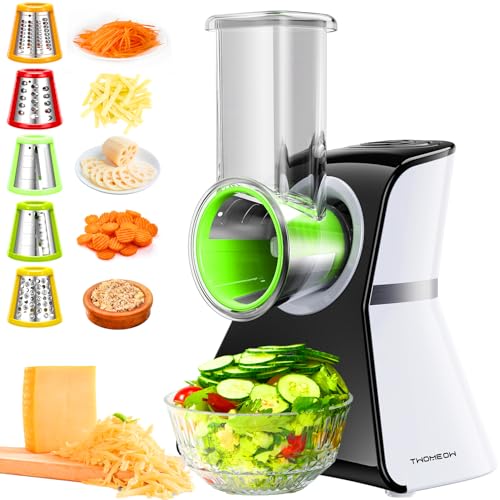
- Electric grater: helpful for very large batches, but it costs more and needs counter or cabinet space.
Before You Buy: A Quick Checklist for Choosing a Cheese Grater
A grater looks simple, yet small details decide whether it feels easy on a busy weeknight or frustrating every time you use it. Work through the points below in order, and your answers will point to one or two types.
Which Type Fits Your Routine
Think first about the cheese you grate most often and the volume you need. Soft and medium cheeses such as mozzarella and cheddar shred best on the larger holes of a box or flat grater, and chilling the block briefly helps it hold its shape. Hard cheeses need finer teeth and more pressure, which is why many cooks start by reading about the best rotary cheese grater style for table service and steady, controlled shavings.
Volume matters just as much as cheese type. Grating a small handful for two omelets is a one minute job with a handheld tool, while grating for a large lasagna or a party cheese board rewards a stable box design or a powered option.
Features Worth Paying For and Ones to Skip
The features that earn their keep are a comfortable handle, a base that grips the board or counter, and a shape you can hold steady with one hand while the other hand does the work. A detachable container that catches shreds can also help in a small kitchen, since it cuts down on mess and lets you measure as you go. Multiple grating surfaces matter only when you will truly use them, so match the sides to recipes you already make.
Features you can usually skip include large sets of extra attachments, novelty shapes, and storage cases that add bulk without improving the grating itself. Spend instead on sharp, well formed teeth and solid construction, because those decide the result in the bowl.
Materials and Food Safety
Stainless steel is the most common material for grating surfaces because it resists rust, holds an edge well, and does not react with acidic foods such as citrus or tomatoes. Look for a frame and handle that feel rigid when you press on them, since flex in the body wastes your effort and can make the tool skate across the board. Plastic parts should feel dense and smooth, with no sharp seams where your fingers rest.
For food safety, choose a grater that you can clean fully, with no closed pockets where cheese can lodge and spoil. Check the product details for food contact information and care instructions from the maker before you buy. If a coating is present, confirm how it should be washed, since a damaged coating is a reason to replace the tool.
Dishwasher Safe or Hand Wash
Many graters can go in the dishwasher, but that convenience comes with trade offs worth knowing. Dishwasher detergent and rattling against other items can dull fine teeth over time, and tall box graters take up a full section of the rack. Hand washing right after use is often faster anyway, because fresh cheese rinses off easily while dried cheese clings hard.
Realistic Budget Ranges
Simple flat and handheld graters often cost under $10, and that can be plenty if you grate small amounts now and then. The middle range, about $10 to $25, is where most households land, with sturdier box and rotary designs, better handles, and thicker steel. Paying about $25 to $50 usually buys heavier construction, a catch container, or a powered design, and it makes sense mainly when you grate often or in large amounts.
Three Buying Profiles and What to Prioritise
Instead of chasing a single winner, match the grater to the way your household cooks. The three profiles below cover most homes. Read the one that sounds like you, note its priorities, and use them as your shortlist criteria when you compare options in the product table.
The Profile for Most Homes
Your household cooks several nights a week, grates cheddar and mozzarella for everyday meals, and wants one tool that handles almost everything. Prioritise a box grater with at least three useful surfaces, a handle you can grip with a towel or wet hands, and a base that stays put on a board. Storage should still be part of the decision, so measure the drawer or cabinet where it will live before you order.
The Profile for Small Budgets and Occasional Use
You grate cheese a few times a month, mostly small amounts for pasta, salads, or baked potatoes, and you would rather spend less and store less. A flat or compact handheld grater suits this profile well, since it slides into a drawer and rinses clean in seconds. Prioritise sharp teeth and a handle that keeps your fingers clear over extra surfaces you will rarely touch. At this level, simple and sharp beats large and dull every time.
The Profile for Frequent Use and Long Term Value
You cook in batches, make sauces and casseroles that call for mounds of grated cheese, or serve hard cheese at the table often. Prioritise thick steel, strong joints between the handle and body, and a design that gives you leverage so your wrist does less work. For cooks who grate hard cheese daily, the guidance in our page on the best cheese grater for parmesan goes deeper on fine teeth and steady pressure.
How to Evaluate a Grater Before You Order
Since you cannot pick up most graters before buying, judge them by criteria you can check from product details and buyer feedback. Ease of use shows up in comments about grip, stability, and how much force a tool needs. Durability shows up in reports of bent sides, loose handles, or teeth that flattened quickly.
Cleaning and design deserve the same attention. Look for open shapes that a brush can reach, and be wary of seams and hollow handles that trap water. Value is not the lowest price but the lowest cost for a tool that lasts, so weigh construction against how often you will use it. When details conflict, trust the manufacturer specifications over seller claims.
Choosing by Household Size and Kitchen Space
A single cook or a couple in a small apartment usually does best with one slim tool that earns its drawer space every week. A flat grater plus a small rasp style grater can cover both shreds for eggs and fine shavings for pasta without crowding the kitchen. If counter space is tight, avoid powered designs and wide containers that demand a permanent home.
Families of four or more tend to grate larger amounts at once, so stability and capacity matter more than slim storage. A box grater that stands firmly and a handle design you can hold during longer sessions will save time and sore hands. Our guide to the best cheese grater with handle is a useful next read if grip comfort is your main concern, since handle shape changes how much pressure you can apply safely.
Frequent hosts and batch cooks may find that a second specialised tool makes sense, with a rasp style grater for finishing dishes and a larger tool for prep work. Whichever size you choose, learning how to use a cheese grater with the right motion and a guard for your fingers will improve results more than any upgrade.
Common Mistakes to Avoid
- Buying a large box grater without measuring your drawer, so the tool ends up stored on the counter and in the way.
- Choosing the finest surface for soft cheese, which clogs the teeth and turns the cheese into paste instead of shreds.
- Pressing harder to fix slow grating, when dull teeth are the real problem and extra force only raises the risk of scraped knuckles.
- Paying for many attachments you will never use, while ignoring handle comfort that affects every single use.
- Leaving a wet grater to air dry in a crowded drawer, which invites rust spots and dulls the edges over time.
Cost of Ownership and Care
A manual grater has almost no running cost, which is part of its appeal. There are no filters, pads, or parts to reorder, and a powered design adds only a small amount of electricity for short sessions. The real cost over time is replacement when teeth dull or a handle loosens, so a sturdier tool bought once usually costs less than a flimsy tool bought twice.
Day to day care is simple. Wash the grater soon after use, brush along the direction of the teeth rather than against them, and dry it fully before storing. Our walkthrough on how to clean a cheese grater covers stubborn residue in more detail, including how to clear clogged holes safely. Store the grater where its edges will not bang against heavy pans, and keep it out of reach of small children, since the teeth stay sharp even when the tool is not in use.
Your Questions, Answered
What is the most reliable cheese grater brand?
Reliability in a grater depends more on construction than on any single brand name. Look for thick stainless steel, teeth that are punched and raised cleanly, and a handle joined to the body with no wobble when you twist it gently. A useful extra check is the warranty and the ease of reaching the maker for support, since brands that stand behind a simple tool tend to build it carefully in the first place.
How do you clean a cheese grater?
You clean a cheese grater best by rinsing it right after use and brushing from the smooth side so residue lifts out of the holes. Warm water and a stiff brush handle most cheese, and a soak of a few minutes loosens anything dried on. One point many cooks miss is grating a small piece of raw potato or a crust of bread first, which can push soft cheese out of clogged holes before you wash.
Is a cheese grater worth it?
A cheese grater is worth it if you buy block cheese even a few times a month, because freshly grated cheese melts more smoothly than bagged shreds. Block cheese also tends to cost less per ounce and keeps its flavour longer in the fridge. The tool pays for itself quickly at the under $10 and about $10 to $25 levels, especially when one grater replaces several single task gadgets in your drawer.
How long does a cheese grater last?
A well made cheese grater can last many years of regular home use before the teeth lose their bite. Life span depends on how often you grate hard cheese, whether the tool is washed and dried promptly, and whether it knocks around loose in a drawer. A practical sign that replacement time has come is needing much more pressure than you used to for the same cheese, since dull teeth tear rather than cut.
What is the best cheese grater?
The best one for you is the type that matches your most common job, your storage space, and your budget. A family that shreds cheddar weekly will be happiest with a stable box design, while a cook who finishes pasta with hard cheese needs only a fine rasp style tool. Before you order, picture your last ten times grating and choose for that real pattern, not for recipes you rarely make.
Final Thoughts
The right grater makes a small daily job feel effortless, and the wrong one makes you avoid block cheese altogether. Match the type to your routine, spend on sharp steel and a handle you can hold with confidence, and keep storage and cleaning in the decision from the start. Use the product table above to compare your shortlist, then choose the best cheese grater profile that fits your home, your household size, and your budget.


