
Best Chinese Chopsticks: How to Choose a Pair for 2026
Disclosure: We may earn a commission when you buy through links on this page, at no extra cost to you. As an Amazon Associate I earn from qualifying purchases. Learn more

Learn how chopstick length, tip shape, material, and finish affect grip and control, so you can pick a pair that suits your hand and cooking style.
Chopsticks look simple, yet length, tip shape, and material change how easily food is gripped and how comfortable a long meal feels. Best chinese chopsticks suit the hand, the food, and the setting, from short everyday pairs to longer cooking pairs that keep hands away from heat. The comparison table below gives a quick overview, while this guide explains how to compare the options.
Chinese chopsticks are usually longer and squarer than other styles, with blunt tips that suit shared dishes and scooping food. That shape works well for noodles, dumplings, and family style meals, but the right length still depends on hand size and use. This guide covers materials, shapes, and care without fuss.


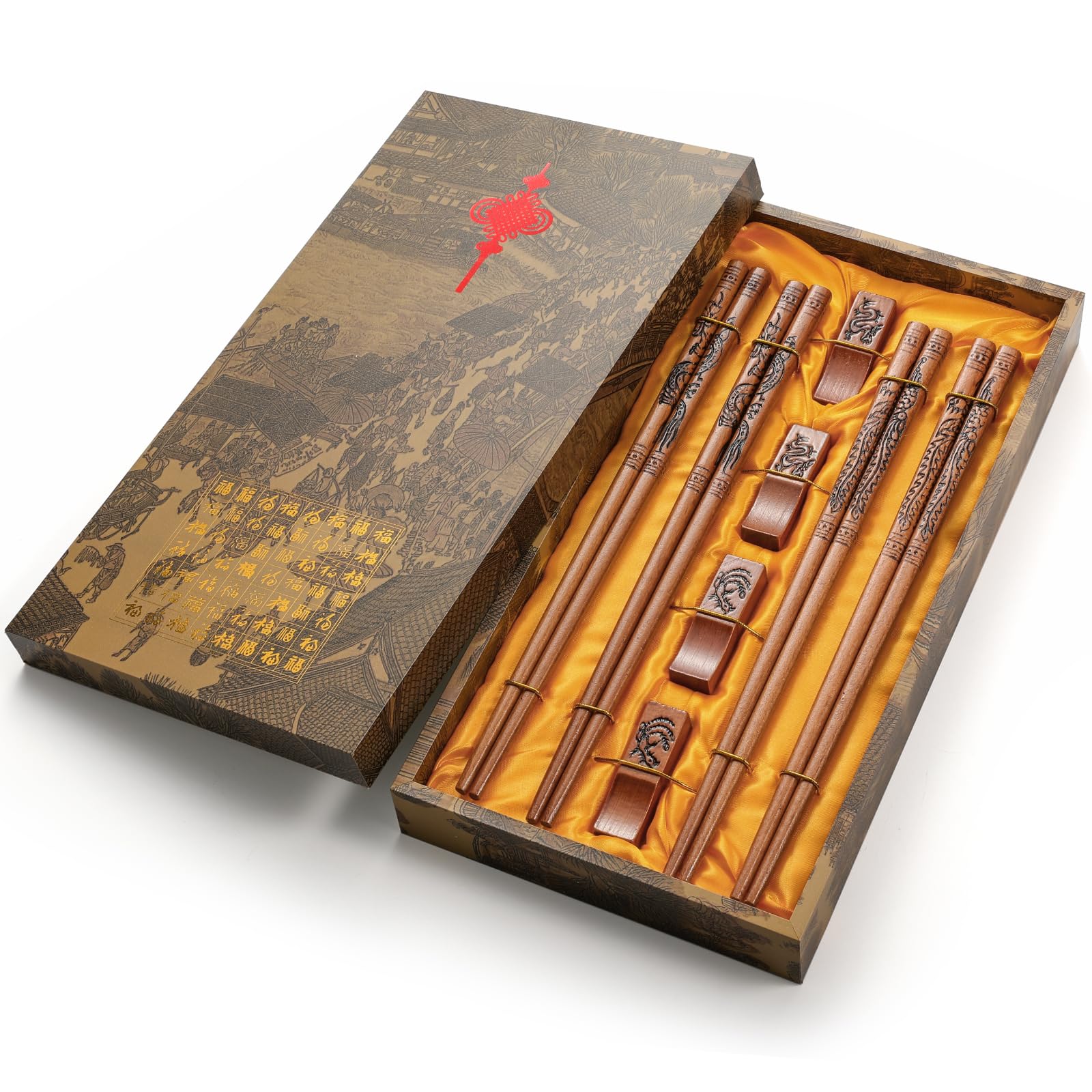

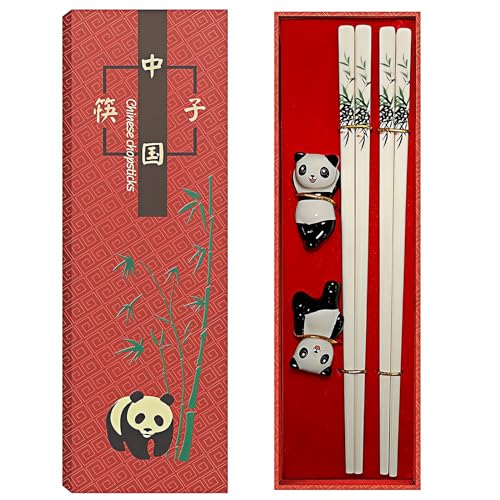


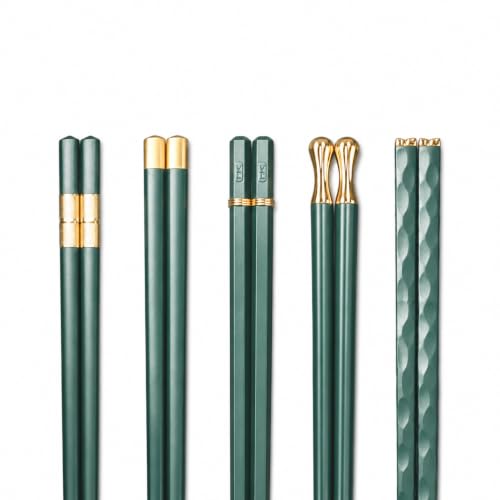


Who Should Buy Which Length
Most adults suit chopsticks around nine to ten inches long for table use, since that length balances reach and control. Smaller hands and children suit shorter pairs, while longer pairs around twelve to sixteen inches suit cooking, stirring, and serving from deep pots. If chopsticks feel clumsy or slip often, length is usually the first thing to change.
Consider the setting too. Everyday home pairs can be simple and replaceable, while gift or formal pairs may use lacquered wood or fine bamboo with a nicer finish. Keep cooking pairs separate from table pairs, since cooking pairs face heat and oil that would damage a fine finish quickly.
Key Features Worth Comparing
Material and Feel
Bamboo is light, warm to hold, and affordable, and it suits daily use well. Wood offers a wider range of finishes and weights, from plain beech to lacquered hardwood, while melamine is durable and easy to clean but can feel slippery. Metal chopsticks last for years and suit hot pots, yet they feel heavier and can be slippery with smooth foods.
Weight and balance matter during long meals. A pair that feels heavy at the back tires the hand, while a very light pair can feel flimsy for dense foods. Hold the pair as you would at a table, and check that the tips meet neatly, since uneven tips make gripping small foods frustrating.
Tip Shape and Cross Section
Chinese chopsticks usually have blunt, square or rounded square tips, which grip noodles and dumplings well and suit scooping from shared plates. Tapered pointed tips, common in other styles, suit picking up small delicate items but feel different in the hand. For Chinese meals, the blunt square tip is the natural default.
The cross section affects grip. Square bodies resist rolling on the table and give a steady grip, while round bodies feel smoother but roll more easily. Textured or grooved tips add grip for slippery foods, and they are worth seeking if noodles often slide off plain tips.
Finish and Care
Finish decides both looks and maintenance. Unfinished bamboo and wood need hand washing and thorough drying, while lacquered pairs resist stains but can chip with rough use. Melamine and metal pairs often go in a dishwasher, which suits busy households, but always check the maker guidance first.
Avoid pairs with flaking lacquer or cracked wood, since damaged finishes trap food and bacteria. Store chopsticks dry and upright, and replace pairs that warp, splinter, or lose their finish, since damaged chopsticks are unpleasant to use and hard to clean properly.
Types Compared for Table and Kitchen
Table chopsticks prioritize comfort and looks, with lengths that suit the hand and finishes that feel pleasant. Cooking chopsticks prioritize length and heat resistance, keeping hands clear of steam and oil while stirring and turning food. Serving chopsticks sit between the two, longer than table pairs and sturdier than fine pairs, and they suit shared dishes well.
For more on materials and reusable options, see best quality chopsticks, best material for chopsticks, and best reusable chopsticks. These guides look at durability, grip, and care, so you can match the pair to daily use or special meals.
Practical Checks Before You Buy
Before ordering, check the length, material, and care guidance, and confirm whether the pair is sold singly or as a set. If buying for a family, order a few spare pairs, since chopsticks get lost and damaged more often than other cutlery. A simple storage case keeps pairs clean for travel and picnics.
Try the grip with real food if possible, starting with noodles and dumplings, since those reveal slipping tips quickly. A pair that feels natural after a full meal is the right pair, whatever the price or material, and comfort over time matters more than decoration.
Chopstick Skills for Everyday Meals
Chopstick skill grows with relaxed practice, not with force. Hold the lower stick steady against the ring finger, move only the upper stick with thumb and forefinger, and practice with larger foods before moving to small slippery items. Short daily practice during real meals teaches faster than occasional drills, since the hand learns through eating. Patience matters, and clumsiness fades within weeks of regular use.
Foods to practice with include dumplings, noodles, and firm vegetables, since those reward good grip without frustration. Start with dumplings, which are large and forgiving, then try noodles, which need a rolling lift rather than a pinch. Rice takes more practice, since individual grains slip, and scooping rice with the bowl held close is perfectly proper in Chinese dining.
Table manners add confidence when eating with others. Avoid pointing with chopsticks, sticking them upright in rice, or passing food directly from stick to stick, since those gestures carry meanings best avoided. Rest chopsticks on a holder or across a small dish between bites, and use serving chopsticks for shared dishes when they are provided.
Children learn chopsticks happily with short training pairs or with a simple band that holds the sticks in position. Let children practice with large soft foods, praise progress, and keep meals relaxed, since pressure makes small hands tense and clumsy. A child sized pair in a fun color often motivates more than a formal lesson.
Travel pairs deserve a place in any chopstick collection. A slim case with a reusable pair suits picnics, office lunches, and restaurants that offer only disposable sticks. Wash travel pairs promptly after use, dry them fully, and keep the case clean, since a travel pair that is always ready gets used often and reduces waste.
A small chopstick rest keeps the table tidy and the sticks clean between bites. Choose a simple ceramic or wooden rest that suits the tableware, and place it to the right of the bowl for easy reach. Rests cost little, yet they signal care and keep lacquered tips off the table surface during long meals.
Frequently Asked Questions
What length chopsticks should I buy?
Most adults should buy table chopsticks around nine to ten inches long, since that length balances reach and control for shared dishes and noodles. Smaller hands and children suit shorter pairs, while cooking pairs of twelve to sixteen inches keep hands clear of heat. If chopsticks feel clumsy, try a different length before blaming technique.
Are bamboo chopsticks better than metal ones?
Bamboo chopsticks are lighter, warmer to hold, and gentler on bowls, which suits daily home meals well. Metal chopsticks last longer and suit hot pots, but they feel heavier and can slip on smooth foods. Neither material is better in every case, so choose bamboo for comfort and metal for durability and heat resistance.
Why are Chinese chopsticks longer than other styles?
Chinese chopsticks are longer because they suit shared family style meals, where diners reach across a table to shared dishes. The extra length gives reach without standing, and the blunt square tip grips noodles and dumplings well. Other styles evolved for different meals, such as single portion dishes or raw fish, where shorter tapered tips suit better.
How do I stop food slipping off chopsticks?
Food slips less when tips meet neatly and have a slight texture, so check tip alignment before buying and look for grooved tips if noodles slide often. Grip the pair closer to the tips for small foods, and practice with larger items before moving to peas and rice. Replacing worn smooth pairs also helps, since old lacquer loses grip over time.
Can chopsticks go in the dishwasher?
Some melamine and metal chopsticks can go in a dishwasher, but bamboo, wood, and lacquered pairs usually need hand washing and thorough drying. Always check the maker guidance, since heat and long soaking can warp wood and crack lacquer. Hand wash fine pairs promptly, dry them fully, and store them upright to keep them in good shape.
Final Thoughts
The best pair is the one that fits the hand, grips the food you eat most, and survives the care routine you actually follow. Compare length and material first, then tip shape and finish, and try the pair with a real meal before settling. The product table above recaps the main options, but comfort in the hand remains the deciding test.
Choosing best chinese chopsticks well turns every meal into an easier pleasure. Keep table pairs and cooking pairs separate, replace worn pairs promptly, and enjoy the difference a well matched pair makes.


