
Best Cheese Knife Sets: Blades, Handles and Care for 2026
Disclosure: We may earn a commission when you buy through links on this page, at no extra cost to you. As an Amazon Associate I earn from qualifying purchases. Learn more

Compare the best cheese knife sets by blade shape, steel, handle grip and storage, so soft and hard cheeses slice cleanly on your board.
A good cheese board needs more than one knife, because a creamy brie, a crumbly blue and an aged wheel each cut differently. The best cheese knife sets pair each blade with a cheese texture, so slices come away clean instead of sticking, crumbling or tearing. This guide explains the blade shapes, what each set includes and what to look for in handles, steel and storage.
The comparison table below gives a quick overview of the main set types, and the sections after it help you match a set to the cheeses you serve.



Why Cheese Needs Different Knives
Soft cheese clings to a plain blade and smears. Hard cheese needs pressure and a sturdy edge that will not flex. Semi hard cheese sits in the middle and slices well with a thin, sharp blade. A set built for cheese solves each problem with a different tool, which is why a general kitchen knife often disappoints on a board.
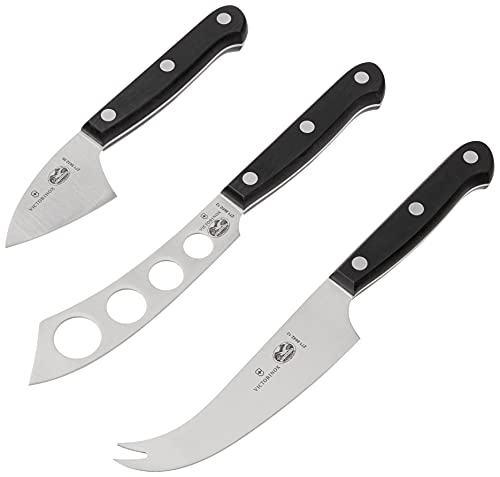
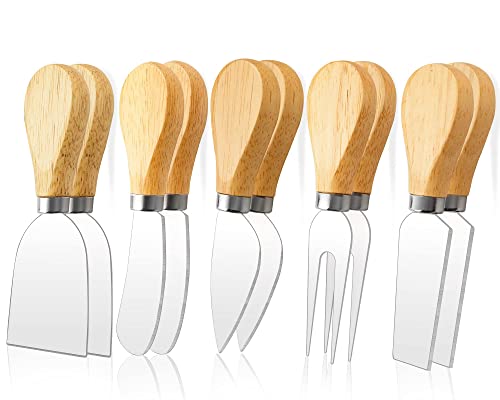
Most sets include three to six pieces. Common pieces are a soft cheese knife with holes in the blade, a narrow spreader, a flat knife for semi hard cheese, a short thick knife or cleaver for hard wedges, and a two pronged fork for serving. Some sets add a cheese plane, which shaves thin even slices from a firm block.
Knife Types and What They Cut
Soft Cheese Knives With Holes
Holes or cutouts in the blade reduce contact with the cheese, so brie, camembert and fresh cheese release cleanly. The blade is usually narrow and the tip is often forked for lifting slices.
Flat Knives for Semi Hard Cheese
A thin flat blade glides through cheddar, gouda or havarti. A small notch or fork tip often lets you lift a slice straight to a cracker.
Hard Cheese Knives and Cleavers
Short, thick, sometimes double handled blades handle parmesan and aged cheese. They work by breaking a block into chunks rather than slicing, so the handle needs a firm grip.
Spreaders and Forks
A blunt spreader smooths soft cheese onto bread, and a fork lifts cubes and olives. If you serve many soft cheeses, our guide to the best cheese spreaders covers those tools in more depth.
Cheese Planes
A plane shaves thin, even slices from semi hard cheese. It is a handy addition for sandwiches and boards, though it will not cut soft or crumbly cheese.
Types of Sets Compared
| Type | Best For | Typical Price |
|---|---|---|
| Small knife set (3 to 4 pieces) | occasional boards and gifts | about $10 to $30 |
| Full set with fork, spreader and plane | hosts who serve several cheese styles | about $20 to $60 |
| Set with board or storage block | serving and storing in one piece | about $25 to $100 |
Small sets suit a couple who serves a board a few times a year. Fuller sets suit hosts who change cheeses often. Sets that arrive on a board or in a case suit gifts, since they are ready to use and keep the blades together. For board options on their own, see the best cheese board sets guide.
Features to Check
- Blade steel. Stainless steel resists stains and rust, and thicker steel feels sturdier on hard cheese.
- Blade shape. Holes for soft cheese, flat edge for semi hard, thick blade for hard wedges.
- Handle grip. A handle that stays secure when hands are damp makes pressing through a block easier.
- Weight and balance. Even weight gives control, and a blade heavy set feels clumsy.
- Storage. A case, bag or board slot protects edges and keeps pieces together.
- Care needs. Wood handles usually need hand washing, while all steel sets can often go in the dishwasher.
Handles and Materials
Wood and bamboo handles add warmth and suit rustic boards, but they should be washed by hand and dried quickly. Resin and pakkawood handles resist moisture better. Steel handles are the easiest to clean and often match the blade for a clean modern look. A solid join between blade and handle matters more than the handle material, since a loose join can wobble while you cut a firm wedge.
How Many Pieces Do You Need
If you mostly serve two or three cheeses, a three or four piece set covers soft, semi hard and a spreader. If you serve a wide range, add a hard cheese knife and a plane. More pieces are only useful if each one does a different job, so avoid sets that repeat the same blade several times just to pad the count.
Common Mistakes to Avoid
- Buying a set heavy on spreaders when you serve mostly hard cheese.
- Choosing very thin steel that bends on a firm wedge.
- Putting wood handled knives in the dishwasher.
- Ignoring storage, so blades knock together in a drawer and dull.
- Paying extra for a decorative board you do not need.
What Your Money Gets
The best cheese knife sets are not always the most expensive. At the low end, sets of four to six pieces cover the basics with simple steel and handles. In the middle, you gain sturdier blades, better balance and a case or board. Higher priced sets from established cutlery makers add finer steel and finish and make good gifts. Compare the same core features at every price, and spend more only where you will use the difference.
Frequently Asked Questions
Why do cheese knives have holes in the blade?
Holes reduce the surface touching soft cheese, so slices release cleanly instead of sticking and tearing. Hard cheese needs a different blade shape, so a set with varied blades covers more textures.
Which knives do I need for soft cheese?
A narrow blade with holes or a thin wire style cutter, plus a small fork to move slices. Keep the blade clean between cuts.
What works best for hard cheese?
A short thick blade or cleaver style knife with a sturdy handle. Cut smaller pieces from the edge rather than forcing one long cut through a wheel.
How should I clean cheese knives?
Hand wash with warm soapy water, dry right away and store blades so they do not knock against other tools. Avoid long soaking, which can loosen handles.
Is a full set better than one good knife?
A full set suits hosts who serve several cheese types. One good knife suits people who mainly serve one style. Start with the cheese you serve most.
Final Thoughts
Match the blades to the cheeses you serve, check the steel and handle grip, and make sure the set stores neatly. Compare your options in the product table above, and the best cheese knife sets for your board will cut soft and hard cheese cleanly without a drawer full of pieces you never use.


