
Best Cheese Spreaders: Every Type Explained Side by Side for 2026
Disclosure: We may earn a commission when you buy through links on this page, at no extra cost to you. As an Amazon Associate I earn from qualifying purchases. Learn more

Compare every type of cheese spreader side by side, from flat and offset blades to serving sets, and learn how to choose the best cheese spreaders for you.
Walk into any kitchen store and you will find a confusing row of small knives that all claim to spread cheese. Some are flat and wide, some bend at the neck, and some end in two small prongs. Choosing the best cheese spreaders gets much easier once you know what each shape actually does at the table. A spreader is not a cutting knife. Its job is to scoop, lift, and smooth soft foods without tearing bread or crumbling a delicate wedge.
This guide compares each main type side by side and walks through blade shape, handle comfort, size, and care. Use the comparison table below to see the types at a glance, then read on to match a style to the way you actually entertain and eat.


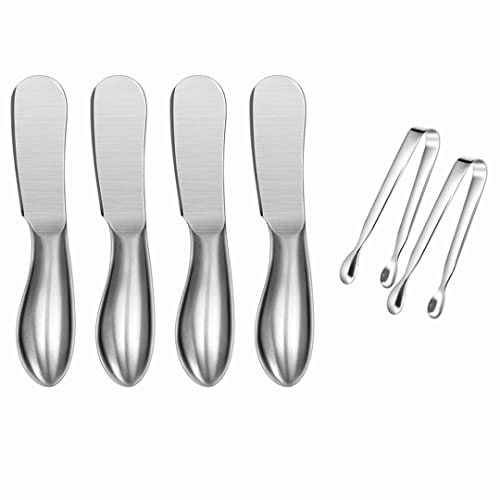


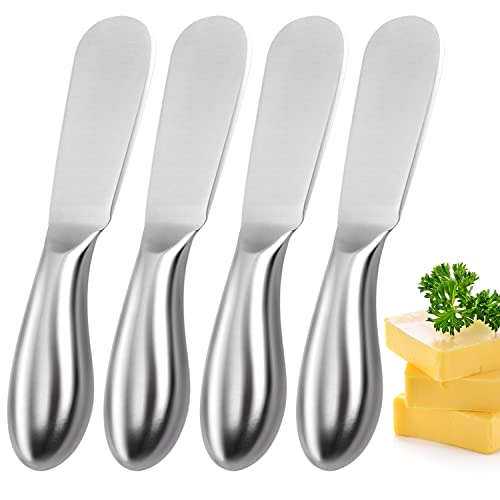


Types of Cheese Spreaders Compared
All cheese spreaders share a short blade and a blunt edge, but small changes in shape change what the tool does best. A wide flat blade moves a lot of soft cheese in one pass, while a narrow blade gives you control inside a small jar or ramekin. The four types below cover nearly every listing you will see.
A quick note, since spreader also names garden tools. If you arrived here looking for lawn equipment, see our guide to the best yard spreaders and our guide to the best seed spreaders for lawn instead. Everything below is about the kitchen tool.
Classic Flat Blade Spreaders
The classic spreader has a flat, rounded blade about three to four inches long, with a smooth edge and a slightly flexible feel. You press the blade into brie, camembert, goat cheese, or a cheese ball, then draw it across a cracker or slice of bread in one smooth stroke. Because the edge is blunt, it glides over soft textures instead of slicing into them.
This is the most versatile type and the right starting point if you only buy one style. It also handles butter, jam, pate, hummus, and soft dips with ease. Its limit is firmer cheese, where a flat blade can drag or bend under pressure, so pair it with a real cutting knife for aged or hard varieties.
Offset Spreaders
An offset spreader bends at the neck, so the blade sits lower than the handle. That small step keeps your knuckles clear of the board and gives you a flatter angle on a wide surface. Bakers know the same shape from frosting cakes, and it works just as well for a thick layer of soft cheese on a large cracker or bagel.
Choose an offset style if you spread over big, flat surfaces often. The bent neck can feel awkward in a narrow jar, but for board service and sandwiches the extra clearance makes each pass cleaner and more even.
Spreaders With a Forked Tip
Some spreaders end in two short prongs instead of a rounded point. You spread with the flat of the blade as usual, then use the prongs to lift a cube of cheese, spear an olive, or move a slice of charcuterie without using your fingers. That second job matters at a shared board where guests serve themselves.
This type suits hosts who set out mixed boards with pickles, olives, cured meats, and fruit alongside the cheese. The prongs can snag slightly on soft rind, so the stroke feels less smooth than a plain blade. If your boards are simple, you may never miss the fork. If they are busy, you will use it constantly.
Mini Spreaders for Individual Settings
Mini spreaders are shorter versions of the classic shape, often sold in sets of four or six for place settings. Each guest gets a personal tool for butter, soft cheese, or jam, which makes a casual meal feel a little more finished. Their blades are small, so each pass covers less area and spreading takes a few more strokes.
Pick minis if you host seated dinners, holiday breakfasts, or snacks where each person builds a plate at the table. They are also handy for packed lunches and small condiment bowls. They are not ideal for a large party board, where full size spreaders placed next to each cheese serve a crowd faster.
Small Individual Spreaders Versus Larger Serving Spreaders
Size is the choice shoppers get wrong most often, because listings make mini and full size tools look identical in photos. A full size serving spreader has a blade long enough to cross a wheel of brie and belongs next to the food, shared by everyone at the party.
A small individual spreader belongs to one person for one meal. It excels at buttering toast and spreading jam, but it feels lost on a large board. Many households own both, using large tools for entertaining and small ones daily. If you buy only one size, match it to your most common meal, not the party you host once a year.
How to Choose the Right Cheese Spreader
Once you know the types, finding the best cheese spreaders for your own table comes down to five practical factors. Each one connects a detail on the listing to something you will feel in use, from how the blade moves through cold butter to how the handle feels after an evening of serving.
Blade Shape and What You Serve Most
Start with your usual foods, because blade shape should follow the menu. Wide, flat blades suit soft cheeses, cheese balls, and thick dips, since they carry more food per pass. Narrow blades suit jars and ramekins, where a wide blade cannot reach the bottom corners. If you serve both styles often, a mixed set with two blade widths covers more ground than four identical tools.
Edge finish matters less than shape. A smooth, polished edge releases sticky foods like soft goat cheese more cleanly than a rough edge. A thicker blade feels sturdy on chilled spreads, while a thinner blade flexes a little and can slip under a slice of soft cheese to lift it whole.
Blade Material and Build
Most spreaders are made from stainless steel, which resists rust, shrugs off acidic foods like tomato jam, and can go in the dishwasher in most cases. The grade and thickness vary, and you can feel the difference in flex. A blade that bends on a cold cheese ball will also bend on chilled butter, which makes spreading uneven and tiring.
Other materials show up mainly in handles and in coated or plated blades. A plated finish can look elegant, but it may wear at the edge and often needs hand washing. For weekly use, plain stainless steel with a solid join between blade and handle is the practical choice, since there is no coating to chip.
Handle Comfort, Grip, and Balance
You hold a spreader by pinching the handle and guiding the blade with light pressure, so handle shape affects control more than handle length. A handle with a gentle curve or a slightly flattened side sits still in your fingers instead of rolling. Smooth polished handles can feel slippery when your hands carry a little oil from food, while a matte finish gives you a steadier hold.
Balance matters on larger serving tools. If all the weight sits in a heavy handle, the blade end feels vague and you press harder than you need to. Favor even weight as you read listings, and remember that guests of all ages will use these tools, including people with a weaker grip.
Sets Versus Single Tools and Board Pairings
Singles make sense when you need one good tool for one job, such as a daily butter spreader. Sets make sense for boards, because each cheese should have its own spreader so flavors stay separate. A strong blue cheese spread with the same tool can easily overpower a mild brie that follows.
Think about the board itself as you decide. See our guide to the best cheese board sets for boards that leave room for tools to rest, and see our guide to the best cheese knife sets for knives that handle slicing while spreaders handle smoothing.
Care Needs and Storage Before You Buy
Check the care notes before you fall for a handle material. Wood, bamboo, and resin handles bring warmth and color to a board, but most need hand washing and prompt drying, and soaking can swell or crack the handle over time. Steel handles can usually go straight into the dishwasher and a drawer with no special thought.
Storage is the other quiet factor. Spreaders have no sharp edge, so they store safely loose in a drawer or crock, but the forked tip style can catch on other tools. If drawer space is tight, a small set of four classic spreaders will serve most homes better than a large boxed set you rarely open.
Setup and Care Tips for Cheese Spreaders
There is no real setup beyond a first wash, but a few habits keep spreaders looking good for years. Wash new tools before first use. For daily care, rinse sticky cheese off soon after the meal instead of letting it dry on the blade, since dried cheese needs soaking and scrubbing that a quick rinse avoids.
Wash steel handled spreaders in the dishwasher or by hand, then dry them so water spots do not linger. Wash wood and resin handles by hand only, dry them at once, and rub a tiny amount of food safe oil into dry wood if the maker suggests it. Never leave a spreader soaking for hours, because standing water is hard on handle joins and finishes.
Store spreaders dry and separate from heavy tools that can bend a thin blade. Check the join between blade and handle every few months, and retire a tool that wobbles at the neck, since a loose blade can slip while a guest presses into a firm spread.
Frequently Asked Questions
Can cheese spreaders go in the dishwasher?
Yes, most cheese spreaders with stainless steel blades and steel handles can go in the dishwasher safely. Spreaders with wood, bamboo, or resin handles should be washed by hand, because hot water and detergent can dry or crack those materials over time. Place spreaders in the utensil basket with blades down so they dry cleanly and do not trap water against other tools.
What is the difference between a cheese spreader and a cheese knife?
A cheese spreader has a blunt, smooth edge made for scooping and smoothing soft foods, while a cheese knife has a sharper edge made for cutting slices or cubes. Using a spreader on a hard block can bend the blade, and using a sharp knife to spread can tear bread. Most boards need both tools. As an extra tip, warm a spreader blade briefly under warm water before tackling a very cold, firm spread.
How many cheese spreaders do you need for one cheese board?
Plan on one cheese spreader for each soft or spreadable item on the board, so flavors stay separate as guests serve themselves. A board with brie, goat cheese, and a cheese ball needs three spreaders, while a board with only firm cheeses may need just one for a dip or jam. Add one spare if guests gather on both sides of a large board.
Can cheese spreaders be used for foods other than cheese?
Yes, cheese spreaders work well for butter, jam, pate, hummus, guacamole, frosting, and soft dips. The blunt blade and short length give you control on toast, bagels, and crackers without tearing the base. Keep one spreader aside for sweet foods if you serve strong cheeses often, because a blade that has carried blue cheese can leave a faint flavor on jam, and a quick extra rinse with hot water helps.
Are stainless steel cheese spreaders better than spreaders with wood handles?
Neither material is better for every buyer, because the choice trades easy care against look and feel. Stainless steel cheese spreaders are durable, usually dishwasher safe, and match modern boards and flatware. Spreaders with wood handles feel warm in the hand and suit rustic or farmhouse style boards, but they need hand washing and gentle drying. If the tools will see daily family use, steel is the lower effort pick. If they come out mainly for guests, handle style can lead the decision.
Wrapping Up
The right spreader matches your food, your board, and your care routine. Keep the product table above in mind as you compare types, favor a flat blade for soft cheese, an offset blade for wide surfaces, and a forked tip for busy mixed boards. Give each soft cheese its own tool, and size the tool to the meal you serve most often.
With those basics settled, the best cheese spreaders for your home will feel obvious rather than confusing. Start with one versatile classic shape or a small matching set, use it through a few real meals and gatherings, and add a specialty shape only when a clear gap shows up at your table.


