
Best Cheese Grater for Parmesan: How to Choose for 2026
Disclosure: We may earn a commission when you buy through links on this page, at no extra cost to you. As an Amazon Associate I earn from qualifying purchases. Learn more

Choose the best cheese grater for parmesan by comparing rasp, flat and rotary styles on tooth sharpness, storage, effort and cleaning.
Picture a weeknight pasta dinner where the sauce is ready and the wedge of parmesan in your fridge door still needs grating. A grater that struggles turns that last step into a chore, and a good one makes it take a minute. Choosing the best cheese grater for parmesan is mostly about matching the tool to your kitchen space, your household size, and how often hard cheese lands on your table.
This guide focuses on everyday home life rather than chef technique. We compare grater styles by storage footprint, effort, cleaning, and cost of ownership, and the comparison table below sums up the three styles that suit most homes. If you grate many kinds of cheese, our broader guide to the best cheese grater covers softer cheeses too.

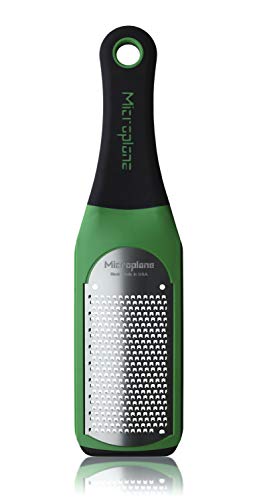

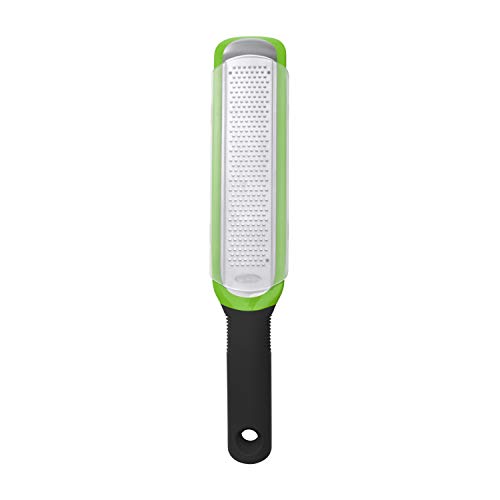


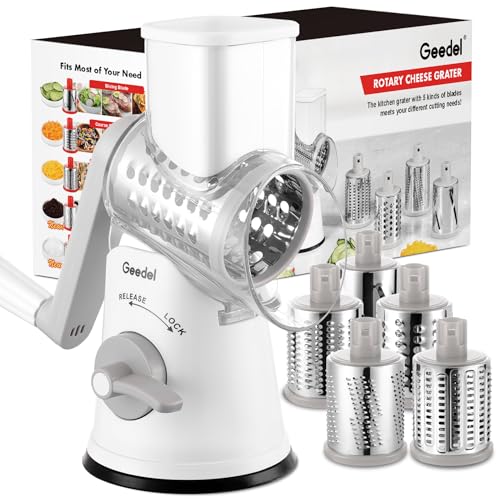


Quick Answer: The Three Styles That Suit Most Homes
Parmesan is hard, dry, and dense, so it rewards sharp fine teeth and steady pressure. Three styles cover nearly every home. A rasp style grater gives you light, fine shreds for finishing dishes. A rotary grater handles bigger amounts at the table with less hand strain. A box grater earns its cupboard space when parmesan is only one of several cheeses you prepare. The sections below explain which style fits which routine.
Before You Buy: A Quick Checklist for Choosing a Cheese Grater for Parmesan
Which Type Fits Your Routine
Start with how you actually serve parmesan. If you mostly dust a little over pasta or soup, a slim rasp or flat grater lives in a drawer and comes out for seconds of work. If your family passes cheese around the table, a best rotary cheese grater guide is worth reading, since a crank and drum let everyone serve themselves without pushing a shrinking wedge across sharp teeth. Households that grate vegetables and other cheeses too usually get more from a sturdy box grater with several faces.
Electric models sit at the other end of the scale. If weekly meal prep makes manual grating tiring, browsing the best electric cheese grater options can make sense, since the motor does the pressing for you. For a wedge or two a week, though, an electric unit adds a cord and more parts to wash, which is a lot of overhead for a thirty second job.
Features Worth It (and Ones to Skip)
A few features genuinely help with parmesan. A container that catches shreds keeps counters clean and lets you grate ahead for a recipe. A broad, comfortable grip matters more than it sounds, and our notes on the best cheese grater with handle explain why handle shape changes how much force your wrist absorbs. One fine face plus one medium face covers most kitchen jobs. You can safely skip giant blade collections, novelty shapes, and tall containers that will not fit your shelves.
Materials and Food Safety
Most quality graters use stainless steel for the cutting surface, and the better ones have teeth that are etched rather than stamped. Etched teeth slice hard cheese into clean shreds, while stamped teeth tend to tear and crumble it, which wastes an expensive wedge. Look for smooth seams where cheese residue cannot hide, and check that any plastic parts are intended for food contact. A grater with no flex in the frame will also hold its edge longer, because the cutting angle stays consistent.
Dishwasher Safe or Hand Wash
Dishwasher convenience is a real factor in a busy home, but it comes with trade offs. Detergent and rattling can dull fine teeth over time, and dried parmesan packed into tiny holes often survives a wash cycle anyway. Many owners rinse a rasp under the tap in seconds and save the dishwasher for box and rotary parts. For the full method, see how to clean a cheese grater. Whichever route you pick, drying the grater fully before storage protects the teeth from rust spots.
Realistic Budget Ranges
Spending more mainly buys sharper teeth, sturdier frames, and easier cleaning. A simple flat or rasp grater under $10 has no container and a basic grip, which is fine for occasional use. About $10 to $25 is where etched teeth, comfortable handles, and decent containers appear, and this range suits most homes. About $25 to $50 covers heavy box graters, well built rotary models, and entry level electric units. A tool used weekly earns a bigger budget than one pulled out twice a year.
Three Grater Types Compared for Parmesan
Instead of chasing brand names, compare the three styles directly. The style decides your daily experience far more than any single model, and the best cheese grater for parmesan in one home can be the wrong one in another. Here is how each behaves at home.
A Rasp Style Grater for Most Homes
A rasp style grater, sometimes sold as a zester, is the best grater for parmesan when you want fine, fluffy shreds with almost no setup. Its narrow etched surface turns a hard wedge into a light pile that melts evenly over hot food, and it rinses clean in seconds. It stores flat in a drawer, costs little, and suits small households that grate small amounts often. The trade off is volume and hand comfort. Grating a full cup takes a while, and your knuckles get close to the teeth as the wedge shrinks, so a protective glove or a holder is a sensible extra.
A Flat Handheld Grater for Low Cost
A flat handheld grater is the budget friendly workhorse, and it often doubles as the best box grater for parmesan alternative in small kitchens where a box will not fit. You rest it over a bowl, press the wedge along the fine face, and you are done. There are no moving parts to break and nothing to assemble, so ownership cost is close to zero. The limits show up in stability and yield. Without a container or base, shreds can scatter, and the last small piece of an expensive wedge is hard to use safely, which wastes a little cheese each time.
A Rotary Grater for Serving a Crowd
A rotary grater shines when parmesan is part of the meal itself, like a family pasta night or a Caesar salad for guests. You load a chunk into the drum, turn the crank, and fine shreds fall onto the plate while fingers stay well away from the cutting surface. That makes it calmer for older kids to help with, and easier for anyone who dislikes pressing down on a sharp tool. The costs are storage and washing. Rotary bodies are bulky, and the drum, pusher, and housing all need rinsing, so it earns its place only if you serve grated cheese at the table often.
What to Prioritize
The comparison rests on five criteria: ease of use, durability, cleaning effort, fit with typical home storage, and value for money. Weigh maker specifications and recurring patterns in verified buyer feedback, such as comments about clogging, handle comfort, and teeth dulling. Live prices and availability are left to the product pages.
Living With It: What Really Matters Day to Day
The real test is month six, when the wedge is small, dinner is late, and the tool needs to work without thought. Fine teeth clog less if you grate with long, even strokes and moderate pressure, and our primer on how to use a cheese grater shows the grip and angle that keep shreds cutting instead of packing into the holes. Letting the wedge sit out of the fridge briefly also reduces crumbling and waste.
Household size quietly decides satisfaction. A couple finishing a small wedge over two weeks will love a drawer friendly rasp and never miss a container. A family of five grating cheese for tacos, pasta, and salads in the same week will tire of tiny batches, and a box or rotary style will feel calmer. Compare that with buying pre grated parmesan, which saves effort but usually costs more per ounce, goes stale faster once opened, and often includes anticaking agents that melt less smoothly. A home grater pays for itself by letting you buy wedges, which keep their flavor far longer in the fridge.
Common Buying Mistakes to Avoid
- Buying a bulky box or electric model for a small kitchen, then banishing it to a cabinet where it never gets used.
- Choosing the cheapest stamped teeth, then losing costly parmesan to crumbling every time you grate.
- Paying for a large set of blades when parmesan only needs one fine surface, which adds washing and storage burden.
- Ignoring replacement reality, since a dull grater cannot be sharpened at home and will need replacing sooner than expected.
- Picking a style with no safe way to hold the last small piece of a shrinking wedge.
Cost of Ownership and Care
Manual graters cost almost nothing to run. There are no power costs, and your only expenses are an occasional replacement when the teeth dull and perhaps a small brush for cleaning. Electric models add charging and more parts that can crack or get lost. Care is simple for every style. Wash or rinse soon after use, dry the cutting surface completely, and store a rasp in its sheath or with the teeth facing away from other utensils so edges stay sharp and fingers stay safe. Keep rotary joints dry as well, since trapped moisture shortens the life of moving parts.
Your Questions, Answered
What makes one cheese grater brand more reliable than another?
Brand name alone tells you little. Reliability shows up in details you can check before buying: thick steel that does not flex, teeth cut cleanly rather than punched, and a stated warranty with replacement parts for rotary and electric models. Brands that sell spare drums or containers tend to support their tools longer. A modest grater with those signs will outlast a famous label built from thin metal.
How do you clean a cheese grater for parmesan without hurting your hands?
Clean it right away, before the cheese dries and hardens in the teeth. Wipe or brush from the back side toward the front, moving against the direction of the cutting edges, so the sponge or brush is not shredded and your fingers stay clear. A brief soak in warm soapy water loosens stubborn bits in fine holes. Let it air dry fully before it goes back in the drawer.
Is a dedicated grater for parmesan worth it if you already own a box grater?
Often, yes, if parmesan is a weekly habit. The fine face of a typical box grater works, but a rasp made for hard cheese cuts cleaner shreds with less crumbling and rinses faster, so the small extra cost is repaid in saved cheese and saved minutes. If you grate parmesan only for the occasional recipe, keep your box grater and skip the extra tool. One more gadget only makes sense when it earns regular use.
How long does a cheese grater for parmesan last?
It depends heavily on rhythm. A rasp used a few times a week may stay sharp for several years, while the same tool in a home that grates daily for a big family wears faster. On rotary models the crank joint or drum latch usually loosens before the teeth dull, which is a useful clue when comparing builds. Storing the grater dry and unstacked, rather than loose under heavy utensils, quietly adds years to any style.
What should you look for in a cheese grater for parmesan if your grip is weak?
Look for a wide handle you can hold with your whole hand rather than pinching with fingertips, since a fuller grip spreads the force. A rotary crank is often the kindest option, because turning a handle asks far less squeeze strength than pressing a wedge downward. If you can, hold the tool in the shop or order from a seller with easy returns, and test the grip before the first meal depends on it.
Final Thoughts
Most homes will be happiest with a rasp for everyday finishing, a flat grater as the low cost standby, or a rotary model for relaxed table service. Match the style to your space, your household size, and your hands, and the best cheese grater for parmesan becomes an easy decision. Before you order, glance back at the product table above, check the size against your drawer, and pick the one you will still enjoy using on an ordinary Tuesday.


