Air Purifier vs Humidifier: Which Is Better in 2026?
Disclosure: We may earn a commission when you buy through links on this page, at no extra cost to you. As an Amazon Associate I earn from qualifying purchases. Learn more
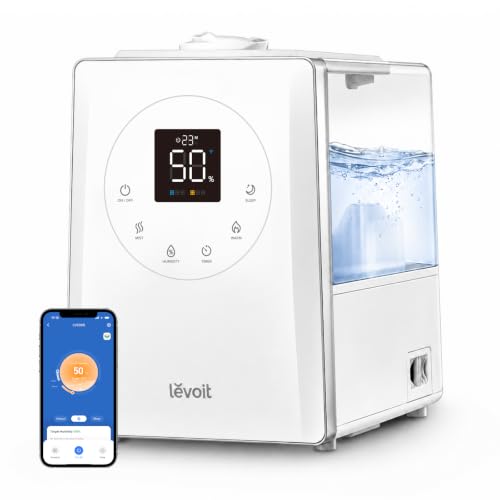
Air Purifier vs Humidifier: we compare the key differences, pros and cons side by side so you can decide which one is right for you. Updated for 2026.
The choice in air purifier vs humidifier comes down to one simple question: is your air dirty, or is it dry? A purifier pulls particles such as dust, pollen, and smoke out of the air you breathe. A humidifier does a different job entirely, adding water vapor to air that feels too dry. If pet dander, dust, or wildfire smoke bothers you, start with a purifier. If dry skin, a sore throat in the morning, and static shocks are your main complaints, start with a humidifier. The comparison table below lays the two out side by side.
Many homes need only one of the two. Buying the wrong one leaves the real problem untouched, so match the device to the problem first and to features second.


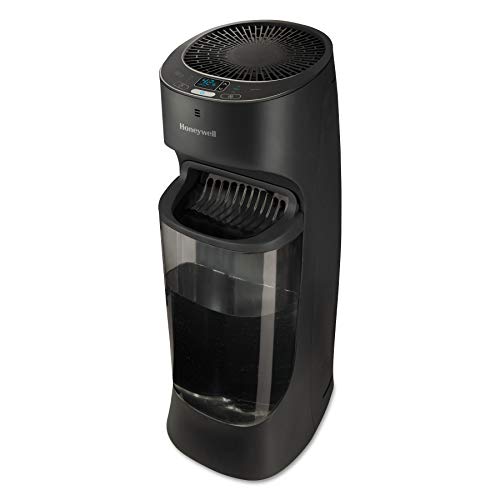
Air Purifier vs Humidifier: Comparison Table
| Factor | Air Purifier | Humidifier | Edge |
|---|---|---|---|
| Main job | Removes particles from air | Adds moisture to air | Depends on your problem |
| Helps most with | Dust, pollen, smoke, pet dander | Dry skin, dry throat, static | Tie |
| Size rating | CADR and square feet | Output in gallons per day | Tie |
| Main running cost | Replacement filters | Water and cleaning supplies | Humidifier |
| Noise source | Fan moving air through filters | Fan or gentle bubbling water | Humidifier |
| Risk if neglected | Weak cleaning as the filter loads | Mold and mineral buildup in the tank | Purifier |
Read the table by starting with your symptom, not with the device. Particle problems point to the purifier column every time, and dryness problems point to the humidifier column. The edge column matters less than that first match, because a quiet and cheap device that solves the wrong problem is still wasted money. The sections below explain how each machine works and how the running costs, noise, and upkeep compare in daily use.
What Is an Air Purifier? What Is a Humidifier?
Air Purifier Overview
A purifier is a fan and a set of filters in one housing. The fan draws room air in, the filter media trap particles as the air passes through, and cleaner air flows back into the room. A true HEPA filter captures very fine particles, including most pollen, dust, and smoke particles. Many models add an activated carbon layer that reduces cooking odors and other household smells. A purifier does not add or remove moisture, so it leaves the humidity level in the room exactly as it found it.
Humidifier Overview
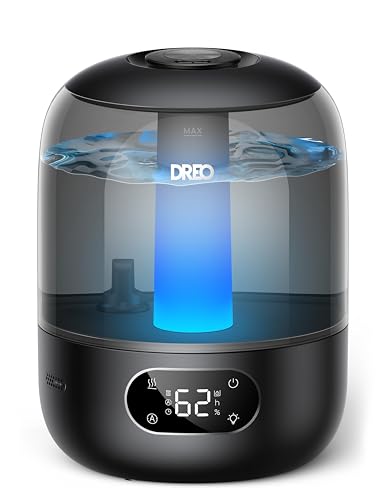
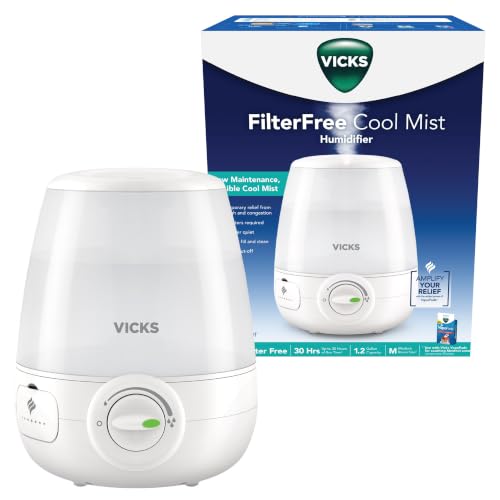
A humidifier is a water tank and a mechanism that releases that water into the air as vapor or fine mist. Evaporative models blow air across a wet wick, ultrasonic models vibrate water into a cool mist, and steam models boil water before releasing it. All three raise the relative humidity of the room. None of them filters the air in any meaningful way, and a dirty tank can send minerals or microbes into the air along with the moisture, which is why cleaning matters so much with this device.
Key Differences Between the Two
Coverage and Sizing
Purifiers are rated by CADR, which tells you how much filtered air the unit delivers, and makers also list a room size in square feet. A useful rule from industry guidance is to pick a CADR that is at least two thirds of the room area in square feet. Humidifiers are rated by output in gallons per day instead, and tank size decides how often you refill. Small room sizing is the focus of our levoit core 300 review, which shows how maker ratings translate to a bedroom or a home office.
Performance
Each device performs against a different measure. A purifier performs when the particle count in the room falls, and you notice it as less dust settling on surfaces and easier breathing during pollen season. A humidifier performs when a hygrometer shows the room holding a steady relative humidity of about 30 to 50 percent, and you notice it as calmer skin and a less scratchy throat. Neither device does the other job at all, and no setting on either one changes that.
One caution applies to both. Neither device treats asthma, allergies, or any other medical condition, and worsening breathlessness, wheezing, or chest tightness needs medical care rather than a new appliance. If you live with a breathing condition, talk with your clinician about how indoor air and humidity fit your personal care plan.
Noise Level
Noise is where room placement gets decided, because most people run these devices in a bedroom overnight. Purifiers are quiet on low, often around the level of a soft whisper, but the top speed that delivers the full CADR rating can be loud enough to disturb light sleepers. Ultrasonic humidifiers are nearly silent apart from occasional dripping or bubbling sounds from the tank. Evaporative humidifiers use a fan, so they hum at a level closer to a purifier on a low or medium setting. If you sleep lightly, plan to run either device at a lower and quieter speed and size it up to compensate.
Energy Use
Both devices are light users of electricity next to heating or cooling equipment. A purifier draws modest power that rises with its size and fan speed, and running it around the clock on a low speed costs little. Ultrasonic and evaporative humidifiers sit in a similar low range because they only move a fan or a vibrating plate. Steam models draw far more, since boiling water takes real power, and that gap is the main energy difference between the two product types. Check the wattage on the label if you plan to run a unit all day.
Maintenance and Filters
A purifier asks for filter care on a slow schedule. Vacuum the prefilter about once a month, and replace the main HEPA filter every 6 to 12 months, sooner if the air in your home carries heavy smoke or pet hair. Readers comparing filter upkeep claims can start with our shark neverchange air purifier review and then check the maker filter schedule for any model on their list. A humidifier asks for attention far more often: empty and rinse the tank daily, wipe the base, and deep clean the tank and wick or mist outlet every week to stop scale and slime from forming.
Smart Features
Smart features differ because the two devices watch different things. Better purifiers carry particle sensors that raise or lower the fan on their own, plus filter life alerts and app controls. App control and air sensing on a larger room model are covered in our levoit vital 200s review. Better humidifiers carry a built in humidistat that pauses output when the room reaches your target level, plus an automatic shutoff when the tank runs dry. A humidistat matters more than app control does, because it guards against overdoing the moisture while you sleep.
Price and Value
Upfront prices overlap less than you might expect. Most home humidifiers cost about $25 to $150, while most room purifiers cost about $50 to $400, with large room models above that range. Running costs flip the picture over time. A humidifier mostly consumes water and cleaning supplies, while a purifier needs replacement filters that often cost about $30 to $90 each. Value comes from solving your actual problem at a running cost you accept, so price the filters for any purifier before you fall for its sticker price.
Which Should You Buy?
Choose an Air Purifier If
Choose a purifier if dust builds up fast on your furniture, if pollen season keeps you sneezing indoors, if you share the home with pets, or if cooking and wildfire smoke linger in the air. It is also the right pick when a room smells stale, because the carbon layer in many models tackles odors that open windows only dilute. If you decide a purifier fits your home, our guide to the best air purifier walks through room sizing and filter types in more depth.
Choose a Humidifier If
Choose a humidifier if your heating system dries the house out in winter, if you wake with a dry throat or nose, if your skin and lips crack despite lotion, or if wooden furniture and floors are drying and shrinking at the joints. It also suits rooms where static shocks have become a daily nuisance. Keep the moisture moderate rather than tropical, run the unit where you sleep or spend the evening, and give the tank the weekly cleaning described above so the cure does not become a new problem.
Other Options to Consider
Combination units that purify and humidify in one housing do exist, and they save floor space in a small bedroom or nursery. The tradeoff is that each function is usually smaller than a dedicated machine offers, with a modest tank and a modest filter, and one failure can sideline both jobs at once. For most homes a single dedicated device matched to the main problem is the simpler and stronger choice.
Sometimes neither device is the first fix. Sealing a draft, venting a bathroom fan outdoors, vacuuming carpets with a sealed HEPA vacuum, and washing bedding in hot water all cut particle and moisture problems at the source. If a room smells musty or shows visible mold growth on walls, find and fix the water leak behind it first, because no countertop appliance can outrun an active leak.
FAQs
Is an air purifier better than a humidifier?
Neither is better in general, because each one wins only at its own job. The interesting case is a home that needs both at different times of year, such as a humidifier during the dry heating months and a purifier during pollen or smoke season. If you run both in the same room, keep them a few feet apart, since mist drifting into a purifier intake can confuse its particle sensor and dampen the filter.
What is the main difference between an air purifier and a humidifier?
The main difference is that a purifier takes something out of the air while a humidifier puts something in. A quick home check helps you decide which action you need. A hygrometer costs about $10 to $20, and a reading that sits below 30 percent on most days points to a humidifier. Visible dust returning to shelves within days of cleaning, with a normal humidity reading, points the other way, to a purifier.
Which is easier to clean, an air purifier or a humidifier?
The air purifier is easier to clean by a wide margin, because its care is monthly vacuuming and an occasional filter swap. The humidifier gets easier if you use distilled water, which greatly reduces the white mineral dust that ultrasonic models can leave on furniture and cuts the scale you scrub away. A weekly soak of the tank in plain white vinegar also loosens scale before it hardens, a step the purifier never asks of you.
Which lasts longer, an air purifier or a humidifier?
An air purifier usually lasts longer, because its working parts stay dry and its motor only moves air. A humidifier lives in constant contact with water, so tanks crack, seals stiffen, and wicks and mist outlets wear out from scale and repeated cleaning. Treat a cracked tank, a leaking base, or a fan that grinds as signs that a humidifier has reached the end of its service, while a purifier with a healthy fan often only needs a fresh filter to carry on.
The Bottom Line
The air purifier vs humidifier decision is really a diagnosis. Dust, pollen, smoke, and pet dander call for a purifier, while dry air and its cracked skin and sore throats call for a humidifier, and the product table above shows how the costs and upkeep split once you know your side. Buy the device that matches your problem, size it honestly for the room, and keep up with the small amount of care it asks for. That match, more than any feature list, is what makes either machine feel worth its place in your home.