Best Chairs for Lower Back Support in 2026: Matching the Right Chair to Your Routine
Disclosure: We may earn a commission when you buy through links on this page, at no extra cost to you. As an Amazon Associate I earn from qualifying purchases. Learn more

Compare the best chairs for lower back support by routine, seat size, and support fit, with setup basics, price bands, common mistakes, and care tips.
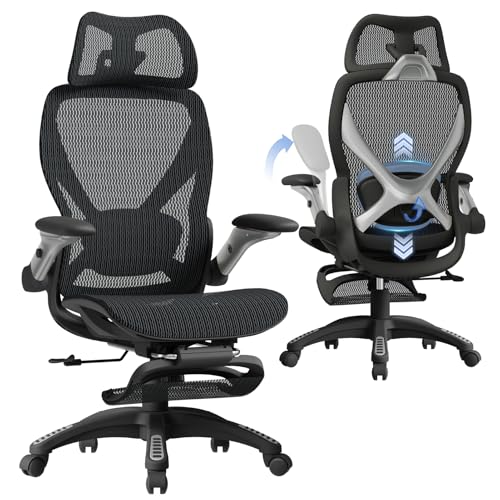
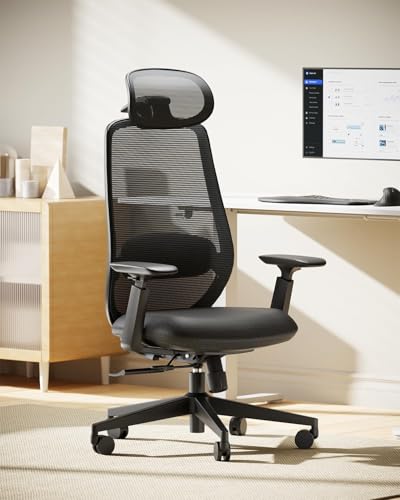
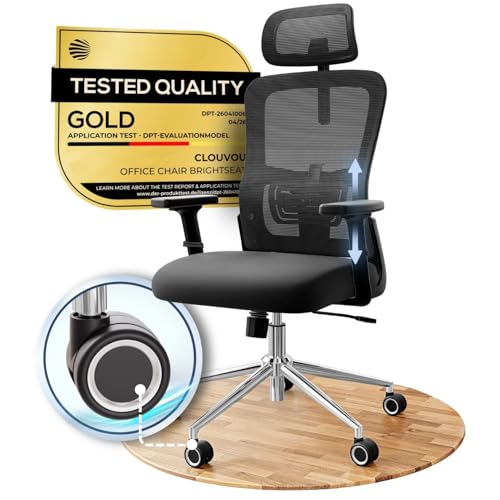
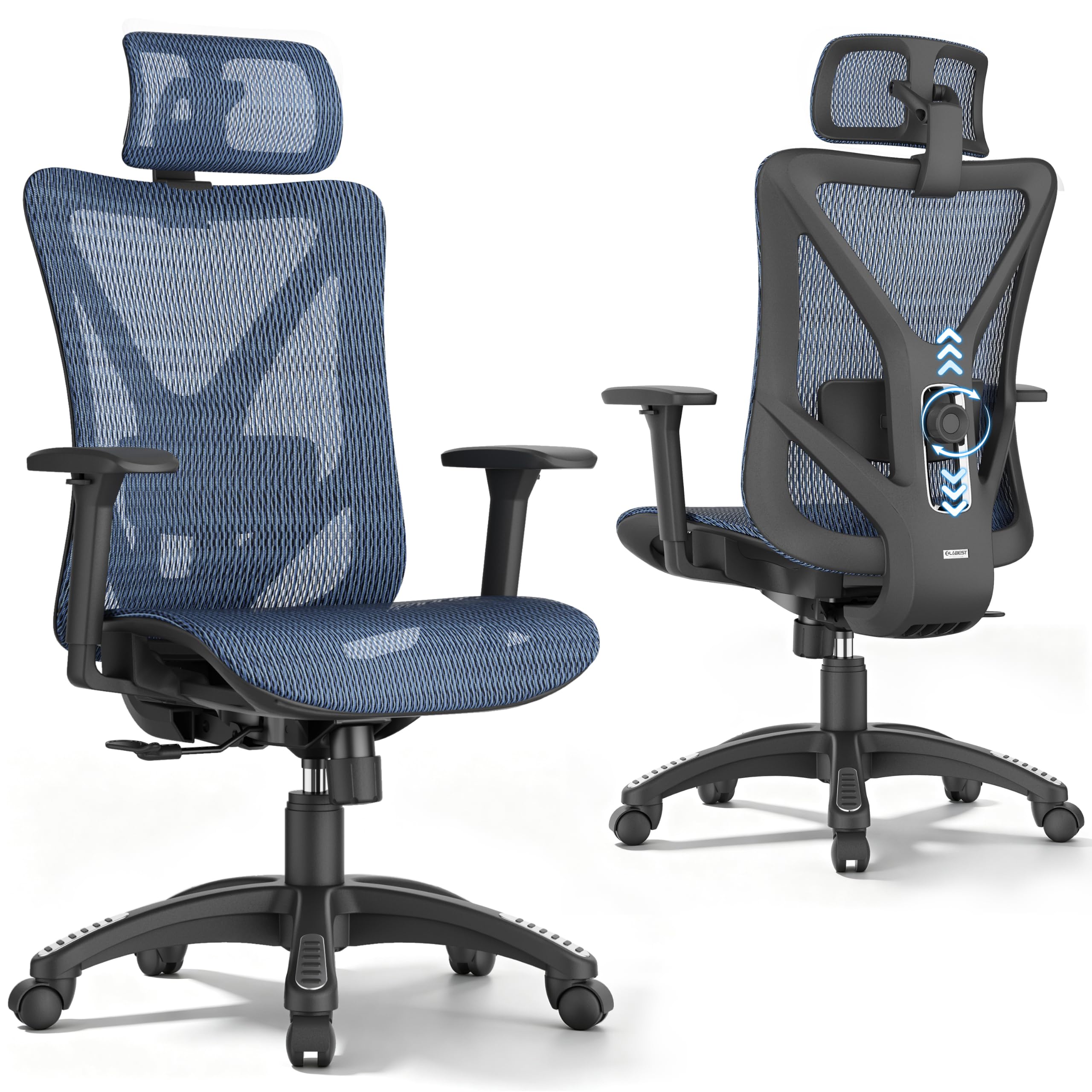
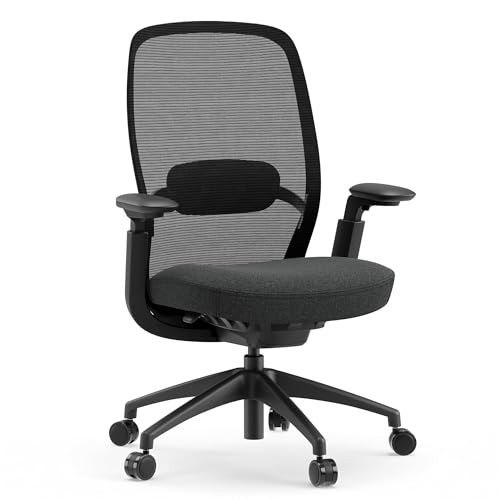
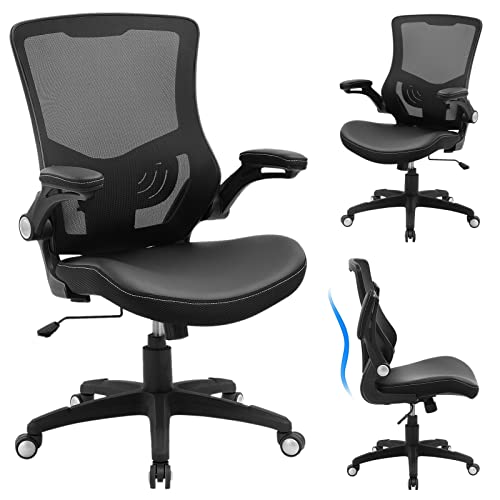
Two people can sit in the same chair for the same working day and report completely different levels of comfort, because a chair that suits a morning of driving does little for an evening spent reading. This guide starts from that fact: there is no single winner among the best chairs for lower back support, only chairs that match the way you actually sit. The comparison table below gathers the current options in one place so you can line them up against your own routine.
One limit applies to every chair in this guide, and it is worth stating plainly at the start. A chair is a piece of furniture for sitting comfort, and it does not treat, cure, prevent, or relieve back pain or any other condition. What a well matched chair can do is hold you in a supported position while you sit, and that is the only promise this guide makes.



When a Clinician Comes Before a Chair
Some back pain is a medical matter rather than a shopping matter, and a new chair is the wrong first step for it. See a clinician promptly if your pain is persistent or keeps getting worse, if it follows a fall or another injury, or if it comes with numbness or weakness in a leg. Fever alongside back pain, or any change in bladder or bowel control, also needs prompt medical attention instead of a furniture purchase.
For everyday sitting discomfort without those warning signs, the larger half of the answer is not the chair at all. Regular movement breaks, short walks, and a sensible desk setup do more across a week than any single feature on a product page. Treat the chair as the smaller half of the plan, and give the movement half at least as much attention as the shopping half.
Match the Chair to the Routine You Repeat Most
Start by naming the block of sitting you repeat most days, because that block decides which features deserve your money. The three routines below cover most buyers, and each one asks for something different from the chair that serves it.
Desk Days at a Screen
Desk sitting is long, fairly still, and driven by the work in front of you, so small fit errors repeat for hours at a time. Prioritize a seat height you can set precisely, a backrest whose curve stays in contact when you lean back to think, and armrests that let your shoulders drop instead of hunching toward the keyboard. If your sitting happens at an office desk, our guide to the best office chairs for lower back support covers that narrower case under the same comfort only limits.
Long Drives and Time Behind the Wheel
Many readers notice their lower back most after driving, yet no desk or dining chair can change what happens in a car seat. Judge a home chair by the sitting you do at home, and handle the driving half separately with the levers you actually control there. Adjust the car seat so your hips sit level, and plan a stop every hour or so on long trips so you can stand and walk for a few minutes. A chair bought for the desk still earns its place in the evening, which is the routine it can genuinely serve.
Evenings at Home: Reading, Screens, and Table Work
Evening sitting is shorter and more varied, with more leaning, turning, and getting up between tasks. Softer seating and a backrest you can relax into usually matter more here than fine adjustments, and a chair that feels formal at a desk can feel wrong beside a book. Shoppers using the broader label can compare the best chairs for back support, a wider category that is not limited to the lower back at all.
Best Chairs for Specific Needs
Two of the most common searches in this area deserve their own short sections. Readers focused on the lower back itself can also see our guide to the best chairs for lower back, written with the same comfort only framing as this one.
Best Desk Chairs for Lower Back Support: What to Prioritize
Best desk chairs for lower back support earn the label at the point where the backrest meets your belt line, so check that contact first. The support should be able to move up or down until it sits at that height, because a curve fixed for a taller or shorter frame will press in the wrong place. Next, look for a seat depth that leaves a small gap behind your knees when your back is against the backrest. Our companion guide to the best desk chairs for back support looks at the broader back category for the same desk setup.
Best Upholstered Chairs for Lower Back Support
Best upholstered chairs for lower back support trade adjustment for padding, so the foam itself becomes the feature to judge. Firmer, high density foam holds its shape and its support position for years, while soft foam feels welcoming on day one and compresses into a shallow dip. In a warm room, fabric upholstery also stays more comfortable against the back than smooth leather or vinyl surfaces. Choose upholstery when your sitting is varied and social, and accept that the support is gentler and less precise than a desk chair pad.
Key Features to Compare
These are the checks that matter whatever label a listing uses, from the best office chairs for back support down to a plain dining chair with a shaped back. Work through them in order, because the early ones decide whether the later ones can help at all.
Seat Height and Feet Flat on the Floor
Seat height is the first geometry fact to get right, and many desk chairs adjust across about 17 to 21 inches. Set the seat so your feet rest flat on the floor with your knees roughly level with your hips or a touch lower. When feet dangle, the front edge of the seat presses into the underside of the thighs and you slide forward to compensate, which pulls your lower back away from the backrest. Shorter sitters who cannot reach the floor at a fixed desk height do better with a simple footrest than with a lower chair that ruins the desk fit.
Seat Depth and Width Against Your Frame
Seat depth decides whether you can use the backrest at all, and many chairs offer about 16 to 19 inches of it. Sit fully back and check for a gap of about two or three fingers between the seat edge and the back of your knees. A seat that is too deep forces a choice between perching at the front with no back contact or letting the edge press behind the knees. Width and the listed weight capacity matter together: capacity is a maker figure, so choose a chair rated comfortably above your weight rather than at the limit.
Where the Backrest Curve Meets Your Lower Back
The support only works where it touches you, and for the lower back that contact point sits around belt line height. A backrest curve that peaks at that level fills the natural hollow of the lower back and lets the muscles rest against something. Fixed curves are shaped for an average frame, so taller and shorter sitters should look for a pad or pillow element that slides up and down. Whatever the design, judge it by sitting back and feeling even contact, not by the word ergonomic printed on the box.
Armrests, Tilt, and Small Position Changes
Armrests earn their cost when they adjust enough to support your forearms without lifting your shoulders. Fixed arms that sit too high push the shoulders up all day, and arms that sit too low are simply furniture you lean away from. A tilt with a lock lets you change the angle between seat and backrest during the day, which varies the load on your lower back without leaving the chair. None of these features fixes a bad basic fit, so treat them as refinements after height, depth, and contact are right.
What the Price Bands Actually Change
Under about $150, expect a fixed backrest curve, thinner foam, and few adjustments beyond seat height, which can still serve light daily sitting. From about $150 to $350, you typically gain a support pad you can reposition, denser foam, and a tilt you can lock at more than one angle. From about $350 to $700, the money goes into finer adjustment ranges, stronger frames, and smoother mechanisms rather than a different kind of support. Above about $700, you are mostly paying for finish, materials, and warranty length on paper, so read the warranty terms instead of assuming the tier guarantees comfort.
Common Mistakes to Avoid When Buying Chairs
- Buying the word ergonomic on a listing without checking where the backrest curve actually lands on your own back.
- Choosing by price alone, then discovering the seat is too deep for your legs and the backrest never gets used.
- Leaving every adjustment at its factory setting for months, which wastes the fit you paid for.
- Sitting in one position all day because the chair feels supportive, when regular movement breaks matter more.
- Expecting a chair to resolve pain that carries warning signs, instead of taking that pain to a clinician.
Setup and Care Tips
When the chair arrives, spend ten minutes setting it up before your first full day in it. Adjust the seat height so your feet rest flat, then raise your screen so its top sits near eye level and you are not tipping your head down for hours. Set the support to your belt line, sit back, and only then judge how the chair feels. Tighten the bolts every few months, because chairs loosen quietly and a small wobble changes how the seat holds you.
Care is simple and mostly about the surfaces. Vacuum fabric upholstery or wipe smooth upholstery regularly so grit does not grind into the finish. Keep the chair out of harsh direct sun where you can, since heat and light age foam and coverings. If a gas lift starts to sink slowly during the day, that part is near the end of its life and is usually replaceable on its own.
Chairs for Lower Back Support: Questions Answered
What features matter most in chairs for lower back support?
The features that matter most are seat height you can set, a seat depth that fits your legs, and backrest contact at your belt line. When you try a chair in a store, sit down, slide fully back, and check those three things in that order before you look at anything else. A chair that passes all three in two minutes is a better bet than a feature packed chair that fails the first. Armrests and tilt only add value after that basic fit is in place.
What features matter most for long hours in a chair?
For long hours, the features that matter most are the ones that let you change position without thinking about it. A tilt you can unlock for part of the day, a seat surface that does not build up heat, and armrests that stay out of the way when you stand all help. Set a phone timer as a stand up reminder, because even the best fitting chair cannot replace the break itself. Foam also matters over hours: press the seat hard with your hand, and if you feel the hard base through it, the cushion will bottom out by afternoon.
Is an expensive chair worth it for sitting comfort?
An expensive chair is worth it only when its extra adjustments solve a fit problem you actually have. If a mid priced chair already matches your height, depth, and belt line, paying more buys finish and warranty rather than more comfort. A useful check is cost per year: divide the price by the years of daily sitting you expect from it. That simple sum often makes a durable mid range chair look better than a cheap chair replaced twice.
How long should a good chair last?
A good chair used daily should last about five to ten years before comfort fades, depending on foam quality and how hard it is used. The usual first failure is the seat foam, which stays compressed and leaves you sitting lower and less supported than when the chair was new. A sinking seat height during the day points to a worn lift, which is a part rather than a whole chair problem. When the foam is flat and the frame creaks at every joint, replacement is more sensible than repair.
How do I choose the right chair size for my body?
Choose the size by measuring a chair you already find comfortable, then comparing its numbers with the listing. Measure its seat height at the front edge, its seat depth, and the height where its backrest curve meets your back. Listings publish the same three figures, so the comparison takes minutes and removes most of the guesswork. If your measurements fall between two chair sizes, pick the one whose seat depth fits, because height can be solved with a footrest and depth cannot.
Final Thoughts
Match the chair to your most repeated routine, set the seat height so your feet rest flat, and confirm the backrest meets your lower back at the belt line before you judge anything else. The product table above pulls the current options together so you can compare them against those three checks. Shoppers who keep those priorities in order usually find the best chairs for lower back support for their own day without paying for features they will never adjust. If sitting pain is a regular part of your life, talk with a clinician about your own needs before you spend on furniture.