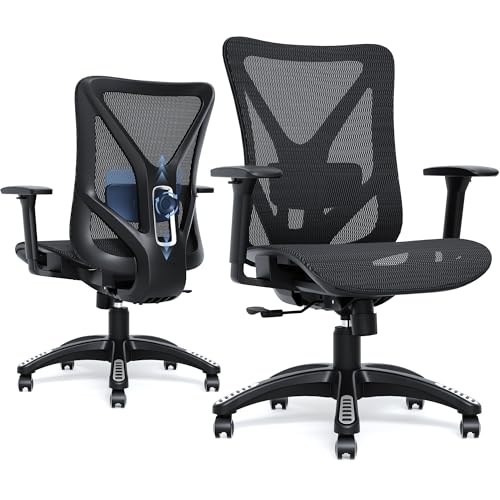
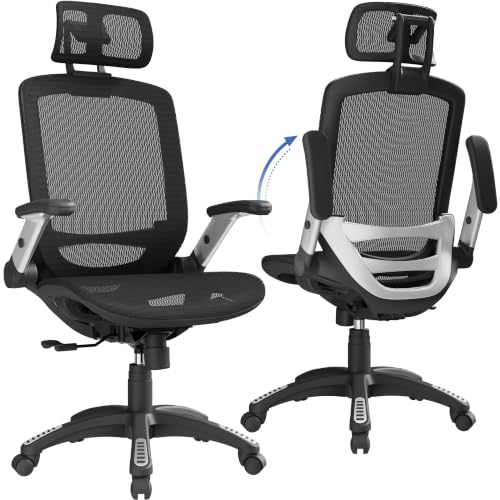
The Best Children's Desk Chairs for 2026: A Practical Buying Guide
Disclosure: We may earn a commission when you buy through links on this page, at no extra cost to you. As an Amazon Associate I earn from qualifying purchases. Learn more

Compare children's desk chair sizes, adjustability, support, and build quality so you can pick a chair that fits your child, your desk, and your room.
Choosing a desk chair for a child is mostly a sizing problem: a chair that is too tall, too deep, or too hard to adjust will push a child into a slouched or perched posture, no matter how nice it looks. The best children's desk chairs fit the child first, then the desk, then the room, and they adjust easily as the child grows. The comparison table below can help you weigh size, adjustability, and build quality side by side.
This guide explains how to measure for the right size, which adjustments matter most, and how chair types differ, so you can pick a chair that supports homework, reading, and creative projects without constant fidgeting or complaints.


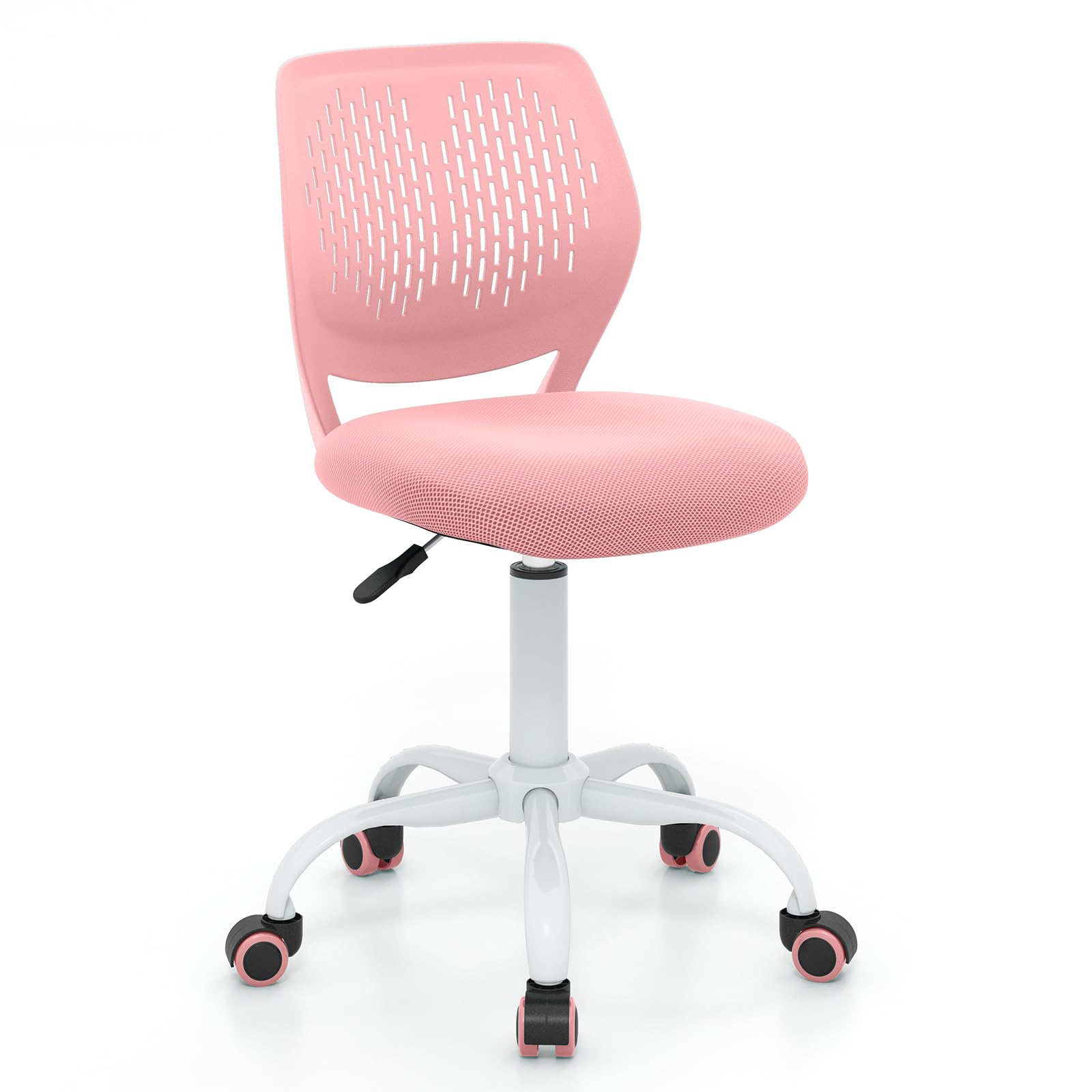
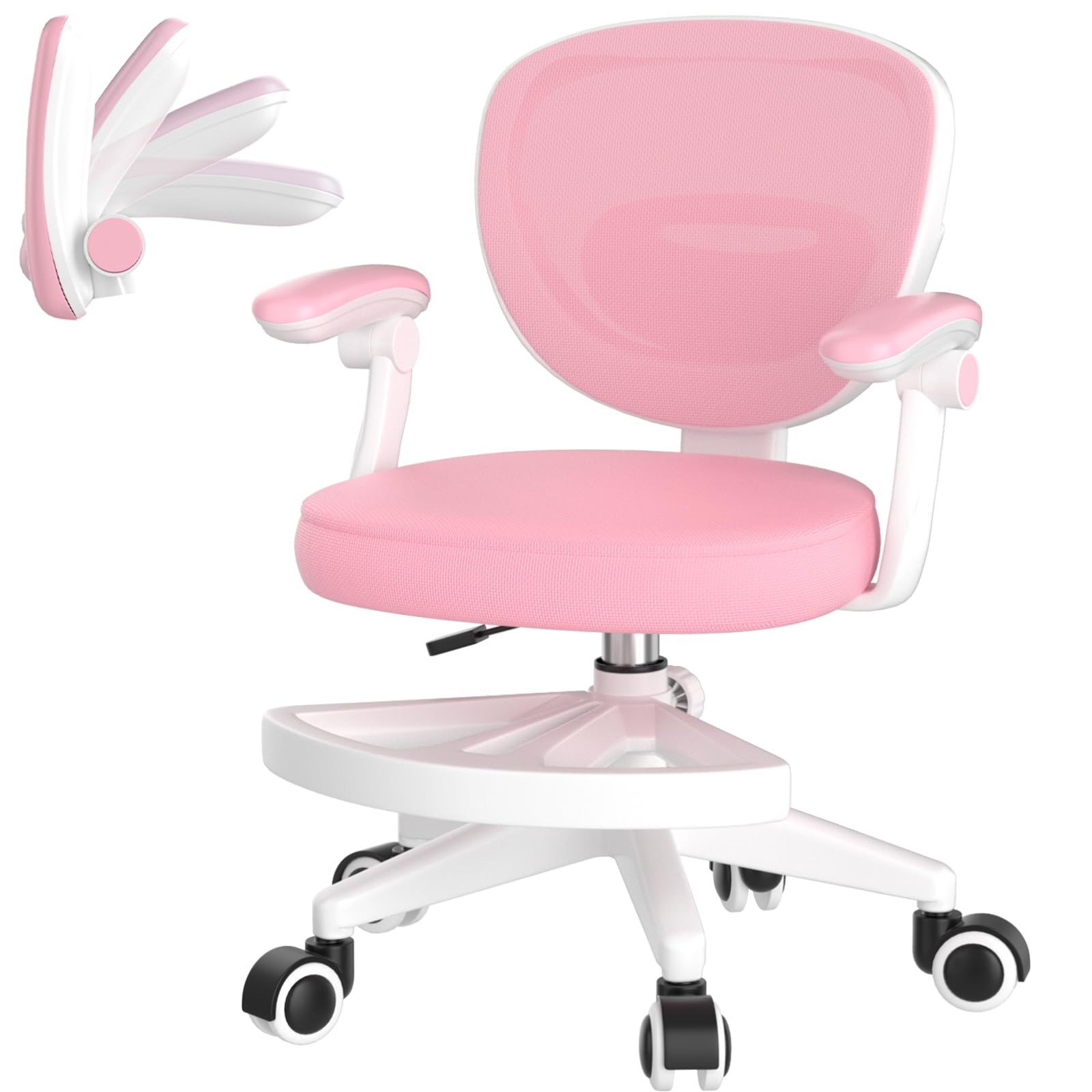
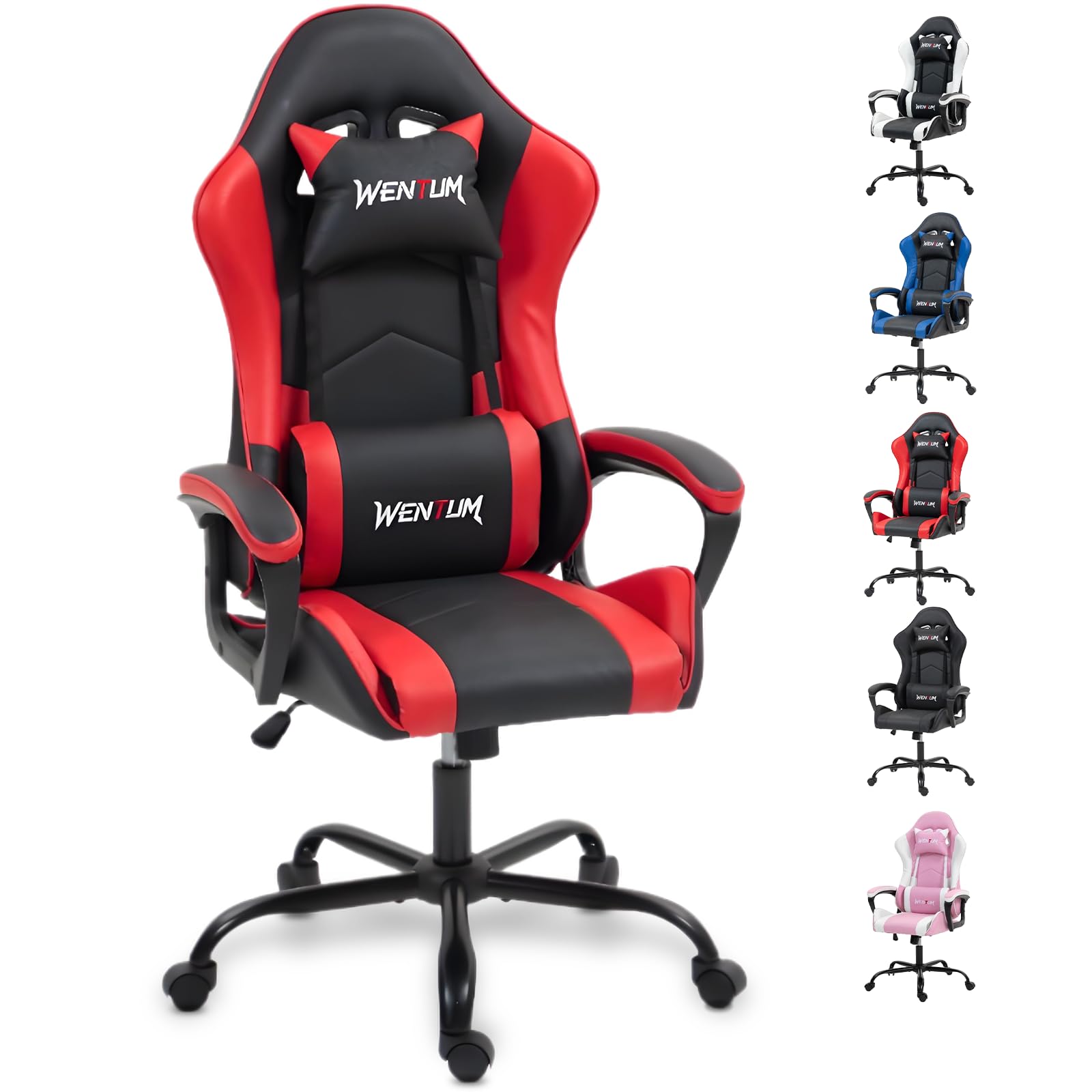

Spending Levels for Children's Desk Chairs
Price tracks adjustability, materials, and build quality, but the right level depends on how many hours a day the chair gets used and how fast the child is growing.
Budget Level for Light Homework
Budget chairs, often about $40 to $80, suit short homework sessions and younger children who will outgrow the chair quickly. Expect basic height adjustment and simpler padding, and check the weight capacity and the stability of the base before you buy. For light use, a well sized budget chair can serve well for a year or two.
Mid Range Level for Daily Study
Mid range chairs, often about $80 to $160, suit children who sit at a desk daily for homework and reading. This level usually brings smoother height adjustment, better seat padding, and sturdier frames than budget chairs. For most families, this is the level where extra spending buys the clearest gain in comfort and durability.
Higher Level for Long Sessions
Higher priced chairs, often about $160 to $280, suit older children who spend long sessions at a desk for study, music practice, or creative work. Expect fuller adjustability, denser foam, and stronger frames, but only pay this much if the chair will see daily long use. Even at this level, correct sizing still matters more than any single feature.
How to Choose the Best Desk Chairs: Buying Guide
Work through the factors below in order, starting with who will use the chair and how the chair will be adjusted as the child grows.
What Kids Should Look For
Children need a chair that is easy to sit in and get out of, light enough to move, and simple to adjust without tools or adult help. A seat that is too deep pushes small legs forward, while a seat that is too high leaves feet dangling, so size matters more than style. Look for rounded edges, a stable base that does not tip easily, and controls a child can reach and understand.
Ergonomics and Adjustability
Seat height adjustment is the single most important feature, since it sets whether feet rest flat on the floor. Lumbar support should meet the natural curve of the lower back without pushing the child forward, and armrests, when present, should let shoulders relax rather than hunch upward. A tilt lock can help older children who lean back to read, but it should lock firmly and release easily. For a closer look at adjustable designs, see our guide to best ergonomic desk chairs.
Size, Dimensions, and Weight Capacity
Measure the child sitting down: feet flat, knees at roughly a right angle, and the seat depth leaving a small gap behind the knees. Then measure the desk height and the room, including the space the chair needs to roll back and turn. Check the maker weight capacity and choose a chair with room to grow, but not so much room that the child swims in it today. A chair that fits this year and adjusts for next year is the best value.
Style and Room Fit
Color and style matter to children, and a chair a child likes is a chair a child will actually use. Match the chair to the room by checking its footprint, its height when pushed under the desk, and whether its wheels suit your floor type. Bright colors can suit a playroom, while a quieter finish may suit a shared study space. Keep the choice practical too: wipeable fabric or vinyl is easier to clean after art projects and snacks.
Build Quality and Frame
A steel or strong composite frame, a sturdy five point base, and a reliable gas lift are the backbone of a chair that survives daily use. Check that bolts tighten firmly, casters roll smoothly without wobbling, and the seat shell does not flex under the child weight. A maker warranty on the frame and the gas lift is a good sign, and it matters more than a long list of minor features. Avoid chairs with thin plastic bases if the chair will be used every day.
Comfort and Cushioning
Seat foam should feel supportive rather than soft and sinking, since a child who sinks will slide forward and slouch. High density foam holds its shape longer than thin padding, and a breathable mesh back can keep a child cooler during long sessions. Seat edges should be rounded or waterfall shaped so they do not press into the backs of the thighs. If the chair will be used for reading as well as writing, a slightly deeper seat and a comfortable backrest help.
Warranty and Return Policy
Read the warranty before you buy, and pay special attention to the frame, the gas lift, and the casters, since those parts fail first. A clear return policy matters too, because fit can only be judged once the child sits in the chair at the real desk. Keep the packaging until you are sure the size and adjustments work, and test every adjustment during the first week.
Types of Desk Chairs
Chair types differ mainly in adjustability and support, so match the type to how long and how often the chair will be used.
Premium and Executive Models
Premium and executive models offer fuller adjustability, denser cushioning, and stronger frames, and they suit older children with long daily sessions. They cost more and tend to be larger, so measure carefully before choosing one for a small child or a small room. The extra features pay off only when the chair is used for hours each day.
Ergonomic Models
Ergonomic models focus on adjustable seat height, lumbar support, and a backrest shaped to support a natural sitting posture. They suit children who sit daily for homework and reading, and they adjust well as the child grows. Look for controls that are easy to reach and a backrest that supports without forcing a rigid posture.
Compact and Space Saving Models
Compact and space saving models suit small rooms, shared desks, and younger children who need a lighter chair. They usually offer fewer adjustments, so correct sizing at purchase matters more. Check that the smaller base stays stable when the child leans or turns, and that the chair still tucks under the desk when not in use.
Setup and Care Tips
- Adjust seat height so feet rest flat on the floor, with knees at roughly a right angle.
- Tighten bolts every few months, since daily movement can loosen them over time.
- Vacuum or wipe upholstery regularly to keep dust and crumbs out of the fabric.
- Keep vinyl or leatherette upholstery out of direct sunlight, which can dry and crack the surface.
- Check casters for hair and debris, and clean them so the chair rolls smoothly.
- Follow the maker age and weight guidance, supervise younger children during assembly and first use, and keep small parts and packaging away from small children.
Frequently Asked Questions
What makes desk chairs for kids different?
Desk chairs for kids differ mainly in size, adjustability range, and ease of use. They use smaller seat depths and lower height ranges so feet can rest flat, and their controls are simpler for a child to reach. They also tend to be lighter and more stable for smaller users. The key difference is fit: an adult chair set to its lowest height is still often too tall and too deep for a child.
How long should a good desk chair last?
A good desk chair should last about three to five years of daily use, though younger children may outgrow it sooner. The frame and gas lift usually determine lifespan, while foam and fabric wear show up first on heavily used chairs. Regular bolt checks and cleaning extend life, but once the seat sags badly or the height adjustment slips, replacement is smarter than repair.
How do I choose the right size desk chair for a child?
Choose the right size by measuring the child seated, with feet flat and knees at roughly a right angle, then matching seat height and depth to those measurements. Leave a small gap behind the knees, and check that the child can sit back against the backrest without sliding forward. Also measure the desk height and the room so the chair fits under the desk. When in doubt, pick the chair with the wider height adjustment range.
Is an expensive desk chair worth it for a child?
An expensive desk chair is worth it when a child sits daily for long sessions and needs fuller adjustability and denser cushioning. For short homework sessions or a fast growing younger child, a well sized mid range chair often serves just as well. Weigh daily hours against growth: spend more when the chair will be used for years, and spend less when the child will outgrow it within a year or two.
What features matter most for long hours in a desk chair?
For long hours, seat height adjustment, lumbar support, and seat foam quality matter most, followed by a stable base and breathable back material. Armrests help only if they let shoulders relax at desk height. Movement matters too: a chair that lets a child shift position slightly, rather than locking them rigidly in place, often feels more comfortable over a long session. Encourage regular breaks to stand and stretch as well.
Our Verdict
Start with size, then adjustability, then build quality, and let your child try the chair at the real desk before you commit. A chair that fits today and adjusts for next year will serve far better than a stylish chair that is too tall or too deep. Use the product table above to compare the options that pass those tests, and check the maker age and weight guidance before you buy.
When fit, support, and room all line up, the best children's desk chairs are the ones a child sits in happily day after day. For the desk itself, see our guide to best children's desks and our guide to best children's chairs, and for a lower cost option, see our guide to best affordable desk chairs.