
Best Chairs for Back Support Made Simple: A Clear 2026 Buying Guide
Disclosure: We may earn a commission when you buy through links on this page, at no extra cost to you. As an Amazon Associate I earn from qualifying purchases. Learn more
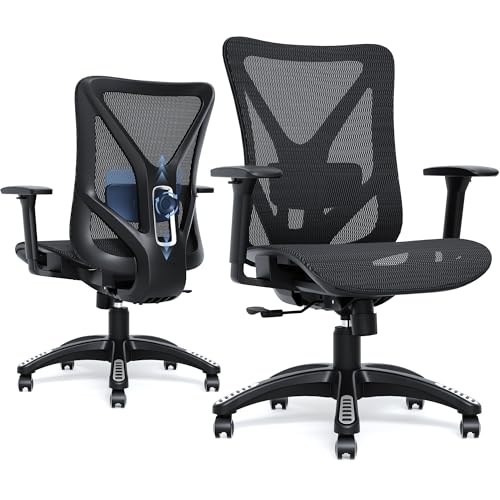
New to buying best chairs for back support? This simple guide explains seat height, depth, lumbar fit and materials in plain English, with no medical claims.
Buying your first chair for back support is confusing mostly because the words around it promise too much. So here is the plain version first: a chair is sitting furniture, and the best chairs for back support are simply the ones shaped and sized so that sitting feels comfortable for longer. No chair corrects your posture, fixes a back problem or treats pain, whatever the box or the listing says. This guide walks from the basic terms to the fit numbers in plain English, and the comparison table below gathers the main chair types in one place.
By the end you will know how to read a spec sheet, which measurements of your own body matter, and which extras are worth paying for and which are decoration. The advice stays inside comfort and fit, because comfort and fit are what a chair can honestly offer.
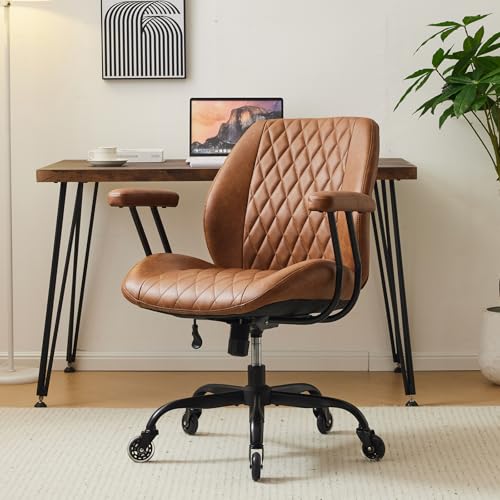
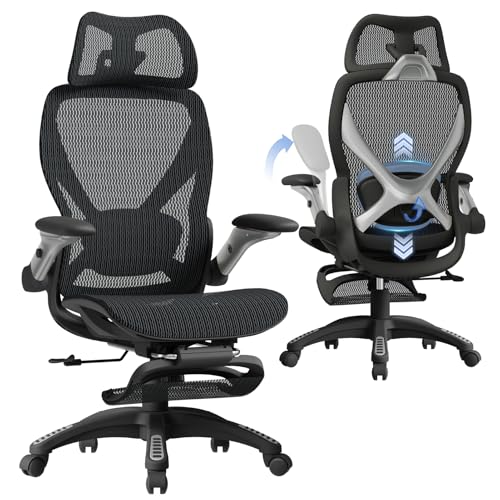
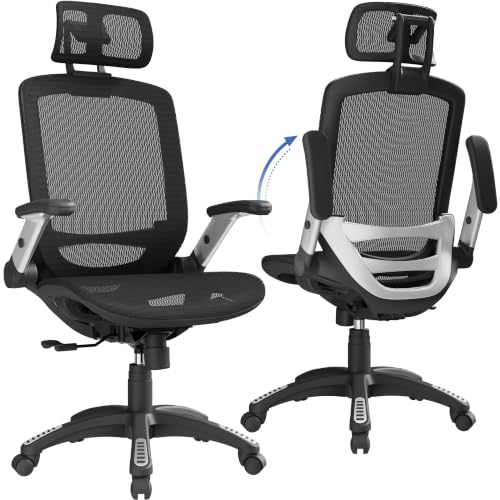

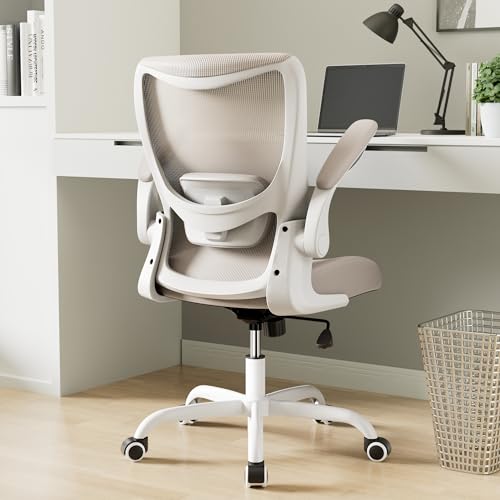

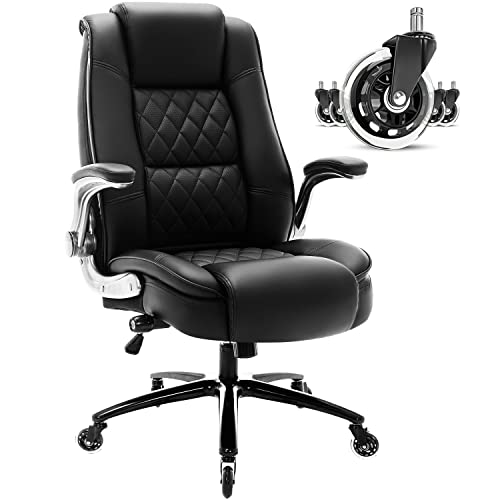
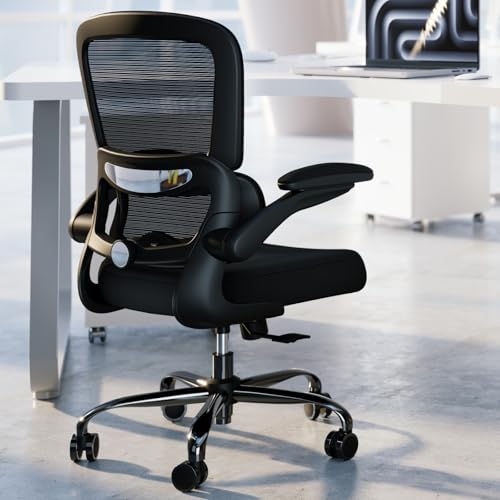
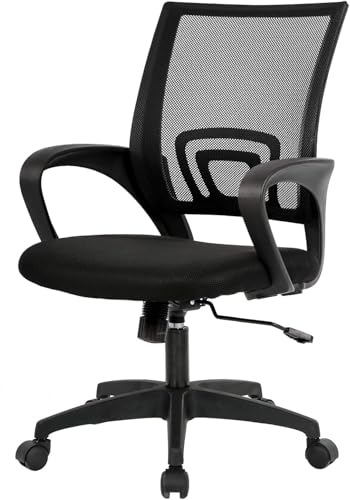
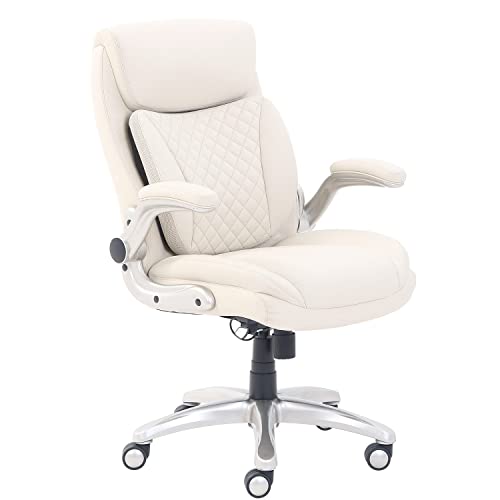
Chairs 101: The Basics
Back support in a chair means the backrest meets your back in the right places while you sit. Three parts share the work. The backrest shape sets how your weight spreads across the back of the chair, the lumbar zone is the lower part of that backrest shaped or padded to fill the small hollow behind your waist, and the seat decides the rest. A seat that is too deep or too high leaves your back floating away from the backrest entirely, and then no amount of lumbar padding can reach you.
Read this boundary before any feature list. A chair is not a medical device, and shopping is the wrong response to warning signs. Back pain that persists for weeks or keeps getting worse belongs in front of a doctor, not in a furniture store.
Numbness in a leg or a foot, weakness in a leg, and any change in bladder or bowel control mean a doctor promptly, the same day if you can manage it. If none of that applies and your back simply feels tired after long sits, comfort shopping makes sense, and the rest of this guide is written for you.
One more piece of honesty shapes everything below. Sitting still for hours is the strain, and no cushion fully cancels it. Standing up and walking for a few minutes every hour is the larger half of a comfortable sitting day, so treat regular breaks as the main plan and the chair as the smaller half. A good chair helps most by making position changes and getting up easy, not by holding you in one perfect pose all day.
Key Specs Explained in Plain English
Features That Matter for Back Support
Fit numbers matter more than feature lists, so start with three measurements. Seat height, usually about 16 to 20 inches from the floor, should let your feet rest flat with your knees near level. Seat depth, usually about 15 to 19 inches, should let you sit fully back while a small gap stays behind your knees.
Backrest height then decides coverage: a mid back design ends near the shoulder blades, while a high back design reaches the shoulders and sometimes the head. The lumbar zone needs to sit where your lower back actually curves, which is why an adjustable pad beats a fixed bump for most bodies. Readers whose comfort concern sits mostly in that lower zone can compare best chairs for lower back support, where the lumbar area is the whole design brief.
Ergonomics and Adjustability
Adjustability is how a chair adapts to your body instead of asking your body to adapt to it. The seat height lever is the basic tool, and a lumbar support that moves up, down or in depth is the next most useful one. A tilt that rocks slightly, with a tilt lock to hold an angle, lets you shift pressure during a long sit instead of freezing in one position.
Armrests that adjust in height keep your shoulders from hiking up toward your ears while you type or write. Racing style seats sold as best gaming chairs for back support lean on the same tilt and recline hardware, with firmer side bolsters added for a snug feel.
Materials and Upholstery
The surface you sit on changes how a chair feels across a whole day. Mesh backs breathe and give slightly as you lean, which many people find cooler in warm rooms. Fabric grips more, feels warmer, and hides wear well, while faux leather and similar smooth finishes wipe clean in seconds and suit dining or clinical spaces.
Under every surface sits foam, and the foam matters more than the cover in the long run. Frames are usually steel, solid wood or engineered board, and a steel or solid wood frame generally outlasts a light board frame under daily use.
Comfort and Cushioning
Cushioning is a balance between softness now and support at hour four. Very soft foam feels wonderful in a shop and then bottoms out, leaving you sitting on the frame by mid afternoon. High density foam feels firmer at first and holds its shape far longer, which is why it shows up in chairs built for daily sitting.
A rounded front edge on the seat, sometimes called a waterfall edge, keeps the seat from pressing into the backs of your thighs. Judge comfort by the longest sit you actually take, not by the first ten seconds on a showroom floor.
Assembly and Delivery
Most chairs in this class arrive as a flat box of parts: a seat, a backrest, a base with casters, a gas lift and a bag of bolts. Assembly usually takes about 20 to 40 minutes with the hex key included in the box, and a second pair of hands helps with tall or heavy models. Check the parts list before you start, because a missing caster found halfway through is a frustrating pause. Keep the box and the return terms until the chair has passed a week of real use, since fit problems often appear on day three rather than day one.
Choosing Chairs for Your Situation
The right chair depends on where and how you sit. The six situations below cover the searches first time buyers make most often, with the two or three criteria that actually change between them.
Best Lounge Chairs for Back Support: Tips for First Time Buyers
Lounge sitting is reclined sitting, so the rules shift a little. The backrest angle is fixed or gently reclining, and support means the curve of the chair back matches your back while your feet rest on the floor or on an ottoman. Look for a seat that is not so deep that you slump into it, and try the chair with your usual reading or television posture, because a lounge chair only supports you in the position it was shaped for.
Shoppers comparing reclining lounge models can also look at best recliner chairs for back support, where the footrest is built in. Prices for solid lounge models run about $150 to $600.
Best Folding Chairs with Back Support: Tips for First Time Buyers
Folding chairs trade padding for storage, so buy them for the right job. They suit guests, events and small rooms where chairs live in a closet most of the week. Check the frame lock first, because a lock that clicks firmly is what makes the chair feel stable, then check the stated weight capacity and stay honest about it.
The backrests run short and the seats run firm, so plan folding chairs for meals and gatherings of an hour or two rather than for a full workday. A padded folding design costs a little more and is the one upgrade worth making here.
Best PC Chairs with Back Support: Tips for First Time Buyers
A PC chair works at a desk, so desk fit joins back fit on the checklist. The armrests need to slide under or sit level with your desk top, and the seat height range needs to match your desk height so your feet stay flat while your elbows rest near desk level. Casters suit hard floors, while soft floors may call for a mat underneath.
The close cousin in this space is the desk chair class, and readers comparing the two can look at best desk chairs for back support for the task focused versions. Expect to pay about $120 to $400 for a PC chair with real adjustability.
Best Chairs for Back Support Office
Office use is the longest and most shared kind of sitting, so durability and adjustment range lead here. A chair that serves several people across a week needs a wide seat height range and a lumbar support that repositions quickly, since every new sitter brings a different body. Buyers outfitting a workplace should compare best office chairs for back support and weigh the warranty as heavily as the cushion, because office chairs earn their price over years of daily use. Simple controls matter too, since a chair nobody can figure out gets left at whatever setting it arrived with.
Best Comfortable Chairs with Back Support: Tips for First Time Buyers
When comfort is the headline need, your own sit check is the real spec sheet. Sit for at least ten minutes if the shop allows it, in your normal clothes and shoes, and pay attention to the backs of your thighs and the hollow of your lower back. A chair that feels merely fine in the shop often feels right at home, while a chair that feels like a cloud often feels like a hammock by Friday. Favor shops and sellers with a genuine return window, and treat that window as part of the product you are buying.
Best Camp Chairs for Back Support: Tips for First Time Buyers
Camp chairs are where back support goes to be forgotten, because the classic sling seat folds you into a curve and leaves your lower back with nothing behind it. Look instead for an upright frame with a firm seat and a backrest that reaches at least your shoulder blades. A higher seat also makes standing up on soft ground far easier, which matters at the end of a long evening. Frame strength and a honest weight capacity decide how many seasons the chair survives, and prices for the sturdier class run about $40 to $120.
Rookie Mistakes to Avoid When Buying Chairs for Back Support
- Buying by looks alone: a chair that photographs well can still have a seat too deep for your legs, which leaves your back unsupported no matter how good the padding is.
- Paying for posture promises: no chair corrects posture or treats pain, so a high price built on medical sounding claims buys words rather than comfort.
- Ignoring the weight capacity: a frame and gas lift used past their rating wear out early and can fail without warning.
- Skipping your own measurements: ordering without measuring your lower leg and thigh length is the most common reason first chairs go back.
- Judging in the first minute: a chair that wins a quick sit check can lose badly at hour three, so use the return window and check with real work sessions.
Getting Started: Setup and First Use
Unbox on a rug or a blanket so parts stay clean and nothing rolls away. Build the chair in the order the sheet gives you, leave every bolt slightly loose until the backrest is on, then tighten in a cross pattern so the frame pulls together evenly. Sit down and set the seat height first: feet flat on the floor, knees near level, thighs roughly parallel to the ground. Then set the lumbar pad or backrest so it meets the hollow of your lower back without pushing you forward.
Give the chair a fair trial of several full days before you judge it. Retighten the bolts after the first two weeks, because new joints settle and begin to creak if they are left loose. Keep the movement habit from the start of this guide: stand, walk and stretch briefly every hour, and let the chair be the comfortable place you return to rather than the place you spend the whole day without a break.
Frequently Asked Questions
What features matter most in chairs for back support?
Fit measurements matter most: a seat height that leaves your feet flat, a seat depth that lets you sit fully back, and a lumbar zone that lands where your lower back curves. One check most guides skip is measuring your current chair before you shop. Note the seat height and depth of a chair you already find comfortable, and use those two numbers as your personal reference range. A chair that matches your body beats a longer feature list every time.
Which chair features matter most for long sitting hours?
Adjustability and the freedom to change position matter most across long hours. A tilt you can unlock, a seat height you can nudge, and armrests that move all let you shift the load through the day instead of parking it in one spot. Firmness helps too, since a medium firm cushion holds up at hour six better than a plush one. Pair those features with a simple timer habit for standing breaks, because the chair works best as one half of the routine.
How long should a good chair for back support last?
A well built chair in daily use commonly lasts about 5 to 10 years before the foam tires and the lift starts to sink. The frame usually outlives everything attached to it. Casters, gas lifts and arm pads are replaceable parts on many models, so a chair that feels tired may need one part rather than a full replacement. Ask about spare parts and warranty length before you buy, because both tell you how long the maker expects the chair to serve.
Is an expensive chair for back support worth the money?
Sometimes, and it depends on what the extra money buys. Higher prices honestly buy a wider adjustment range, denser foam, stronger frames and longer warranties, and those things matter for full time sitting. Higher prices never buy medical results, because no chair treats a back condition at any price.
If you sit two hours a day, a mid priced chair that fits you is the sensible spend. If you sit all day for work, the step up usually earns its cost in comfort and service life.
How do I choose the right chair size for back support?
Measure two things on your own body while wearing your usual shoes. First, measure from the floor to the crease behind your knee, which sets the seat height you need so your feet rest flat. Second, measure from your back to that same knee crease while seated, which sets the deepest seat you can use.
In the chair, you want roughly two or three fingers of space between the seat edge and the back of your knee. Shoes with thick soles change the first number, so measure in the footwear you actually sit in.
Can a chair for back support correct my posture?
No, a chair cannot correct posture, and any listing that promises correction is promising something furniture cannot do. Posture is a habit of muscles and movement built across the whole day, most of it while you are standing and walking rather than sitting. A well fitted chair can make a neutral sitting position feel easy and comfortable, which is a real and worthwhile benefit. If you have lasting pain or worry about your back, a clinician is the right next step, not a more expensive chair.
Wrapping Up
The simple version is worth repeating: the best chairs for back support are the ones that fit your body, adjust to your day and stay comfortable at hour four, and they are comfort furniture rather than treatment. Measure yourself first, set the chair up with care, and keep the standing and walking breaks that do the larger half of the work. The product table above puts the main types side by side, so use it to match a chair class to your situation before you spend. If warning signs ever show up, skip the shopping and talk with your clinician.

