
Best Choice Office Chairs: A Practical Buying Guide for 2026
Disclosure: We may earn a commission when you buy through links on this page, at no extra cost to you. As an Amazon Associate I earn from qualifying purchases. Learn more

Learn how to choose best choice office chairs with clear guidance on lumbar support, sizing, materials, weight limits, and value for home offices.
A chair that feels fine for twenty minutes can leave you sore after a full workday, and the problem is usually fit rather than price. Learning how to judge best choice office chairs means checking seat size, back support, and adjustment range before you look at color or style. The product table below lines up those basics side by side so you can spot models that match your body and your desk.
This guide explains each buying factor, from lumbar support and cushion foam to frame strength and warranty cover.
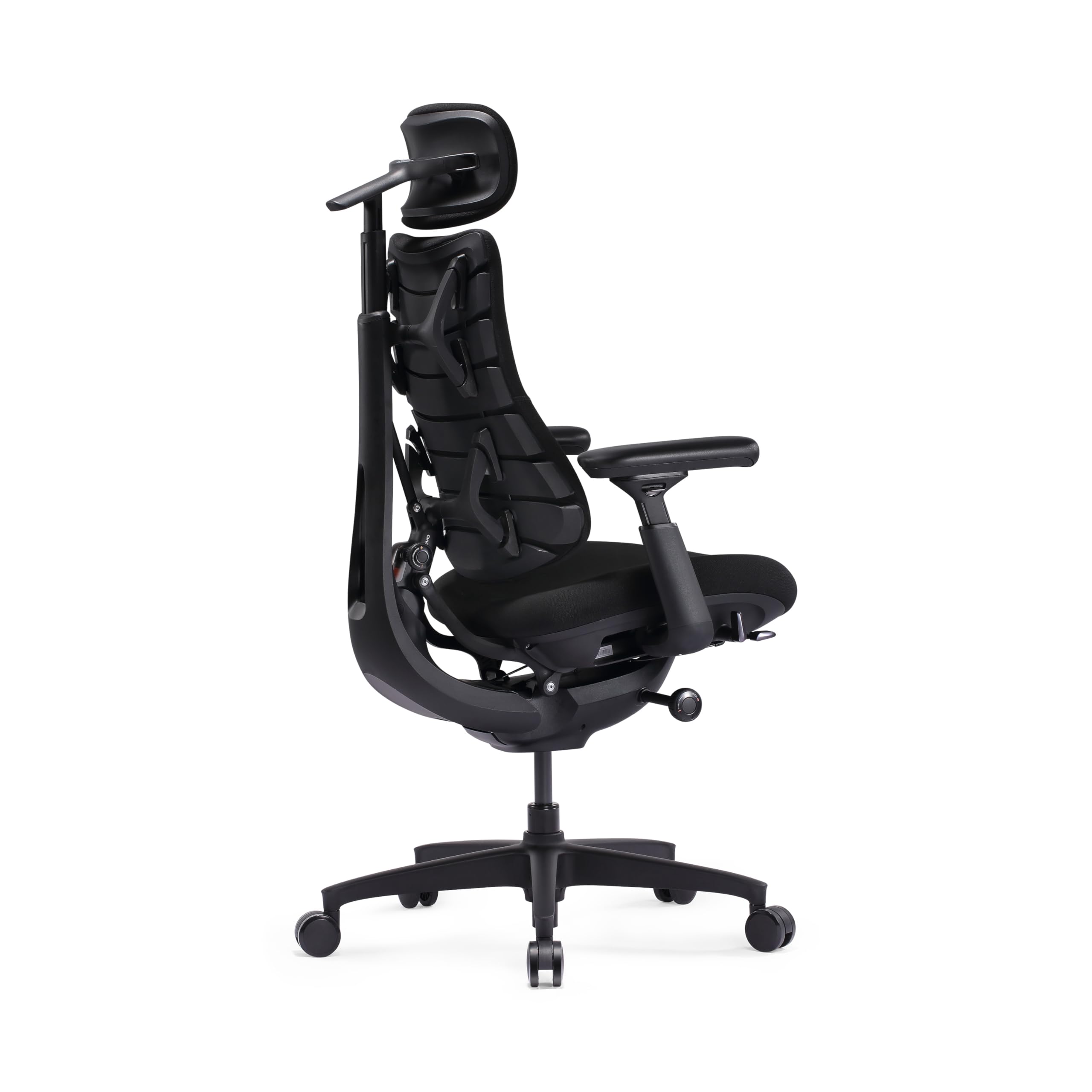
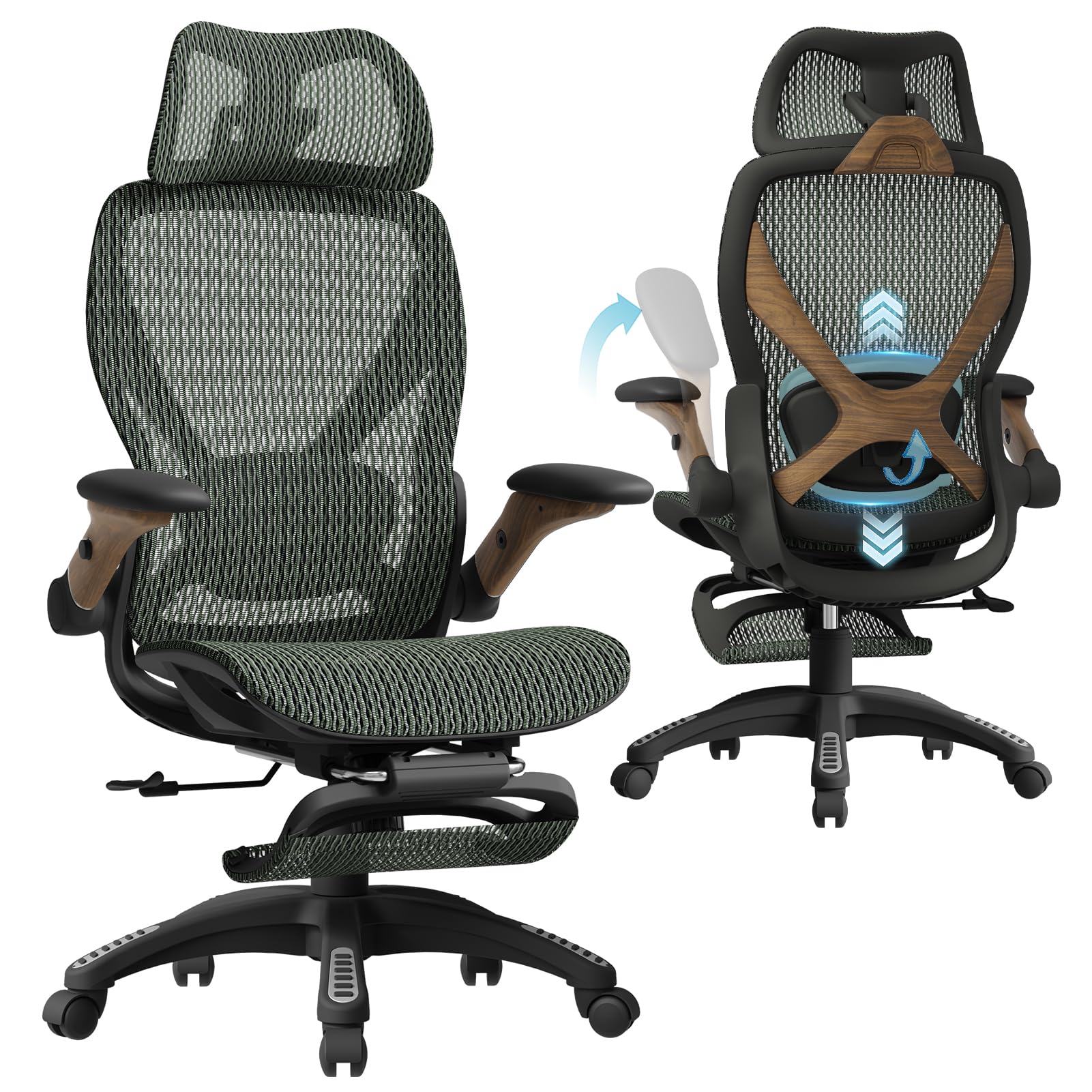
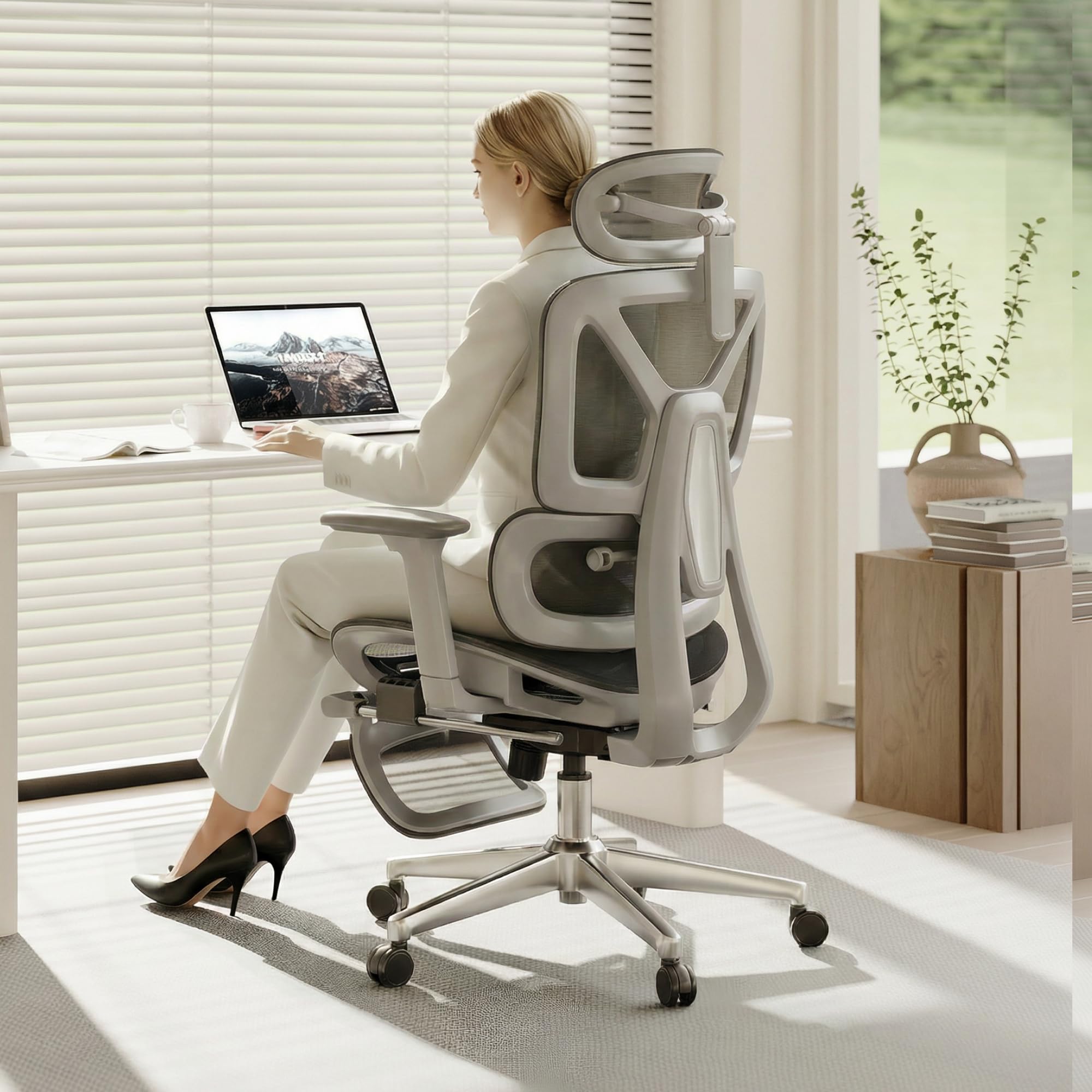
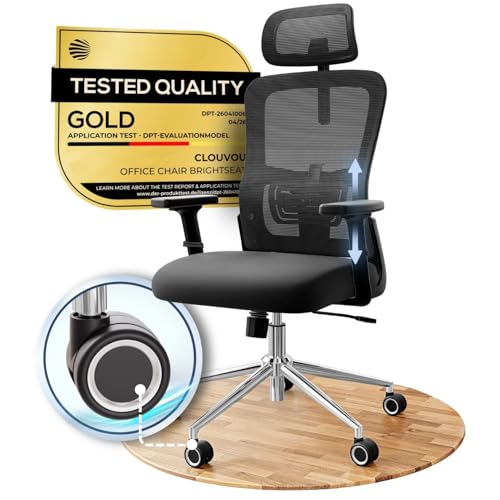
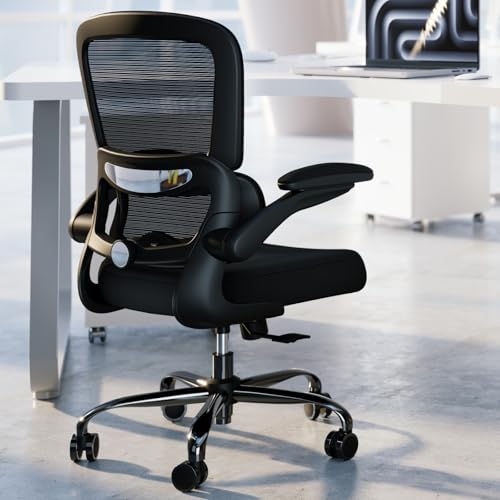
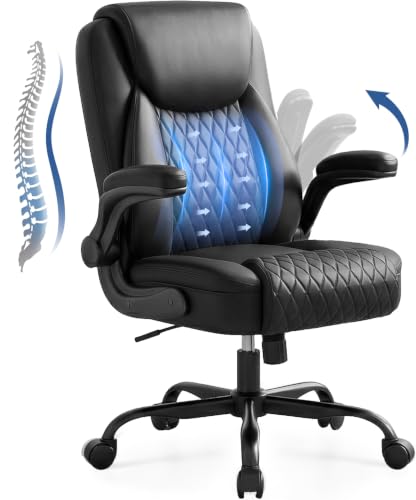
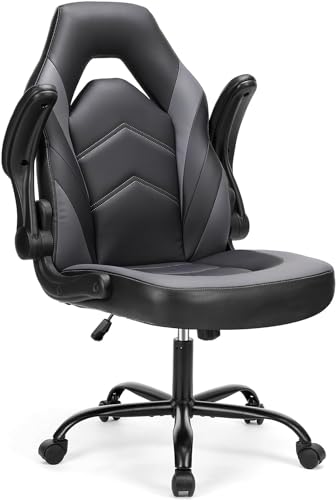
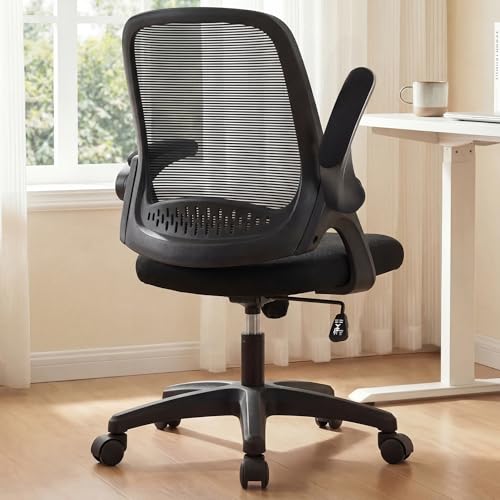
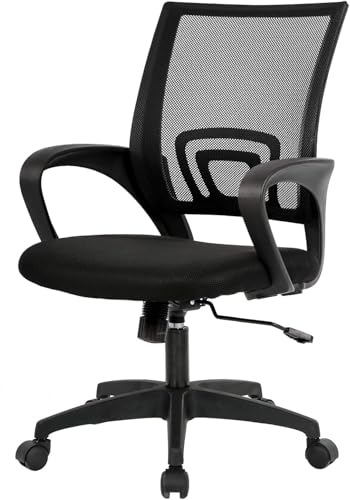
What to Prioritize When You Compare Models
Start with the product table above and work down a short checklist in the same order for every chair. Fit first, then support, then materials, and price last keeps the comparison honest.
Start With Fit Before Features
Your feet should rest flat on the floor with your knees near a right angle, and the seat front should leave about two to three inches behind your knees. Shoppers comparing seating beyond the desk may also want to see our guide to the best choice chairs for other rooms in the home.
How to Read Listings and Owner Feedback With Care
Listings mix useful specs with vague comfort claims, so pull out the numbers you can verify, such as seat width, height range, and stated weight capacity. If you want a wider view of rated models before you decide, see our guide to the best reviewed office chairs and compare what owners praise or flag.
Match Price to How Much You Sit
A chair used for one hour of bills each week does not need the same build as one used for eight hours of work each day. Budget models often cost under $150 and suit light use, while chairs for daily work commonly cost around $250 with stronger lifts and denser foam. Spending more pays off mainly when it buys a wider adjustment range and longer warranty cover.
How to Choose the Best Choice Office Chairs
Ergonomics and Adjustability
Good ergonomics means the chair adapts to you instead of forcing one fixed posture all day. Look for lumbar support that meets the curve of your lower back, either as an adjustable pad or a flexible back that moves with you. Adjustable armrests should rise, lower, and ideally slide so your shoulders can relax while you type. A tilt lock lets you set a slight recline for calls, then return upright. For a deeper look at support focused designs, see our guide to the best ergonomic office chair.
If you notice numbness, tingling, sharp pain, or back pain that keeps returning, do not treat chair adjustment as a cure and talk with your clinician about your personal needs. A chair can support comfort, but it cannot diagnose or treat a medical problem.
Size, Dimensions, and Weight Capacity
Measure your desk height and the floor space where the chair will roll before you order. Most seats adjust from about 17 to 21 inches high, seat widths often run about 19 to 22 inches, and seat depth near 18 to 20 inches suits many adults. Taller or shorter readers should check the ends of the height range with care, since a lift that stops too low or too high changes knee comfort.
Weight capacity is a safety and durability limit, not a rough guess, so choose a rating with a comfortable margin above your body weight. Standard models often list 250 to 300 pounds, while reinforced models list 350 to 400 pounds with wider seats and stronger bases. Also confirm the chair fits under your desk with the armrests at your working height.
Build Quality and Frame
The frame, base, and gas lift carry your weight every time you sit, lean, and roll, so these parts deserve close attention. A metal base, often steel or aluminum, usually outlasts a thin plastic base under daily use, and a Class 4 gas lift is the stronger grade commonly listed on better models. Casters should suit your floor, with softer wheels kinder to hardwood and tile.
Check how the back attaches to the seat, because that joint takes stress each time you recline. Solid joints use thick brackets and bolts that pass through the frame rather than short screws into thin board.
Assembly and Delivery
Most office chairs arrive flat in one large box with the base, lift, seat, back, and armrests packed separately. Assembly usually means fitting the casters, placing the lift, and bolting the seat, back, and arms in the order shown in the manual. Set aside about 20 to 40 minutes, and avoid tightening every bolt fully until all parts line up.
Check the box on arrival for damage, and count the hardware before you begin. Keep the packaging until you have sat in the chair at your desk and tested the lift, tilt, and armrests through their full range.
Warranty and Return Policy
Warranty terms vary by part, so read which pieces get the longest cover instead of looking only at the headline number. Frames and bases often carry longer terms than foam, fabric, and arm pads, and the gas lift usually sits somewhere in between. Save your order details, since that record speeds up a claim.
Return windows matter just as much because comfort is hard to judge from photos. A chair can measure correctly and still press your thighs or miss your lower back, so favor sellers with a clear return path. Test the chair on your actual floor and desk setup during that window.
Materials and Upholstery
A mesh back keeps air moving and suits warm rooms, though the frame edge can feel firm if you lean sideways often. Fabric seats feel soft and grip clothing well, but they hold spills and need more cleaning care. PU leather wipes clean with ease and looks formal, yet lower grades can crack or peel sooner in heat.
Match the material to your room and habits rather than to photos alone. Pet hair brushes off smooth surfaces faster, while fabric hides light wear better in shared spaces. If your office runs warm, breathability usually matters more than a polished look.
Comfort and Cushioning
Seat foam should feel supportive rather than soft like a sofa, because a seat that sinks too far lets your hips drop below your knees. High density foam holds its shape longer and spreads pressure across your thighs, while thin padding can bottom out within months. A gentle waterfall front edge helps blood flow in your legs by easing pressure behind your knees.
A back that follows your spine and lets you recline a few degrees for part of the hour reduces stiffness from one fixed pose. Remember that no cushion fixes a seat that is too deep or too narrow, so treat foam as the final check after size and support.
Types of Office Chairs to Consider
Budget Models
Budget models keep costs down with simpler foam, fixed or basic armrests, and fewer tilt settings. They suit students, spare rooms, and anyone who sits for short stretches rather than a full shift. If your work is mostly short desk tasks at home, compare options in our guide to the best office task chairs. Expect to replace a budget chair sooner under heavy daily use.
Compact and Space Saving Models
Compact and space saving models use narrower seats, slimmer backs, and sometimes arms that flip up so the chair slides fully under a desk. They fit small bedrooms and tight home offices where a wide chair would block a walkway. The tradeoff is less seat room and often a lower weight capacity, so larger readers should check dimensions with extra care.
Ergonomic Models
Ergonomic models add the widest range of adjustments, including lumbar depth, seat depth on some designs, armrest movement in several directions, and flexible recline control. They suit people who work long hours and anyone who shares a desk across different heights. To compare adjustment heavy options, see our guide to the best ergo office chairs.
Premium and Executive Models
Premium and executive models use larger frames, thicker padding, and finishes such as real leather or polished metal accents. They suit taller readers who need a bigger seat and anyone who wants a formal look for video calls. Price alone does not promise better support, so check that the larger size still matches your desk height and your body.
Common Mistakes to Avoid
- Buying by photo alone without checking seat depth leads to a chair that presses behind your knees all day.
- Ignoring weight capacity to save money risks a cracked base or a lift that sinks under load.
- Choosing a tall back for looks without checking desk clearance leaves the chair stuck outside your workspace.
- Setting armrests too high lifts your shoulders and can leave your neck and upper back tense by evening.
- Assuming the softest seat is the most comfortable leads to foam that bottoms out within a few months.
- Throwing away the box and hardware at once makes a size based return far harder than it needs to be.
How to Make Your Office Chair Last Longer
Care for an office chair is simple. A few small habits protect the lift, casters, foam, and fabric that take daily wear.
- Adjust the seat height so your feet rest flat, which reduces side strain on the gas lift.
- Tighten the bolts on the armrests, back, and base every few months, since rolling and leaning work them loose.
- Vacuum fabric and mesh with a soft brush tool each week, and wipe smooth covers with a damp cloth.
- Keep leather and PU leather out of direct sunlight and away from heaters, because heat speeds up cracking.
- Clear hair and dust from the caster wheels, so the chair glides instead of dragging.
- Sit near the center of the seat and avoid standing on it, which bends brackets over time.
Frequently Asked Questions
How do you choose the right size for an office chair?
You choose the right size by matching seat height, depth, and width to your body and desk. Your feet should rest flat, your knees should sit near a right angle, and a small gap should remain behind your knees. One point many buyers miss is popliteal height, the measurement from the floor to the back of your knee while seated, which predicts your ideal seat height better than total height alone.
Is an expensive office chair worth the extra cost?
An expensive office chair is worth the cost only when the higher price buys adjustments, materials, or warranty cover that you will actually use. Daily workers gain the most from stronger lifts, denser foam, and longer frame cover. Light users often feel no real gain, so put the savings toward a footrest or monitor stand instead if your current chair already fits you well.
How long should a good office chair last with daily use?
A good office chair should last about five to seven years with daily use, and longer with light use and regular bolt checks. Foam softening and caster wear usually show age before the frame does. Watch for a lift that sinks slowly during the day, since that early sign means the lift is near the end of its life.
What features matter most in an office chair for long hours?
The features that matter most for long hours are adjustable lumbar support, a seat depth that fits your legs, armrests that let your shoulders drop, and a gentle recline you can lock. Breathable backs help in warm rooms. One extra habit helps as much as any feature, which is standing and walking briefly each hour, because even good support cannot replace regular movement.
Final Thoughts
The right chair comes from fit, support, and honest build quality rather than the longest feature list or the highest price. Measure your desk and your body, check the rating and materials, and use the product table above to compare finalists on the same points. When you narrow your shortlist to the best choice office chairs for your hours and your space, order from a seller with a fair return path.


