
Best Camping Chairs for Back Support: A 2026 Buyer Checklist
Disclosure: We may earn a commission when you buy through links on this page, at no extra cost to you. As an Amazon Associate I earn from qualifying purchases. Learn more

Compare the best camping chairs for back support by back shape, seat height, arm support and packed size, with a checklist for long evenings outdoors.
A best camping chairs for back support choice starts with the shape of the backrest, not with colour or cup holders, and the comparison table below shows how the main styles differ. A chair that holds your lower back in a gentle curve will feel better over a long evening than a taller chair with no real lumbar shape. Before you buy, think about how long you sit, how high you like to sit, and how far you need to carry the chair.
This guide works as a checklist you can run through before ordering. It covers back shape, seat height, arm support, materials, packed size and safety, so you can compare models on the points that affect comfort most. Use it to narrow the field, then check the product table above against your own sitting needs.

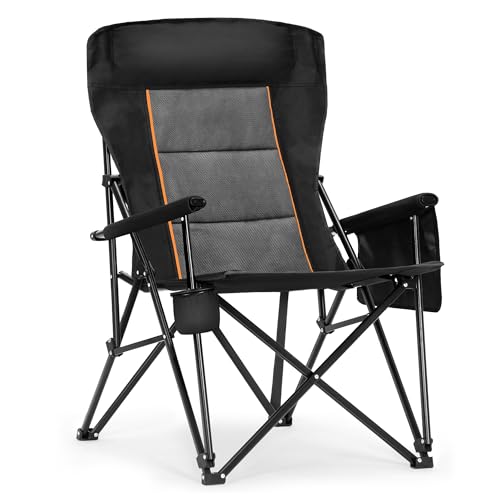


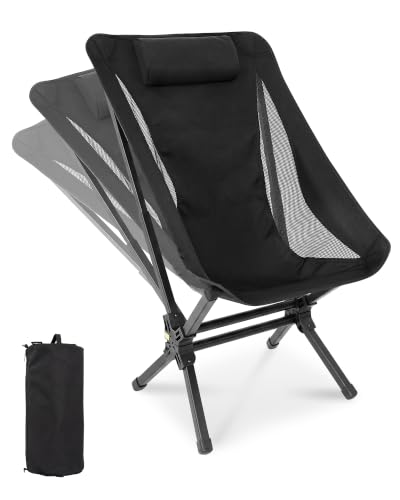
What to Check in Camping Chairs for Back Support
The checklist below focuses on sitting comfort and practical use, not on marketing claims. Each factor affects a different part of the sitting experience, so weigh them by how long you sit and where you camp.
Features That Matter for Back Support
Back support comes from the curve of the backrest, the height of lumbar contact and how the chair holds you when you lean back. Look for a backrest that meets your lower back without pushing you forward, and for side support that keeps you centred without squeezing your shoulders. A chair with an adjustable lumbar pad or a shaped panel suits more body types than a flat backrest. If you have persistent or worsening back pain, talk with a clinician about what sitting posture suits you, and treat chair comfort as general guidance only.
Seat Height and Sitting Posture
Seat height decides whether your knees sit level with your hips or higher, which changes pressure on your lower back. A higher seat suits taller users and anyone who finds low chairs hard to leave, while a lower seat suits relaxed lounging and uneven ground. Check the seat depth too, because a deep seat can push shorter users forward and a shallow seat can leave thighs unsupported. Sit with your feet flat where possible, and adjust your posture often during long sits.
Arm Support and Getting Up
Armrests matter more than many buyers expect, because they help you sit down and stand up without straining your back. Sturdy arms at a comfortable height let you push up with your arms rather than twisting from the waist. Padded arms feel better over long evenings, while hard arms may suit shorter sits and easier cleaning. Test the arm height against your own elbow height if you can, since arms that are too high lift your shoulders and arms that are too low offer little help.
Weight and Packed Size
Packed size and weight decide whether a comfortable chair actually travels with you. A roomier chair often weighs more and packs larger, so balance comfort against how far you carry it. Car campers can favour a sturdier, larger chair, while backpackers need a compact model even if it gives up some padding. Check the packed dimensions and the carry bag, because a chair that is awkward to carry may stay at home.
Setup and Ease of Use
Setup should be quick and obvious, even after dark or in cold weather. Look for a frame that opens smoothly, locks firmly and folds without pinching fingers. Practice the fold at home, and check that latches and hinges feel secure before you sit. A chair that needs force to open or close is more likely to be set up wrong, which can affect stability.
Materials and Durability
Frame material affects weight, strength and how the chair feels over time. Aluminium frames tend to be lighter, while steel frames often feel sturdier and support higher loads. Fabric should feel taut rather than saggy, with reinforced stitching at stress points and a weave that resists tearing. Check the maker weight rating and keep a margin, especially if you sit for long periods or carry gear in the chair pockets.
Weather and Outdoor Use
Outdoor chairs face sun, rain and damp ground, so fabric and frame finish matter. Quick drying fabric helps after rain, while a frame that resists rust lasts longer in humid conditions. A chair with feet that spread the load sits better on soft ground than one with narrow legs that sink. Store the chair dry, and avoid leaving it outside for long periods when you are not using it.
Quick Buyer Checklist
- Does the backrest meet your lower back in a gentle curve when you sit normally?
- Is the seat height right for your leg length, with your knees roughly level with your hips?
- Do the armrests help you sit down and stand up without twisting?
- Is the maker weight rating comfortably above your weight?
- Does the packed size fit your vehicle or pack, and is the carry bag easy to use?
- Does the frame lock firmly and feel stable on uneven ground?
- Is the fabric taut, with reinforced stitching at the main stress points?
- Can you fold and unfold it quickly without forcing any part?
Red Flags to Watch For
- Vague specs, such as no weight rating or no packed dimensions.
- A backrest that looks tall in photos but has no real lumbar shape.
- Armrests that flex or wobble when you press down to stand.
- Thin fabric with loose stitching at the seat corners.
- A very short warranty with no clear maker support.
For a broader view of supportive seating, see our guide to the best chairs for back support, and if you want an indoor comparison, the best office chairs for back support guide covers desk sitting in more detail.
Care and Maintenance Tips
- Test the chair at home before a trip, so you learn the fold and the sitting position.
- Dry the fabric fully before storage, and store it in a dry place away from sharp objects.
- Check hinges, latches and stitching before each trip, and tighten or replace worn parts promptly.
- Clean mud and spills with mild soap and water, following the maker care guidance.
Camping Chairs: Your Questions Answered
What features matter most in camping chairs for back support?
Backrest shape matters most, followed by seat height and arm support. A curved lower back panel keeps your spine in a more natural position than a flat backrest, while the right seat height keeps your knees level with your hips. Sturdy armrests help you sit and stand without twisting, which matters after a long day outdoors. Fabric tension also counts, because a sagging seat pulls your hips forward and strains your lower back over time.
How do I choose the right camping chair size?
Start with seat width and depth, then check backrest height against your torso length. A seat that is too narrow squeezes your hips, while one that is too deep pushes you forward unless you use a cushion. Taller users usually need a higher backrest and a higher seat, while shorter users need a shallower seat to sit with feet flat. If you share the chair, favour an adjustable or mid sized design that suits the smaller user first.
How long does a camping chair last?
Lifespan depends on frame quality, fabric, use and care more than on price alone. A chair used gently and stored dry can last several seasons, while one left outside in sun and rain will wear faster. Hinges and stitching usually show wear first, so inspect them before each trip. Replace the chair if the frame bends, a latch fails or the fabric thins at stress points, even if it still folds normally.
Is a heavier camping chair worth the weight?
A heavier chair is worth carrying when you sit for long periods and travel by car, because the extra frame strength and padding improve comfort. For short walks from a car to a campsite, the trade is usually small. For longer carries, a lighter chair with a good back shape may serve you better than a heavy chair left behind. Judge the weight against your real carrying distance, not against a single trip in ideal conditions.
Can a camping chair help with back pain?
A well shaped chair can make sitting more comfortable, but it cannot treat back pain or replace medical advice. Choose a chair that supports a natural sitting posture, take breaks, and change position often during long sits. Avoid chairs that force you to slouch or perch on the edge for hours. If pain persists, worsens or comes with numbness or weakness, talk with a clinician before relying on any chair for relief.
Wrapping Up
Use the checklist above to compare back shape, seat height, arm support and packed size in that order. A chair that fits your body and your trips will serve you better than a taller or heavier model that looks supportive in photos. Check the product table above, follow the maker safety guidance, and choose the best camping chairs for back support for the way you actually sit outdoors.


